Machine Learning and its Applications in Personalized Medicine
The Impact of Machine Learning in Healthcare
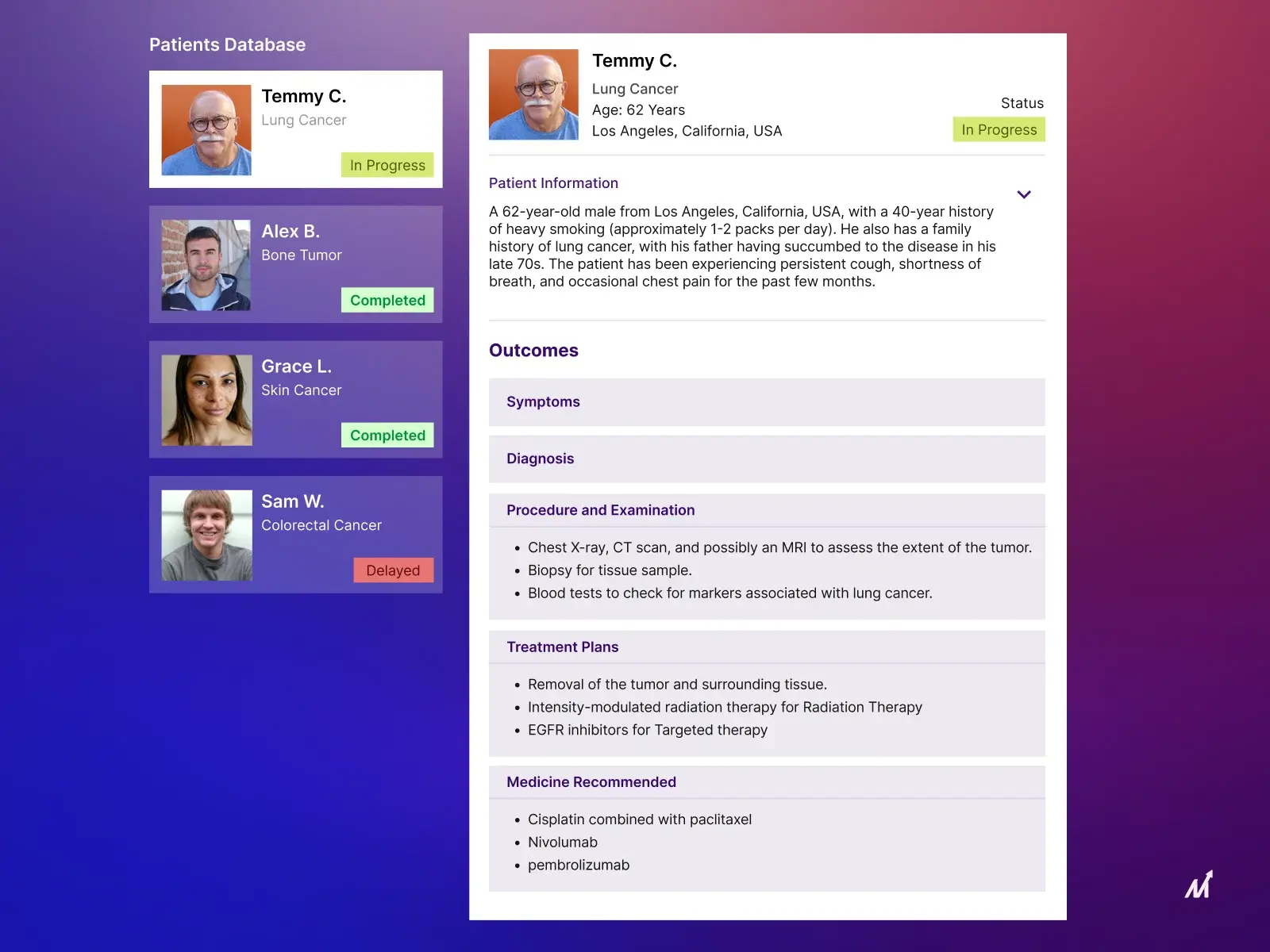
As technology continues to evolve at an unprecedented pace, machine learning (ML) has emerged as a transformative force in the field of healthcare. This revolutionary technology leverages algorithms to process and analyze vast datasets at remarkable speed, which unlocks new possibilities for understanding intricate diseases and customizing treatment protocols tailored to the specific needs of individual patients.
Transformative Potentials of Personalized Medicine
Among the many advancements spurred by ML, personalized medicine stands out as a particularly promising area. By utilizing sophisticated ML algorithms, healthcare providers can offer more precise and effective interventions. The critical features of this approach include:
- Predictive Analytics: Machine learning models can analyze historical patient data to forecast how individuals will respond to various forms of treatment. For instance, an ML system might analyze a patient’s previous reactions to different anti-depressants and predict which medication will likely yield the best results for them.
- Genomic Analysis: With the ability to sift through immense amounts of genetic data, ML can help identify genetic markers that significantly impact health outcomes. Companies like 23andMe are already applying these principles, helping individuals understand their genetic predispositions to certain conditions.
- Patient Stratification: Machine learning aids in segmenting patients based on their unique characteristics, such as age, gender, lifestyle, and medical history. This segmentation enables healthcare providers to design targeted therapies that are more likely to succeed.
Cost-Effectiveness and Improved Outcomes
In the United States, where healthcare expenditures are consistently on the rise, ML offers a solution for more efficient and effective treatment plans. For example, in oncology, ML tools are being employed to analyze patient data, which can lead to personalized cancer therapies tailored to the genetic profiles of tumors. The National Cancer Institute has begun incorporating these technologies, enabling clinicians to make data-informed decisions that greatly increase a patient’s chance of recovery.
Beyond oncology, ML applications extend to predictive modeling for diseases like diabetes and cardiovascular conditions, where algorithms can predict flare-ups or critical health events by monitoring patient vitals and lifestyle factors in real-time. This predictive capacity not only enhances patient care but also reduces emergency hospital visits, thus lowering overall healthcare costs.
Shaping the Future of Healthcare Delivery
As we continue to explore the multifaceted applications of machine learning within personalized medicine, it becomes evident that these technologies are not merely enhancing patient outcomes but are poised to reshape the future of healthcare delivery at large. The potential implications are extensive, suggesting a new era of precision medicine—where treatments are not just generalized but finely tuned to the individual, leading to better health and wellness for all.
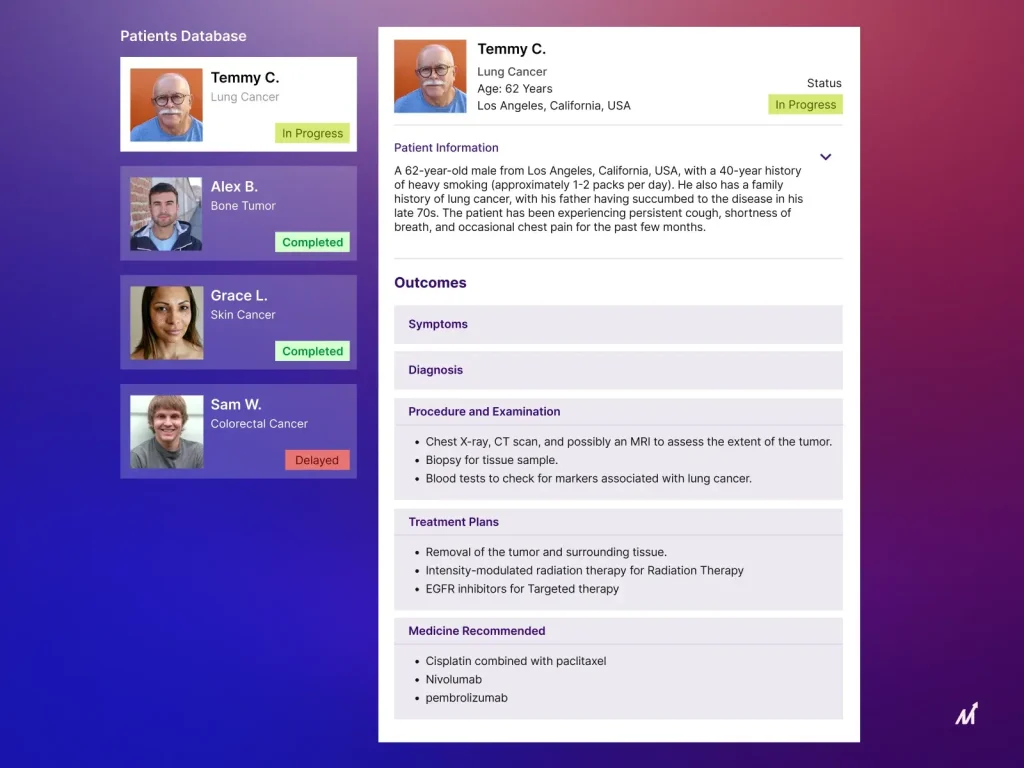
This transformation calls for ongoing investigation into ethical considerations, data privacy, and equitable access to these advanced technologies. As machine learning integrates further into healthcare, it offers an exciting glimpse into a future where medical care is as much about personal DNA as it is about universal standards.
DISCOVER MORE: Click here to learn how predictive analytics can elevate customer experiences
Understanding the Mechanisms of Machine Learning
To appreciate the vast potential of machine learning in the realm of personalized medicine, it’s essential to delve into the fundamental mechanisms that enable these algorithms to function effectively. At its core, machine learning involves training models on large volumes of data, allowing them to identify patterns and make predictions. This capability is especially crucial in healthcare, where access to diverse datasets can lead to groundbreaking insights.
Types of Machine Learning Models
Machine learning can be broadly categorized into three primary types, each with distinct applications in personalized medicine:
- Supervised Learning: This model utilizes labeled datasets to learn relationships between input and output. In a healthcare context, supervised learning can predict patient responses to treatments based on historical data. For example, algorithms can identify which patients are most likely to respond favorably to a specific chemotherapy regimen based on their healthcare records.
- Unsupervised Learning: Unlike supervised learning, this model deals with unlabeled data, allowing it to uncover hidden patterns and groupings. This approach can be invaluable for genomic data analysis, where unsupervised methods can reveal subtypes of diseases that may respond differently to treatment, thereby guiding doctors toward more tailored therapies.
- Reinforcement Learning: This model learns by receiving feedback through trial and error, optimizing its strategies over time. In personalized medicine, reinforcement learning can be applied to dynamic treatment strategies, where algorithms adapt to a patient’s responses to medications in real-time, enabling clinicians to adjust therapies as necessary for improved outcomes.
Real-World Applications of Machine Learning in Personalized Medicine
The application of machine learning does not remain theoretical; real-world implementations are revolutionizing how healthcare is delivered. Consider the following examples:
- Cancer Treatment: Research institutions are using machine learning algorithms to analyze historical treatment data and genetic profiles to create individualized treatment plans. These personalized protocols are derived from models that assess a patient’s tumor biomarkers, improving the precision of oncology treatments.
- Cardiovascular Disease Management: Machine learning is being employed to develop models that predict the likelihood of heart attacks or stroke based on patient data, including age, cholesterol levels, and family history. This proactive approach enables timely interventions and personalized lifestyle modifications to mitigate risks.
- Diabetes Management: Continuous glucose monitoring systems use machine learning algorithms to optimize insulin delivery for diabetic patients. These systems analyze real-time data and patient-specific factors, enhancing glycemic control in individuals with type 1 diabetes.
As machine learning continues to evolve, its intersection with personalized medicine reveals an exciting frontier in healthcare. The implications on patient care are profound, allowing for early intervention and tailored treatment protocols that enhance overall health outcomes. The next step is to address the challenges that accompany this technological integration, ensuring that the benefits of machine learning are universally accessible and ethically sound.
Machine Learning and its Applications in Personalized Medicine
As the healthcare landscape continues to evolve, machine learning has emerged as a pivotal force driving innovations in personalized medicine. This tailored approach is changing how patients receive treatment and allowing for more effective healthcare outcomes. In fact, machine learning algorithms can analyze vast datasets, uncovering patterns that human analysts might miss, ultimately enhancing diagnostic accuracy and treatment recommendations.
One prominent application is in genetic data analysis, where machine learning techniques can aid in predicting disease susceptibility based on a patient’s genomic information. This not only paves the way for preventive care but also supports the development of targeted therapies that align with an individual’s genetic makeup, significantly improving the chances of successful treatment.
Moreover, machine learning models can optimize drug discovery and development processes, enabling faster identification of viable drug candidates. With predictive analytics, researchers can assess the probability of a drug’s success in clinical trials, minimizing costs and time. This capability not only accelerates the journey from laboratory to pharmacy but also ensures that therapies are closely aligned with patient-specific conditions.
| Advantage | Impact |
|---|---|
| Enhanced Diagnostics | Machine learning algorithms analyze clinical data swiftly, leading to improved disease detection. |
| Tailored Treatment Plans | Personalized approaches result in customized treatment strategies based on individual patient profiles. |
As we delve deeper into the era of data-driven healthcare, the potential applications of machine learning in personalized medicine will continue to expand, driving greater healthcare innovations. Collaborations among tech companies, researchers, and healthcare providers are essential to unlock further opportunities.
DISCOVER MORE: Click here to learn about machine learning in cybersecurity
Challenges and Ethical Considerations in Machine Learning for Personalized Medicine
While the potential of machine learning in personalized medicine is vast, a series of challenges and ethical considerations must be navigated to fully realize its capabilities. As healthcare becomes increasingly data-driven, addressing these obstacles is essential to foster trust and effectiveness in machine learning applications.
Data Quality and Integration
One of the most significant hurdles facing machine learning in personalized medicine is the consistency and accuracy of data. Disparate healthcare systems often lead to data silos, where vital patient information remains isolated and inaccessible for comprehensive analysis. Machine learning models require extensive amounts of high-quality data to function optimally. If the data integration is flawed, it could lead to misguided predictions or treatment plans. Additionally, diverse patient populations are not always adequately represented in the data, risking biases that could adversely affect minority groups. A systematic approach that repeatedly emphasizes data harmonization is critical to overcoming these limitations.
Privacy and Security Concerns
Given the sensitivity of healthcare data, privacy and security continue to be major concerns. The use of personally identifiable information (PII) in machine learning models raises potential risks of data breaches and misuse. Regulations like the Health Insurance Portability and Accountability Act (HIPAA) in the United States aim to protect patient data, but there is still considerable room for improvement in implementing comprehensive cybersecurity measures. Healthcare institutions must develop robust protocols to safeguard data and assure patients that their information will be handled ethically and within legal confines.
Algorithmic Bias and Accountability
Machine learning algorithms can sometimes exhibit biases as a result of the data they are trained on. If historical treatment or social inequities are ingrained in the data, machine learning models may unwittingly perpetuate these inequalities, leading to suboptimal outcomes for certain demographic groups. It is essential to conduct regular audits of algorithms to check for signs of algorithmic bias and ensure that the models promote fairness across the patient population. Furthermore, establishing accountability and transparency in the decision-making process of machine learning systems can build trust among healthcare providers and patients alike.
Future Directions and Potential Innovations
Despite these challenges, the future of machine learning in personalized medicine is bright with promising innovations. One potential direction is the focus on explainable AI, which seeks to make machine learning algorithms more interpretable by human users. This would allow clinicians to understand the rationale behind predictions and recommendations, thereby enabling them to make informed decisions about patient care. Another promising trend is the integration of machine learning with telemedicine, where predictive models could enhance virtual consultations and real-time patient monitoring, ultimately leading to more adaptive treatment plans.
As we continue to explore the myriad ways machine learning can enhance personalized medicine, it becomes increasingly clear that the journey involves not just advanced technologies but also a commitment to ethical practices, equitable access, and multifaceted collaboration among healthcare providers, researchers, and patients.
DIVE DEEPER: Click here to learn more
Conclusion
In summary, the integration of machine learning into personalized medicine stands at the forefront of transforming healthcare delivery and patient outcomes. The ability to analyze vast datasets and derive actionable insights allows for tailored treatment strategies that can significantly improve individual health. From early disease detection to optimizing therapeutic approaches, machine learning presents unparalleled opportunities to enhance clinical decision-making, leading to more effective patient care.
However, the application of machine learning does not come without its challenges. Issues surrounding data quality, privacy, and algorithmic bias require careful consideration and proactive measures. As healthcare providers and institutions harness these technologies, they must prioritize building transparent, secure systems that protect patient data and promote equity in health outcomes. Explainable AI and robust data integration strategies will be crucial steps in achieving these goals, ultimately assuring both patients and practitioners of the reliability and fairness of machine learning applications.
The future of personalized medicine is promising, with ongoing advancements in predictive analytics and telemedicine integration paving the way for more agile and responsive healthcare models. As researchers, clinicians, and technology innovators collaborate, a shared vision of ethical, inclusive, and data-driven healthcare will not only enhance the efficacy of treatments but also empower patients to take charge of their health journeys. The convergence of machine learning and personalized medicine is an evolving narrative, one that holds the potential to revolutionize how we understand and treat disease in the years to come.