Natural Foods vs. Commercial Feed: What is Better for Your Animal?
Understanding Natural Foods and Commercial Feed
The discussion surrounding natural foods versus commercial feed continues to expand as pet and livestock owners seek to provide optimal nutrition. This topic is pivotal, given that diet plays a fundamental role in the well-being and longevity of animals. Different dietary options can elicit passionate opinions, but examining each side’s merits and drawbacks may help pet and livestock owners make informed choices.
The Case for Natural Foods
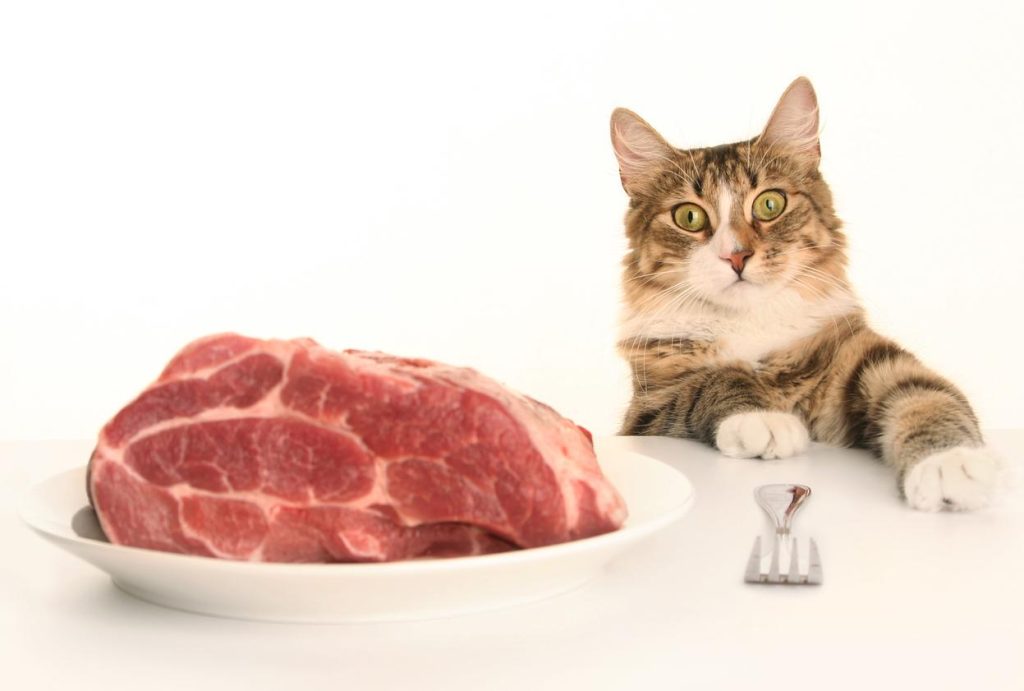
Advocates of natural foods argue that whole diets offer a variety of benefits not only for human consumption but also for pets and livestock. One significant advantage is nutritional value. Many natural foods, such as fruits, vegetables, grains, and raw meats, are rich in essential vitamins, minerals, and antioxidants that contribute to a well-balanced diet. For instance, fresh blueberries can provide dogs with antioxidants that support cognitive function.
Furthermore, proponents emphasize the importance of fewer additives. Natural foods are less likely to contain artificial preservatives, colors, or fillers commonly found in many commercial feeds. This reduces the risk of chemical exposure to animals, which may be particularly important for pets with sensitivities or allergies.
With natural ingredients, owners often appreciate having control over their animal’s diet. By choosing what to include, pet owners can tailor diets according to their pets’ unique needs, preferences, and health concerns. For example, a dog with food allergies can be provided a specific protein source and vegetables that minimize the risk of adverse reactions.
Benefits of Commercial Feed
On the flip side, many owners favor the convenience that commercial feed offers. These ready-to-use products save precious time and effort in meal preparation, especially for busy households. A pre-packaged diet eliminates the need for extensive research and planning, which may be appealing to new pet owners or those with multiple animals.
Nutritional consistency is another key point made by supporters of commercial feeds. These products are formulated by animal nutritionists to meet the specific dietary requirements of different species and growth stages, ensuring that pets and livestock receive balanced nutrition. For example, a high-quality commercial dog food will include all necessary nutrients, from proteins to omega fatty acids, in precise proportions.
Accessibility is yet another advantage; commercial feeds are widely available in retail outlets across the United States, making it easy for consumers to choose quality options that fit their animals’ dietary needs without lengthy searches. This accessibility often means that busy pet owners can rely on reputable brands to offer consistent quality available nationwide.
Conclusion
As you ponder the best dietary choice for your animals, consider the implications of both natural foods and commercial feeds. Each choice presents distinct benefits alongside potential limitations. Owners must reflect on their time, resources, and their animal’s distinct needs to make the optimal decision. By delving into this intricate subject and weighing both sides, you can ensure your beloved pets and livestock receive the nutrition they deserve.
DIVE DEEPER: Click here for expert training tips
Examining the Nutritional Profiles
When evaluating natural foods and commercial feed, a primary focus falls on their respective nutritional profiles. Understanding what your animal consumes is essential for promoting health, boosting immunity, and enhancing overall well-being. Each option presents distinct attributes that may cater to the unique needs of different animals.
Nutritional Diversity of Natural Foods
Proponents of natural diets emphasize that they provide a diverse assortment of nutrients, which can be beneficial for animals. Whole foods typically contain a broader spectrum of vitamins, minerals, and phytonutrients in comparison to processed alternatives. For example, a meal incorporating a variety of vegetables not only offers essential vitamins but also introduces unique compounds like flavonoids and carotenoids that support various bodily functions.
Additionally, the presence of high-quality proteins from natural sources is often lauded by advocates. For instance, fresh meats, eggs, and dairy can offer bioavailable amino acids necessary for muscle repair and growth. Many pet owners find that proper sourcing of these ingredients leads to improved coat health and better digestion in their animals.
Natural foods can also promote a more natural eating behavior, allowing animals to consume enriched diets that mimic what they would find in a wild environment. This can be particularly vital for species that thrive on specific dietary patterns. Some animal experts argue that mimicking natural diets stimulates not only physical but also mental health in pets and livestock alike.
The Formulation of Commercial Feed
On the other hand, commercial feed is often formulated with scientific precision, targeting the dietary needs of different species and their life stages. Manufacturers employ veterinarians and animal nutritionists to craft recipes that address specific nutritional requirements. This ensures that pets and livestock receive a balanced diet that can avoid common deficiencies.
- Guaranteed Analysis: Most commercial feeds list a guaranteed analysis on the packaging, providing clear information about protein, fat, fiber, and moisture content.
- Customization: Some brands even offer specialized formulas that cater to issues like weight management, allergies, or sensitivities, simplifying dietary planning for pet owners.
- Quality Control: Reputable brands adhere to strict manufacturing standards, which can help minimize risks of contamination or nutritional imbalance, giving peace of mind to consumers.
These attributes of commercial feed make it appealing to many pet owners who may not have the time or knowledge to prepare dynamic meals from scratch. However, critics often point to certain drawbacks, particularly regarding the inclusion of preservatives and fillers that may appeal to the bottom line more than the animals’ health.
As owners navigate the terrain of animal nutrition, it becomes increasingly important to understand how the choices they make can directly impact the vitality and happiness of their pets and livestock. Each approach has its philosophies, and each has the potential to contribute to a thriving animal. Moving forward, a clearer understanding of individual dietary needs and the implications of these options can guide decisions that promote overall animal health.
| Advantages of Natural Foods | Advantages of Commercial Feed |
|---|---|
| Higher Nutritional Value | Convenience and Consistency |
| Natural foods can provide a broader spectrum of nutrients, which aids in the overall health of your animal. | Commercial feed is designed to meet specific dietary needs, ensuring a balanced intake for various types of animals. |
| Improved Digestibility | Cost-effective Solutions |
| Natural foods often lead to better digestion and nutrient absorption, promoting vitality. | Commercial options are usually mass-produced, making them affordable and widely accessible. |
| Fewer Additives | Research-Backed Formulations |
| Many natural foods do not contain synthetic preservatives or fillers, ensuring a cleaner diet. | Commercial feeds are frequently developed based on scientific research to optimize animal health. |
Exploring the differences between natural foods and commercial feed brings to light crucial aspects that can significantly affect the health and well-being of animals. Natural foods are often celebrated for their rich nutritional profiles, leading to enhanced vitality and better digestion. For instance, certain organic grains and fresh produce provide animals with essential vitamins and minerals that commercial feed struggles to replicate. Conversely, the structured nature of commercial feed makes it an adaptable solution for many busy animal owners, as its formulation is grounded in scientific research and tailored to meet specific dietary requirements.
DISCOVER MORE: Click here to learn about the community impact of pet adoption
Assessing Long-Term Health Implications
As pet and livestock owners weigh the options of natural foods versus commercial feed, one crucial aspect to consider is the long-term health implications of both dietary choices. While immediate nutritional benefits are paramount, understanding how these diets can affect an animal’s health over time is vital for informed decision-making.
The Gut Microbiome Connection
Recent studies highlight the significant role of gut health in overall wellbeing, driving interest in how natural diets can positively impact the microbiome of animals. Research indicates that diets rich in whole foods, particularly those packed with dietary fibers from fruits and vegetables, support diverse gut bacteria populations. This diversity is associated with enhanced digestion and immune function. For instance, studies have found that dogs on a raw diet often showcase improved digestion and lower instances of gastrointestinal disorders.
Conversely, commercial feeds may not always promote a diverse microbiome. Many processed options contain high levels of preservatives, artificial flavors, and fillers that can disrupt gut flora. Studies suggest that prolonged consumption of these feeds can lead to imbalances in gut bacteria, which can then contribute to health issues like allergies, obesity, and joint problems. Thus, the choice of diet could play a pivotal role in the animal’s long-term health outcomes.
The Impact on Longevity and Quality of Life
Beyond microbiome health, diets can significantly impact lifespan and overall quality of life. A growing body of evidence suggests that animals fed a diet rich in natural ingredients tend to exhibit signs of vitality, such as increased energy levels and improved cognitive function, compared to those reliant on commercial feeds. This is worth considering; for example, a study from the Journal of Animal Science indicated that pets fed a diet high in fresh, whole ingredients had better dental health and were less prone to common diseases.
In terms of longevity, many poultry and livestock farmers have reported that animals given access to natural foraging, as opposed to solely relying on pre-packaged feeds, tend to have longer, healthier lives. The organic nutrients they consume from greens and seeds in their environment often contribute to their natural resistance to diseases, which can lead to improved productivity in farming practices.
Environmental Considerations and Sustainability
When determining the best dietary approach, it’s also essential to consider environmental impacts. As consumers demand more sustainable options, natural foods often align with these values. Feeding animals ingredients that are locally sourced reduces overall carbon footprints and helps support local economies. On the other hand, the manufacturing of commercial feed can lead to excessive waste and resource depletion, sometimes involving by-products that may not align with responsible farming practices.
However, it is essential to recognize that not all natural food options are created equal. Sourcing knowledge is crucial; pet owners must be aware of where their food comes from, as not all producers adhere to organic or humane practices. Similarly, some formulated feeds from reputable brands are increasingly incorporating more sustainable, high-quality ingredients, highlighting the need for consumers to conduct diligent research.
In summary, the ongoing comparison of natural foods vs. commercial feed reveals a complex interplay of nutritional, health, and environmental factors. Each option presents unique benefits and challenges, and the ultimate decision should resonate with the individual needs of the animal in question, accounting for both immediate well-being and long-term health outcomes. The nuances of these choices should be well understood to foster thriving pets and livestock that lead fulfilling lives.
DISCOVER MORE: Click here to learn about essential nutrients for your pets
Conclusion: Making the Right Choice for Your Animal
Deciding between natural foods and commercial feed is a nuanced and personal choice that significantly influences the health and well-being of your animal. As we’ve explored, the benefits of a natural diet extend beyond immediate nutritional needs, delivering long-term advantages such as enhanced gut health, improved vitality, and potentially greater longevity. These aspects are crucial for pet owners and livestock farmers alike, as they strive to cultivate happier and healthier animals.
Yet, it is essential to approach this matter with discernment. Not all natural options are equal, and substandard sourcing can diminish the advantages of whole-food diets. Likewise, many commercial brands are increasingly reformulating their products to include high-quality, sustainable ingredients, offering viable options for concerned consumers. The key is to perform thorough research, understand the ingredients, and make informed choices that align with both dietary principles and environmental sustainability.
The ongoing conversation around natural foods vs. commercial feed invites pet owners and farmers to reflect on their values and the specific needs of their animals. By weighing the immediate benefits against long-term health outcomes and considering the ecological impact of these choices, you can cultivate a harmonious balance that leads to thriving animals and a responsible approach to feeding practices. Ultimately, investing time in understanding the intricacies of animal nutrition will pay dividends in the happiness, health, and productivity of your companions—whether they are pets or livestock.