Natural Foods vs. Commercial Food: What Is Better for Your Pet?
Understanding the Nuances of Pet Nutrition
The ongoing debate between natural foods and commercial food for pets has garnered attention from veterinarians, pet owners, and animal nutritionists alike. As our furry companions become integral members of our families, their dietary choices become paramount in ensuring their health and happiness. With a myriad of options available, understanding the differences can be overwhelming.
Many pet owners are diving into the world of pet nutrition, asking crucial questions that reveal the depth of this topic:
- What are the benefits of natural foods?
- How does commercial pet food stack up against home-prepared meals?
- What are the important ingredients to consider in each option?
In the United States, the pet food industry is thriving, estimated to reach over $100 billion. This boom brings various choices, from organic options to overly processed kibble. Many brands claim their products are premium or holistic, which can lead to confusion about what truly constitutes a healthy diet for a pet. It is essential for owners to peel back the layers of marketing to discern genuine nutritional value.
Exploring the Benefits of Natural Foods
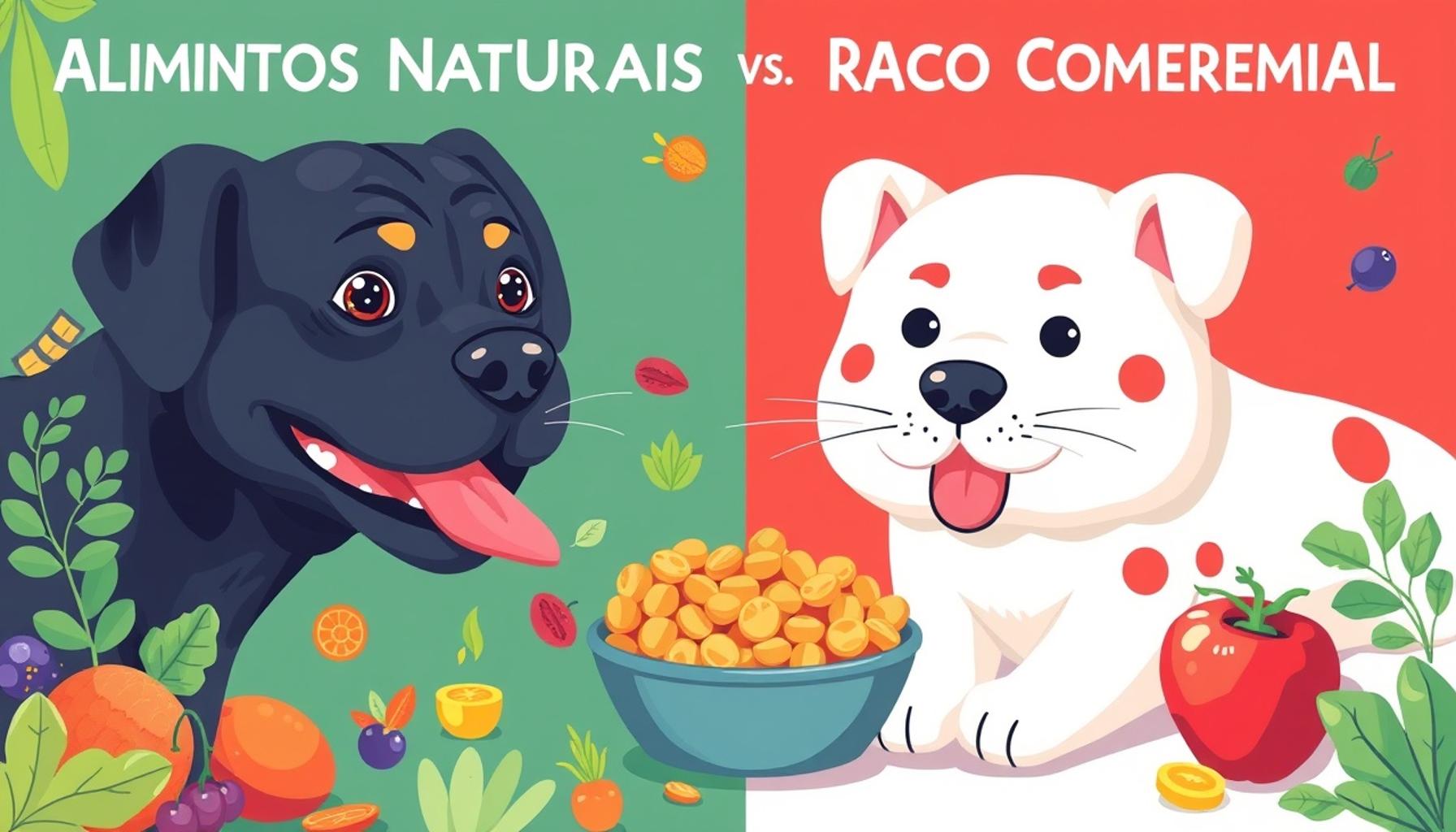
Natural pet foods, often made from whole ingredients like meats, vegetables, and grains, can provide numerous health benefits. Many owners who choose natural diets report improvements in their pets’ energy levels, skin conditions, and even digestion. For instance, dogs and cats suffering from allergies may find relief with a diet free of artificial additives and fillers. An added advantage is the customization aspect; pet owners can adjust recipes to suit their pets’ specific needs, a crucial factor for those with specific dietary restrictions.
Commercial Pet Food: The Convenience Factor
On the other side of the spectrum, commercial pet food offers unparalleled convenience. Many brands are scientifically formulated to meet the nutritional requirements set by the Association of American Feed Control Officials (AAFCO). This means that they are designed to provide a balanced diet without the need for preparation, making them appealing to busy pet owners. Additionally, certain commercial diets are fortified with essential vitamins and minerals, ensuring pets receive a complete nutritional profile. However, it’s important to scrutinize ingredient lists, as some brands use low-quality fillers that could compromise a pet’s health.
Key Ingredients to Consider
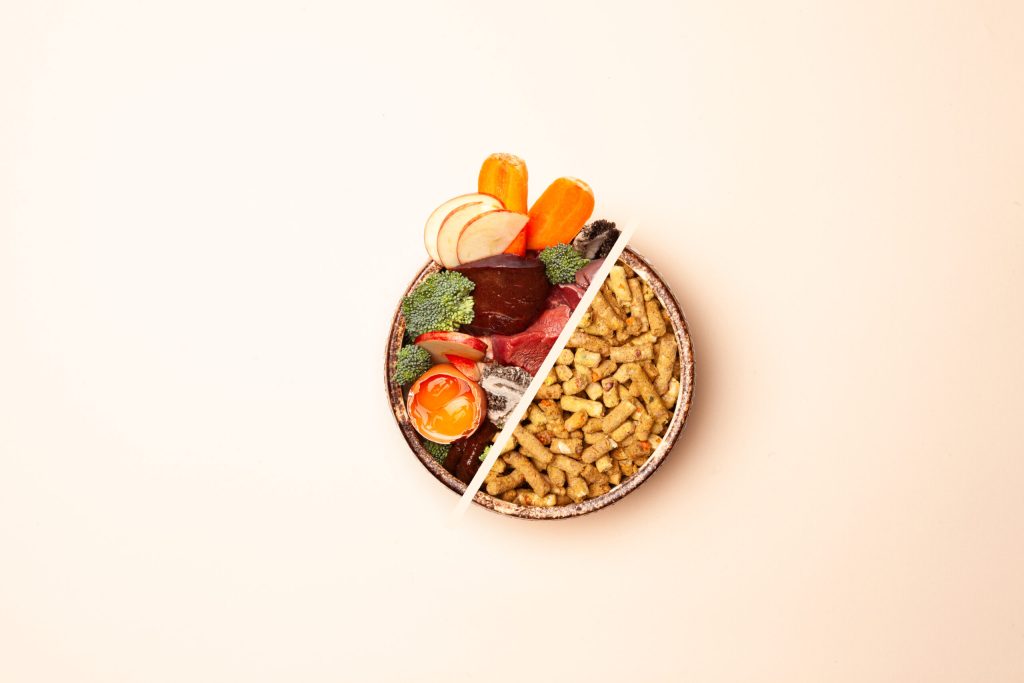
Regardless of which option you choose, understanding key ingredients is vital. For natural foods, look for identifiable protein sources as the first ingredient: chicken, beef, or fish should be prominent. Meanwhile, ensure that there aren’t too many fillers, artificial preservatives, or coloring agents, which can be detrimental. In commercial food, high-quality brands will often tout their use of whole meats and non-GMO ingredients.
As we explore the layers of this nutritional landscape, we will dissect the merits and drawbacks of each option, helping you formulate a more informed decision for your beloved pets. Prepare to uncover surprising insights that could change the way you think about your pet’s diet. Understanding these facets enables pet owners to not only make educated choices but also to advocate for the health and happiness of their furry companions. Whether opting for natural or commercial food, informed choices can lead to a healthier, happier pet life.
Natural Foods: A Closer Look at Nutritional Value
As more pet owners become conscious of their animals’ diets, natural foods have surged in popularity. These foods are typically devoid of chemical additives and artificial flavors, emphasizing whole ingredients that can offer a range of benefits. For instance, many natural pet foods include real meat, fruits, vegetables, and grains that are recognizable and wholesome. This transparency in ingredients can make it easier for pet owners to understand what they are feeding their companions.
One of the standout benefits of natural foods is their potential for improving the overall well-being of pets. Numerous owners have reported that their pets exhibit increased vitality after switching to a natural diet. Conditions such as sensitive skin, frequent gastrointestinal issues, and allergies may show marked improvement with these whole-food options. Moreover, natural diets often come packed with essential nutrients that can enhance a pet’s immune system, fortifying them against common ailments.
However, the impact of shifting to a natural diet can vary significantly based on the individual pet’s needs. Some pets may respond exceptionally well to the wholesome approach, while others might not exhibit noticeable changes. This underscores the importance of consulting with a veterinarian before making dietary alterations.
Commercial Pet Food: Striking a Balance Between Convenience and Nutrition
In contrast, commercial pet food provides a level of convenience that cannot be overstated. Many brands manufacture their products using rigorous scientific formulations designed to meet the nutritional standards set by the Association of American Feed Control Officials (AAFCO). This standardization means that busy pet owners can easily provide balanced meals without having to prepare anything from scratch. Popular commercial brands often include specialized formulas geared toward specific dietary needs, such as weight management or sensitivities.
Another interesting aspect of commercial food is its ability to cater to a wide range of pets, including those that may require unique nutritional solutions. For example, some brands offer prescription diets tailored for health conditions such as diabetes or kidney disease, providing an easy way for pet owners to manage their pets’ health effectively.
However, despite these benefits, caution is warranted when selecting commercial food. Ingredients matter greatly, and the quality can vary significantly between brands. Owners should pay close attention to labels and avoid those containing vague terms like “meat meal” or “by-products.” These can often imply lower quality ingredients. A list of desirable features when choosing commercial food includes:
- Identifiable protein sources: Look for specific meats like chicken, turkey, or beef rather than vague terms.
- Minimal fillers: Ingredients such as corn, wheat, or soy have little nutritional value and can lead to issues for some pets.
- Added nutrients: Many high-quality brands will include essential vitamins and minerals, which can bolster overall health.
The decision between natural and commercial pet food ultimately changes the way we view our pets’ nutrition, presenting a landscape filled with both opportunities and challenges. As we continue to explore this topic, it becomes evident that informed choices play a crucial role in ensuring our pets thrive in their dietary lives.
| Natural Foods | Commercial Food |
|---|---|
| Whole Ingredients | Convenience |
| Rich in Nutrients | Long Shelf Life |
| Source Transparency | Variety of Options |
Natural foods for pets often include fresh fruits, vegetables, and whole meats, which are packed with vital nutrients. These ingredients not only support overall health but also promote a healthy digestion system, potentially resulting in fewer vet visits. Additionally, many owners prefer natural foods because of the transparency regarding sourcing and quality. On the other hand, commercial foods are well-known for their convenience and variety of choices available in pet stores. These products often have a long shelf life, which makes them easier to stock up without worrying about spoilage. Furthermore, many commercial options are formulated with essential vitamins and minerals that fulfill pet dietary needs, though they may lack the freshness and quality of natural foods. As pet owners weigh the options of natural versus commercial food, it is crucial to explore each segment’s advantages and how they align with their pet’s health and lifestyle.
Health Risks and Considerations: The Other Side of the Coin
While the debate between natural foods and commercial pet food often focuses on the quality and nutritional value of the food itself, it’s crucial to consider the potential health risks associated with each option. Pet food recalls are not uncommon in the commercial realm, often resulting from contamination or inferior ingredients. For instance, the FDA has posted numerous recalls due to findings of dangerous levels of toxins, pathogens, or harmful additives, leading to serious health concerns for pets. Owners should stay informed by regularly checking the FDA’s pet food recall list to ensure the safety of their pets’ diet.
On the other hand, natural foods, while often perceived as safer, are not entirely without risks. A homemade natural diet, without professional guidance, may lead to nutritional deficiencies. For example, the American Veterinary Medical Association (AVMA) warns that formulating a balanced homemade diet can be challenging, as it requires specific knowledge about animal nutrition. Ingredients that are beneficial for humans may not necessarily be suitable or complete for pets; for instance, garlic and onions can be toxic to dogs, leading to serious health complications.
The Cost Factor: Evaluating Budget and Quality
Another important aspect of the natural vs. commercial food debate is the financial consideration. In general, natural pet foods can be significantly more expensive than their commercial counterparts. The sourcing of high-quality ingredients contributes to the price tag, and while many pet owners are willing to pay a premium for their pets’ health, the affordability of these products must be considered. Budget-conscious owners may find it challenging to sustain a strictly natural diet, especially when considering the frequency of feeding.
Conversely, commercial pet food often provides a more budget-friendly option, with various price ranges available to suit different household incomes. Bulk purchasing options and sales on popular brands can make it easier for families to budget for their pets’ meals. However, owners should balance cost with potential long-term health risks associated with poor-quality ingredients. As the saying goes, “You get what you pay for,” and while cheaper options can be more appealing, they may come with hidden costs in the form of health complications down the line.
Making an Informed Decision: Personalization is Key
Ultimately, the choice between natural foods and commercial pet food should be guided by a pet’s unique requirements and the owner’s lifestyle. Factors such as age, breed, health conditions, and individual preferences matter significantly when deciding on a pet’s diet. For instance, an older pet with specific health concerns may thrive on a specially formulated commercial diet, while an active young dog may benefit from a high-protein natural diet.
Pet owners should actively involve their veterinarians in the decision-making process. Regular health check-ups can help identify potential allergies or sensitivities that can inform dietary choices. Moreover, many veterinarians can suggest specific brands or types of food that cater to individual nutritional needs, thereby enhancing the pet’s overall well-being.
As this investigation into the natural foods vs. commercial food conundrum suggests, the best choice will vary across households. With careful consideration and research, pet owners can make dietary choices that ensure their pets receive the right balance of nutrition while supporting their health and happiness.
Conclusion: Finding the Right Fit for Your Pet
In the ongoing conversation about natural foods vs. commercial food for pets, it becomes abundantly clear that there isn’t a one-size-fits-all answer. Both options bring unique benefits and potential drawbacks that vary significantly depending on each pet’s individual needs and circumstances. Natural pet foods can offer superior nutrition and fewer harmful additives, but without careful formulation and guidance, they may lead to imbalances and deficiencies. Conversely, while commercial pet food can be more affordable and accessible, issues related to ingredient quality and safety remain a concern.
As pet owners navigate this complex landscape, it’s vital to prioritize the health and happiness of their furry companions. Regular consultations with veterinarians can provide tailored advice and help identify specific dietary needs based on a pet’s age, breed, or health issues. Furthermore, owners should research brands, read ingredient labels carefully, and stay informed about recalls and health advisories. This proactive approach will not only ensure that pets receive appropriate nutrition but also foster long-term well-being.
Ultimately, a balanced diet may even incorporate elements from both sides of the spectrum, allowing pet parents to enjoy the advantages of both natural options and commercial products. By making informed decisions and personalizing dietary choices, pet owners can promote a healthier lifestyle for their beloved companions, ensuring that they thrive in every cherished moment together.