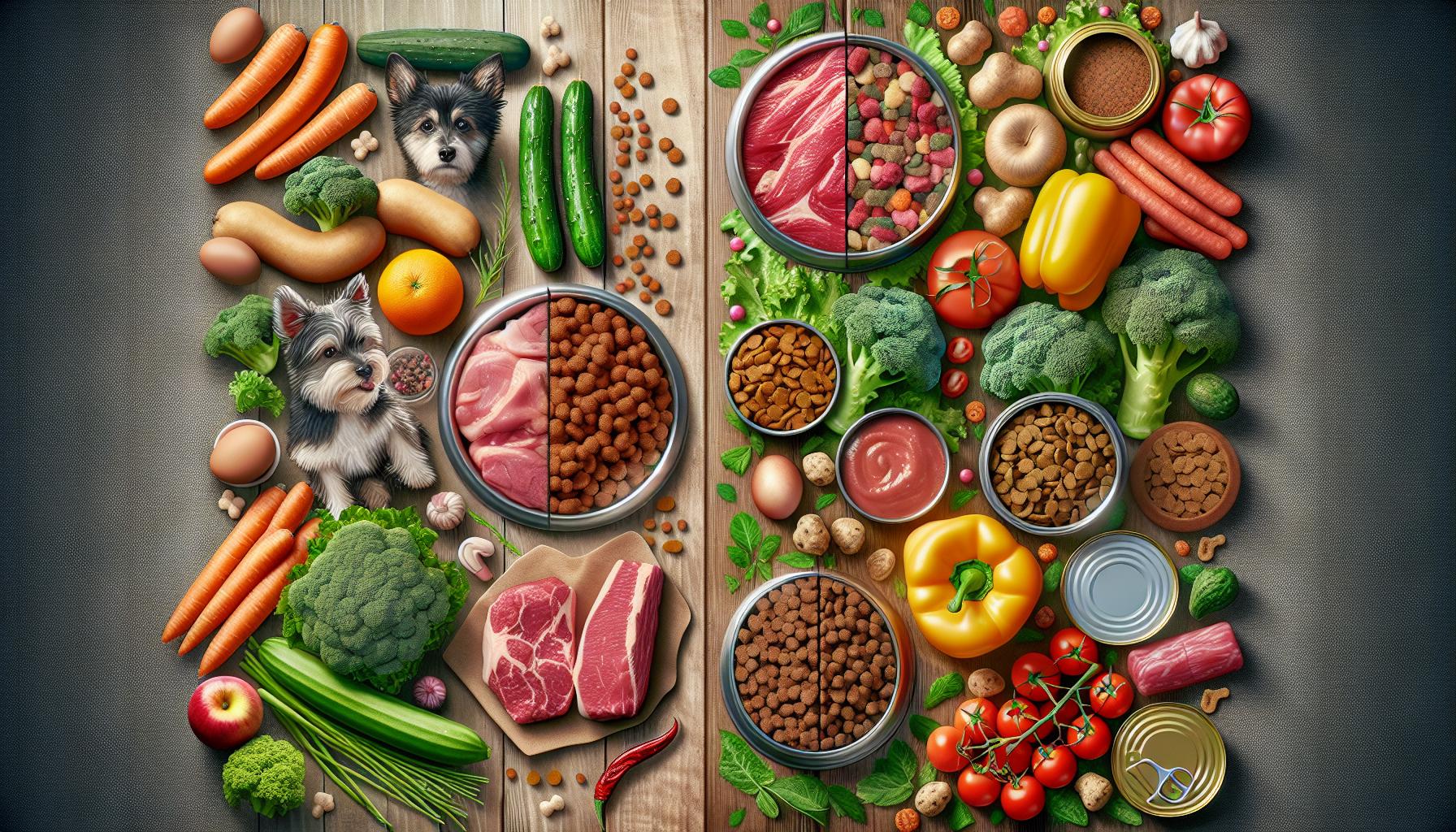
Personalized Nutrition: How to Create a Nutritional Plan for Your Pet

Understanding Your Pet’s Unique Nutritional Needs
Every pet is unique, and just like humans, they require nutrition tailored to their specific needs. A one-size-fits-all approach can fall short when it comes to your furry friend’s health and happiness. Personalized nutrition transcends simply filling a bowl with kibble; it involves a nuanced understanding of your pet’s individual health requirements, activity levels, and food preferences. Developing a customized nutritional plan not only enhances your pet’s overall well-being but also fosters a deeper bond between you and your animal companion.
Key Factors in Personalized Nutrition
To embark on this journey towards personalized pet nutrition, consider the following key factors:
- Age and Breed: Nutritional needs differ greatly according to breed and age. Puppies, for instance, require a diet rich in protein and essential fats for proper growth, while senior dogs may benefit from lower-calorie options that support joint health.
- Health Conditions: Conditions like diabetes or allergies require special diets. A dog diagnosed with diabetes, for example, might thrive on a high-fiber diet that helps regulate blood sugar levels. Consulting with a veterinarian can ensure your pet receives the right balance of nutrients to manage these conditions effectively.
- Activity Level: Active pets often need more calories to fuel their playtime and adventures. A working breed, such as a Border Collie, that participates in agility sports may require a high-energy diet, rich in carbohydrates and protein, to maintain their stamina.
- Weight Management: Obesity is a common issue among pets in the United States, and controlling diet is essential for maintaining a healthy weight. Regularly monitoring your pet’s weight and adjusting food portions can help prevent health problems associated with obesity, such as heart disease and diabetes.
- Food Preferences: Just as we have likes and dislikes, so do pets. Some dogs may prefer specific protein sources or textures in their food, leading to greater satisfaction and better digestion. Understanding your pet’s taste can not only enhance their eating experience but also encourage them to maintain a balanced diet.
The Role of Ingredients and Consultation
The process of crafting a personalized nutrition plan is not merely about what goes in the bowl. It’s about comprehending how each ingredient impacts your pet’s health. For instance, incorporating omega-3 fatty acids can support joint health and reduce inflammation, while antioxidants can bolster a pet’s immune system. Regular consultations with your veterinarian can play a crucial role in fine-tuning your plan based on your pet’s changing health needs.
Resources for Personalized Pet Nutrition
As you explore the world of personalized pet nutrition, you might encounter a variety of resources, including specialized pet food brands that offer tailored formulas based on various life stages and health conditions. Some brands even provide tailored meal plans delivered right to your door. Additionally, nutritional guides and dietary tracking tools are available online to help you monitor your pet’s health and diet. The aim is clear: to ensure your pet lives a long, healthy, and happy life.
In conclusion, personalized nutrition is a significant step towards enhancing your pet’s life. By understanding their unique needs and preferences, you not only promote better health but also enrich their daily lives. Take the time to research and plan, and you’ll likely see the benefits reflected in your pet’s happiness and longevity.
DIVE DEEPER: Click here to learn more about how nutrition impacts your pet’s behavior
Key Factors in Personalized Nutrition
To embark on this journey towards personalized pet nutrition, consider the following key factors that can significantly impact your pet’s dietary needs:
- Age and Breed: Nutritional requirements can differ vastly depending on breed and age. For example, puppies require a diet rich in protein and fats to support rapid growth and development, whereas older dogs might need nutrient-dense options that cater to joint and digestive health. Small breeds, like Chihuahuas, and larger breeds, such as Great Danes, can also have vastly different needs in terms of caloric intake and nutritional balance. Understanding these variances can guide you in selecting the appropriate food.
- Health Conditions: If your pet has underlying health issues, a specialized diet is crucial. For instance, pets with kidney disease may require a diet low in protein and phosphorus to alleviate strain on their kidneys. Consulting a veterinarian can help determine these specific dietary requirements, ensuring you provide a meal plan that promotes health and recovery.
- Activity Level: The energy level of your pet directly influences their caloric needs. Active pets, such as hunting breeds or those that participate in agility sports, require diets higher in carbohydrates and proteins to sustain their energy levels. Conversely, more sedentary pets may thrive on lower-calorie diets that help prevent obesity.
- Weight Management: With pet obesity on the rise in the United States—affecting nearly 56% of dogs and 60% of cats—weight management has become a pressing concern. Regularly tracking your pet’s weight and adjusting their caloric intake can help maintain a healthy weight while preventing associated health risks, like arthritis or diabetes. Consider portion control and possibly incorporating low-calorie fillers such as green beans or carrots into their meals.
- Food Preferences: Just as with humans, pets have specific tastes and preferences. Some may have a penchant for lamb, while others might favor chicken or fish. Understanding your pet’s favorites can lead to a more enjoyable and balanced diet, promoting better eating habits. A pet that enjoys their food is more likely to experience improved digestion and nutritional absorption.
The Role of Ingredients and Consultation
Crafting a personalized nutrition plan isn’t merely about the food itself, but also understanding how each ingredient affects your pet’s health. Ingredients rich in essential nutrients play a pivotal role in maintaining overall wellness. For example, omega-3 fatty acids found in fish oils can help reduce inflammation and promote joint health, while probiotics can enhance digestive function. Materials such as grains or certain vegetables may also provide added fiber, ensuring your pet remains regular and healthy.
A partnership with a veterinarian can be invaluable in fine-tuning this nutritional plan, particularly as your pet ages or if their health status changes. Regular consultations can help you adapt your approach based on evolving health needs, lifestyle shifts, or to avoid deficiencies and excesses in your pet’s diet.
Resources for Personalized Pet Nutrition
As you explore the landscape of personalized pet nutrition, a range of resources is available to guide your journey. Specialized pet food brands are listed that offer tailored formulas based on various life stages, specific health conditions, and dietary preferences. Some companies even provide personalized meal plans delivered right to your door, reflecting an increasing trend towards convenience and customization in pet care.
Additionally, nutritional guides and dietary tracking tools available online can assist you in monitoring your pet’s health, making sure that their nutrition aligns with current dietary standards and recommendations. The goal remains clear: ensuring that your pet enjoys a long, healthy, and vibrant life.
| Category | Details |
|---|---|
| Nutritional Assessment | Conducting a health evaluation of your pet to identify specific dietary needs. |
| Customized Meal Plans | Creating tailored recipes based on your pet’s age, weight, and health status. |
| Ingredient Quality | Ensuring the source and quality of ingredients contribute to overall health. |
| Monitoring Results | Regularly assessing how the diet impacts your pet’s health and making necessary adjustments. |
When crafting a personalized nutritional plan for your pet, it is essential to begin with a thorough nutritional assessment. This involves evaluating your pet’s health to determine its unique dietary requirements, which may include specific vitamins, minerals, and overall caloric intake. Once you gather this crucial information, the next step is to create customized meal plans. These tailored recipes cater to your pet’s individual needs based on their age, weight, and health status, ensuring they receive the right balance of nutrients.In addition, the quality of ingredients is paramount. Choosing high-quality sources can significantly impact your pet’s health and well-being. Therefore, being conscientious about ingredient selection not only enhances the nutritional value of the meals but also contributes to long-term health.Lastly, monitoring results is vital in any nutritional plan. Regular assessments allow you to track how the diet influences your pet’s health, paving the way for necessary adjustments and ensuring your furry friend remains vibrant and healthy. By paying meticulous attention to these factors, you create a comprehensive and effective nutritional strategy that caters specifically to your pet’s well-being.
LEARN MORE: Click here for essential insights
Building a Balanced Meal Plan
Creating a personalized nutrition plan requires careful consideration of how you will combine various ingredients to achieve a balanced diet. A successful meal plan for your pet should ideally include a well-rounded mix of proteins, carbohydrates, fats, vitamins, and minerals. Each of these components plays a vital role in maintaining the overall well-being of your furry friend.
Proteins serve as the building blocks for your pet’s body, essential for muscle growth and repair. Look for high-quality protein sources such as chicken, beef, turkey, or fish, as these are not only digestible but also provide necessary amino acids. The goal is to ensure that protein constitutes around 20-30% of your pet’s daily caloric intake, depending on their age, activity level, and health condition.
Incorporating healthy fats is another critical aspect of a personalized nutrition plan. Fats are an important energy source and help with nutrient absorption. Options like fish oil can promote healthy skin and coat due to their omega fatty acid content. Aim for fats to represent about 10-20% of your pet’s caloric intake. However, be cautious—too much fat can lead to obesity and other related health issues.
Carbohydrates, though sometimes viewed with skepticism, can also play a role in your pet’s diet. They provide essential energy and can include sources such as brown rice, sweet potatoes, or oats. Integrating these foods in moderation can help keep your pet’s energy levels stable without leading to weight gain. Consider making carbohydrates 40-50% of their caloric intake, ensuring they come from wholesome, complex sources.
Understanding Nutritional Labels
When selecting commercial pet foods, understanding nutritional labels is paramount. Look for AAFCO (Association of American Feed Control Officials) statements that guarantee nutritional adequacy, meaning the food meets the basic dietary needs for your pet’s specific life stage. Additionally, familiarize yourself with the ingredient list. Ingredients are listed in order of predominance, so a good diet should have a named protein source as the first ingredient (like “chicken” rather than “meat by-products”).
It’s also beneficial to stay aware of “fillers” and artificial additives, which can offer little nutritional value and may lead to health issues. Instead, opt for foods with whole, recognizable ingredients. Regularly review and adjust the food you select; as your pet’s health and activity levels evolve, so too will their nutritional needs.
The Importance of Monitoring Progress
Once your personalized plan is in place, it’s crucial to monitor your pet’s progress. Regular weigh-ins and behavioral observations can provide valuable insights into how well the diet is working. If you notice unexpected weight loss, lethargy, or changes in coat quality, it may indicate that adjustments are necessary.
Consider maintaining a food journal, logging what your pet eats and any physical or behavioral changes you observe. This can not only help you track effectiveness but also facilitate discussions with your veterinarian during consultations. Together, you can fine-tune the meal plan for optimal health and happiness. Continuous evaluation and adaptation to your pet’s needs reflect the essence of personalized nutrition, ensuring a long, thriving life for your beloved companion.
DON’T MISS OUT: Click here to learn more
Conclusion: The Journey to Tailored Nutrition
In an era where personalized nutrition is transforming dietary practices for humans, it is equally essential to extend this approach to our furry companions. Crafting a well-rounded nutritional plan tailored specifically for your pet not only supports their physical health but also enhances their quality of life. By integrating the right balance of proteins, carbohydrates, fats, vitamins, and minerals, you ensure that their dietary needs are met based on their unique lifestyle, age, and health requirements.
Understanding nutritional labels and selecting high-quality ingredients can be pivotal in this process. Always prioritize fresh, whole foods and stay vigilant for any potential allergens or fillers that could harm your pet’s well-being. The journey doesn’t end once the plan is established; regular monitoring and adjustments are fundamental to sustaining their health. A proactive owner will keep a close eye on their pet’s weight, activity level, and behavior, documenting any changes that may require dietary tweaks.
The rewards of investing in a personalized nutrition plan can be profound. It fosters stronger immune function, enhances energy levels, and supports a happy, vibrant life for your pet. As you embark on this path, remember that your veterinarian is an invaluable resource. Collaborating with them can ensure that your pet receives the best possible care tailored to their individual needs. Explore the world of personalized nutrition today, and take a significant step toward ensuring the long-term health and happiness of your beloved companion.