Preventive Care: How to Protect Your Pet from Common Diseases
Understanding Preventive Care for Pets
When we welcome a pet into our homes, we take on the responsibility of ensuring their well-being. One of the most effective ways to achieve this is through preventive care. This approach is not merely a matter of keeping our furry friends healthy; it can save us from the emotional turmoil and financial burdens often associated with unexpected health issues. By implementing preventive strategies, we can significantly decrease the likelihood of common ailments that affect pets.
Regular Veterinary Check-Ups
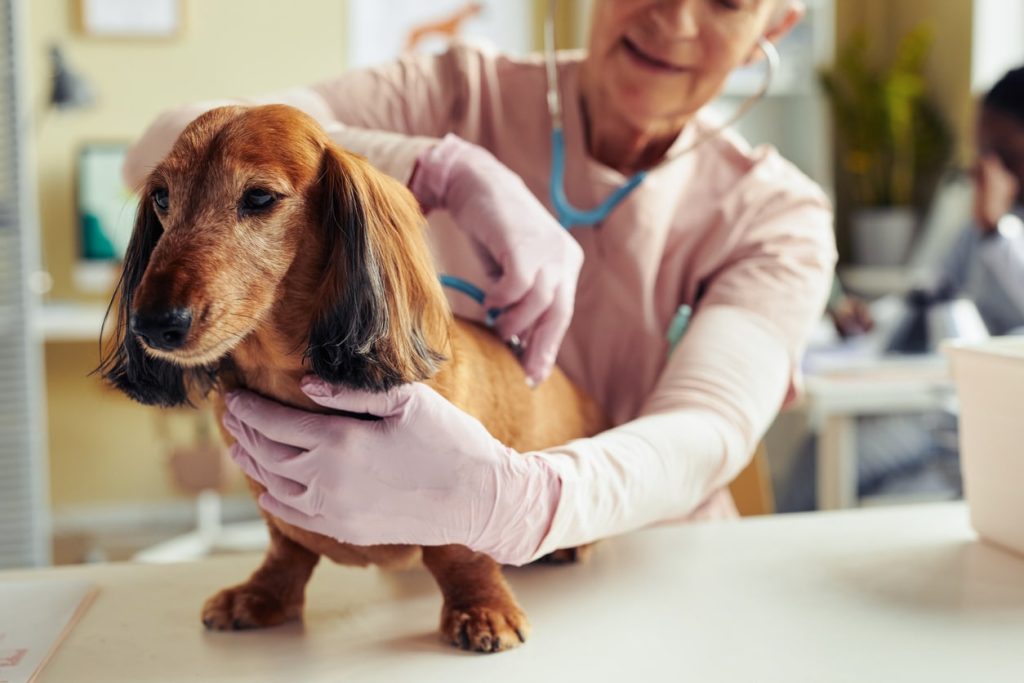
One of the cornerstones of effective preventive care is annual wellness exams. During these check-ups, veterinarians conduct thorough physical examinations, assessing everything from dental health to weight and organ function. Early detection of issues such as dental disease or thyroid conditions can lead to more successful treatments. For example, catching a potential heart murmur during a physical exam allows for monitoring and timely intervention, potentially prolonging your pet’s life.
Importance of Vaccinations
Vaccinations are essential to protecting pets from serious and often fatal diseases. In the United States, vaccines for rabies, parvovirus, and distemper are standard. Rabies, in particular, is not only a concern for pets but also poses a risk to humans, making it a priority for any responsible pet owner. Additionally, certain regions have specific vaccination recommendations, such as the leptospirosis vaccine in areas where the disease is more prevalent. Keeping vaccinations current not only safeguards your pet but contributes to the broader community health by controlling disease outbreaks.
Parasite Prevention
Another vital component of preventive care is parasite prevention. Fleas, ticks, and heartworms can lead to serious health issues if left unchecked. Fleas, for instance, can lead to flea allergies and skin infections, while ticks can transmit Lyme disease. Heartworm disease, transmitted by mosquitoes, can be fatal if not treated—preventive medication is crucial for avoiding costly and painful treatments. Many vet clinics offer packages that include regular parasite screenings and preventative medication, making it easier for pet owners to stay on top of their pet’s health.
Nutrition and Exercise
Moreover, a balanced diet is foundational for maintaining a healthy weight and preventing obesity-related issues like diabetes and joint problems. Many pet foods are specifically formulated to meet the dietary needs of different ages, sizes, and breeds, but consulting with a veterinarian can help you make the best choice for your pet. Furthermore, regular exercise is indispensable. Engaging in daily walks, play sessions, and interactive activities not only aids in weight management but also stimulates mental health, reducing the likelihood of behavioral issues.
Understanding and implementing these preventive care measures empowers pet owners to enhance their pets’ quality of life. A well-informed owner is better equipped to address their pet’s health needs, leading to a happier, healthier existence for their beloved companions. With a proactive mindset, you can significantly contribute to your pet’s long-term well-being, ensuring many joyful years together.
DISCOVER MORE: Click here for essential tips on keeping your pet’s health in check
Key Elements of Preventive Care
To effectively protect our pets from common diseases, it is crucial to establish a holistic approach to preventive care. This encompasses a variety of proactive measures that not only safeguard your pet’s health but also promote a long and vibrant life. Below, we delve into the essential elements of preventive care that every pet owner should consider:
Dental Health Maintenance
Dental health is often overlooked, yet it’s critical for your pet’s overall well-being. Periodontal disease is one of the most common health issues in dogs and cats, with studies showing that over 80% of pets exhibit signs of dental diseases by age three. Regular dental cleanings recommended by your veterinarian, coupled with at-home care like brushing your pet’s teeth, can stave off painful dental conditions and expensive treatments. Furthermore, dental issues can lead to systemic problems affecting the heart, liver, and kidneys, making oral care essential.
Behavioral and Mental Health
Just as with physical health, the mental well-being of pets is equally important. Stress and anxiety can lead to behavioral problems, which may create health risks for your pet. Engaging your pet with regular play and mental stimulation through toys, puzzles, and socialization can prevent these issues from arising. In fact, fostering a stimulating environment reduces the chances of destructive behaviors, providing harmony at home and better overall health for your furry friend.
Consistent Flea and Tick Control
Maintaining a consistent flea and tick control regimen is vital, especially during warmer weather when these parasites thrive. Fleas can lead to serious allergic reactions and tapeworms, and ticks can transmit Lyme disease—a significant risk for both pets and their owners. Utilizing vet-recommended products, such as topical treatments or oral medications, can effectively minimize these risks. Here’s a simple checklist for managing fleas and ticks:
- Use veterinarian-approved flea and tick prevention products throughout the year.
- Regularly check your pet for fleas and ticks after outdoor activities.
- Keep your yard clean and free from debris where pests may breed.
- Schedule routine veterinary check-ups that include parasite screenings.
Hydration and Water Intake
Proper hydration is another critical yet often forgotten aspect of preventive care. Pets may not always drink enough water, especially during hot weather or after exercise. Ensuring your pet has access to fresh water at all times helps maintain their overall health and prevents issues like urinary tract infections and kidney diseases. Always keep an eye on your pet’s water intake and consult your veterinarian if you notice any changes in their drinking habits.
By integrating these key elements into your pet’s healthcare routine, you establish a solid foundation that contributes to their health and happiness. Preventive care is not just about averting illness—it’s about fostering a lifestyle that encourages your pet to thrive, ensuring many joyous years shared together.
| Category | Details |
|---|---|
| Routine Examinations | Regular vet visits help detect potential health issues early. |
| Vaccinations | Keeps pets safe from infectious diseases and maintains their immunity. |
| Parasite Prevention | Protects against fleas, ticks, and worms, which can cause severe health risks. |
| Dental Care | Promotes oral health and prevents ailments that can affect overall well-being. |
| Nutrition | A balanced diet supports immune function and enhances health longevity. |
Preventive care is an essential aspect of maintaining your pet’s health and can significantly reduce the risk of common diseases. By ensuring that your pet receives routine examinations, underlying health issues can be identified before they develop into serious conditions. Furthermore, vaccinations provide vital protection against infectious diseases that could threaten your pet’s life. In addition to these measures, regular use of parasite prevention products is crucial. This not only shields pets from fleas and ticks but also minimizes the risk of serious complications such as Lyme disease or heartworm. Dental care should also be prioritized, as poor oral hygiene can lead to severe health problems beyond just bad breath. Finally, proper nutrition is critical for your pet’s overall well-being, supporting their immune system and enhancing their quality of life. To ensure that your beloved companion remains healthy and happy, delve deeper into each of these preventive measures and consider how they can be integrated into your pet care routine.
DISCOVER MORE: Click here for essential health tips
Nutrition and Diet Management
The role of nutrition cannot be overstated when it comes to preventive care for your pet. A balanced diet tailored to your pet’s specific needs—considering factors such as age, size, breed, and any pre-existing health concerns—is essential for preventing a wide range of health issues. Poor nutrition can lead to obesity, diabetes, and other debilitating conditions that can drastically shorten your pet’s lifespan. To make informed decisions about your pet’s diet, consider these guidelines:
- Consult with your veterinarian to formulate a diet plan that addresses your pet’s nutritional needs.
- Choose high-quality commercial pet foods that meet AAFCO (Association of American Feed Control Officials) standards.
- Monitor portion sizes and avoid overfeeding, which can contribute to obesity.
- Incorporate regular feeding schedules to maintain consistent nutrient intake and digestive health.
Regular Exercise
Physical activity is crucial for a pet’s overall health and well-being. Regular exercise helps maintain a healthy weight, strengthens muscles and bones, and improves cardiovascular health. Lack of physical activity can lead to obesity-related illnesses and behavioral issues, such as anxiety and excessive barking. Here are some tips to promote regular exercise:
- Establish a daily routine that includes walks or playtime tailored to your pet’s energy levels.
- Engage with interactive toys that promote physical and mental activity.
- Consider group activities such as dog parks or agility classes for social interaction and additional exercise.
- Be mindful of environmental conditions; adjust exercise habits based on temperature and weather conditions to keep your pet safe.
Vaccination Protocols
Staying up to date on vaccinations is one of the cornerstones of preventive care. Vaccines protect pets from a variety of diseases, many of which can be severe or even fatal. Core vaccinations, such as those for rabies, distemper, parvovirus, and adenovirus, are generally required, while non-core vaccinations may vary based on lifestyle and geographic location. To ensure comprehensive protection, consult with your veterinarian to create a vaccination schedule tailored to your pet’s needs. Here are some essential points:
- Discuss your pet’s lifestyle with your veterinarian to determine if additional vaccines are necessary.
- Keep a record of your pet’s vaccinations and notify your vet about any reactions post-vaccination.
- Stay informed about emerging diseases and changes in vaccination recommendations.
Routine Veterinary Check-ups
Regular visits to the veterinarian are non-negotiable for effective preventive care. These check-ups allow for early detection of potential health issues and provide the opportunity to discuss any concerns with a professional. Routine exams typically include physical assessments, preventive treatments, and screenings for heartworm, parasites, and other diseases. Aim for at least one veterinary visit annually, or more frequently for senior pets or those with existing health challenges. Consider the following benefits of regular check-ups:
- Establishing a baseline for your pet’s health allows for better tracking of changes over time.
- Veterinarians can stay ahead of seasonal health risks, tailoring preventative measures accordingly.
- Professional grooming and dental cleanings offered during visits can lead to improved hygiene and health.
Employing these preventive care strategies equips pet owners with the knowledge and tools to foster a healthier, happier life for their furry companions. Prioritizing regular veterinary care, tailored nutrition, and active lifestyles can dramatically reduce the risk of common diseases, ensuring a longer, more fulfilling life together.
DISCOVER MORE: Click here for effective dog training techniques
Conclusion
In conclusion, embracing a proactive approach to preventive care is essential for safeguarding your pet’s health and longevity. By implementing a well-rounded strategy that includes a tailored nutrition plan, consistent exercise, timely vaccinations, and routine veterinary check-ups, pet owners can significantly reduce the risk of common diseases and improve their animals’ quality of life. For instance, breeds like Golden Retrievers may be more predisposed to certain cancers, while others, like Bulldogs, can develop respiratory issues. Creating a diet plan that addresses these needs is crucial.
Regular veterinary check-ups are not merely about vaccinations; they are an opportunity to catch potential health issues early. A veterinarian can perform blood tests that may detect kidney or liver problems before symptoms arise. Furthermore, during these visits, discussing your pet’s behavior can highlight any underlying health changes. For example, if a typically playful cat starts hiding frequently, this could be a sign of discomfort or stress that needs addressing.
The Importance of Awareness
Moreover, the importance of awareness cannot be understated. Pet owners are encouraged to stay informed about the specific health risks associated with their pets’ breeds and local environments. Neighborhood conditions, like high pollen counts or heatwaves, can significantly affect your pet’s health. Additionally, keeping up-to-date on pet health trends through resources available from veterinary associations can provide insight into emerging concerns, such as zoonotic diseases, which can affect both pets and humans.
Ultimately, investing time and resources into preventive care yields tremendous returns. It not only enhances the well-being of our furry companions but also strengthens the bond between pets and their owners, fostering a happier, longer-lasting relationship. For example, dogs that are regularly exercised tend to exhibit fewer behavioral problems and greater social compatibility, creating a more fulfilling environment for both pet and owner. As you embark on this journey of proactive pet care, remember: a healthy pet is a happy pet.