Promoting Pet Wellness: Nutrition and Exercise Tips for Adopted Pets
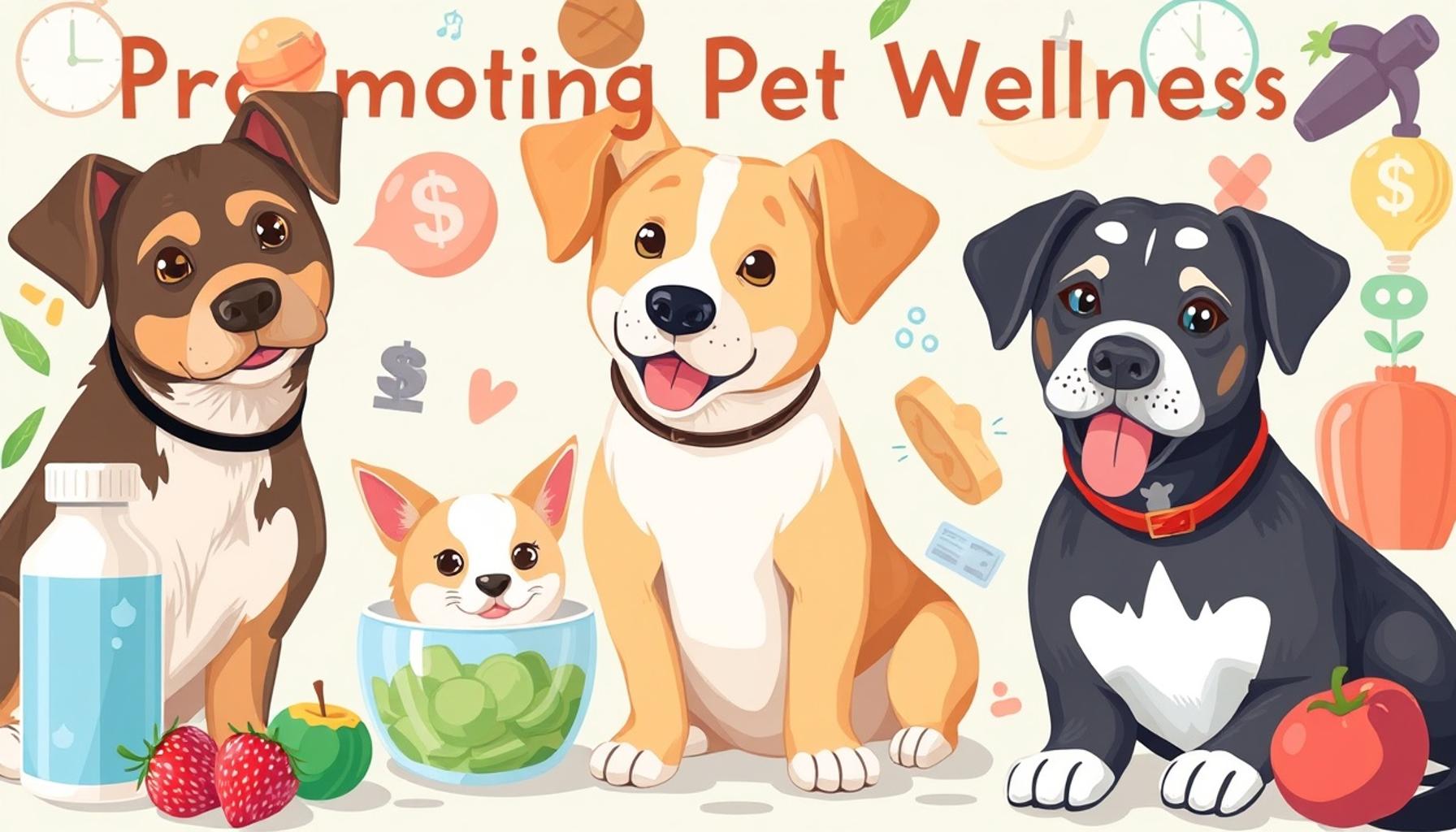
Enhancing the Lives of Our Adopted Pets
Every adopted pet deserves a chance at a vibrant and healthy life. With the right focus on nutrition and exercise, you can significantly improve your pet’s well-being. Let’s explore some essential aspects that contribute to your furry friend’s happiness and health.
Nutrition Matters
Feeding your adopted pet a balanced diet is crucial for maintaining their overall wellness. A well-rounded diet can enhance their energy levels, improve their immune system, and promote healthy skin and fur. Here are some key points to consider:
- Quality Ingredients: Look for pet foods made from high-quality proteins, such as chicken, beef, or fish, and ensure they include whole ingredients like fruits and vegetables. Brands like Blue Buffalo and Wellness are known for using natural ingredients free from artificial flavors and preservatives.
- Specific Needs: Different breeds and ages have varying nutritional requirements. For instance, puppies require more calories and protein for their growth, while senior pets may benefit from diets lower in calories but higher in fiber to promote digestive health. Consulting with your veterinarian can help you tailor a diet that’s just right for your pet.
- Hydration: Adequate hydration is essential for your pet’s overall health. Make sure your pet has constant access to fresh water. Consider using a pet water fountain, which not only encourages them to drink more but also provides oxygenation and keeps the water cooler.
The Power of Exercise
Regular physical activity is as important as nutrition for the well-being of your pet. It helps maintain a healthy weight, reduces the risk of chronic health issues, and diminishes behavioral problems often associated with boredom or anxiety. Here are some effective ways to incorporate exercise into your pet’s daily routine:
- Daily Walks: Aim for at least 30 minutes of brisk walking each day. This not only provides physical exercise but also stimulates mental engagement as they explore new scents and surroundings. Varying the route can keep walks interesting and exciting for both you and your pet.
- Playtime: Engaging in interactive games like fetch or tug-of-war allows for quality bonding time while keeping your pet active. Using toys that promote physical activity, such as a Frisbee or balls, can entice your pet to move and play, boosting their cardiovascular health.
- Obedience Training: Mental stimulation through training sessions can also count as exercise. Teaching your pet new tricks or commands not only sharpens their mind but also allows for physical engagement when you incorporate movement, like rolling over or jumping through hoops.
By adopting these simple yet effective nutrition and exercise tips, you can enhance your adopted pet’s quality of life significantly. Beyond immediate benefits, a healthy diet and regular exercise forge deeper connections between you and your furry companion, fostering a fulfilling relationship. Read on to discover more in-depth strategies for each aspect and how they can lead to a happier, healthier life for your pet!
Essential Ingredients for a Healthy Life
Nourishing your adopted pet with the right nutrition is foundational to their overall health. Understanding what to feed your pet and how to incorporate physical activity into their daily life can significantly affect their longevity and happiness. Below, we delve deeper into the vital components of a fulfilling diet and the importance of exercise for your adopted furry friends.
The Importance of a Balanced Diet
A balanced diet is not just good for humans; it’s vital for our pets as well. Proper nutrition supports growth, aids in digestion, and promotes energy levels, ensuring your adopted pet can enjoy a happy and playful life. Here are some crucial factors to keep in mind when crafting your pet’s meal plan:
- Age and Weight Considerations: Tailor your pet’s diet not only to their species (dog or cat) but also to their age and weight. Younger pets, like puppies and kittens, have higher energy needs and require diets rich in protein and fats for healthy growth. Conversely, older pets often need calorie-controlled diets to prevent obesity-related issues. Always consult with your veterinarian to find the best nutritional fit.
- Ingredient Quality: Opt for premium pet food brands that emphasize whole ingredients without fillers or artificial additives. Foods offering high-quality proteins and beneficial vegetables, such as sweet potatoes and peas, provide the necessary nutrients while keeping your pet’s digestive health in check.
- Portion Control: Overfeeding can lead to obesity, which brings a plethora of health issues, including diabetes, joint problems, and heart disease. Measuring food portions according to your veterinarian’s recommendations and ensuring your pet maintains a healthy weight is essential.
Making Exercise Fun and Engaging
While a nutritious diet is critical, exercise plays an equally important role in enhancing your pet’s physical and mental well-being. Regular physical activity not only helps your pet manage their weight but also reduces anxiety and encourages good behavior. To ensure your pet gets the exercise they need, consider these engaging options:
- Adventurous Outdoor Activities: Take your adopted pet on outdoor adventures! Hiking, swimming, or even playing in the park can provide much-needed exercise while allowing your pet to explore new environments. Dogs benefit greatly from activities that stimulate both their bodies and minds and enjoy the new sights and smells.
- Interactive Games: Incorporating interactive games into your routine can keep your pet entertained while exercising. Toys that encourage chasing or puzzles that stimulate cognitive skills are excellent for engaging your pet both mentally and physically. Plus, setting aside time for regular play can strengthen the bond between you and your pet.
- Socialization: Allowing your pet to socialize with other pets can also foster a love for more active gameplay. Consider arranging playdates with other pet owners or visiting local dog parks where your pet can run around and socialize while burning off extra energy.
Implementing these nutrition and exercise strategies can lead to remarkable improvements in your adopted pet’s life. By focusing on their dietary needs and keeping them active, you set the stage for a healthier, more joyful existence. Stay tuned as we dive deeper into practical tips and advice for further enhancing your pet’s wellness journey!
| Nutrition | Benefits of Proper Diet |
|---|---|
| Balanced Diet | Promotes optimal health and supports the immune system of adopted pets. |
| Nutrient-Dense Foods | Helps maintain a healthy weight and reduces the risk of chronic diseases. |
| Exercise | Importance of Physical Activity |
|---|---|
| Regular Walks | Enhances cardiovascular health and strengthens muscles in adopted pets. |
| Interactive Play | Stimulates mental health and fosters a bond between the pet and their owner. |
Ensuring that your adopted pet receives a nutritious diet and adequate exercise is crucial for their overall well-being. By focusing on balanced meals and engaging physical activities, you can significantly improve their quality of life. Understanding the specific dietary needs based on their breed and age can further assist in providing the right nutrition, ultimately leading to a healthier, happier pet.
The Power of Hydration and Vet Check-Ups
In addition to a balanced diet and regular exercise, hydration and routine veterinary check-ups are crucial aspects of pet wellness that can often be overlooked. Ensuring that your adopted pet has access to clean, fresh water at all times supports their overall health and well-being. Here’s why these elements are vital:
The Importance of Hydration
Water is essential for every living being, including your pets. It aids in digestion, nutrient absorption, and temperature regulation. When pets are dehydrated, they can experience fatigue, kidney problems, and even severe health complications. Here are some tips to promote proper hydration:
- Fresh Water Availability: Always ensure your pet has unlimited access to clean, fresh water. Consider using a pet water fountain; many animals are attracted to flowing water, encouraging them to drink more.
- Monitor Water Intake: Be observant about how much your pet drinks each day. If you notice a significant change in their consumption, it may indicate underlying health issues that require veterinary attention.
- Wet Food Consideration: Incorporating wet food into your pet’s diet can also enhance hydration. Many canned pet foods have a higher moisture content than dry kibble, which can be particularly beneficial for pets who aren’t keen drinkers.
Regular Veterinary Check-Ups
Another fundamental aspect of pet wellness is scheduling regular check-ups with your veterinarian. These visits are essential for catching any potential health issues early and keeping your furry friend in peak condition. Here’s why routine vet visits are critical:
- Preventive Care: Regular veterinary visits allow for vaccinations, parasite prevention, and dental care, which all contribute to your pet’s long-term health. Preventive measures are often easier—and less expensive—than treating diseases later.
- Behavioral Insights: A veterinarian can provide valuable advice on managing any behavioral issues stemming from stress or anxiety, which are common in adopted pets adjusting to new environments. Professional guidance can help you create strategies to comfort your pet and ease their transition.
- Nutrition Guidance: Your veterinarian can also help tailor your pet’s nutritional needs based on their age, breed, and health status. They may suggest dietary adjustments to aid in weight management, enhance coat quality, or address allergies.
Focusing on hydration and regular veterinary check-ups are integral aspects of promoting the wellness of your adopted pet. By ensuring your furry friend has access to fresh water and the necessary medical care, you bolster their health and elevate their overall quality of life.
Understanding Your Pet’s Unique Needs
Every pet is unique, and understanding their individual needs can guide you in crafting a personalized wellness plan. Different breeds and species can have varying dietary requirements and exercise needs. Researching your pet’s specific breed can provide insight into their predispositions and help you make informed choices.
- Breed-Specific Traits: For instance, working dog breeds like Border Collies require more intensive exercise to burn off energy, while lap dogs may thrive on less vigorous activities such as short walks and indoor play. Understand your pet’s breed characteristics to design a suitable exercise routine.
- Behavioral Observations: Pay attention to your pet’s reactions to different activities and foods. Their preferences can help you identify the right kinds of exercises that they enjoy and will stick with long-term, making fitness feel more like fun than a chore.
By also considering your adopted pet’s unique traits and preferences, you can optimize their nutrition and exercise regimens, fostering a healthier lifestyle that suits their individual well-being.
Final Thoughts on Ensuring Your Adopted Pet’s Wellness
In conclusion, promoting pet wellness through nutrition, exercise, hydration, and consistent veterinary care forms a robust foundation for a happy and healthy life for your adopted furry friend. By understanding and catering to their individual needs, whether through breed-specific dietary considerations or personalized fitness routines, you equip your pet with the tools necessary to thrive in their new environment. Remember, a well-nourished and physically active pet is not only more likely to avoid health complications but also to enjoy a fulfilling life alongside you.
Moreover, promoting hydration and establishing a routine of vet check-ups cannot be overstated. These practices play a crucial role in early detection of potential health issues and support overall well-being. Taking the time to monitor your pet’s daily water intake and adjusting their diet to include options like wet food can significantly improve their hydration and overall health.
As a passionate pet parent, it’s essential to foster a lifestyle that nurtures both physical and emotional wellness. Engaging in regular, enjoyable activities not only strengthens the bond between you and your pet but also makes their exercise routine something they look forward to. By committing to a well-rounded plan for your adopted pet, you are enhancing their quality of life, which ultimately benefits you both. As you continue your journey together, always remain vigilant and proactive in ensuring their wellness, creating the captivating, supportive life they deserve.