Recent Trends in Animal Adoption: The Growth of Virtual Adoption and Online Platforms

The Transformation of Animal Adoption
The landscape of animal adoption is evolving rapidly, driven by technology and changing societal norms. With the advent of virtual adoption and the expansion of online platforms, prospective pet owners are engaging with shelters and rescues like never before. This transformative shift is representative of broader changes in how society interacts with animals, aimed at improving their welfare and increasing successful adoptions.
One of the main drivers of this evolution is accessibility. Online platforms allow individuals to browse an extensive array of available pets from shelters across the country, breaking the geographical barriers that once limited adoptions. For instance, websites like Petfinder and Adoptapet aggregate listings from various shelters, allowing users to see animals they may not have otherwise discovered. This could mean an individual in California finds their perfect companion from a rescue in New York, dramatically widening the pool of potential adoptions.
Convenience is another crucial factor in the rise of online adoptions. Prospective families can explore profiles, watch videos showcasing the animals’ personalities, and read heartwarming stories from fellow adopters—all from the comfort of their homes. This eliminates the pressure that some may feel during in-person visits at shelters, allowing families to take their time in making a thoughtful decision. It’s not uncommon for individuals to spend hours assessing options, comparing different pets, and even speaking with online adoption counselors through chat services before making a commitment.
Moreover, the surge in increased awareness surrounding animal adoption can largely be attributed to social media campaigns and online outreach efforts. Platforms like Instagram and Facebook have become essential tools for shelters to showcase their animals. Viral posts can lead to sudden spikes in adoptions and greater visibility for local shelters. For example, a single post featuring a dog on the brink of euthanasia can rally thousands of shares, resulting in a race to find the dog a new home before time runs out.
Statistics highlight this transformation vividly; surveys indicate that over 50% of adoptions now begin with an online search. This shift not only impacts how individuals find pets but also influences how shelters operate and connect with their communities. Many organizations are also adopting new technologies, such as AI-driven match-making tools that help match families with pets suited to their lifestyles, further personalizing the experience.
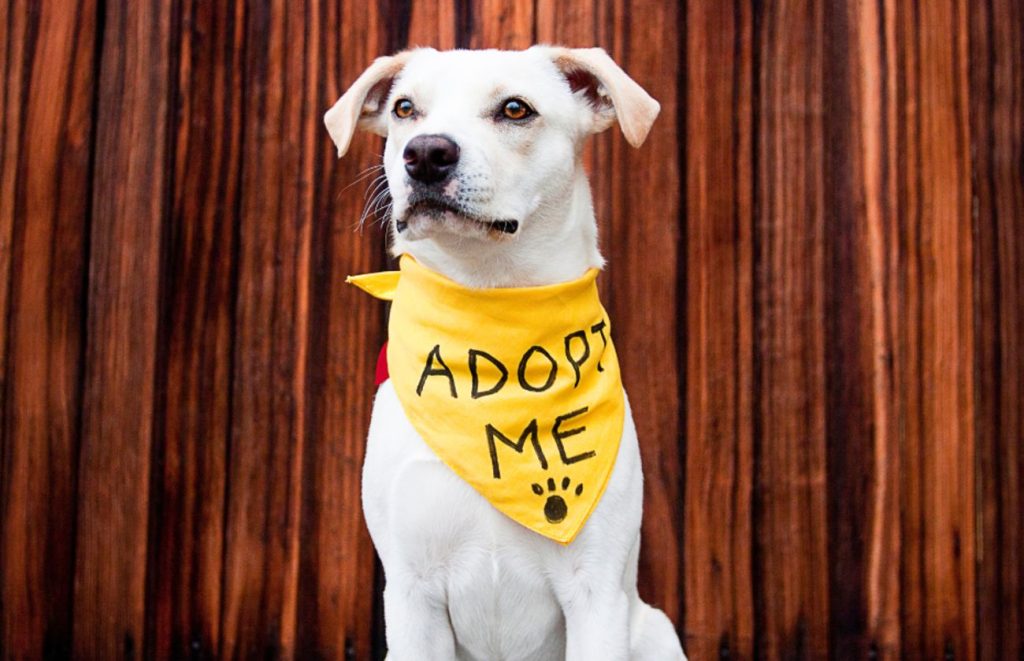
As we delve deeper into this topic, we will explore how virtual adoption plays a crucial role in promoting animal welfare, the features that make online platforms successful, and the implications of this trend for the future of animal adoption in the United States. The intersection of technology and compassion is reshaping the landscape of pet ownership, paving the way for a future where every animal has the chance to find a loving home.
DISCOVER MORE: Click here for expert tips on training your cat to use the litter box
The Rise of Virtual Adoption
As the digital age continues to shape our daily lives, animal adoption is experiencing a profound transformation, largely influenced by the emergence of virtual adoption platforms. These innovations are creating more opportunities for potential pet owners to connect with animals in need, ultimately fostering a more compassionate culture around pet ownership. Let’s delve deeper into how these online experiences are changing not only the way people adopt pets but also redefining their relationships with these animals.
Accessible Information at Your Fingertips
The power of the internet lies in its ability to provide immediate access to a wealth of information. Simple online searches can yield countless options, complete with detailed descriptions and photographs of adoptable pets. This accessibility allows individuals to inform themselves about the responsibilities involved in pet ownership before making a commitment. A few key features of these platforms include:
- Search Filters: Prospective adopters can filter animals by size, breed, age, and location, making it easier to find a perfect match.
- Detailed Profiles: Each animal is typically presented with a profile including background information, temperament, and health status.
- Live Updates: Many shelters update their listings in real-time, allowing users to see which animals are still available.
This access to information not only allows potential adopters to approach the adoption process armed with knowledge but also empowers them to make informed decisions, which is essential for successful long-term placements.
The Role of Virtual Meet-and-Greets
In addition to traditional visits to shelters, many organizations are adopting virtual meet-and-greets through video calls. This allows prospective adopters to interact with animals in a more personal way, even before they step foot in a shelter. These virtual interactions can ease the adoption process by helping families assess compatibility in a low-pressure environment. For example, a busy family might find it easier to schedule a video call than to make a trip to the shelter, especially if they have young children or work commitments.
Moreover, these virtual introductions can provide a preliminary bond, ensuring that families are engaged and excited about their potential new pet. This is especially important for shy or anxious animals who might not show their true personality in a loud shelter environment.
A Community Built on Technology
Online adoption platforms also play a crucial role in creating a community among pet lovers and animal welfare advocates. Social media groups and dedicated forums enable adopters to share their experiences, seek advice, and connect with others who have similar interests. This sense of community enhances the whole experience of animal adoption, making it feel more like a collaborative effort between adopters and shelters.
In summary, the emergence of virtual adoption platforms and online resources is not just a trend; it’s a significant evolution that has reshaped the way individuals approach animal adoption. With increased accessibility, convenience, and a supportive community, more animals are finding loving homes. As we continue to explore these trends, it becomes evident that technology is fostering a culture of compassion, ensuring that every animal has a fighting chance at a better life.
| Advantage | Description |
|---|---|
| Increased Accessibility | Virtual adoption platforms enable potential pet owners to browse available animals from the comfort of their homes, removing geographical barriers. |
| Diverse Options | Online platforms allow users to compare various animals and find breed, size, and age preferences, leading to more informed adoption choices. |
| Fostering Community | Virtual adoption sites create communities where adopters can share experiences and seek advice, enhancing the support system for new pet owners. |
| Cost-Effective | Many online platforms offer low-cost or no-cost adoption fees compared to traditional shelters, making it easier for individuals to adopt pets. |
The transition to online platforms has not only transformed how adoption occurs but has also raised awareness about different kinds of animals available for homes. These platforms are increasingly incorporating virtual meet-and-greet options, where prospective adopters can interact with animals via live video, thus simulating a real-life encounter. The integration of social media marketing has become paramount in promoting not just available pets but also adoption success stories, which can inspire others to follow suit. As these online platforms evolve, they also influence policy changes in animal welfare, driving initiatives that can provide more seamless adoption processes. Understanding these aspects is crucial for recognizing the momentum behind virtual adoption trends.
LEARN MORE: Click here for essential insights
Empowering Adopters Through Education and Resources
As the landscape of animal adoption evolves, a significant trend is the focus on education and resources provided through online platforms. Many shelters and rescue organizations are now incorporating educational content into their virtual spaces, recognizing that informed adopters are crucial for reducing the number of animals returned to shelters. Resources include articles, videos, and webinars on topics such as proper care, behavioral training, and health management. This type of content not only prepares potential pet owners but also helps them understand the long-term commitment involved in adoption.
Success Stories Highlighting Adoption Journeys
Another innovative aspect of online platforms is the inclusion of success stories from previous adopters. These narratives create a powerful emotional connection, showing how transformative the experience can be for both pets and families. By sharing real-life testimonials, platforms illustrate the joys and challenges of pet ownership and build trust within the community. Adoption agencies often feature stories with before-and-after photos that not only spotlight the pet but also enhance the narrative around pet rescue, paving the way for new adopters to embrace the journey. This form of storytelling can be particularly compelling for individuals who may be hesitant about adopting, providing the motivational push they need to take action.
Collaboration with Local Businesses
The growth of virtual adoption platforms has led to exciting collaborations with local businesses. Many shelters have started partnerships with pet supply stores, veterinary clinics, and trainers to create a comprehensive post-adoption support system. This means that when someone adopts a pet, they often receive perks such as discounts or free services that encourage ongoing education and proper care. Such partnerships not only benefit the adopters but also strengthen community ties, reinforcing the idea that pet ownership is not just a personal journey but also a shared community effort.
Data-Driven Approaches for Better Matching
Technology has enabled a more data-driven approach to pet adoption. Some platforms utilize algorithms to match prospective pet owners with suitable animals based on preferences, lifestyle, and even personality traits. This scientific method of pairing not only increases the chances of successful adoptions but also minimizes the chances of returns, which can be detrimental to animals. By analyzing user behavior and feedback, organizations can continuously improve their matching processes, ultimately leading to happier pets and owners. With growing awareness about the importance of compatibility, this trend highlights the intersection of technology and empathy in animal rescue initiatives.
Engaging Virtual Events and Fundraisers
In the spirit of creating connected communities, virtual events have skyrocketed in popularity. Many organizations now host online fundraisers such as virtual galas, auctions, or even dog-walking challenges that encourage participation while raising awareness and funds for animal rescue. Social media campaigns surrounding these events help create buzz and foster a sense of urgency, drawing in potential adopters who may not have previously considered adoption. The interactive element of these online events not only elevates awareness regarding animal welfare issues but also provides easy access for individuals who may feel intimidated by traditional fundraising methods.
As these trends take root, it becomes clear that virtual adoption and online platforms are not just convenient alternatives; they represent a fundamental shift in how society approaches animal welfare and adoption. With technology playing a pivotal role, the future looks promising for animals in need of loving homes and for individuals seeking to enrich their lives through the companionship of a pet.
DISCOVER MORE: Click here for effective puppy training techniques
Conclusion: The Future of Animal Adoption in a Digital Age
In conclusion, the recent trends in animal adoption reflect a significant evolution in how we connect with and care for our furry companions. The growth of virtual adoption and the rise of online platforms have transformed traditional methods, making the adoption process more accessible and engaging than ever. This innovative approach not only simplifies the search for a pet but also empowers potential adopters through a wealth of educational resources, success stories, and community collaborations.
The integration of technology has allowed both organizations and adopters to utilize data-driven approaches for better matching, thereby enhancing the chances of lasting bonds between pets and their new families. Moreover, the fostering of communal ties through partnerships with local businesses and interactive virtual events demonstrates that animal adoption is a collective effort, encouraging a shared responsibility for the well-being of animals.
As we look ahead, the implications of these trends are vast. They pave the way for a future where pet adoption is synonymous with education and community support. Such initiatives not only work towards reducing the number of animals in shelters but also cultivate informed, dedicated pet owners who understand the profound commitment required in sharing their lives with these animals. By embracing these changes, we can ensure a brighter future for countless pets awaiting loving homes and families that will cherish them. In this digital age, the possibilities for animal adoption are endless, inviting all to explore and become part of this meaningful journey.