Socialization Strategies for Kittens: Ensuring Happy, Healthy Companion Animals
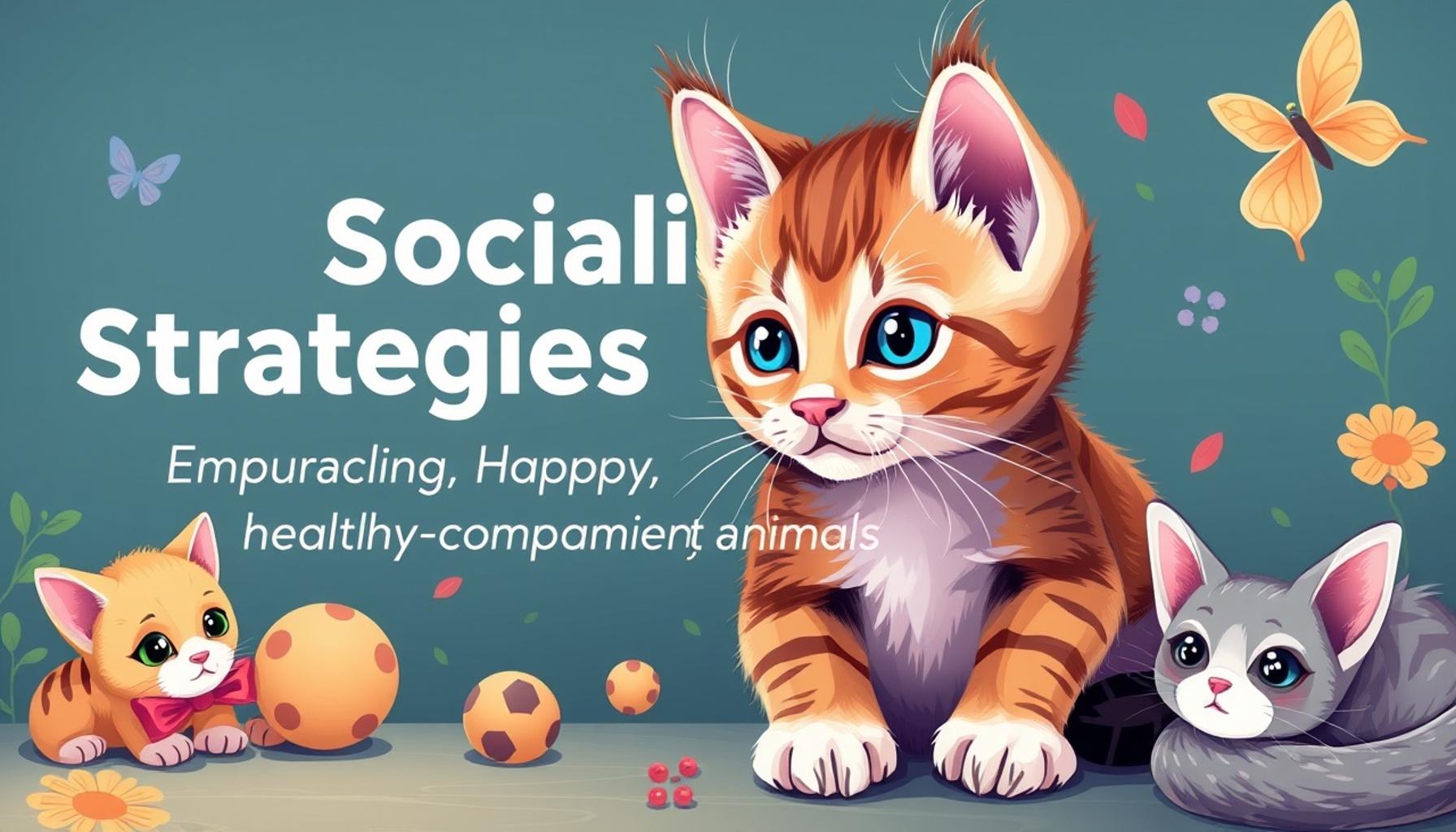
The Importance of Kitten Socialization
Introducing a kitten into your home is not just a delightful experience; it represents an opportunity to shape the personality and behavior of a future feline companion. Proper socialization strategies employed during the critical early weeks of a kitten’s life can significantly influence their ability to adapt to various environments and situations. This phase is vital for developing a confident, friendly, and resilient adult cat.
Socialization is more than just fun and games; it’s about building a healthy relationship between your kitten and the world around them. When discussing effective socialization, several key components stand out:
- Early Exposure: From their very first days with you, kittens should be gently introduced to an array of stimuli, including different sounds—like vacuum cleaners, doorbells, or the chatter of television shows. Observing various sights, such as moving cars or other pets, can help kittens adapt to their surroundings. Even meeting different types of people, including men, women, and children, can foster a sense of security.
- Positive Interactions: Playdates with other friendly pets or supervised interactions with children can create positive associations. For instance, allowing your kitten to meet a calm older cat or a gentle dog can demonstrate social cues and behaviors. These interactions should be stress-free; if a kitten feels threatened or scared, it can result in lasting anxiety toward unfamiliar creatures.
- Playtime: Engaging in interactive play is essential not only for physical health but also for building confidence. Toys like feather wands or laser pointers provide opportunities for kittens to practice hunting behaviors in a safe environment while simultaneously solidifying their bond with you. Furthermore, incorporating puzzle toys can stimulate their minds, promoting mental well-being.
By focusing on these core strategies, you are effectively laying the groundwork for your kitten’s development, which can lead to measurable improvements in behavior and temperament. Research has shown that well-socialized kittens are less prone to issues such as aggression, fearfulness, or anxiety as they grow older. A proactive approach to socialization not only benefits the cat but enhances the overall dynamics of your household.
In a pet-loving country like the United States, where millions open their hearts and homes to furry companions, understanding socialization techniques is paramount for new kitten owners. Implementing these practices can drastically improve the quality of your kitten’s life and nurture a loving, secure, and lifelong bond between you and your pet. Ultimately, the more prepared you are, the richer the experience will be for both you and the adorable furball you’re welcoming into your family.
Key Socialization Techniques for Kittens
Understanding the intricacies of kitten socialization goes beyond merely exposing your furry friend to different sights and sounds; it involves a comprehensive strategy that fosters emotional well-being and adaptive behaviors. As your kitten begins to explore their new environment, implementing effective socialization techniques can help ensure that they grow into a well-rounded adult cat. Here are several crucial methods to consider:
- Creating a Safe Space: First and foremost, every kitten needs a designated safe area within your home where they can explore freely yet retreat when feeling overwhelmed. This could be a cozy corner equipped with soft bedding, toys, and scratching posts. When kittens know they have a sanctuary, they are more secure in social interactions and less likely to react with fear or aggression.
- Structured Introductions: When introducing your kitten to new experiences or individuals, a structured approach is vital. Start by allowing your kitten to observe new people and situations from a distance. Gradually decrease the distance as they become more comfortable. For instance, invite a calm friend to sit quietly in a room, letting your kitten approach at their own pace. This promotes a positive initial interaction without causing undue stress.
- Routine Handling: Frequent handling is critical for reducing anxiety in cats, especially during vet visits or grooming. Get your kitten accustomed to being held and gently manipulated when they are calm. Massage their paws and explore their ears and tail—this not only helps them get used to handling but also strengthens the bond between you and your pet.
- Utilizing Sound Exposure: Since kittens are naturally curious, introducing them to various sounds can aid in desensitization. Play recordings of typical household noises—like thunder, construction work, or even bustling city sounds—at a low volume. Gradually increase the volume as your kitten becomes more acclimated to these stimuli, reinforcing their confidence with each session.
- Encouraging Exploration: Encourage your kitten to explore different textures and environments. This could involve supervised outdoor time on a harness or allowing them to investigate different rooms in your house. Incorporating items like crinkly tunnels, cardboard boxes, or varying types of flooring can pique their interest, fostering confidence in new and varied surroundings.
Each of these strategies plays a pivotal role in establishing a solid foundation for your kitten’s social development. When you prioritize these elements, you will not only witness a more adaptable and less anxious cat but also enhance your own experience as a pet owner. Studies indicate that a well-socialized kitten is less likely to exhibit behavioral problems as they age, which is a significant benefit for both pets and their owners.
The joy of sharing your life with a well-adjusted kitty is profound. By implementing complementary socialization strategies early on, you are crafting a reliable companion that can thrive in a home filled with love and active engagement. As you embark on this journey with your new feline friend, remember that patience and consistency are your greatest allies.
| Socialization Techniques | Benefits for Kittens |
|---|---|
| Early Exposure to Various Environments | Promotes adaptability to different settings, reducing anxiety as they grow. |
| Interactive Playtime with Different People | Enhances their social skills, leading to a more outgoing personality. |
| Positive Reinforcement Training | Builds trust and strengthens the bond between kittens and their owners. |
| Introducing Other Pets Gradually | Helps in creating a harmonious multi-pet household. |
Socialization strategies are essential for kittens to grow into well-adjusted adult cats, improving their quality of life. Early exposure to various environments is crucial; kittens that experience different sounds, sights, and people are less likely to develop anxiety disorders later on. Furthermore, engaging with a variety of individuals through interactive play helps kittens develop their social skills. Through this play, they learn to communicate more effectively with humans and other pets, which is invaluable for their overall emotional health. Utilizing positive reinforcement training techniques enhances trust between kittens and their guardians. This method not only promotes good behavior but also fosters a loyal bond. Finally, while introducing other pets, a gradual approach ensures a smooth transition, allowing for an environment where all animals can thrive happily together. By implementing these strategies, you’re investing in your kitten’s future well-being and happiness.
Advanced Socialization Strategies for Kittens
Once basic socialization techniques are in place, it’s time to delve into more advanced strategies that will refine your kitten’s development into a sociable and adaptable cat. These methods encourage not only gradual exposure to the world around them but also foster confidence and resilience in your kitten. Here are some enriching practices to include in your socialization regimen:
- Positive Reinforcement Training: Utilizing positive reinforcement is a potent way to cultivate good behavior in kittens. Implement short training sessions using treats or praise for desired actions such as coming when called, or responding to their name. Not only does this create a solid foundation for obedience and communication, but it also instills a sense of accomplishment in your kitty, making them more eager to engage socially.
- Encouraging Interaction with Other Cats: If possible, expose your kitten to well-socialized adult cats. This can be particularly beneficial as older cats can serve as role models. Watching and emulating their behavior can teach your kitten valuable social cues. Arrange playdates with friendly cats or visit local cat cafés that encourage feline interactions. Ensure these introductions are supervised to create a safe environment for all involved.
- Group Play Sessions: Join or organize playgroups where kittens and young cats can interact. This experience will introduce them to other cats in a structured environment, allowing for the development of playful social skills. Supervised play can be instrumental in allowing kittens to navigate feline hierarchies and understand peer interactions, building confidence as they learn to communicate through body language.
- Field Trips: For kittens that are already accustomed to basic experiences, consider short outings to diverse environments like pet-friendly parks or pet supply stores. These excursions present new stimuli and opportunities for socializing with other pets and people in a controlled setting. Always use a secure carrier or harness to ensure their safety during these outings.
- Handling Different People: Gradually introducing your kitten to a range of people, including children and individuals with different appearances (such as people wearing hats or sunglasses), can help them become more versatile in their social interactions. This method reduces the likelihood of fear-based behaviors as they learn that different people can also be positive experiences. Reward calm behavior with treats to reinforce their positive associations.
These advanced techniques not only enhance the socialization process but also lay the groundwork for confident, well-adjusted cats. As kittens experience varied environments, interactions, and stimuli, they build a robust framework for emotional stability and adaptability. With each positive experience, your kitten is better equipped to handle the complexities of life in a multi-faceted world.
Moreover, studies show that well-socialized kittens tend to develop attachments more easily and exhibit fewer behavioral issues as they mature. The commitment to fostering your kitten’s social skills ultimately leads to a delightful companionship characterized by mutual trust and understanding. The journey of socialization is not just about exposure; it’s about igniting your kitten’s natural curiosity and encouraging an enduring sense of adventure in their everyday lives.
Conclusion
In conclusion, socialization strategies for kittens play a pivotal role in shaping them into well-adjusted, happy, and healthy companion animals. From the early days of handling and exposure to different experiences, to implementing advanced techniques like positive reinforcement training and encouraging interactions with other cats, each step lays the groundwork for a confident feline. The importance of early socialization cannot be overstated, as it directly influences their behavior and ability to form meaningful bonds throughout their lives.
The variety of approaches highlighted throughout this article—from group play sessions to enriching field trips—provides a comprehensive toolkit for any cat owner. By proactively fostering a kitten’s social skills, you not only reduce the risk of future behavioral issues but also enhance their adaptability to various environments and situations. Well-socialized kittens develop a sense of trust and resilience, which is invaluable as they grow into adults.
Moreover, the investment in your kitten’s social education can lead to a more harmonious household, filled with joy and companionship. As you embark on this journey, remember that patience, consistency, and love are essential components of successful socialization. By embracing these strategies, you’re not just raising a pet; you are nurturing a lifelong friend capable of enriching your life in countless ways. The extraordinary bond formed through thoughtful socialization ultimately translates to a rewarding experience for both you and your feline friend.