Socialization Strategies for Puppies: Preparing Your Dog for the World

A Deeper Dive into Puppy Socialization
Welcoming a puppy into your home is an exhilarating journey filled with moments of joy and companionship. However, sorting through the delightful chaos requires more than just an abundance of love and care; it calls for a critical component known as socialization, which is essential for your puppy’s development into a well-rounded dog.
The Impact of Early Socialization
Socialization involves exposing your puppy to a variety of environments, people, other animals, and situations. This exposure is crucial as it helps them develop confidence, learn proper behaviors, and navigate through various experiences. Consider the following significant benefits of effective socialization:
- Reduces Fear: Puppies that undergo adequate socialization are less likely to develop phobias as they grow older. For instance, a young dog that experiences different sounds—like loud thunderstorms or bustling city streets—will be more likely to stay calm and collected during such events in the future.
- Prevents Aggression: Exposing a puppy to diverse social interactions reduces the chances of anxiety and aggressive responses toward unfamiliar people or situations. A puppy that meets a variety of people, including children, elderly individuals, and other dogs often learns to accept these encounters, which can significantly diminish fear-based aggression.
- Enhances Training: Socialized puppies tend to be more receptive to training. A dog that is comfortable around various stimuli is less likely to be distracted, making education sessions more effective. For example, socialized dogs are more likely to focus on their owner’s commands amidst distractions such as loud noises or the presence of other pets.
When to Initiate Socialization
The critical window for socializing your puppy lies within their first few months of life. Experts recommend starting this process as early as:
- 3-12 Weeks: This age range is particularly vital for shaping social skills. Puppies are usually more impressionable during this time and are eager to explore the world.
- Exposure to Different Experiences: Incorporate various experiences, like car rides to different locations, visits to dog-friendly parks, and interactions with diverse groups of people. Activities such as attending local dog shows or participating in puppy training classes can further enrich their social exposure.
Equipping your puppy with essential social skills not only improves their well-being but also elevates the quality of your shared life. As you explore the tactics for effective socialization, you’ll uncover invaluable insights that can lead to the development of a confident and well-adjusted canine companion. Remember that the investment in socialization will pay dividends throughout your puppy’s lifetime, fostering a happier and more fulfilling relationship between you and your furry friend.
DISCOVER MORE: Click here to learn effective training techniques
Effective Techniques for Puppy Socialization
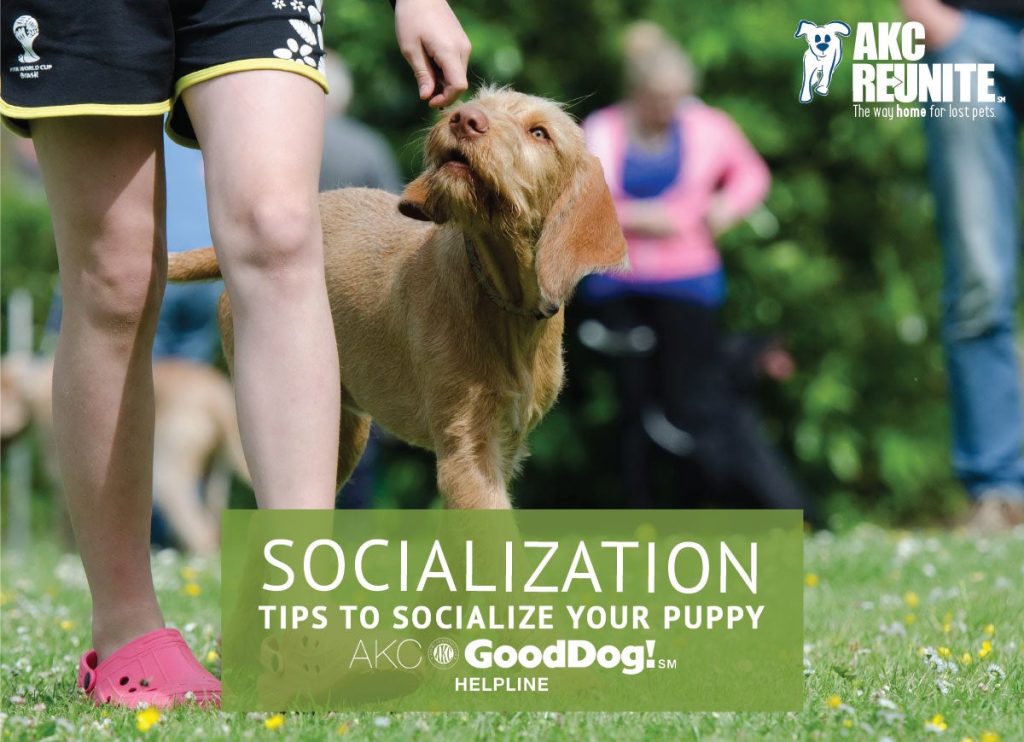
Successfully socializing your puppy goes beyond mere exposure; it requires intentional strategies to ensure they absorb and react positively to various experiences. Understanding the nuances of puppy behavior and their developmental stages allows you to tailor your approach for maximum effectiveness. Below are some socialization strategies that will help prepare your puppy for a world filled with diverse situations and interactions.
Structured Playdates
One of the most effective ways to socialize your puppy is through structured playdates with other well-mannered dogs. It’s crucial to choose playmates that exhibit gentle, playful behaviors to provide a safe environment. Here’s why organized interactions are beneficial:
- Encourages Healthy Behavior: Well-trained dogs can model appropriate behaviors, showing your puppy how to interact without fear or aggression.
- Promotes Confidence: Interacting with a variety of dogs helps build self-assurance. A confident dog is more likely to approach new situations without trepidation.
- Helps with Bite Inhibition: During play, puppies learn to control their bite, an essential skill for preventing injuries during future interactions.
Exposure to Various Environments
In addition to playdates, exposing your puppy to a variety of environments can enrich their socialization experience. Here are some vital locations to consider:
- Pet-Friendly Parks: Visiting dog parks allows your puppy to experience a variety of scents, sounds, and other animals while engaging in healthy, supervised play.
- Shopping Centers: Take your puppy on errands to places that welcome pets, such as pet supply stores or outdoor cafés. This exposure introduces them to bustling environments while promoting calmness amidst distractions.
- Neighborhood Walks: Regular walks around the neighborhood expose your puppy to different stimuli, including various people, other pets, vehicles, and noises like bicycles or lawnmowers.
Positive Reinforcement Techniques
Utilizing positive reinforcement techniques is essential for effective socialization. Each time your puppy demonstrates good behavior in a new situation, reward them with praise, treats, or play. This approach encourages them to associate new experiences with positive outcomes, further bolstering their confidence. For instance, when your puppy greets new people calmly, shower them with affection or a favorite treat, reinforcing the desired behavior.
By incorporating these socialization strategies, you set the stage for your puppy to become a well-adjusted adult dog. The first few months of their life hold a wealth of learning opportunities, and these structured experiences will serve them throughout their lifetime. Engaging with your puppy during this critical phase not only enhances their social skills but also deepens the bond between you. Remember, investing time and effort in your puppy’s socialization is one of the most significant gifts you can give them for their future. With the right strategies in place, you are enabling them to thrive in an ever-changing world.
Socialization is a critical process that helps puppies develop into well-adjusted adult dogs. By exposing them to various environments, people, and other animals from an early age, you can significantly reduce the likelihood of fear-based behaviors and aggression later in life. Early socialization not only enhances their confidence but also ensures that they can interact positively with others.
One key aspect of effective socialization strategies is incremental exposure. Gradually introducing your puppy to new sights, sounds, and experiences allows them to build a positive association with their environment. For instance, taking your puppy on outings to different locales, such as parks, busy streets, or pet-friendly events, can be incredibly beneficial. The more diverse their experiences, the better equipped they will be to thrive in various situations.
In addition to environmental exposure, positive reinforcement is fundamental in shaping a puppy’s behavior. Reward-based training encourages desirable actions, making your puppy associate new experiences with positive outcomes. This method is particularly useful in teaching puppies how to interact appropriately with other dogs. Arranging playdates with well-mannered dogs can help them learn social cues, while supervised interactions ensure safety and reinforce positive behavior.
Another effective strategy is enrolling your puppy in a puppy kindergarten class. These classes provide controlled settings where puppies can interact with peers and learn essential commands under the guidance of experienced trainers. Such structured socialization ensures that your puppy has constructive and supervised interactions, which is crucial for their development. Additionally, these environments often address common behavioral concerns, providing tips for owners on how to handle various situations their puppies may face.
Lastly, remember that every puppy is unique. Monitoring their reactions and adjusting your approaches is vital to ensure that the socialization process is beneficial and not overwhelming. By employing these socialization strategies, you are setting your puppy up for a lifetime of confidence and sociability as they navigate their world.
| Category | Description |
|---|---|
| Incremental Exposure | Introducing new experiences gradually to build confidence. |
| Positive Reinforcement | Encouraging desirable behavior through rewards and praise. |
| Puppy Kindergarten | Structured classes for guided socialization and training. |
| Unique Approaches | Customizing strategies based on your puppy’s personality and comfort level. |
LEARN MORE: Click here for essential pet health information
Expanding the Horizons of Puppy Socialization
As you embark on the journey of socializing your puppy, expanding their exposure beyond basic interactions can truly enrich their development. Not only does this foster positive behaviors, but it also shapes their adaptability and resilience in a complex world. Here are some advanced socialization strategies that can further equip your puppy for a lifetime of positive encounters.
Group Training Classes
Enrolling your puppy in group training classes serves a dual purpose: it teaches them essential obedience skills while simultaneously exposing them to other dogs and people in a structured environment. The benefits of group classes include:
- Social Interaction: Classes are bustling with activity, providing your puppy with ample opportunities to meet other dogs and people while under the guidance of a professional trainer.
- Controlled Environment: Training in a formal setting allows for controlled distractions, making it easier for your puppy to learn how to focus amidst excitement.
- Building Trust: Working together in a class fosters trust between you and your puppy, as they learn to look to you for guidance in novel situations.
Field Trips to Unfamiliar Locations
Take your puppy on field trips to unfamiliar locales, such as playgrounds or beaches, where they can experience different sights and sounds. These adventures can help achieve greater confidence and adaptability. Focus on:
- Surreal Environments: Urban settings with busy streets, construction sites, or bustling farmers’ markets can present unique challenges that help develop your puppy’s resilience.
- Multisensory Experiences: Visiting places like open fields or nature trails can introduce your puppy to various natural sounds, smells, and terrain, enriching their sensory awareness.
- Interactive Experiences: Set up structured encounters with friendly individuals and children, teaching your puppy how to react positively to varying interactions.
Encouraging Handling and Grooming
A crucial component of a well-socialized puppy is their comfort with being handled. Regular grooming and vet visits often lead to stress if your dog is not accustomed to such interactions. To promote positive handling experiences, consider:
- Frequent Touch Sessions: Gently handle your puppy’s paws, ears, and tail, introducing them to different grooming tools like brushes and combs to normalize these experiences.
- Sensory Introduction: Expose your puppy to various textures, including soft blankets or plastic surfaces, helping them develop a broad understanding of physical sensations.
- Vet Visits as Social Outings: Make visits to the vet an opportunity for rewards and praise, allowing your puppy to associate the environment with positive experiences.
Exposure to Everyday Scenarios
Integrate exposure to everyday scenarios into your routine, where your puppy learns to navigate typical American life. Some suggestions include:
- Crowded Events: Attend local events, fairs, or parades, where your puppy can encounter large crowds, loud noises, and unfamiliar objects.
- Meeting Diverse People: Encourage interactions with people of all ages, backgrounds, and appearances to help your puppy learn to accept and embrace diversity.
- Adventurous Travels: As your puppy grows, take them on road trips or camping excursions, allowing them to experience various environments and lifestyles.
By incorporating these advanced socialization strategies, you can create a well-rounded puppy that is not only ready to face the world but thrives within it. Every positive interaction fuels their confidence and understanding, laying a solid foundation for their future as a friendly, adaptable adult dog.
DISCOVER MORE: Click here for essential tips
Conclusion: The Path to a Confident Canine Companion
In summary, embarking on the journey of socialization strategies for puppies is a vital step in nurturing a well-adjusted dog capable of thriving in varied environments. By incorporating a range of experiences—from group training classes and field trips to everyday scenarios—you lay the groundwork for your puppy to become a confident member of society. Each interaction not only builds their social skills but also enhances their adaptability and resilience, essential traits for navigating the challenges of life.
Furthermore, the emphasis on handling and grooming acclimatizes your puppy to routine activities, reducing the chance of stress and anxiety during regular vet visits or grooming sessions. By exposing them to diverse people, surroundings, and experiences, you empower them with the ability to confront new situations with curiosity rather than fear.
As you implement these advanced strategies, remember that consistency and patience are key. The stronger the foundation you build, the better equipped your puppy will be to engage with the world around them. Each step taken in this process contributes to their overall well-being and character formation, ensuring they grow into loving, social, and adaptable adult dogs.
So, take the time to explore and engage in these enriching experiences with your puppy. The effort you invest now will undoubtedly pay off in the form of a well-socialized, confident companion ready to take on the world alongside you.