The Benefits of Socialization for the Mental and Behavioral Health of Pets
Understanding the Importance of Socialization for Pets
Every pet owner desires a happy, healthy companion. One way to achieve that is through effective socialization. This crucial aspect of pet care goes beyond mere playdates and is integral to enhancing your pet’s quality of life. Socialization encompasses a variety of interactions, including meeting other animals and humans, encountering different environments, and experiencing a range of stimuli. These interactions significantly affect your pet’s mental and behavioral health.
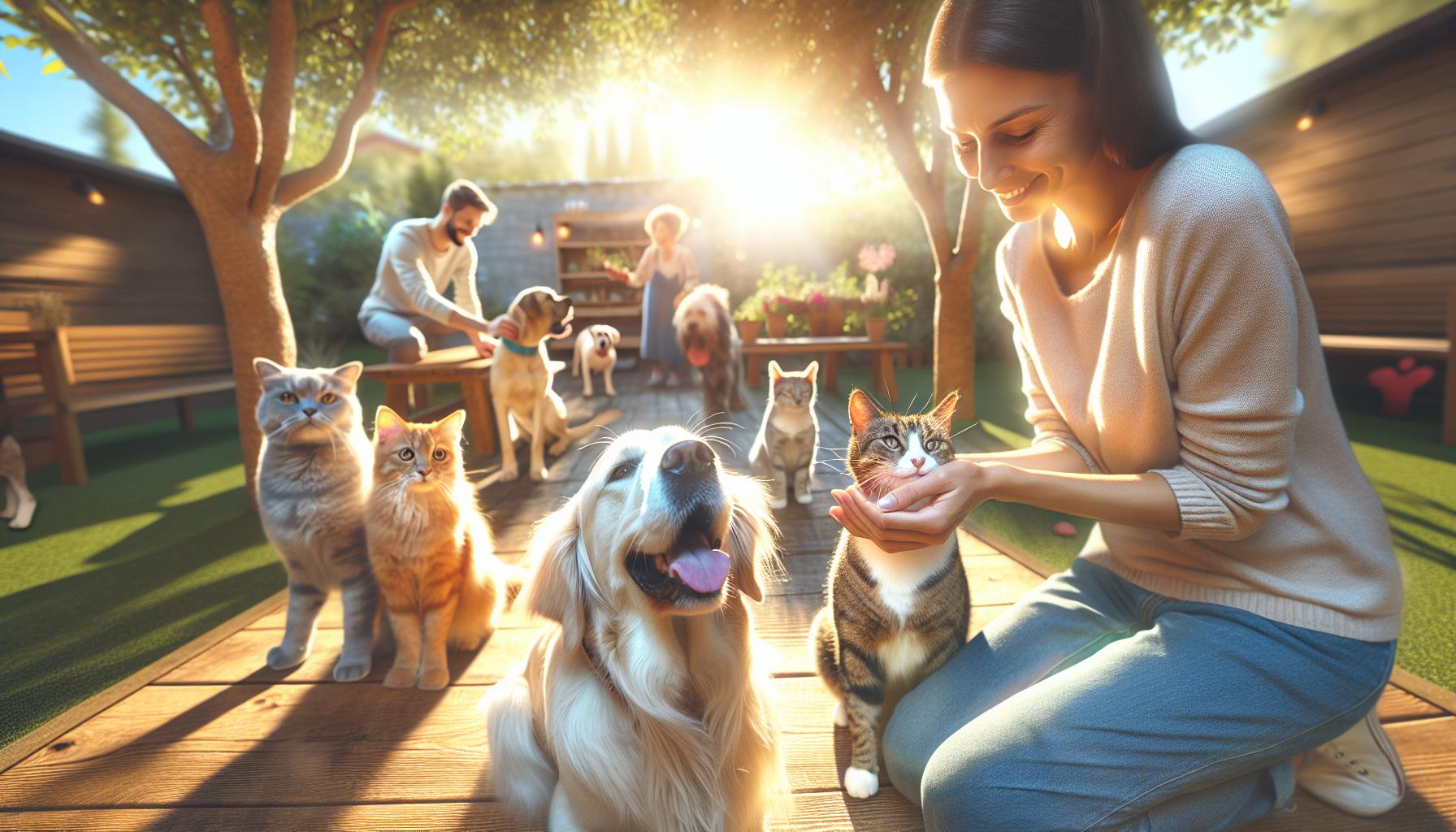
Picture a scenario where your dog happily greets other pups at the park, wagging its tail with enthusiasm, or your cat comfortably explores a diverse group of visitors. These positive experiences can lead to a multitude of benefits, including:
- Reduced Anxiety: Regular socialization helps pets to acclimate to different environments and situations. For example, a dog exposed to the sights and sounds of a busy street will be less likely to become fearful or aggressive when they encounter similar situations in the future.
- Better Behavior: Well-socialized pets typically exhibit fewer behavioral issues such as aggression, excessive barking, or shyness. This can be particularly important when welcoming guests into your home or training your dog in public spaces.
- Improved Confidence: Continuous interaction with people and other animals builds a pet’s self-esteem, equipping them to handle changes more effectively. A confident pet is less likely to panic in unfamiliar situations, contributing to a more harmonious living environment.
Research indicates that pets who experience regular socialization activities tend to lead fulfilling lives and are less likely to develop serious mental health issues compared to those left isolated. According to a study published by the American Veterinary Medical Association, socialized pets endure less stress which positively influences their overall demeanor. This not only benefits the pets themselves but also alleviates the anxiety of pet owners. When pets are confidently socialized, stress levels drop during veterinary visits or when traveling.
Understanding how to effectively socialize your pet can significantly transform their daily life, leading to a happier existence for both you and your furry friend. Strategies for fostering a rich social environment include taking your dog to dog parks, enrolling in obedience classes, or arranging playdates with socialized pets. For cats, gentle introductions to new humans and controlled interspecies interactions can promote better adjustment.
This article will delve deeper into the multiple benefits of socialization and provide practical tips to create a supportive atmosphere for your beloved pet. With intentional efforts, you can unlock a world of happiness for your companion. Socialization is not just an advantage; it’s a necessity in ensuring a well-rounded, joyful pet.
DON’T MISS: Click here to learn more about how nutrition impacts your pet’s mental health
The Multifaceted Benefits of Socialization
Socialization can be viewed as a cornerstone of good mental and behavioral health for pets. When we talk about the benefits of socialization, it’s essential to recognize that it involves more than just meeting new friends at the park. It plays a crucial role in the emotional and psychological development of animals from a very young age. For puppies and kittens, early socialization can set the tone for their entire lives, shaping their responses to various stimuli and interactions.
The American Animal Hospital Association (AAHA) recommends that pets, especially dogs and cats, undergo socialization during their formative months. Scientific studies have shown that pets who receive proper socialization are less likely to develop behavioral issues as they grow older. Here are several ways in which regular socialization positively impacts pets:
- Enhanced Adaptability: Pets that are accustomed to different environments—like busy streets, crowded parks, and various household sounds—tend to be more adaptable. This adaptability reduces the chances of developing anxious behaviors when they encounter new situations.
- Strengthened Bonds: Socializing your pet with other animals and people helps cultivate strong relationships. A pet that enjoys their time with other canines or humans is likely to form a deep bond with their owner and the people around them, establishing trust and loyalty.
- Preventative Behavior Management: Engaging pets in regular playdates or training sessions can prevent behavioral issues before they manifest. Socialized pets are typically less prone to engage in disruptive behaviors, such as excessive barking or destructive chewing, making them more relaxed companions.
Moreover, pets that experience healthy social interactions can find comfort in their companionship with other animals. Various studies highlight that socially active pets showcase fewer signs of loneliness or stress, which can mitigate the risk of depression. A survey conducted by the American Pet Products Association revealed that 67% of U.S. households own a pet, which indicates a significant population that could benefit from understanding the importance of socialization.
Creating opportunities for socialization can be uncomplicated. Regular visits to dog parks, scheduling playdates with well-mannered dogs, or enrolling your pet in training courses can foster social skills effectively. For feline companions, controlled introductions to family members or other animals in the household can create enriching experiences. As a pet owner, taking these proactive steps can lead to profound changes in both your pet’s behavior and mental health.
Ultimately, investing time in socialization not only enhances your pet’s quality of life but also contributes to a stress-free environment for humans. When pets are happier and healthier, the entire household often feels the uplifting effects. As you continue exploring the various dimensions of socialization, you’ll discover a wealth of strategies to enrich your pet’s experience and strengthen your bond.
| Advantages of Socialization | Key Aspects |
|---|---|
| Enhanced Behavioral Skills | Socialized pets often exhibit improved behavioral traits, becoming more adaptable and less anxious in unfamiliar environments. |
| Reduction of Stress | Regular interaction with other pets and people can significantly lower stress levels, promoting a calmer mental state for pets. |
| Physical Fitness | Social outings encourage pets to engage in physical activity, crucial for maintaining their health and staying fit. |
| Strengthened Human-Pet Bond | Socialization requires owners to engage actively, deepening the emotional connection between pets and their caregivers. |
Socialization not only enhances pets’ mental well-being but also significantly contributes to their overall behavioral health. Engaging with other animals enables pets to learn appropriate behaviors, while exposure to varied environments can alleviate potential anxiety. For instance, pets accustomed to varied interactions demonstrate increased confidence, reducing their tendency to react negatively to new situations. Additionally, as pets engage in organized activities with other animals, they foster fitness, ensuring their physical health is aligned with emotional welfare. Implementing these socialization practices into their daily routines can lead to well-rounded and fulfilled pets who thrive in companionship and diversity.
DISCOVER MORE: Click here to learn about positive reinforcement in pet training
Creating Well-Rounded Companions
Beyond enhancing adaptability and reducing anxiety, socialization fosters a sense of security for pets. When animals are exposed to various environments, people, and stimuli, they learn to navigate their surroundings with confidence. For instance, dogs that regularly interact with other breeds often exhibit improved social skills, which further enhances their ability to engage positively in diverse social settings. According to a study published in the Journal of Veterinary Behavior, dogs that undergo socialization training displayed a significant decrease in aggressive reactions and enhanced overall temperament, pointing to the critical role socialization plays in shaping a well-rounded animal.
Moreover, socialized pets are generally healthier overall, both physically and mentally. Engaging in group activities, such as agility training for dogs or interactive play for cats, keeps pets active and stimulated. This physical activity can mitigate the risk of obesity, a prevalent concern among American pets, given that around 56% of dogs and 60% of cats in the U.S. are classified as overweight or obese, according to the Association for Pet Obesity Prevention. Regular socialization often leads to increased physical exercise, which is vital for maintaining a healthy weight and reducing the risk of related health complications.
Furthermore, socialization can have profound implications for a pet’s coping mechanisms. Pets who regularly interact with new environments and experiences are more likely to develop resilience, handling stressors more effectively. A research study showcased in the Applied Animal Behaviour Science journal found that pets with regular exposure to varied stimuli displayed reduced signs of stress-induced behaviors, such as excessive barking or withdrawal. This means that socialized animals might cope better when faced with new challenges, whether it’s a visit to the veterinarian or a change in their routine.
As pet owners, there are numerous strategies one can employ to facilitate ideal socialization opportunities. Consider introducing your dog to organized events, such as local dog fairs or charity walks, where they can meet animals of different breeds and personalities. For felines, engaging them in supervised interactions with other pets or encouraging cooperative play with humans can foster social behavior. Even training classes that emphasize collaboration and social interaction can reinforce desirable behaviors across various settings.
Importantly, socialization should be approached with care. Gradually introducing new environments and participants ensures that the experience remains positive. In some cases, working with a professional dog trainer or animal behaviorist can provide valuable insights into how best to navigate social interactions, fostering a worry-free experience. This is especially crucial for pets that may have had negative past experiences, as thoughtful and gradual exposure can transform their perceptions of social situations.
Incorporating socialization activities into your pet’s routine not only enriches their life but also benefits the entire family unit, leading to a harmonious household. A well-socialized pet is frequently more adaptable, healthier, and happier, reflecting positively on their human companions as well.
DISCOVER MORE: Click here to learn how to train your pets for assistance
Conclusion
In summary, the importance of socialization for the mental and behavioral health of pets cannot be overstated. From enhancing their adaptability to fostering a more secure and confident demeanor, socialization is a key factor in nurturing well-rounded companions. This process not only improves their interaction with other pets and humans but also promotes physical health by encouraging activity that mitigates obesity—a growing issue among pets in the United States.
Moreover, socialized pets develop better coping mechanisms that help them manage stressors more effectively, reducing the likelihood of undesirable behaviors. The cumulative benefits of socialization lead to happier, healthier pets, contributing to a more harmonious home environment. With studies from reputable journals underscoring the positive impacts of socialization on behavior and temperament, pet owners are encouraged to prioritize these experiences for their beloved companions.
As you consider integrating socialization into your pet’s routine, remember that the approach should be thoughtful and progressive. Actively seeking out positive social experiences, whether through local events, training classes, or supervised playdates, can significantly enhance your pet’s quality of life. By investing in their social health, you are not just nurturing their happiness but also enriching your own experience as a pet owner. Ultimately, well-socialized pets serve as testament to the boundless joy and companionship that animals can offer when given the opportunity to thrive socially.