The Emotional Challenges of the Pet Adoption Process

The Emotional Challenges of Pet Adoption
Adopting a pet can be one of the most rewarding experiences in a person’s life, yet it often comes with significant emotional hurdles. From the initial excitement to the eventual reality, the journey is filled with ups and downs that can deeply affect prospective pet owners. This emotional rollercoaster underscores the importance of being aware of and prepared for the challenges that lie ahead.
Here are some common emotional challenges faced during the pet adoption process:
- Fear of Commitment: Many individuals worry about the long-term responsibilities of caring for a pet. This is especially true for first-time pet owners who may not fully grasp the commitment involved in areas such as feeding, grooming, training, and regular veterinary visits. According to the American Society for the Prevention of Cruelty to Animals (ASPCA), pets can require anywhere from 3 to 15 years of dedicated care depending on the species and breed.
- Parental Pressure: Family dynamics can complicate the decision to adopt, particularly when children are involved. Parents may feel pressured to ensure that the chosen pet aligns with their children’s needs, interests, and even allergies. For instance, some families may favor a playful puppy, while others might prefer a more mature and calm adult dog, which can lead to conflicting opinions and stress.
- Loss and Grief: If a potential adopter has recently lost a pet, encountering similar animals can invoke strong feelings of sadness. Experiencing the loss of a beloved companion often leads to profound grief, making the prospect of finding a new pet both an exciting and painful endeavor. Adoptive parents might find themselves reminiscing about their lost pets, which can make the decision to adopt an emotionally charged process.
- Regret and Guilt: If the adoption does not go as planned, owners may feel guilty about returning the pet to a shelter. The reality is that many adopted pets are returned due to unforeseen circumstances such as behavioral issues or changing family dynamics. This decision can lead to feelings of regret, prompting potential adopters to carefully consider their lifestyles and readiness before walking out of an adoption center.
- Fear of Uncertainty: Concerns about the pet’s behavior or health status often lead to anxiety before making a decision. Many prospective owners worry about what challenges they might face with an adopted animal, such as temperament issues or unknown medical conditions. It’s common for potential adopters to hesitate, questioning whether they will be able to foster a good home environment.
Understanding these emotional challenges is crucial for anyone considering pet adoption. By recognizing these feelings, potential adopters can better prepare themselves for the realities of integrating a new furry friend into their lives. Seeking guidance from adoption counselors and doing thorough research can help demystify the process and provide reassurance.
As the adoption process unfolds, embracing these emotions fosters resilience and establishes a more profound connection with the pet. This journey not only leads to companionship but also fosters personal growth and healing. Whether it’s the joy of seeing a pet adjust to its new home or the fulfillment of providing a second chance at life, navigating the emotional landscape of pet adoption can ultimately result in a better relationship with one’s new companion. By preparing both heart and mind, prospective adopters can embark on a rewarding journey filled with love and companionship.
LEARN MORE: Click here for essential health tips
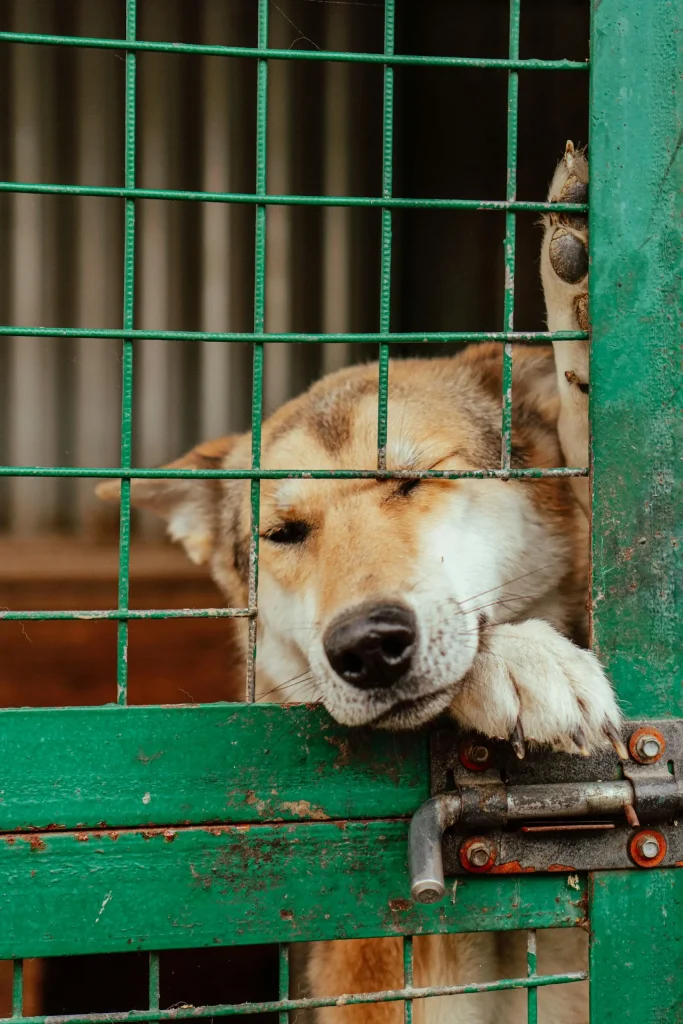
Navigating the Emotional Terrain of Pet Adoption
The journey of adopting a pet is rarely straightforward. While many people envision the joyful moment of bringing a new furry companion home, the emotional challenges during the adoption process often lurk beneath the surface. From grappling with uncertainty to facing potential regrets, it is essential for prospective adopters to recognize and address these feelings in order to prepare for a successful transition.
One of the most significant emotional hurdles that potential pet owners face is the lingering fear of commitment. Adopting a pet is not just a temporary decision; it is a long-term commitment that can span a decade or more, depending on the animal’s age and species. According to the American Veterinary Medical Association (AVMA), many pets require continuous care, including routine check-ups, dietary management, and behavioral training. For first-time adopters, the responsibility of caring for a living being can evoke feelings of doubt and anxiety, raising questions about whether they are truly ready for the demands of pet ownership.
Additionally, parental pressure often complicates the adoption process, particularly for families with children. Parents must weigh their children’s desires against practical considerations, leading to potential disagreements within the family unit. Some children may yearn for a spirited puppy, while others may prefer the calm demeanor of an older dog. This divergence in opinions can create tension and uncertainty, making it challenging for families to arrive at a consensus. A survey conducted by the Pet Care Trust reports that nearly 70% of parents experience some level of stress related to choosing the right type of pet for their household, highlighting the emotional stakes involved in the decision-making process.
Another emotional challenge is the experience of loss and grief. For individuals who have recently endured the heart-wrenching experience of losing a beloved pet, the thought of adopting again may evoke a whirlwind of emotions. The sight of another animal may bring back cherished memories, leading to a sense of vulnerability as they navigate the emotional landscape of grief while attempting to open their heart to a new companion. This emotional duality can create a hesitance to proceed, leaving potential adopters caught between the desire for companionship and the fear of becoming attached again only to experience loss.
The reality of regret and guilt can also loom large for those who decide to return a pet to the shelter. Unfortunately, many adopters must confront the tough decision of surrendering an animal due to unforeseen behavioral issues, lifestyle changes, or other complications that arise post-adoption. In fact, a report by the ASPCA indicates that around 20% of adopted dogs and cats are returned to shelters within the first year. The guilt associated with this decision can weigh heavily on an individual’s conscience, further complicating their emotional journey regarding pet ownership.
Finally, the fear of uncertainty regarding a pet’s health and behavior can create immense pressure during the adoption process. Regardless of how well a potential owner prepares, the stress of the unknown can lead to hesitation. Prospective adopters often find themselves overwhelmed with questions: Will this pet be aggressive? Can I manage any medical issues? Will it acclimatize to my home? This anxiety around adopting can overshadow the potential joys that await.
By openly acknowledging these emotional challenges, budding pet owners can better equip themselves for the trials and triumphs of the adoption process. Educating oneself about what to expect, seeking advice from adoption counselors, and approaching this journey with an open heart can alleviate some of the emotional strains involved.
| Category | Description |
|---|---|
| Emotional Readiness | Adopting a pet demands an understanding of one’s emotional state prior to bringing an animal into the home. |
| Financial Considerations | It is crucial to evaluate the financial commitment associated with pet care, including food, medical expenses, and training. |
| Long-term Commitment | Understanding the lifelong commitment involved helps ensure that both the individual and the pet can thrive together. |
| Choosing the Right Match | Matching the right personality with the right pet can alleviate stress and enhance the bond between the adopter and the pet. |
Within the realm of pet adoption, emotional readiness is perhaps one of the most significant factors that prospective adopters must assess. Understanding one’s own emotional landscape can greatly affect the success of the adoption process. Individuals often may feel overwhelmed by the commitment and responsibilities that come along with bringing a new pet into their lives. This emotional turbulence can be compounded by the fear of potential loss or of making a wrong choice that could lead to an unsuccessful adoption.Moreover, financial considerations cannot be overlooked. Adopting a pet includes hidden costs that some may not initially consider—routine veterinary visits, emergency care, food, grooming, and other supplies add up quickly. Understanding these financial obligations increases the likelihood of a stable environment for the pet, easing both the animal’s transition and the adopter’s anxieties.Another key aspect is the notion of long-term commitment. A pet often becomes part of the family, necessitating a lasting dedication that can last well over a decade. Spotting the right match minimizes emotional pain points for both the adopter and the adopted animal. By being mindful of the responsibility involved, potential adopters not only prepare themselves but also ensure a smoother transition for their new companion.
DON’T MISS: Click here to discover essential nutrients for your pets
Understanding the Nuances of Emotional Preparedness
As prospective pet owners embark on the journey of adoption, it’s vital to consider the emotional preparation that will pave the way for a positive experience. Emotional maturity plays a vital role in successfully navigating the challenges of pet ownership. Being aware of one’s emotional triggers and responses can help in anticipating how they might react to the pressures and joys of adopting a pet. A study published by the Journal of Applied Animal Welfare Science indicates that understanding one’s emotional landscape significantly influences pet ownership satisfaction. This suggests that introspection prior to adoption can better equip individuals for the responsibilities ahead.
Moreover, the social dynamics surrounding pet adoption can significantly affect the emotional landscape. Many adopters seek validation from friends and family during their decision-making process. Peer influence can sway choices, leading someone to adopt a pet that may not be the best fit for their lifestyle or emotional needs. The pressure to conform to social expectations can cloud judgment, complicating the emotional response to potential challenges that arise post-adoption. Research from the Pet Alliance of Greater Orlando highlights that nearly one-third of new pet owners feel pressured by family or friends regarding their choice of animal, ultimately impacting their emotional readiness to adopt.
Another often-overlooked emotional hurdle is the adaptation phase that both the pet and owner must undergo after adoption. The initial excitement of bringing a pet home can be quickly replaced by the challenges of adjustment. For newly adopted animals, acclimating to their new environment can cause stress and anxiety, which may manifest in behaviors such as hiding, barking, or even destructive tendencies. New pet owners must confront their own feelings of frustration and disappointment when reality deviates from their expectations. A survey conducted by the Humane Society found that nearly 63% of first-time pet owners experience stress during the adjustment phase, making it a crucial emotional aspect of the adoption process. Recognizing that both parties need time to adapt can foster patience and understanding, leading to a smoother transition.
The reality of dealing with behavioral issues can also take a toll on an adopter’s emotional well-being. Many pets come with unresolved issues stemming from previous environments, such as fear of strangers or separation anxiety. Addressing these problems can require significant time, patience, and, in some cases, professional training. According to the ASPCA, approximately 17% of adopted dogs display behavioral challenges within the first few months of being adopted. This realization can lead to feelings of inadequacy or frustration for new pet owners, as they grapple with the challenges that accompany these issues. Clear communication with adoption agencies about these behavioral histories can better prepare individuals for the emotional toll of training and behavior modification.
Finally, embracing a sense of community support can alleviate some of the emotional burdens tied to pet adoption. Engaging with local pet-owner groups or online communities can provide a valuable source of encouragement and advice. It allows potential adopters to validate their feelings and gain insights into common challenges associated with owning a pet. According to a survey by the ASPCA, nearly 45% of pet owners reported that connecting with other pet owners helped them navigate the emotional complexities linked to pet ownership. This sense of belonging can foster resilience and support during difficult times, ensuring that adopters are not alone in their journey.
By embracing these nuances of emotional preparedness, prospective pet owners can better equip themselves to tackle the emotional rollercoaster that accompanies the pet adoption process. Understanding the multifaceted challenges involved is not only vital for achieving a successful pet-owner relationship but can also foster a deeper emotional bond between humans and their furry companions.
DISCOVER MORE: Click here to learn about the benefits of a balanced diet for your pets
Conclusion: Navigating the Emotional Landscape of Pet Adoption
In summary, the emotional challenges accompanying the pet adoption process are multi-faceted and require careful consideration. From the critical need for emotional maturity to the societal pressures that can cloud judgment, prospective pet owners must engage in deep introspection before making this significant commitment. The transition period that both pets and their new owners face further complicates the experience, requiring patience and adaptability as everyone adjusts to their new roles.
The importance of acknowledging and preparing for potential behavioral issues cannot be overstated. As many aspiring pet owners overlook the emotional toll of managing these challenges, a clear understanding of what lies ahead can pave the way for a healthier relationship between human and animal. Engaging with community support can also provide invaluable guidance, empowering adopters to navigate this intricate emotional journey with a sense of solidarity and resilience.
Ultimately, the pet adoption process is a profound leap into a world filled with joy and companionship, but it is not without its hurdles. By embracing emotional preparedness and understanding the challenges ahead, potential adopters can foster not only a successful pet-owner relationship but also enhance their emotional well-being. The right mindset, coupled with support from others, creates a nurturing environment where both pets and their new families can thrive. For those considering adoption, this emotional groundwork is not merely beneficial—it is essential for a fulfilling and lasting bond.