The impact of Machine Learning on industrial process automation
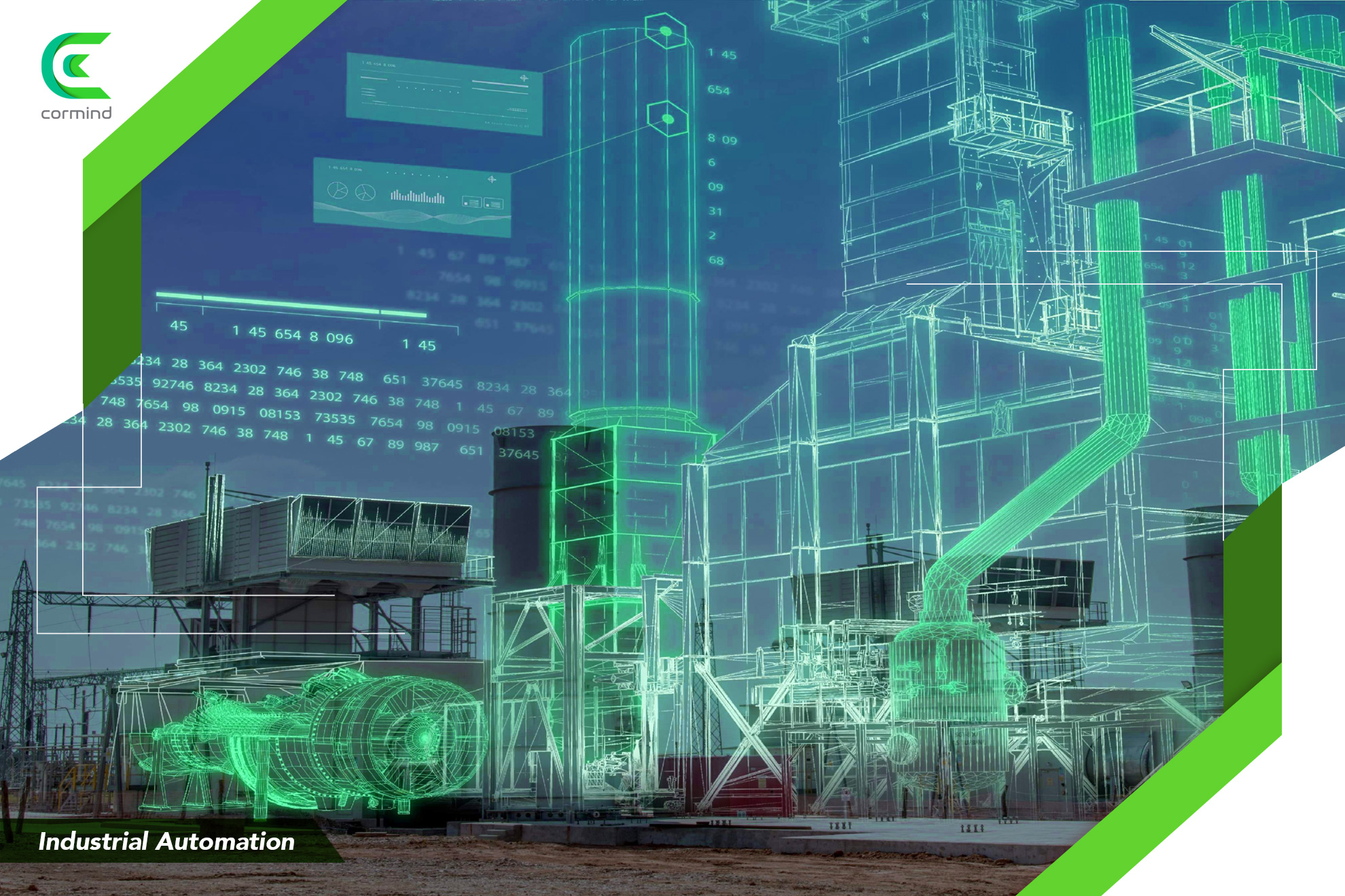
Understanding the Transformative Role of Machine Learning in Industry
As industries around the globe grapple with rising costs and heightened competition, Machine Learning (ML) has emerged as a crucial ally in the quest for operational efficiency. This advanced technology encompasses a range of techniques that empower machines to learn from data, improving their ability to perform tasks without explicit programming. For U.S. manufacturers and service providers alike, harnessing the power of ML is no longer an option but a strategic imperative to thrive in a dynamic market.
Predictive Maintenance: A Proactive Approach
One of the most significant applications of ML in industrial environments is in predictive maintenance. Traditionally, maintenance has been reactive, often leading to costly downtimes when machinery fails unexpectedly. However, with ML algorithms analyzing vast amounts of operational data—such as vibration patterns, thermal readings, and historical performance metrics—industries can now anticipate failures before they occur. For example, a manufacturing plant might use sensors to monitor its equipment continuously. When the data points to unusual patterns that have historically preceded breakdowns, alerts can be generated, allowing teams to address issues proactively. This capability not only enhances equipment lifespan but also drastically reduces repair costs.
Quality Control: Ensuring Excellence
The role of ML in quality control is particularly noteworthy in sectors like electronics and automotive manufacturing. Here, vision systems equipped with ML algorithms can analyze images of products on the production line in real-time, detecting defects that human inspectors might overlook. Such systems can be trained to identify minute discrepancies in size, color, or pattern, ensuring that products meet stringent quality standards before they reach consumers. This not only bolsters the brand’s reputation but also minimizes the costs associated with returns and rework.
Supply Chain Optimization: Efficiency Redefined
In today’s interconnected global economy, supply chain optimization is vital for maintaining competitive advantages. Machine Learning can analyze data across supply networks, predicting shifts in demand and optimizing inventory levels. For instance, retailers like Amazon utilize ML algorithms to analyze consumer behavior and adjust inventory in real time, ensuring that popular products are always available while minimizing surplus stock that could lead to waste. This capability helps in balancing supply and demand efficiently, ultimately paving the way for significant cost savings.
Energy Management: Sustainability and Cost-Effectiveness
With increasing focus on sustainability, energy management has become a priority for many industries. Leveraging ML, organizations can monitor their energy consumption patterns and identify areas where energy efficiency can be improved. Factories can adjust operations based on real-time data—modulating energy use during peak hours to take advantage of lower rates or switching to energy-efficient machinery based on predictive insights. These strategies not only help reduce costs but also align with broader sustainability goals aimed at minimizing the environmental footprint.
The integration of ML into these facets of industrial process automation provides a glimpse into a future where operational strategies are not merely reactive but anticipatory, enabling businesses to navigate challenges more adeptly. However, the corresponding shift in workforce dynamics cannot be overlooked. As automation becomes more widespread, there are crucial conversations to be had about retraining and reskilling the current workforce to thrive alongside these technological advancements.
As industries in the United States embrace these innovations, the landscape will continue to evolve—teeming with both opportunities and challenges for business leaders ready to redefine their operational paradigms. By exploring these developments, stakeholders can uncover valuable insights that pave the way for a successful transition into an increasingly automated future.
DIVE DEEPER: Click here to learn more about machine learning’s impact on industry</
Revolutionizing Manufacturing: The Machine Learning Advantage
The application of Machine Learning (ML) in industrial process automation is not just a fleeting trend; rather, it represents a profound transformation in how businesses operate and thrive. By leveraging the vast reservoirs of data generated by machinery and production processes, companies gain unprecedented insights that drive performance and enhance decision-making. The ability of ML to adapt and improve over time allows organizations to innovate processes that were previously deemed inefficient or too costly to change.
Enhanced Production Efficiency
One primary benefit of incorporating ML into manufacturing is the remarkable increase in production efficiency. Traditional methods of production often rely on fixed parameters and assumptions. In contrast, ML algorithms analyze real-time data inputs, identify patterns, and adjust operations dynamically. For example, an automotive plant might integrate ML with its robotic assembly line, enabling robots to optimize their pace and precision based on the daily variations in materials and external conditions.
Some of the significant operational improvements include:
- Adaptive Scheduling: ML systems can automatically adjust schedules based on machine availability, workforce capacity, and order urgency, minimizing downtime and optimizing resource allocation.
- Real-Time Process Adjustment: By continuously analyzing production data, ML allows for immediate adjustments in machinery settings, leading to enhanced output quality and reduced waste.
- Workflow Automation: Tasks previously performed manually or with limited automation can be fully automated through ML, thus redirecting human effort towards value-added activities.
Reducing Human Error Through Intelligent Decisions
In environments where precision is paramount, the potential for human error can lead to significant financial repercussions. The implementation of ML introduces an element of consistency and accuracy that is often unattainable through human effort alone. In fields such as pharmaceuticals or aerospace manufacturing, even small deviations in process can result in devastating consequences.
For instance, consider a pharmaceutical company utilizing ML algorithms to monitor the mixing of compounds. The system can continuously ensure that the proportions remain within required tolerances. This not only guarantees product integrity but also reduces instances of costly recalls or regulatory penalties. Thus, ML facilitates a culture of quality assurance where human error is minimized, leading to greater compliance and enhanced customer trust.
Empowering Workforce Dynamics
The move towards automation and the integration of ML does raise notable concerns about the future of the workforce. However, rather than diminishing job opportunities, ML can complement human skills, allowing workers to focus on critical thinking, problem-solving, and creative tasks. This dynamic shift necessitates a robust strategy for workforce reskilling, where employees are provided the necessary tools and training to adapt to their new roles in this evolving landscape.
As industries venture deeper into the ML realm, the emphasis on collaboration between man and machine will redefine workplace roles. In doing so, companies will not only ensure operational success but also foster a more engaged and capable workforce ready to tackle future challenges.
The profound impacts of ML on industrial process automation signify a future filled with promise and potential. As organizations continue to explore its capabilities, the path forward will undoubtedly lead to ongoing innovations and improved performance across the manufacturing spectrum.
The Transformative Role of Machine Learning in Industrial Process Automation
In today’s rapidly evolving industrial landscape, the integration of Machine Learning (ML) technologies is revolutionizing process automation. By leveraging intricate algorithms and vast datasets, manufacturers are discovering unparalleled efficiencies and capabilities. This section delves into how Machine Learning influences critical operational facets.
Data Analysis and Predictive Maintenance
One of the most significant impacts of Machine Learning is its ability to analyze vast amounts of data in real time. With advanced ML models, industries can predict equipment failures before they occur. This predictive maintenance minimizes downtime and reduces costs associated with unplanned outages. For example, a manufacturing plant that implements ML-driven predictive maintenance can cut its maintenance costs by up to 30%, increasing overall productivity.
Quality Control and Defect Detection
Quality assurance is transforming through Machine Learning. By employing computer vision and ML algorithms, manufacturers can inspect products at a level of precision previously unattainable. Automated inspection systems can identify defects in real time, significantly lowering defect rates and ensuring that only the highest quality products reach consumers. This technology not only enhances customer satisfaction but also helps companies uphold their reputations.
| Category | Advantages |
|---|---|
| Predictive Maintenance | Enhances equipment longevity and reduces unexpected failures. |
| Quality Control | Automates defect detection, significantly improving product quality. |
As industries embrace Machine Learning, they not only optimize their processes but also position themselves to be more competitive in a landscape characterized by rapid technological advancement. Moving forward, the potential applications are limitless, driving innovation and efficiency in ways we are only beginning to comprehend. With each step, businesses harness the power of Machine Learning to transform their operations and achieve greater success.
DIVE DEEPER: Click here to learn more
Data-Driven Predictive Maintenance
One of the most significant advantages of integrating Machine Learning into industrial process automation is its ability to facilitate predictive maintenance. Traditionally, maintenance schedules have been based on fixed intervals or reactive responses to equipment failures. This often leads to unnecessary downtime or unexpected breakdowns, resulting in lost production and increased costs. With the advent of ML, companies now have access to real-time monitoring and analysis of machine conditions.
ML algorithms can sift through large datasets, including historical maintenance records and sensor data, to predict when equipment is likely to fail. By identifying subtle indicators of wear—such as temperature fluctuations, unusual vibrations, or changes in noise levels—organizations can intervene before a minor issue escalates into a significant malfunction. For instance, a manufacturing facility using ML to monitor its conveyor belts can anticipate a breakdown and schedule repairs during planned downtimes, thus maintaining operational continuity.
The benefits of predictive maintenance extend beyond just operational efficiency:
- Cost Savings: By preventing breakdowns, companies can significantly reduce maintenance costs and limit losses associated with unplanned downtime.
- Extended Equipment Longevity: Regularly scheduled, data-driven maintenance can prolong equipment life, enhancing return on investment.
- Improved Safety: Predictive analytics helps in identifying potential hazards associated with equipment failures, thereby enhancing workplace safety.
Optimizing Supply Chain Management
As industries strive for greater responsiveness and agility, the impact of ML on supply chain management is undeniably transformative. Through advanced analytics, ML can optimize every facet of the supply chain, from procurement to distribution. By analyzing market trends, consumer behaviors, and even weather patterns, businesses can make more informed decisions regarding inventory and logistics.
One notable example can be cited in the retail sector, where ML algorithms assess demand fluctuations based on seasonality, promotions, and historical sales data to optimize stock levels. This not only minimizes excess inventory but also ensures that products are available to meet customer demand promptly. Research indicates that companies deploying ML in supply chain operations have seen up to a 30% reduction in inventory costs while simultaneously increasing service levels.
Driving Sustainability Through Efficiency
As the world faces increasing pressure to adopt sustainable practices, the role of ML in enhancing sustainability within industrial processes cannot be overstated. By analyzing operations through the lens of energy consumption and material usage, ML can uncover inefficiencies that contribute to excess waste and emissions. Manufacturers can leverage energy optimization algorithms to determine the most efficient production practices, ultimately reducing their ecological footprint.
For example, a textile manufacturer might employ ML to monitor water usage and compare different dyeing processes. The insights gained can lead to adopting more water-efficient practices, rendering the manufacturing process not only environmentally friendly but also cost-effective. This fusion of efficiency and sustainability not only addresses corporate responsibility but also aligns with consumer expectations in a market increasingly driven by ecological considerations.
As the journey into ML continues, industries are ushering in a new era of innovation marked by flexibility, sustainability, and profound operational efficiency. The convergence of data science with automation signals a future where businesses are better equipped to navigate challenges and capitalize on opportunities.
DISCOVER MORE: Click here to learn how NLP is reshaping digital marketing
Conclusion
In summary, the incorporation of Machine Learning into industrial process automation is reshaping the landscape of manufacturing and production through enhanced predictive capabilities, optimized operations, and a commitment to sustainability. As industries evolve, data-driven insights derived from ML lead to proactive maintenance strategies that not only prevent costly downtime but also contribute to safer working environments. The ability to pinpoint inefficiencies in supply chains and adjust operations accordingly empowers businesses to reduce costs significantly while improving service delivery.
Moreover, the push for sustainable practices highlights the dual advantage of ML; not only does it increase productivity and profitability, but it also aligns with the growing demand for eco-friendly operations. Companies leveraging ML for monitoring energy usage and waste generation are positioning themselves at the forefront of responsible industry practices. As we look to the future, it is evident that embracing machine learning is no longer optional but a strategic necessity for companies aiming to thrive in a rapidly changing market.
While challenges related to data privacy, algorithm bias, and the workforce adaptation persist, the potential benefits of ML in industrial automation far outweigh the risks. Organizations willing to invest in these advanced technologies will likely find themselves leading the charge, unlocking unprecedented levels of operational efficiency and innovation. The journey has just begun, opening new avenues for exploration and adaptation that will shape the future of industries across the globe.