The Importance of Balanced Nutrition for the Health of Dogs and Cats: Tips for a Healthy Diet
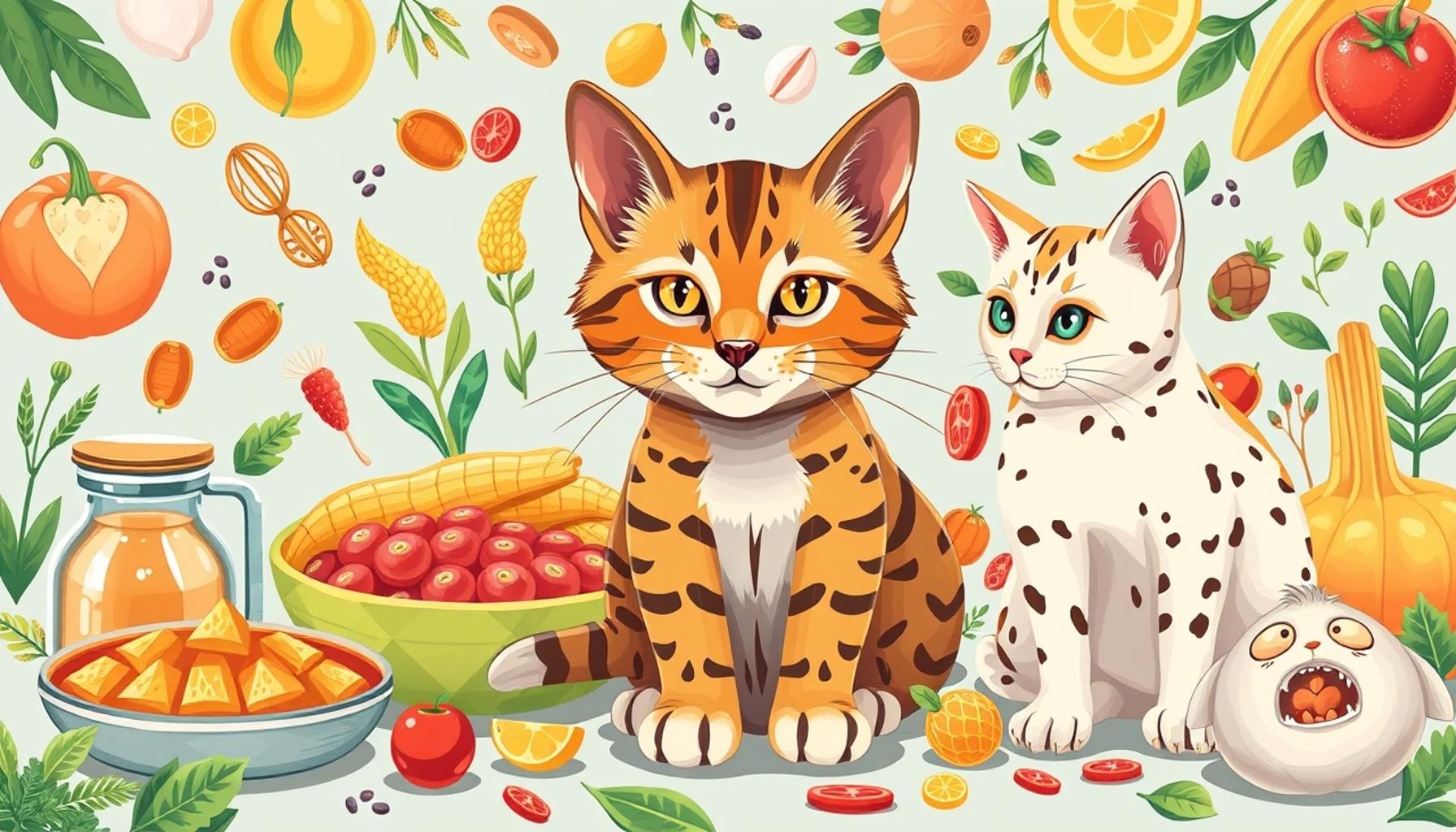
The Importance of Balanced Nutrition for Pets
Providing balanced nutrition to your pets is fundamental to their overall health and well-being. Just like humans, dogs and cats require a mix of nutrients to thrive. A well-rounded diet not only supports their energy levels but also enhances their mood and longevity. The benefits this brings to your beloved companions cannot be overstated; from a shiny coat to a playful personality, proper nutrition is the cornerstone of a healthy pet.
Essential elements of a healthy diet for pets include:
- Proteins: Vital for growth and tissue repair. Proteins are made up of amino acids, some of which pets cannot synthesize themselves, making it essential to obtain them through their diet. Quality protein sources include chicken, turkey, beef, and fish.
- Fats: Needed for energy and supporting cell function. Fats not only serve as a concentrated source of energy but also support skin health and the absorption of fat-soluble vitamins. Omega-3 and omega-6 fatty acids are particularly important, often derived from fish oil or flaxseed.
- Vitamins and Minerals: Help maintain immune function and overall health. These micronutrients aid in processes like bone development and cell function. Key vitamins include A, D, E, and the B-complex vitamins. Minerals such as calcium, phosphorus, and potassium play vital roles in various bodily functions and should be included in their diet.
- Fiber: Aids in digestion and gut health. Fiber helps to regulate bowel movements and can help manage obesity by promoting a feeling of fullness. Sources of fiber can include vegetables like carrots and peas, as well as whole grains.
In the United States, many pet owners often rely on commercial pet foods. However, it’s crucial to understand their nutritional value. Pet food labels contain a wealth of information, but deciphering them can be challenging. Look for products that use high-quality ingredients, avoid fillers, and meet the standards set by the Association of American Feed Control Officials (AAFCO). Understanding what goes into your pet’s diet can make a significant impact on their health and happiness.
Additionally, pet owners should consider dietary requirements according to their pet’s age, breed, and activity level. Puppies and kittens, for instance, require higher calories and more protein to support their rapid growth. Conversely, senior pets may need fewer calories but higher fiber to aid digestion as their metabolism slows down. When balanced nutrition is prioritized, it leads to:
- Improved coat condition, leading to a shinier and healthier appearance.
- Stronger immune system, reducing the likelihood of illness.
- Enhanced energy levels, resulting in a more playful and active pet.
- Longer lifespan, allowing for more cherished moments together.
As we delve deeper into the world of pet nutrition, the scope for exploration is vast. By seeking resources, consulting with veterinarians, and staying informed about the latest nutritional science, you can arm yourself with the knowledge necessary to make informed dietary choices. The health of your furry companions depends on it, and their vitality can contribute significantly to your shared joy and companionship!
Navigating Pet Nutrition: Key Components for a Healthy Diet
Understanding the critical role of balanced nutrition in your pets’ lives is essential for any responsible pet owner. Just like us, our four-legged friends thrive on a diet that provides the necessary nutrients required for healthy growth, energy, and overall vitality. Ensuring that dogs and cats receive the proper balance of nutrients can be the difference between a vibrant, active pet and one that’s lethargic and prone to health issues.
To truly grasp the importance of nutrition, pet owners must become familiar with the core components of a healthy diet. Each nutrient plays an essential role, and any deficiency can impact your pet’s health in various ways:
- Proteins: The building blocks of life, proteins are crucial for repairing tissues and supporting body functions. Dogs and cats derive their protein needs from animal sources, and a diet rich in these proteins not only aids muscle development but also enhances immune functions and overall cellular health.
- Fats: Often misunderstood, fats are vital for energy and nutrient absorption. They provide a concentrated energy source and play an important role in maintaining skin health and a lustrous coat. Essential fatty acids, particularly Omega-3 and Omega-6, found in fish oil and flaxseed, are pivotal in ensuring optimal health.
- Carbohydrates: Although technically not an essential nutrient for cats, carbohydrates can support digestive health and provide energy. Fiber-rich carbohydrates, such as brown rice and oats, help regulate digestion and prevent obesity by promoting satiety.
- Vitamins and Minerals: These micronutrients are necessary to support various biological functions, including bone health, metabolic processes, and immune response. For example, calcium and phosphorus are paramount for maintaining strong bones, while antioxidants in vitamins A and E help combat oxidative stress.
While selecting pet food can be daunting with an array of options available on the market, pet owners must prioritize high-quality ingredients. Look for foods that list identifiable protein sources as the first ingredient and avoid those laden with fillers, artificial flavors, and preservatives. In the U.S., the quality of pet food is often governed by associations that mandate specific nutritional requirements, ensuring that your pet’s diet meets their needs when proper labels are followed.
A critical aspect of pet nutrition is the consideration of individual dietary requirements based on your pet’s age, breed, and health status. For instance, puppies and kittens have even higher protein and fat requirements than adult pets due to their growth phases. Older pets, on the other hand, may require diets lower in calories but higher in fiber to assist with digestion. Adjusting your pet’s diet in accordance with these factors not only optimizes their health but can lead to:
- A healthier and shinier coat, reflecting a well-nourished body.
- Improved mobility and lower risk of joint-related issues.
- A stronger immune system that can better fend off diseases.
- Enhanced mental alertness and behavioral stability.
By investing the time to educate yourself on the fundamentals of pet nutrition, you’re not just ensuring your pet’s physical health but also enriching the bond and joy shared between you. With balanced nutrition, your furry companions will thrive, leading to a happier life for both of you.
Ensuring that pets receive balanced nutrition plays a pivotal role in their overall health and longevity. A diet rich in essential nutrients not only aids in maintaining optimal weight but also fosters healthy skin, vibrant fur, and a robust immune system. For instance, crucial fatty acids such as omega-3 and omega-6 contribute to a shiny coat and help reduce inflammation, thus preventing skin allergies and infections. Furthermore, protein sources such as chicken, fish, or beans are essential for muscle maintenance and energy levels.
In addition, vitamins and minerals are critical for bodily functions. These can be delivered through a combination of commercial pet foods and wholesome ingredients like fruits and vegetables. Carrots, blueberries, and spinach are excellent additions that provide antioxidants, promoting overall vitality. It is equally important to consider the specific needs of each pet based on their age, breed, and health conditions. Puppies, kittens, older pets, and those with health issues may benefit from specialized diets tailored to their unique nutritional requirements.
The correct balance of carbohydrates plays a significant role as well. While dogs and cats are primarily carnivorous, they can benefit from moderate amounts of carbohydrates which can provide energy. Ingredients such as sweet potatoes or brown rice can be included in their meals to serve as a healthy energy source.
Hydration is another crucial aspect of a healthy diet. Fresh, clean water should always be available, as it aids digestion and nutrient absorption. The hydration needs may vary, and pet owners should monitor their pets’ water intake, especially if they consume dry kibble.
Moreover, gradually introducing new foods can help avoid digestive upsets and allows for better adaptation to the changes in diet. Consulting with a veterinarian can be beneficial in determining the best dietary plan tailored to individual pets, ensuring they receive the appropriate nutrients and avoid any harmful ingredients.
| Nutritional Component | Benefits |
|---|---|
| Proteins | Essential for muscle growth and repair, providing energy. |
| Vitamins & Minerals | Support immune health and bodily functions; prevent deficiencies. |
As pet owners, being informed about balanced diets for dogs and cats prepares you to make better nutritional choices that lead to happier, healthier pets. It’s about fostering a diet that not only satisfies their hunger but also respects their biological needs.
Tailoring Your Pet’s Diet: Considerations for Specific Needs
As we delve deeper into the world of pet nutrition, it’s crucial to recognize that not all pets are created equal when it comes to dietary requirements. Factors such as age, breed, size, and health conditions significantly influence what constitutes a balanced diet for each individual animal. For instance, a Great Dane has vastly different nutritional requirements compared to a Chihuahua; therefore, a one-size-fits-all approach is misguided and may lead to unnecessary health issues.
As mentioned before, puppies and kittens boast higher energy and nutrient needs due to their rapid growth and development. Furthermore, formulas designed specifically for these younger pets typically enhance their immune system and aid in optimal growth, usually through higher protein content and additional vitamins. Pet owners should seek out puppy or kitten-specific food to cater to these needs, ensuring the inclusion of DHA, an omega-3 fatty acid that promotes brain development.
Senior Pets: Adjusting Nutritional Needs
On the other end of the spectrum, senior dogs and cats often require a shift in their dietary intake. As pets age, their metabolism may slow down, leading to weight gain if calorically dense food is maintained. Nutritional adjustments can address these changes; pet owners should look for diets that are lower in calories yet high in fiber, as fiber fosters a feeling of fullness while aiding digestive health. Additionally, incorporating glucosamine and chondroitin can assist in maintaining joint health, which is crucial for older pets battling age-related stiffness and mobility issues.
Medical Conditions: Dietary Adjustments
For those pets with specific medical conditions, tailored diets become even more critical. For example, pets diagnosed with kidney disease may benefit from lower protein levels that minimize the waste products requiring kidney filtration. Conversely, diabetic pets might thrive on diets rich in fiber and low in simple carbohydrates to maintain stable blood sugar levels. Always consult with a veterinarian to create the most effective nutrition plan tailored to your pet’s specific medical needs, as they can recommend specialized commercial diets or strategies for home-cooked options.
The Benefits of Home-Cooked Meals
Increasingly, pet owners are exploring the option of home-cooked meals for their furry companions. However, crafting a home-cooked diet that meets the comprehensive needs of dogs and cats can be complex. If you choose this path, it is essential to ensure the diet is nutritionally complete and balanced. Consulting with a veterinary nutritionist can help establish a plan that includes all necessary nutrients and avoids common pitfalls, such as nutrient deficiencies. It’s a trend that can lead to pets enjoying fresher ingredients and unique flavor profiles beyond commercial offerings.
Another important component of pet nutrition is the role of hydration. Fresh, clean water should always be available, as many pets do not consume adequate fluids, especially if fed dry kibble. Increasing water intake can help with digestion and overall health, preventing urinary tract diseases—which are particularly prevalent in cats. Consider incorporating wet food options or adding water to dry kibble to enhance hydration.
In summary, understanding and catering to the unique dietary needs of your dog or cat is paramount in ensuring their health, vitality, and longevity. By leveraging expert guidance and making informed decisions, pet owners can foster vibrant, healthy lives for their furry companions. This attention to balanced nutrition not only improves overall health but also strengthens the bond between pets and their owners.
Conclusion: Embracing Balanced Nutrition for Your Pet’s Well-Being
Balanced nutrition is more than just a buzzword—it’s a cornerstone for the health of dogs and cats that can profoundly influence their quality of life. By understanding the various elements that comprise an optimal diet—age, breed specifics, and any existing medical conditions—pet owners can take a proactive role in ensuring their companions thrive. This tailored approach means actively engaging with veterinarians to establish dietary plans that meet individual needs, whether it’s through commercial pet foods or thoughtfully prepared home-cooked meals.
Moreover, maintaining ideal body weight through portion control and choosing the right nutritional components not only supports physical health but can also positively impact mental well-being. Incorporating hydration as a key aspect of nutrition can further enhance your pet’s overall health and prevent common ailments, particularly those concerning the urinary tract in cats.
Ultimately, investing time in educating oneself about balanced nutrition cultivates a deeper bond with your furry friends, leading to enriched lives filled with vitality and joy. As responsible pet owners, it’s our duty to prioritize their nutritional needs, helping them live fuller, happier lives. By illuminating the path toward better dietary choices for pets, we at the forefront of their health journey pave the way for a future where our beloved animals can enjoy their golden years and beyond.