The Importance of Dental Health in Pets: Prevention of Diseases and Maintenance of Quality of Life
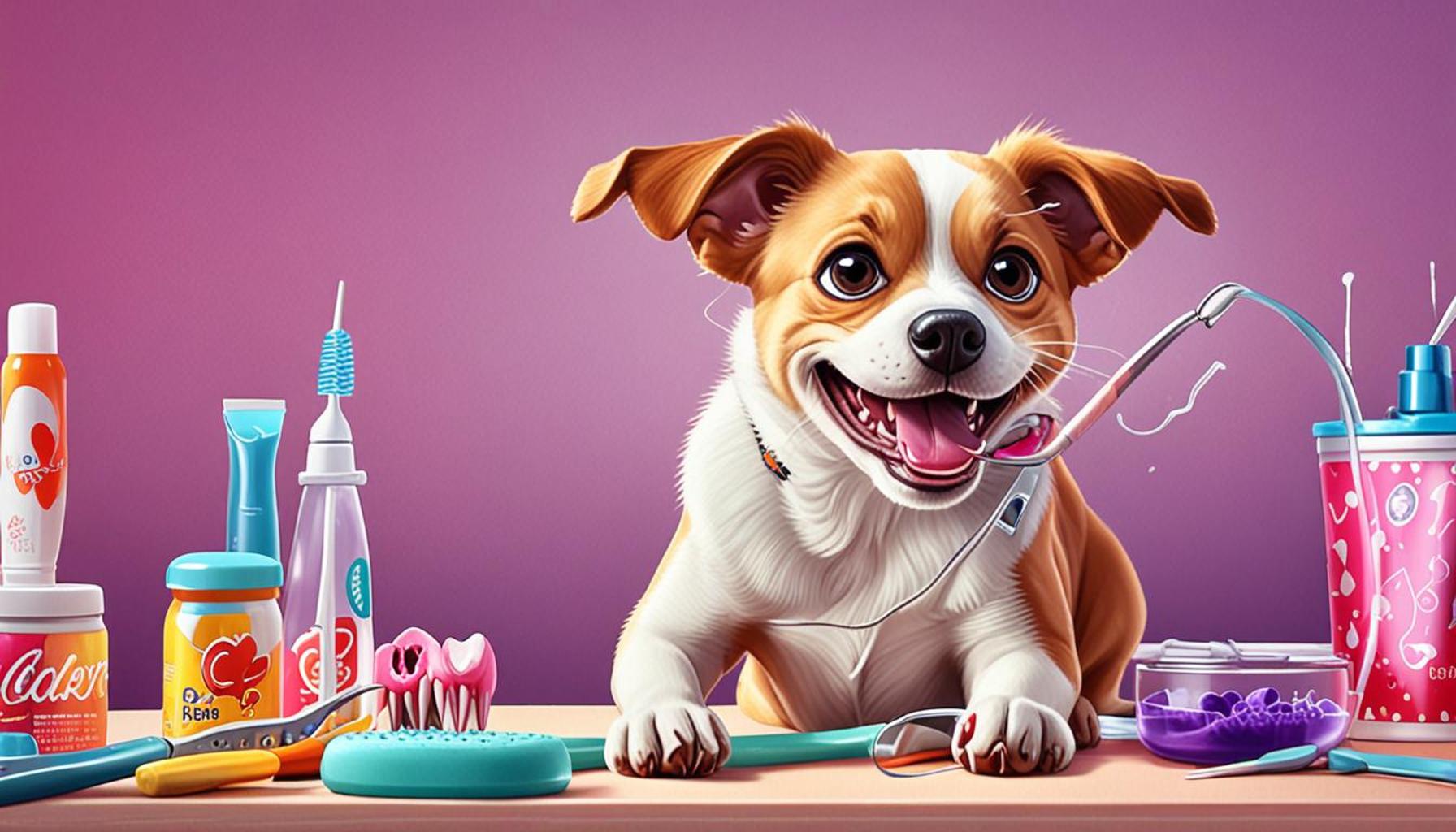
The Critical Role of Dental Health in Pets
Many pet owners overlook an essential aspect of their furry friends’ well-being—dental health. Just like humans, pets can experience oral diseases that may lead to serious health issues. Understanding the significance of maintaining good dental hygiene can drastically improve your pet’s quality of life.
Dental problems in pets can lead to a range of issues, including:
- Periodontal Disease: This common condition affects the gums and supporting structures of teeth. When plaque and tartar build up, bacteria can invade the gums, leading to inflammation, pain, and ultimately tooth loss. Studies show that around 80% of dogs and 70% of cats show signs of dental disease by the age of three, highlighting the importance of regular dental care.
- Bad Breath: Persistent bad breath is often the first sign of dental issues, indicating underlying problems. This not only affects the pet’s comfort but can also deter them from social interactions. In pets, halitosis can indicate significant oral bacteria buildup or diseases that, if left untreated, could escalate into more severe complications.
- Systemic Health Issues: Poor dental health can lead to bacteria entering the bloodstream, impacting vital organs like the heart, liver, and kidneys. According to veterinary research, pets with periodontal disease are at a higher risk of developing cardiac issues and other systemic diseases, making routine dental care a critical aspect of preventive health.
Regular dental care can prevent these conditions and contribute to a happier, healthier pet. Daily brushing is the ideal practice, but many pet owners may not realize that it is just the beginning. Incorporating dental chews or toys specifically designed to promote dental health can offer additional assistance. Furthermore, some specialized pet foods are formulated to reduce plaque and tartar buildup. Regular professional cleanings by a veterinarian should also be part of a comprehensive dental health plan, as veterinary staff are trained to remove tartar and check for underlying issues that may not be visible to the untrained eye.
As responsible pet owners, we should prioritize dental check-ups and daily care routines. This not only reduces the risk of disease but also ensures our pets lead a high-quality life filled with joy and vitality. Paying close attention to your pet’s dental needs is a loving commitment that will reward both you and your furry friend with years of companionship and happiness.
In conclusion, making dental health a priority in routine pet care is a small effort for pet owners that yields substantial benefits. The investment in your pet’s dental health is, in essence, an investment in their overall longevity and quality of life.
LEARN MORE: Click here for insights on community impact
Understanding Oral Diseases in Pets
The mouth serves as a gateway to your pet’s overall health, and neglecting dental care can initiate a chain of problems that extends far beyond mere bad breath. Common oral issues in pets can often be subtle but can escalate quickly if left unchecked. Here, we explore some prevalent dental diseases that can jeopardize your pet’s well-being and what it means for their quality of life.
One of the most alarming dental conditions is gingivitis, characterized by inflammation of the gums usually caused by plaque accumulation. If detected early, gingivitis can be reversed with proper dental care. However, should it progress to periodontitis, the damage becomes irreversible. Periodontitis not only involves destruction of the gums but also affects the underlying bone structure, potentially leading to painful tooth loss. The chronic inflammation can also contribute to systemic illnesses, making it critical to recognize and address these issues promptly.
Consider the impact of dental disease on your pet’s daily life. Pets in discomfort due to oral pain may show signs of behavioral changes, including irritability, reduced appetite, and even avoidance of play. Regular observations can help identify changes in chewing habits or reluctance to engage, indicating potential dental problems. Being proactive is essential; awareness of these signs can lead to early diagnosis and treatment.
Moreover, the second most common issue is oral tumors, which can be benign or malignant. These growths may be difficult to detect without a veterinary examination, making routine check-ups crucial. Early detection can significantly influence treatment outcomes, further justifying the importance of regular dental care.
To combat these oral health challenges, pet owners can take several preventive measures:
- Daily Brushing: The gold standard in dental care for pets is daily brushing. Using pet-specific toothbrushes and toothpaste, owners can effectively remove plaque buildup and prevent tartar formation.
- Dental Treats and Chews: Many products on the market are designed to enhance dental health. Dental chews can provide mechanical cleaning action while also being a delightful treat for your pet.
- Regular Veterinary Check-ups: Incorporating annual or biannual dental exams into your pet’s routine is essential. During these visits, your veterinarian can conduct professional cleanings and offer insights into effective at-home care tailored to your pet.
- Specialized Diets: Some pet food formulas are specifically designed to reduce tartar and plaque build-up. Consult your veterinarian for recommendations that suit your pet’s dietary needs.
Awareness, action, and regular care are key to safeguarding your pet’s dental health. By addressing potential oral issues early, you can improve not just their dental condition but their overall health, leading to a happier, longer life.
Dental health in pets is often overlooked, yet it plays a crucial role in their overall well-being. A staggering percentage of dogs and cats suffer from periodontal disease by the age of three, which can lead to serious health complications if not addressed timely. Regular dental check-ups and cleanings are vital in preventing such conditions. These assessments not only keep the teeth and gums healthy but also allow veterinarians to spot early signs of dental diseases. Moreover, maintaining proper dental hygiene can significantly enhance the quality of life for pets. Animals experiencing dental pain may exhibit behavioral changes, such as reduced appetite or increased aggression. This discomfort can lead to more severe health issues, including heart, liver, and kidney diseases, as bacteria from the mouth can enter the bloodstream. Therefore, preventative measures such as regular brushing, dental treats, and professional cleaning are imperative.Incorporating dental care into your pet’s routine can also foster a stronger bond between you and your furry friend. By engaging in regular dental practices, you will not only enhance their health but also provide comfort and reassurance, allowing them to thrive in a pain-free environment. With the right dental care, pets can lead happier lives, enjoying their time with family without the burden of chronic dental issues. Overall, understanding the significance of dental health goes hand in hand with preventative measures, ensuring that pet owners can protect their pets from painful conditions and sustain their quality of life.
DISCOVER MORE: Click here for essential training tips
Preventative Care Strategies for Optimal Dental Health
When it comes to ensuring your pet’s dental health, prevention is undeniably better than cure. Implementing a proactive dental care routine can reduce the risk of oral diseases while enhancing your pet’s overall quality of life.
A significant component of dental care includes regular veterinary dental cleanings. Although brushing at home is vital, professional cleanings penetrate areas that are often overlooked, helping to eliminate tartar and plaque buildup effectively. Many veterinary offices in the United States now offer veterinary dental specialists who can handle more advanced cases, further emphasizing the need for regular check-ups. The American Veterinary Medical Association (AVMA) suggests that pets receive dental check-ups at least once a year, during which your vet can not only clean your pet’s teeth but also check for signs of oral disease. Following the advice of these professionals is crucial for maintaining optimal dental and overall health.
Pet parents often wonder about the role of nutrition in dental health. Surprisingly, the food your pet consumes can play a substantial role in maintaining healthy teeth. Certain kibble is formulated to promote dental well-being by reducing plaque and tartar accumulation. Additionally, pet owners should be cautious with soft, sugary snacks that might contribute to dental deterioration. Consult your veterinarian for recommendations on dental health-specific diets that may benefit your pet based on their individual health needs.
Dental toys offer another innovative way to support your pet’s oral hygiene. Chew toys designed specifically for dental health are available in various textures that scrub the teeth while your pet chews, making it a fun and engaging addition to their routine. Look for toys with the Veterinary Oral Health Council (VOHC) seal of approval to ensure they meet established criteria for promoting oral health.
Moreover, water additives present a convenient option for enhancing dental hygiene. These additives are formulated to reduce plaque, freshen breath, and prevent gingivitis, making them an excellent supplement to traditional cleaning methods. Regular use of these products can be especially beneficial for pets that are resistant to having their teeth brushed or that are particularly adept at removing dental treats from their diet.
Understanding the signs of oral discomfort in pets is equally important. Plaque accumulation can lead to a range of symptoms such as excessive drooling, pawing at the mouth, and reluctance to eat. Identifying these signs early can facilitate immediate veterinary attention. Animal owners should also keep an eye on their pet’s breath, as persistent bad breath often indicates underlying dental issues that require professional assessment.
Finally, education and awareness about pet dental health are essential for all pet owners. A significant challenge is the common misconception that dental diseases are a natural part of aging in pets. In reality, with proper care and preventive measures, many dental problems can be avoided altogether. Utilizing social media platforms and veterinary resources can help to spread the word about the importance of dental health and empower more pet owners to take action.
By incorporating these dental care practices and staying vigilant, you can ensure that your furry companion enjoys a higher quality of life, free from the pain and complications associated with poor dental health.
DON’T MISS OUT: Click here to ensure your pet’s health is top-notch
Conclusion
In summary, maintaining your pet’s dental health is a fundamental aspect of their overall well-being that should not be overlooked. Incorporating preventive strategies such as regular veterinary dental cleanings, appropriate nutrition, and innovative dental care products can significantly reduce the risk of oral diseases, alleviating discomfort and enhancing your pet’s quality of life. It’s crucial to recognize that poor dental health is not a natural consequence of aging; instead, it is a condition that can be addressed through mindful care and education.
As responsible pet owners, being proactive about dental health not only benefits your furry friend but also fosters a stronger bond built on care and understanding. By staying vigilant and being mindful of the signs of oral discomfort, you can ensure early intervention and treatment, leading to a happier and healthier life for your pet. With 80% of dogs and 70% of cats showing signs of dental disease by age three, it is evident that awareness and action are essential.
Utilizing available resources, from veterinary advice to informative materials shared across social media platforms, can empower you to take charge of your pet’s dental health journey. Committing to regular dental care transforms mere pet ownership into a dedicated partnership focused on promoting a fulfilling and vibrant life.
Ultimately, by prioritizing dental health, you are investing in a brighter future for your pet, filled with joy and companionship, free from the burdens of preventable diseases. Take the first step today—your furry friend deserves nothing less than optimum health.