The Importance of Hydration in Pets’ Diet: Myths and Truths
The Importance of Hydration for Your Pet’s Health
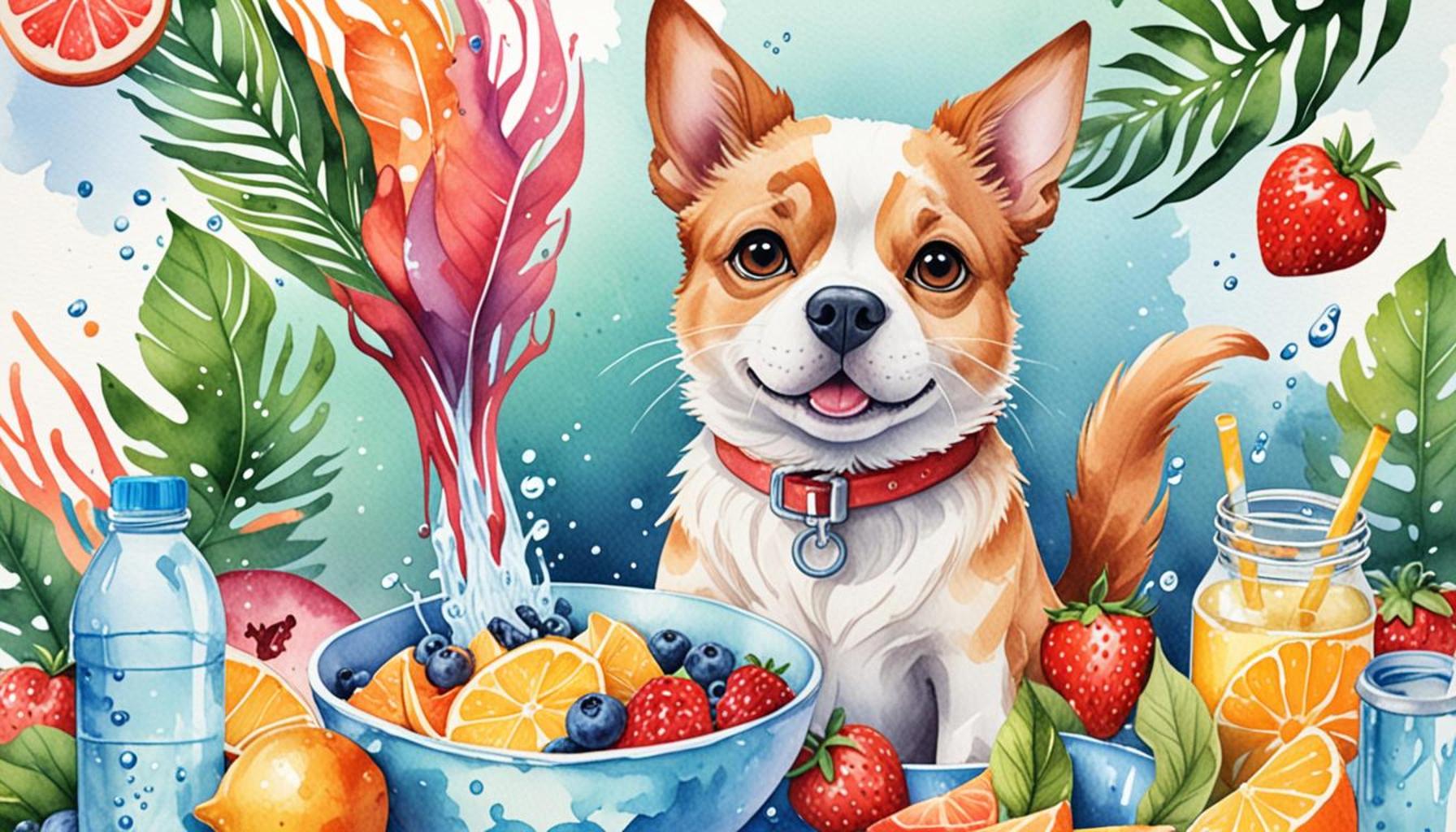
Every pet owner knows that hydration is crucial for their furry companions. However, misconceptions about pet hydration can lead to significant health issues. The vital role water plays in a pet’s overall health certainly cannot be overstated. Let’s unravel the myths and truths surrounding this essential aspect of a pet’s diet and delve into how you can better support your beloved animals.
The Myths
- Myth 1: Pets get enough water from their food.
- Myth 2: Dogs and cats only need water when they are thirsty.
- Myth 3: All pets have the same water requirements.
The Truths
- Truth 1: Some pets require more water than others, depending on their size and activity level.
- Truth 2: Dehydration can lead to serious health problems, including kidney issues.
- Truth 3: Fresh, clean water should always be accessible to pets, regardless of their food intake.
The first myth, that pets receive sufficient water through their food, can be misleading. While some pet foods, particularly wet or canned varieties, contain moisture, most pets still need additional free water to stay hydrated. For example, an active dog may require more water than a sedentary one, so relying solely on a diet that includes wet food might not meet their hydration needs adequately.
Equally concerning is the belief that pets can wait until they are thirsty before drinking water. This may lead to dehydration, which can impose significant strain on their kidneys and overall health. Signs of dehydration in pets may not always be obvious; they include dry gums, lethargy, and sunken eyes. Pet owners should proactively provide water throughout the day rather than waiting for their pets to show signs of thirst.
It is also important to recognize that hydration needs are individualized. Factors such as age, weight, environmental temperature, and level of activity can affect a pet’s water requirements. For instance, large breed dogs generally need more water than smaller breeds, while active dogs in warmer climates will drink more to replace the fluids lost through panting.
To ensure optimal hydration, fresh, clean water should be accessible at all times. Consider investing in a pet water fountain, which can encourage drinking due to the continuous flow of fresh water. Monitoring your pet’s water intake can also provide insights; if they are drinking significantly more or less than usual, it could indicate a health issue that requires veterinary attention.

By exploring the dimensions of pet hydration, you’ll not only help dispel these myths but also ensure your pets lead healthier lives. To aid your furry friends in reaching optimal hydration, familiarize yourself with the best practices, invest time in understanding their specific needs, and consult with a veterinarian to clarify any concerns. Understanding your pet’s hydration requirements is one of the most effective ways to contribute to their long-term health and happiness.
DISCOVER MORE: Click here to learn about the emotional challenges of pet adoption
Unpacking the Myths of Pet Hydration
When it comes to our pets, hydration is a fundamental aspect of their well-being that often goes overlooked. Many pet owners harbor misconceptions about how their companions can maintain hydration, which can have serious implications for their health. Let’s dissect some of these common myths to better understand the genuine hydration needs of our furry friends.
Myth 1: Pets Get Enough Water from Their Food
The idea that pets obtain sufficient hydration solely from their food is notably misleading. While it’s true that some pet foods, particularly wettier options like canned food, contain a substantial amount of moisture, it is generally not enough to meet all their hydration requirements. Active dogs or those living in warm climates may require additional water beyond what’s included in their diet. According to the American Kennel Club, a healthy canine should have access to fresh water at all times, ideally drinking roughly one ounce of water per pound of body weight each day. This statistic highlights how important free water actually is for maintaining hydration.
Myth 2: Pets Only Need Water When They’re Thirsty
Many believe that if their pet is not actively seeking water, then they are well-hydrated. This is a dangerous assumption. Pets don’t always act on their thirst instinctively, especially when they are distracted by play or adventure. Waiting until a pet shows signs of thirst can lead to severe dehydration, affecting various biological functions. Dehydration symptoms can include dry gums, lethargy, and loss of appetite. Therefore, it’s imperative for owners to consistently provide fresh water, encouraging their pets to drink regularly throughout the day.
Myth 3: All Pets Have the Same Water Requirements
This myth simplifies the reality of hydration needs among different species and individual pets. For instance, tiny breeds like Chihuahuas will have different requirements when compared to a large breed such as a Great Dane. Factors such as age, weight, health conditions, and level of physical activity significantly affect each pet’s water intake. Generally speaking, active pets or those exposed to hot weather will need more water than their less active counterparts. Moreover, senior pets or those with health conditions may require closer monitoring of their hydration status to ensure they are consuming adequate fluids.
Addressing these myths helps pet owners understand that hydration is a dynamic and critical component of their pet’s nutrition. Ensuring that pets have continuous access to fresh water can drastically improve their quality of life. In the next section, we will explore the truths surrounding pet hydration that every pet owner should know, providing further insights into how to effectively maintain your companion’s health and happiness.
Understanding Hydration Myths and Facts
It is widely acknowledged that water is critical for both human and animal health. Many pet owners, however, harbor misconceptions regarding their pets’ hydration needs. One prevalent myth is that pets derive sufficient moisture from dry kibble alone. In reality, most commercial dry foods contain only 10% moisture, making it essential for pet owners to provide fresh water consistently. While cats, for instance, may drink less due to their evolution in arid environments, they still require adequate hydration to prevent urinary tract issues and support kidney function.Additionally, some believe that pets can drink water from any source. This is misleading, as water quality directly impacts health. Contaminated water can lead to various gastrointestinal diseases, causing further concern. Pet owners should ensure that their pets have access to clean, filtered water, as well as a balanced diet that meets their hydration needs.Another interesting aspect to consider is the idea of flavoring water to encourage pets to drink more. Some owners might add broth or flavor enhancers to entice their pets. While this can be beneficial, it’s vital to be cautious about ingredients that may be harmful, such as onions or excessive sodium. Instead, consider consulting with a veterinarian on safe alternatives that can stimulate hydration without compromising health.Understanding these myths and truths around hydration opens up significant conversations about pet care. The more informed pet owners become, the better they can promote the health and well-being of their furry companions. Ensuring that pets remain adequately hydrated is a critical part of maintaining their overall health and longevity.
| Myth | Fact |
|---|---|
| Pets get enough hydration from dry kibble. | Dry kibble typically contains only 10% moisture; fresh water must be provided. |
| All water sources are safe for pets. | Water quality matters; contaminated water can lead to health issues. |
Leveraging this knowledge not only enhances the well-being of pets but also enriches the human-animal bond, allowing for healthier, happier lives together.
LEARN MORE: Click here for tips on welcoming a new pet
The Truths About Pet Hydration
With the myths surrounding pet hydration addressed, it’s essential to turn our attention to the truths that can help pet owners make informed decisions regarding their companions’ hydration needs. Understanding these realities is key to promoting the health and well-being of our furry friends.
Truth 1: Water Quality Matters
One of the often-overlooked aspects of pet hydration is the quality of the water provided to them. Pets, like humans, can be sensitive to the taste and cleanliness of water. Chlorinated or heavily mineralized water can deter pets from drinking, leading to insufficient hydration. Regularly changing and cleaning your pet’s water bowl is crucial to encourage them to drink more. Some pet owners find that filtered water or even pet fountains, which can keep the water circulating and fresh, are appealing to their pets and promote better drinking habits. According to pet health experts, fresh, clean water can significantly enhance hydration levels in pets.
Truth 2: Dehydration Can Escalate Quickly
It is essential to recognize just how quickly dehydration can become a serious issue for pets. A loss of just 10% of body weight due to dehydration can lead to severe health complications, while 15% can be fatal for pets. Dogs and cats do not have the same stoic demeanor as humans, and can mask symptoms until they become critical. Regular monitoring, especially in hot weather or after vigorous exercise, and providing opportunities for hydration can prevent these alarming situations. A simple check of your pet’s skin elasticity by gently pulling up the skin at the back of the neck—if it doesn’t snap back quickly, it’s a sign of dehydration—can be a good routine to follow.
Truth 3: Supplements Can Aid Hydration
In addition to providing fresh water, certain hydration supplements can support your pet’s overall hydration status. Products containing electrolytes can help replenish lost fluids, especially after physical activity or illness. For pets that refuse to drink water, adding bouillon or low-sodium broth can encourage them to hydrate while providing flavor. However, it’s important to consult with a veterinarian before introducing any supplements, to ensure they are appropriate for your pet’s specific health needs. This proactive approach can further fortify your pet’s hydration regimen.
Truth 4: Hydration Affects Overall Health
The link between hydration and overall health in pets is undeniable. Proper hydration plays a vital role in various bodily functions, including digestion, circulation, and temperature regulation. Insufficient water intake can lead to urinary tract issues, kidney problems, and even hinder your pet’s ability to maintain a healthy coat. Studies show that pets that remain well-hydrated tend to exhibit better energy levels and overall vitality, leading to a happier life. Consistently providing access to fresh water is not merely a convenience but an essential component of responsible pet ownership.
Understanding the truths around hydration allows pet owners to take proactive steps in nurturing their pets’ health. By ensuring quality water, recognizing the rapid onset of dehydration, considering supplements, and allowing for a direct connection between hydration and overall well-being, pet owners can significantly improve the quality of life for their beloved animals. As we delve deeper into this subject, it becomes increasingly clear that proper hydration is a cornerstone of responsible pet care.
DISCOVER MORE: Click here to learn about essential nutrients for your pets
Conclusion: The Vital Role of Hydration in Pet Health
In the quest to ensure our pets lead healthy and vibrant lives, understanding the importance of hydration is paramount. As we’ve evaluated the prevalent myths and confirmed key truths about pet hydration, it’s evident that care and attention to hydration can make all the difference in a pet’s well-being. Providing clean, fresh water is not just an act of kindness but a necessary responsibility of a pet owner.
With the immense risks associated with dehydration, including severe health complications and the potential for fatal outcomes, being proactive about monitoring your pet’s water intake is crucial. Recognizing the signs of hydration issues and employing strategies such as quality water sourcing and clever use of hydration supplements can help maintain optimal health for your furry friends.
Moreover, it is important to remember that adequate hydration influences various bodily functions—ranging from digestion to temperature regulation. The connection between hydration and overall vitality reinforces that every drop counts in your pet’s diet. To this end, pet owners should embrace a holistic approach that integrates hydration awareness into the daily care regimen.
As we continue to learn more about our pets, let us not overlook the significance of hydration. Through education and commitment to their needs, we can champion the health of our beloved companions. Keep hydrating, keep caring, and let’s ensure our pets enjoy the thriving lives they deserve.