The Importance of Socialization in Dogs Mental Health
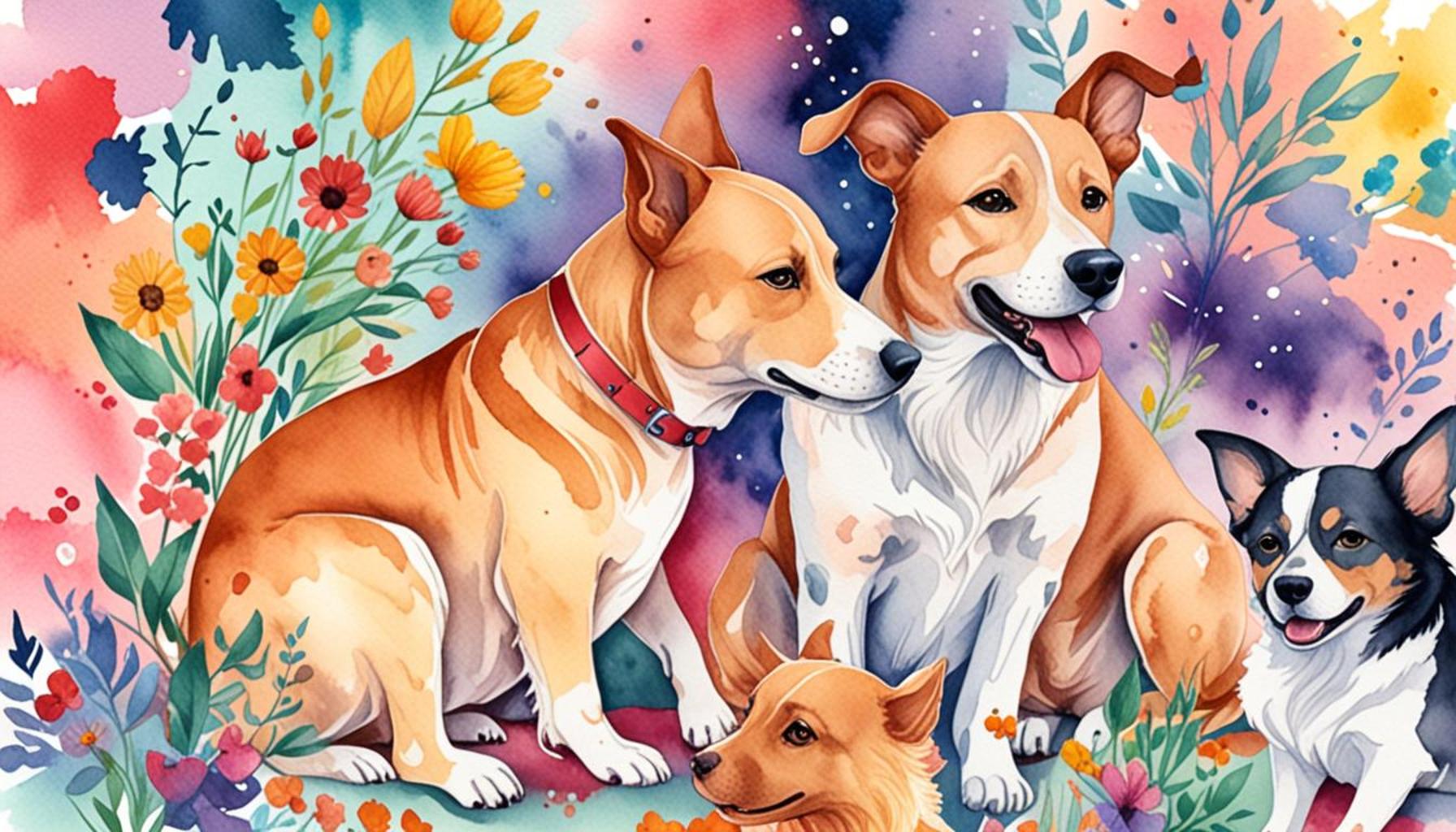
The Crucial Role of Socialization in Dogs’ Mental Health
Understanding how socialization impacts dogs’ mental health is essential for any pet owner. A well-socialized dog exhibits better behavior patterns and is less prone to issues such as anxiety and aggression. This underscores the importance of making socialization a fundamental component of a dog’s daily routine.
Why Socialization Matters
Socialization is not merely an enjoyable endeavor; it is pivotal for ensuring a dog’s full behavioral development. Dogs exposed to a variety of situations, people, and animals during their early stages of life tend to grow up with a greater sense of balance and adaptability. This exposure aids in molding their reactions and responses to new and potentially stressful stimuli, contributing significantly to their overall mental resilience.
Unveiling the Top 5 Reasons for Socialization
- Reduces Anxiety: Dogs that are regularly socialized tend to show reduced signs of stress and anxiety, feeling more comfortable in different scenarios.
- Improves Adaptability: Exposure to diverse environments helps dogs adapt more easily, whether it’s crowded streets or bustling parks.
- Prevents Aggression: Socialized dogs often display lower levels of aggression. Interacting with various people and animals teaches them to react calmly and safely.
- Boosts Confidence: Frequent social interactions build a dog’s confidence, making them bolder and more enthusiastic explorers of the world around them.
- Enhances Training Success: Well-socialized dogs are usually more receptive to training, as they are accustomed to following commands amidst distractions.
This exploration into the essential role of socialization in fostering a happy, healthy dog provides a clear roadmap for enhancing your canine companion’s life. Implementing effective socialization techniques will not only improve your dog’s demeanor but will also enrich their interactions, leading to a more fulfilling experience for both you and your pet.
Top 5: The Importance of Socialization in Dogs’ Mental Health
Socialization is an essential aspect of canine development that profoundly affects a dog’s mental health and overall well-being. A well-socialized dog is not only a joy to be around but also a happier, more balanced member of the family. Proper socialization from an early age allows dogs to manage stress better, react aptly to various stimuli, and engage more positively with their environment. This article explores the top five reasons why socialization is crucial for your dog’s mental health, capturing the nuanced ways it benefits our furry friends, ranked from fifth to first. Embark on this journey to uncover how these interactions enhance both the life of your beloved canine and your own.
5. Socialization Reduces Anxiety
Anxiety in dogs can manifest through a variety of symptoms, such as trembling, barking excessively, or even becoming destructive. Such behaviors are particularly noticeable when dogs confront unfamiliar situations, environments, or individuals. Socialization acts as a preventive measure against these anxious responses. Through consistent exposure to different people, places, and pets, dogs gradually learn to perceive these stimuli as non-threatening, significantly reducing anxiety levels. Activities such as visits to the dog park, arranging playdates with other dogs, or even taking different routes for your daily walks can be immensely beneficial. These experiences, while seemingly simple, foster a deep-set sense of security and calm, making future encounters with the unfamiliar less daunting.

4. Promotes Balanced Behavior
Dogs, by nature, are social creatures. This inherent trait implies the necessity for interaction to grasp essential social cues and etiquette within their environment. Socialized dogs generally display fewer incidences of undesirable behavior such as aggression, excessive barking, or boundary-pushing. When interacting with various dogs and people, they learn valuable lessons about what is socially acceptable. This includes understanding the nuances of play, retreating from confrontational situations, or respecting another’s space. In environments where socialization opportunities are stripped away, dogs may resort to excessive protectiveness or confrontation—behaviors actively mitigated through healthy interaction. Consistent engagement, especially during their formative puppy stages, ingrains these lessons, leading to a well-behaved and adaptable pet.
3. Enhances Cognitive Development
Much like humans, dogs benefit significantly from mental stimulation to maintain cognitive sharpness. Socialization serves as an effective platform for mental exercise. The act of engaging with other canines or people challenges them mentally, requiring them to problem-solve in social contexts. Through social encounters, dogs develop advanced communication skills, enhancing their ability to read social cues more adeptly, which in turn boosts their intelligence and adaptability. For instance, exposing your dog to various interactive environments such as agility courses or dog-friendly events provides multifaceted stimuli that support cognitive development. These activities encourage them to think critically and react appropriately, ensuring their minds remain active and engaged.
2. Strengthens Your Bond
The journey of socializing your dog not only serves their benefit but nurtures the relationship shared between owner and pet. As both participants in socialization, the series of shared experiences help fortify this unique bond. Whether it’s mastering a new skill in a training class, enjoying a leisurely stroll in the park, or simply spending time in a café, these moments are ripe with opportunities for bonding. Such shared interactions establish a loop of positive reinforcement, nurturing trust, boosting confidence for both dog and owner, and enriching experiences that lead to a stronger, more trusting relationship. This meaningful connection underpins a dog’s mental health, fostering a secure and contented pet.
1. Fosters Overall Happiness and Well-Being
At its core, socialization is about cultivating happiness and well-being in dogs. In the wild, dogs are pack animals, and this social dynamic is crucial to their happiness in a domestic setting too. A well-socialized dog is often more content, demonstrating reduced aggressiveness, increased friendliness, and an overall improved quality of life. Socialization opens avenues for exploration, play, and meaningful interactions with both humans and other animals. These positive engagements help maintain a healthier mental state, reducing stress and potential anxiety-induced health issues. Consequently, this not only makes them more approachable and enjoyable companions but also contributes positively to their longevity and vitality.
In conclusion, socialization plays a vital role in safeguarding and enhancing a dog’s mental health. From alleviating anxiety and promoting socially balanced behavior to ensuring cognitive enrichment and happiness, the benefits are substantial. Both dogs and their human companions enjoy richer, more rewarding lives as they partake in this mutual journey of discovery. Implementing effective socialization practices, starting from early puppyhood and continuing throughout a dog’s life, sets the groundwork for nurturing a well-adjusted pet. Ultimately, a socially adept dog guarantees not just their prosperity but a more harmonious and fulfilling relationship with their human families.
Socialization is not just a crucial aspect of a dog’s upbringing; it profoundly influences their mental health throughout their lives. Dogs are pack animals by nature, and their well-being often hinges on their interactions with their environment, both human and canine. In this section, we will delve deeper into specific aspects of socialization that bolster mental health in dogs and highlight the importance of each.One of the key benefits of socialization is the prevention of behavioral issues. Well-socialized dogs typically exhibit fewer signs of anxiety, fear, and aggression. When dogs are exposed to various stimuli—such as different people, environments, and other animals—they learn to navigate these scenarios without undue stress. For instance, a dog that has been frequently socialized with other dogs is less likely to react aggressively towards unfamiliar canines, reducing the chances of problematic behaviors and fostering a more harmonious existence within the community.Furthermore, socialization opens up avenues for dogs to engage in positive interactions. Activities like visiting dog parks, attending training classes, or participating in playdates not only allow dogs to play but also enhance their confidence. Engaged and confident dogs are often more adaptable and less prone to anxiety-related disorders. This adaptability can be particularly crucial during significant life changes—such as moving to a new home or welcoming a new family member—where a well-socialized dog can adjust better than one who is not.Moreover, socialization fosters cognitive development. Interacting with different stimuli helps a dog’s brain develop and function optimally. Dogs that regularly experience novel environments are more likely to exhibit vital cognitive skills. This continuous exposure encourages problem-solving abilities, as they learn to navigate changes in their surroundings. For example, a dog accustomed to various sights, sounds, and smells is more adept at handling unexpected occurrences, making them mentally sharper and more resilient.In addition to cognitive benefits, physical health is also intertwined with socialization. Dogs that have ample opportunities for socialization are often more physically active, which plays a vital role in their overall health. Regular play and interaction with other dogs encourage exercise and reduce the risk of obesity, which is linked to multiple health issues, including depression. Physical activity is a well-documented enhancer of mood and can lead to improved overall well-being for dogs.Lastly, it’s worth noting the positive feedback loop created by socially active dogs. When they engage successfully in social interactions, it reinforces their behavior and builds their self-esteem. A confident dog is more likely to initiate interactions and seek out experiences, leading to a fulfilling and enriched life. In summary, the dimensions of socialization in enhancing a dog’s mental health are staggering. From reducing anxiety to fostering cognitive skills and encouraging physical activity, the impacts are multifaceted. Recognizing the significance of socialization can lead dog owners to create environments that nurture their pets’ mental health, ultimately leading to happier, healthier lives for our beloved companions. To further illustrate these points, a table below summarizes various categories related to the advantages of dog socialization and their respective impacts:
| Category | Details |
|---|---|
| Behavioral Improvement | Reduces anxiety and aggression through exposure to various stimuli. |
| Increased Confidence | Promotes adaptability to new environments and situations. |
| Cognitive Development | Enhances problem-solving skills and encourages mental sharpness. |
| Physical Health | Encourages regular exercise, reducing obesity-related risks. |
Understanding these connections can empower dog owners to prioritize socialization in their pets’ lives, leading to better mental health outcomes and an enriched life for their furry friends.
Frequently Asked Questions about the Importance of Socialization in Dogs’ Mental Health
Why is socialization important for a dog’s mental health?
Socialization plays a crucial role in a dog’s development. It helps them become well-adjusted pets and prevents behavioral problems. A lack of proper socialization can lead to issues such as aggression, anxiety, and fear. By engaging with different environments, people, and animals, dogs learn to navigate the world with confidence. As a result, socialization is directly linked to their emotional well-being.
What are the signs that my dog needs more socialization?
If your dog appears fearful or aggressive in new situations, it may indicate a need for more socialization. Other signs include excessive barking, avoidance of other dogs and people, and stress in unfamiliar environments. Regular exposure to varied experiences can mitigate these issues, making socialization a preventive measure against such behavioral challenges.
When is the best time to start socializing my dog?
The optimal time to begin socializing your dog is during their puppyhood, specifically from three weeks to three months of age. This period is known as the “sensitive period,” when puppies are most receptive to new experiences. However, socialization shouldn’t stop after this phase. Continuous socialization is beneficial for dogs of all ages, reinforcing positive behaviors and helping them adapt to changes throughout their lives.
How can I safely socialize my dog with others?
To ensure a positive experience, start with controlled environments, like dog-friendly parks or training classes. Introduce your dog to various people and other vaccinated, well-behaved dogs gradually. Observe your dog’s comfort level and take breaks if they show signs of stress. Always use positive reinforcement, such as treats and praise, to encourage desirable interactions.
Can adult dogs be socialized effectively?
Yes, adult dogs can indeed be socialized effectively, although it may require more patience and consistent efforts compared to puppies. Begin by introducing them to new situations at a pace they are comfortable with and reward positive behavior. With time and dedication, adult dogs can learn to adapt and become more sociable, enhancing their mental health and strengthening their bond with humans and other animals.
Conclusion: The Vital Role of Socialization in Canine Mental Health
Socialization plays an undeniably crucial role in the mental health of dogs. Just as social interactions are essential for human well-being, our canine companions thrive on building bonds and exploring the world around them. Throughout this article, we’ve delved into the multifaceted benefits of socialization, a pivotal component in ensuring our pets lead happy and fulfilled lives.
Firstly, we explored how socialization reduces anxiety and stress, helping dogs navigate various environments and interactions with ease. Early exposure to different stimuli and experiences can prevent the development of phobias and problematic behaviors. In tandem, socialization helps in shaping a harmonious relationship between pets and their human companions by fostering trust and obedience.
The Impact of Structured Socialization
- Breathing Easier: Dogs with a rich social life tend to display more relaxed behavior and are less prone to aggression.
- Emotional Resilience: A well-socialized dog is better equipped to adapt to new situations, leading to increased emotional stability.
- Physical Health: Active social dogs often engage in more physical activities, promoting better health and longevity.
While each dog is unique, the general consensus remains clear: socialization is not merely an option but a necessity for their mental health. This encourages pet owners to not only focus on basic training but to also cultivate a diverse and stimulating lifestyle for their furry friends. Incorporating social activities, whether it be dog parks or obedience classes, enhances their daily experiences, nurturing their well-being.
As we continue to learn more about canine psychology, the link between mental health and socialization becomes apparent, inviting us to explore further the ways we can improve our dogs’ quality of life. By fostering these interactions, we not only benefit our pets but also enrich our own lives with their companionship.