The Influence of Robotic Automation on Education: Learning Tools and the Future of the Classroom
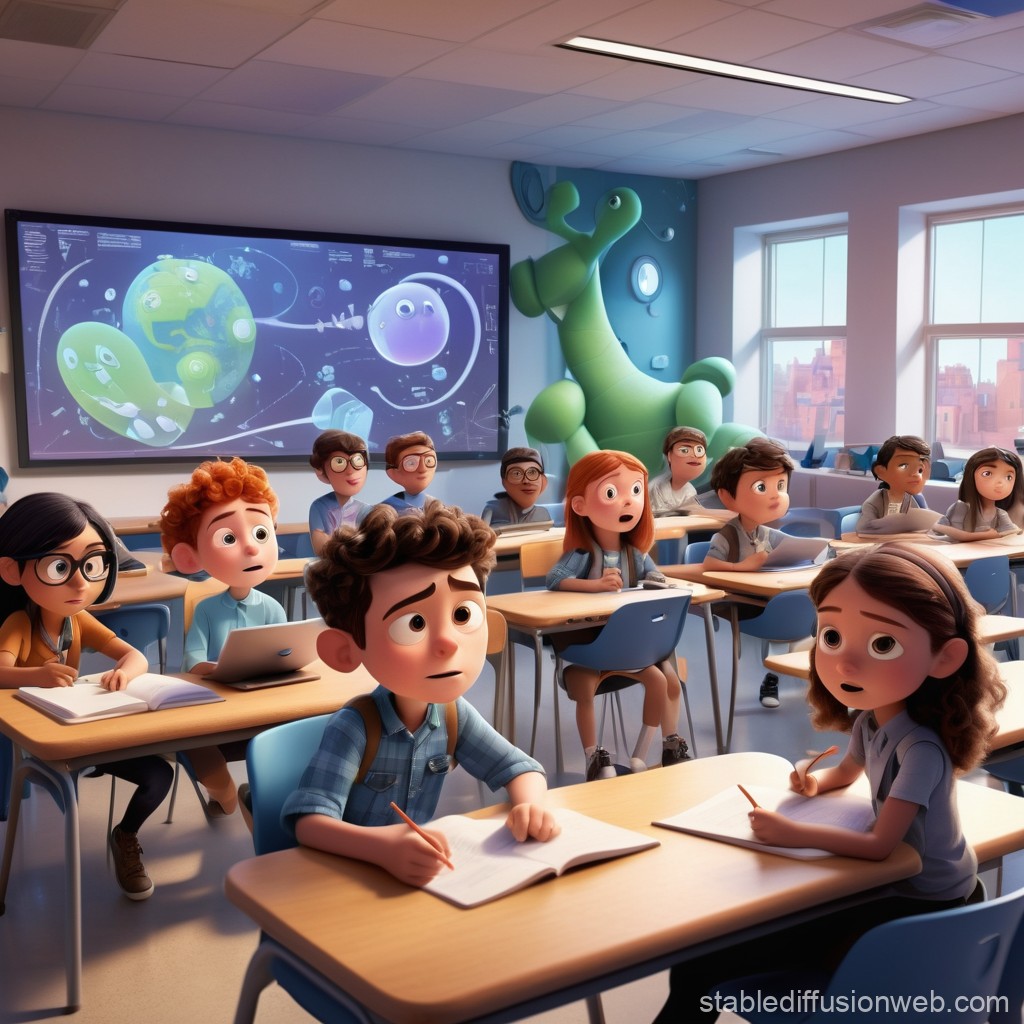
In recent years, the classroom has started to transform in ways previously thought to be the stuff of science fiction. Robotic automation is reshaping traditional learning environments, introducing innovative educational tools that enhance engagement and accessibility. This phenomenon is not just a trend; it’s a pivotal evolution in how we think about education.
Key developments in robotic automation and education:
- Adaptive Learning: Personalized education through AI-driven software that adjusts to individual student needs. This technology analyzes students’ learning patterns in real-time and modifies content delivery accordingly. For example, platforms like DreamBox Learning and Smart Sparrow utilize adaptive learning algorithms to identify areas where students struggle and provide tailored exercises aimed at addressing those gaps. Such personalized approaches can improve comprehension and retention rates, particularly beneficial for students with varying learning paces.
- Robotic Tutors: Interactive devices that assist in teaching, providing instant feedback and support. These robotic assistants, such as robots like NAO or the more advanced Sophia, are designed to make learning more interactive and engaging. They can deliver lessons, assess understanding, and offer immediate responses to student inquiries, effectively supplementing traditional teaching methods. An initiative by the University of Southern California involves the deployment of AI-driven robotic tutors in classrooms, which has shown promise in improving engagement and student satisfaction.
- Virtual Reality (VR) Simulations: Offering immersive experiences that transport students to different learning contexts. Programs like Google Expeditions and Labster allow students to experience virtual field trips to historical sites or conduct simulated lab experiments, making abstract concepts tangible. For instance, a biology student could explore the human body through a 3D environment, enhancing their understanding of anatomy far beyond textbook illustrations. This immersive approach has been shown to significantly boost retention and enthusiasm for learning.
As these tools gain traction across schools and universities, they present both opportunities and challenges. The potential benefits include improved student performance and increased accessibility for diverse learners, allowing students with disabilities to engage in ways previously unavailable. However, questions about equity, the role of teachers, and data privacy also emerge, warranting critical examination. For instance, access to advanced technologies may not be uniform across all educational institutions, leading to disparities in learning opportunities.
The path ahead
Looking toward the future, understanding the implications of robotic automation in education becomes essential. Will these advancements create an enriched learning landscape or divide it further? The evolving role of educators must also be considered; as technology assumes a greater teaching role, the importance of human interaction and mentorship cannot be overlooked. As we delve into this topic, the landscape of education holds exciting possibilities that invite exploration and discussion. Will educators be able to harness these innovative tools to inspire and elevate the learning experience, or will they find themselves navigating a maze of ethical and practical challenges? The answers lay in a collective commitment to shape the future of education for all.
DISCOVER MORE: Click here to learn about innovative solutions
Transformations in Educational Methodologies
The integration of robotic automation into educational settings has ignited a transformative shift in how knowledge is conveyed and absorbed. As colleges and schools around the United States embrace these advancements, the methods of instruction are evolving to meet the diverse needs of today’s learners. Central to this evolution are several key developments that not only enhance the educational experience but also address longstanding challenges in traditional classrooms.
- Gamification of Learning: By incorporating game-like elements into the educational process, robotic automation has made learning more appealing to students. Platforms such as Kahoot and Classcraft harness gamification techniques, providing interactive challenges that foster competition and collaboration among peers. These tools engage students by tapping into their intrinsic motivation, making the learning experience more enjoyable and effective.
- Data Analytics: The use of automated systems to collect and analyze student data is revolutionizing instructional strategies. Tools powered by AI, such as Edmodo and PowerSchool, track student progress, attendance, and engagement levels, allowing educators to gain critical insights into individual and class performance. This real-time information provides teachers with the ability to make informed decisions about resource allocation and intervention strategies, thereby improving overall educational outcomes.
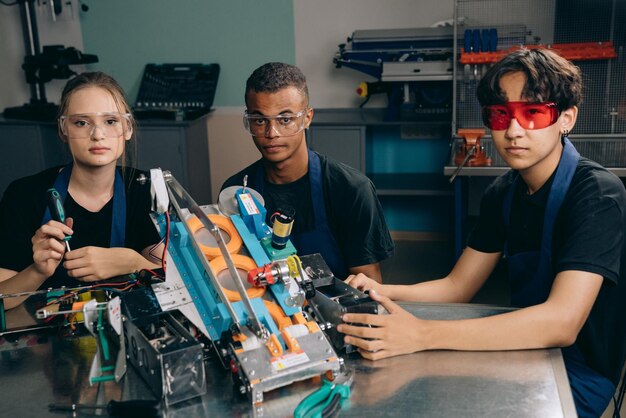
- Encouraging STEM Engagement: Robotics and coding initiatives in education aim to spark interest in science, technology, engineering, and mathematics (STEM). Programs like FIRST Robotics and Code.org challenge students to engage with technology directly, fostering skills necessary for future careers. As industries increasingly seek individuals with STEM competencies, these initiatives provide a vital pathway for students, equipping them with essential problem-solving abilities and technical knowledge.
As educators leverage these innovative tools, the potential for enhanced learning outcomes is immense. The interactive nature of gamified learning, combined with data-driven insights, empowers teachers to customize their approach to meet the needs of each student. Additionally, while fostering enthusiasm for STEM career paths, these initiatives help bridge the skills gap that exists in many sectors within the United States.
Navigating the Challenges Ahead
However, embracing robotic automation in classrooms is not without challenges. As education increasingly relies on technology, concerns regarding screen time, student privacy, and the role of teachers come to the forefront. How can educators balance the benefits of these advancements with the necessity of personal interaction? Moreover, there is an ongoing debate about the digital divide affecting access to these resources, which can perpetuate inequalities in learning opportunities. These considerations underscore the need for thoughtful implementation and policy development as we explore the future landscape of education.
As robotic automation continues to reshape various industries, its influence on education becomes increasingly pronounced. The integration of robotic learning tools not only enhances classroom engagement but also equips students with the necessary skills for their future careers. For instance, the use of robotics in educational curricula promotes critical thinking, creativity, and problem-solving abilities, essential traits in the 21st-century workforce.
| Advantages of Robotics in Education | Impacts on Learning |
|---|---|
| Enhanced Student Engagement | Robots capture student interest, making learning interactive. |
| Personalized Learning Experiences | Students learn at their own pace, adapting to individual needs. |
| Preparation for Future Careers | Hands-on robotics training aligns education with job market demands. |
The use of robots in classrooms facilitates a hands-on approach to learning. Robotics competitions and project-based learning initiatives encourage teamwork and collaborative skills, while also sparking innovation and entrepreneurship among students. As schools continue to embrace robotic automation, educational institutions must also prepare teachers to effectively integrate these tools into their teaching methodologies.Moreover, the data collected through robotic interactions can provide valuable insights for educators, helping them better understand student learning behaviors. Adaptive learning technologies powered by artificial intelligence further customize the educational experience, recommending resources and strategies tailored to each student’s unique learning journey. As we move towards a future greatly influenced by technology, the role of education will be pivotal in shaping skilled individuals who can navigate a landscape defined by rapid innovation and change. The influence of robotic automation in the classroom serves as a crucial stepping stone into this new era of learning and teaching.
DIVE DEEPER: Click here to uncover more insights
Enhancing Personalized Learning Experiences
The rapid advancement of robotic automation in educational environments not only reshapes teaching methodologies but also enhances personalized learning experiences for students. As artificial intelligence (AI) becomes more integrated into educational frameworks, the ability for tailored instruction is markedly improved, fostering an environment where each student can thrive based on their unique learning style and pace.
- Adaptive Learning Platforms: With technologies such as smart tutoring systems and AI-driven platforms like Smart Sparrow and DreamBox Learning, students can access personalized lessons tailored to their individual strengths and weaknesses. These systems analyze students’ responses in real time and adjust content accordingly, creating a customized learning path that encourages mastery of subjects. Research indicates that adaptive learning can result in a significant boost in student performance, as it meets learners where they are, rather than forcing them into a one-size-fits-all approach.
- Virtual Reality (VR) and Augmented Reality (AR): Immersive technologies are transforming the classroom experience by providing students with engaging scenarios that deepen understanding. For instance, platforms like Oculus and Google Expeditions allow students to explore historical sites or dissect virtual organisms, bridging theory with practical experience. By incorporating VR and AR into the curriculum, educators can enhance comprehension and retention, catering to visual and experiential learners who might struggle with traditional methods.
- Collaborative Learning Tools: Robotic automation also promotes collaboration among students through platforms such as Microsoft Teams and Google Classroom, which facilitate group projects and peer feedback. These collaborative tools allow learners to work together in real time, enhancing their communication and teamwork skills—both crucial competencies for the modern workforce. By pooling their perspectives and strengths, students not only learn from the content but also from one another, producing a richer educational experience.
The emergence of these technologies significantly alters the dynamics of classroom learning. With the focus shifting towards personalized educational experiences, students can engage deeply with material in a way that suits their individual needs. Coupled with the interactive nature of virtual and augmented reality, the boundaries of conventional teaching crumble as students embark on exciting educational journeys.
Preparing Educators for a Robotic Future
As the landscape shifts, teacher training programs must evolve concurrently to equip educators with the skills necessary to navigate this new technological terrain. Professional development opportunities focusing on robotic automation and AI integration in classrooms are crucial. Programs that provide educators with hands-on experience using these tools ensure they are prepared to leverage technology effectively in their teaching practices. Institutions such as the International Society for Technology in Education (ISTE) are setting the standard for training that encompasses not only the use of new technologies but also how to foster critical thinking and adaptability within students.
Moreover, the successful implementation of robotic automation in education requires a collaborative approach with industry stakeholders and educational institutions working together to create resources and infrastructure. As innovations in robotic automation continue to emerge, partnerships with tech companies can offer schools access to cutting-edge tools while keeping them informed about emerging trends in education technology.
Thus, as educators step into this new frontier, the integration of robotic automation not only prepares them to teach a more advanced curriculum but also inspires a generation of learners primed to meet the challenges of an increasingly automated world.
DISCOVER MORE: Click here to learn about the impact of machine learning in healthcare
Looking Ahead: The Future of Education with Robotic Automation
The influence of robotic automation on education is undeniably profound, as it transforms classroom dynamics and enhances the overall learning experience. By integrating adaptive learning platforms, immersive virtual reality, and effective collaborative tools, educators can create a learning environment that not only caters to individual student needs but also ignites a passion for knowledge. This shift promises to equip students with vital skills—critical thinking, collaboration, and creativity—essential for navigating an increasingly complex world.
As we advance into this era of technological innovation, the role of educators becomes even more pivotal. They must embrace continuous professional development in robotic automation and AI utilization to effectively harness these tools’ potential. The collaboration between educators and technology companies will foster an educational ecosystem rich with resources and support, ensuring that schools remain at the forefront of advancements in education technology.
Ultimately, the future of the classroom lies in the synergy between human insight and robotic capabilities. As education adapts and evolves, students will not only emerge with enhanced learning experiences but also as agile thinkers prepared to tackle the challenges of tomorrow’s workforce. Embracing this transformation presents a significant opportunity for educational institutions, stakeholders, and students alike, paving the way for a brighter and more inclusive educational landscape.