The Risks of Obesity in Pets: Prevention and Treatment

The Rise of Pet Obesity in the United States
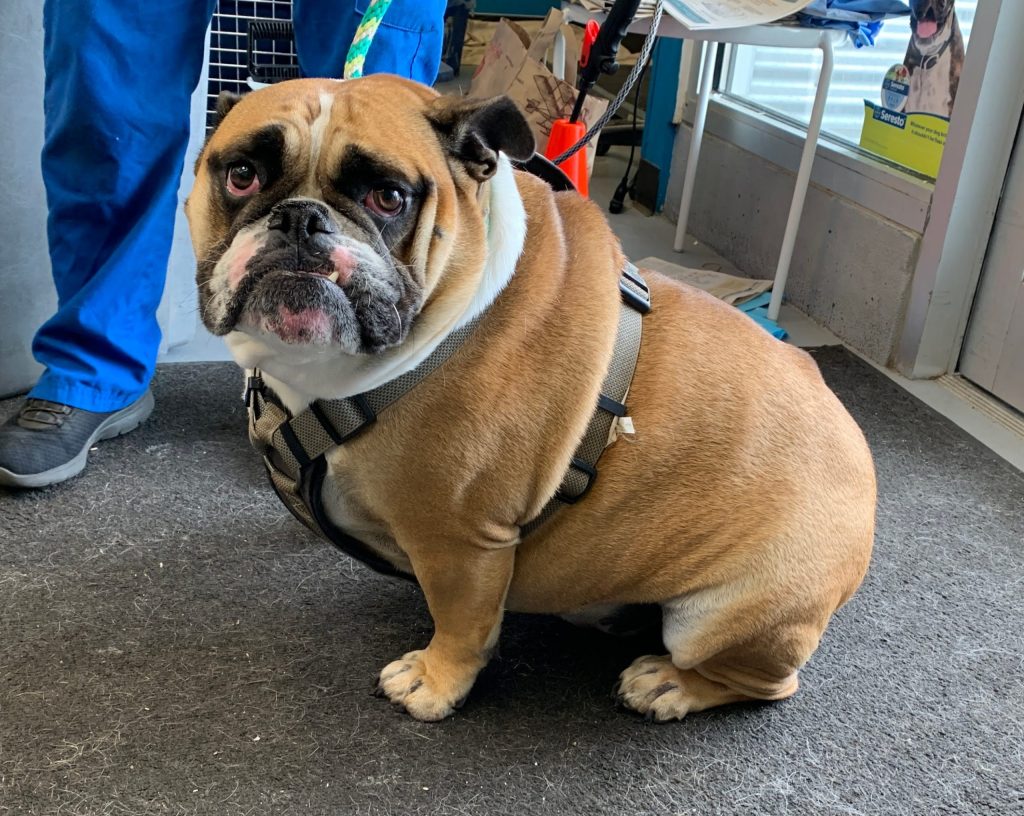
In recent years, the issue of unhealthy weight in pets has taken on alarming proportions in the United States. Recent studies show that over 50% of dogs and over 60% of cats are flagged as overweight or obese. These figures highlight a troubling trend that mirrors the growing concerns of obesity within the human population. Pet obesity is not merely a cosmetic concern; it poses serious risks that can dramatically hinder the quality of life for our beloved companions.
The Risks of Obesity
Understanding the potential dangers of maintaining an overweight pet is crucial for every responsible pet owner. The consequences span both physical health and emotional well-being, significantly affecting a pet’s overall lifestyle.
- Chronic health issues: Excess weight often leads to debilitating conditions such as diabetes, which affects insulin production and can complicate daily life. Heart disease becomes a serious concern as the cardiovascular system struggles to cope with the increased strain. Additionally, arthritis, a painful joint condition, is prevalent in overweight animals, causing a decrease in mobility and quality of life.
- Decreased mobility: Pets carrying excess weight often find it difficult to engage in playful activities that are vital for their physical health. A once-active dog may prefer to remain sedentary, leading to a vicious cycle of increased weight and decreased stamina. Cats can also become lethargic, forgoing the usual climbing and pouncing that keeps them fit.
- Shortened lifespan: Studies have shown that obesity can significantly decrease a pet’s life expectancy. On average, overweight dogs may live up to two years less than their healthy counterparts, while obese cats can suffer similar fates.
Moreover, the psychological impact of obesity should not be underestimated. Increased weight can result in lower energy levels, affecting a pet’s mood and playfulness. This can lead to additional behavioral issues, as pets may become frustrated or anxious when they are unable to engage like they used to.
Combating the Pet Obesity Epidemic
Addressing this issue requires a proactive approach from pet owners. Prevention and treatment methods are essential and can be implemented consistently. Some of the most effective strategies include:
- Balanced diet: Providing a nutritious diet tailored to your pet’s specific needs is foundational. This includes choosing high-quality pet food with appropriate caloric content and portion sizes, as well as considering any allergies or sensitivities your pet may have.
- Regular exercise: Daily activities that engage both body and mind are crucial. For dogs, this may mean daily walks, fetch, or agility training, while cats can benefit from interactive toys and climbing structures that encourage movement.
- Routine veterinary check-ups: Regular visits to the veterinarian help monitor weight and overall health, allowing for early intervention if necessary. Your vet can guide diet and exercise plans tailored to your pet’s unique lifestyle and health needs.
As committed pet owners, we have the responsibility to ensure our animal companions remain healthy and happy. This article aims to shed light on the serious risks associated with obesity while offering actionable steps to help our pets lead longer, healthier lives. By fostering good habits and being vigilant about their well-being, we can combat this troubling trend and pave the way for a happier future for our furry friends.
DIVE DEEPER: Click here to learn about your dog’s mental health
Understanding the Serious Consequences of Pet Obesity
As the statistics show, pet obesity is not merely an aesthetic issue; it involves real health repercussions that every pet owner should take seriously. The link between being overweight and various chronic health conditions in pets is well-established. Understanding these risks is imperative for ensuring the longevity and happiness of our furry companions.
Chronic Health Issues
One of the most alarming risks associated with obesity in pets is the development of chronic health conditions. A pet’s extra weight can lead to a series of health complications, including:
- Diabetes: Similar to humans, pets can develop diabetes as a consequence of obesity. The insulin resistance that occurs can lead to difficulties in managing blood sugar levels, requiring costly treatments and ongoing monitoring.
- Heart Disease: Excess weight puts extra strain on a pet’s heart, which can lead to various cardiovascular issues. Pets with heart disease may show signs such as lethargy, difficulty breathing, and an overall decrease in quality of life.
- Arthritis: Being overweight increases the risk of joint issues, particularly in older pets. Arthritis can cause significant pain and limit mobility, making it difficult for pets to engage in normal activities such as playing or walking.
Psychological Impacts
The repercussions of obesity extend beyond physical health. Overweight pets may experience psychological effects that can affect their behavior and overall happiness. For example:
- Lethargy: Pets that are obese often display reduced energy levels, leading them to avoid playtime and interaction with their owners. This lack of engagement can contribute to a cycle of further weight gain.
- Behavioral Issues: Obesity can lead to frustration and anxiety in pets, resulting in issues such as excessive barking, destructive behavior, or withdrawal from social interactions.
These psychological factors, combined with the physical ailments of obesity, can drastically reduce a pet’s quality of life. They may become less receptive to play, struggle with interaction, and even show signs of depression. As pet owners, being aware of these elements is important in taking proactive measures to mitigate the risks associated with obesity.
Prevention Is Key
Effective prevention and treatment strategies for pet obesity not only improve the physical health of pets but also enhance their emotional well-being. As the prevalence of obesity rises, recognizing the early signs and implementing changes will be essential in safeguarding our pets against its detrimental effects. By adopting a balanced diet, ensuring regular exercise, and having routine veterinary check-ups, pet owners can play a significant role in combating this growing concern.
The Risks of Obesity in Pets: Prevention and Treatment
Obesity in pets is not just a cosmetic issue; it poses serious health risks that can significantly shorten the lifespan of our beloved companions. Studies show that overweight pets are at a higher risk for various health conditions, including diabetes, joint problems, and cardiovascular disease. Understanding these risks is essential for pet owners to take proactive measures to protect their furry friends.A major factor contributing to obesity is a lack of physical activity. Many pets are spending more time indoors due to lifestyle changes and urbanization, which limits their opportunities for exercise. Additionally, the accessibility of high-calorie foods and treats means that many pets consume more calories than they expend, leading to weight gain. Pet owners must focus on a balanced diet and introduce regular exercise to help maintain a healthy weight. When it comes to treatment, both dietary adjustments and lifestyle changes are key. Consulting with a veterinarian can provide tailored plans that include portion control, low-calorie diets, and specific exercise regimes suitable for the pet’s age and condition. Many pet owners are unaware that some common health issues in pets can directly stem from obesity. For example, excess weight can exacerbate arthritis, making it painful for pets to move, thus creating a vicious cycle of inactivity and further weight gain.However, it is vital for pet owners to monitor their pets’ weight regularly and understand the healthy weight range for their specific breed. By taking these preventive and treatment steps seriously, we can ensure our pets lead healthier, happier lives in the long run.
| Category | Description |
|---|---|
| Health Risks | Obesity can lead to diabetes, heart issues, and joint problems, all of which affect a pet’s quality of life. |
| Prevention Strategies | Regular vet check-ups, balanced diet, and consistent exercise are essential to maintaining a healthy weight. |
By raising awareness about the risks associated with pet obesity and implementing effective prevention and treatment methods, pet owners can significantly enhance the health and longevity of their pets.
LEARN MORE: Click here for effective dog training techniques
Strategies for Effective Prevention and Treatment
Understanding the importance of prevention and treatment for obesity in pets is crucial for every pet owner looking to maintain their companion’s health. While the risks associated with obesity are significant, they can often be mitigated through careful planning and routine practices.
Nutritional Guidelines
One of the most critical steps in combating obesity is providing a balanced diet. Many pet owners may unknowingly contribute to their pet’s weight gain by offering excessive treats, table scraps, or feeding high-calorie foods. To effectively manage and prevent obesity, consider the following:
- Portion Control: Understanding the appropriate serving sizes for your pet’s specific breed, size, and age is essential. Consulting with a veterinarian for tailored feeding guidelines can prevent overfeeding.
- Quality Ingredients: Look for pet foods that list whole ingredients, avoiding those with high levels of fillers or artificial additives. Whole meats, fruits, and vegetables should be on the ingredient list, supporting a healthier metabolic rate.
- Regular Meal Times: Establishing a feeding schedule can help regulate your pet’s appetite and prevent constant begging for food. Implementing slow feeders or puzzle toys can also provide mental stimulation while regulating food intake.
Exercise and Activity
Establishing a routine of regular exercise is vital for maintaining a pet’s healthy weight. Just like in humans, exercise helps burn calories and supports overall health. Here are several effective ways to encourage your pet to be more active:
- Daily Walks: Dogs, in particular, benefit from daily walks. At least 30 minutes of moderate exercise per day is recommended, depending on their size and breed. Interactive playtime, such as fetch or tug-of-war, can also promote physical activity.
- Playdates and Socialization: Engaging your pet with other animals can make exercise more enjoyable. Playdates with other pets encourage them to jump, run, and play, which can lead to increased activity levels.
- Explore New Activities: Consider enrolling your dog in training classes or agility programs, or encourage cats to engage in climbing and jumping with suitable cat trees. These activities not only exercise them physically but mentally stimulate them as well.
Regular Veterinary Check-Ups
With the rising number of pets experiencing obesity, regular visits to a veterinarian cannot be overstated. A veterinary professional can provide valuable insights into weight management and medium-to-long-term strategies to mitigate obesity-related risks.
- Weight Assessments: Vets can perform body composition analyses and weight assessments, allowing pet owners to track their pet’s health accurately. These evaluations help create actionable plans that may include diet modifications or exercise suggestions.
- Health Monitoring: Regular check-ups allow for monitoring potential health complications related to obesity, such as diabetes or heart disease. Early detection can significantly improve outcomes.
- Customized Weight Loss Plans: Veterinary professionals can work with pet owners to develop customized weight loss plans that address their specific pet’s needs while considering any underlying health issues.
Understanding and implementing these preventative measures can profoundly impact the well-being of pets. By being proactive in dietary choices, ensuring regular exercise, and scheduling routine veterinary check-ups, pet owners can effectively combat the alarming rise of obesity in pets, safeguarding their health and happiness. Staying educated and engaged is critical for not just prevention, but for fostering a lifetime of well-being for our beloved companions.
DON’T MISS: Click here for essential tips on preventive cat care!
Conclusion
In conclusion, the risks of obesity in pets are profound and multifaceted, impacting not just their physical health but their overall quality of life. By recognizing the danger signs and taking proactive measures, pet owners can play an essential role in mitigating these risks. As discussed, preventive strategies like balanced diets, proper portion control, and regular exercise are pivotal in maintaining a healthy weight for our furry companions. Engaging our pets in enriching activities fosters both physical health and mental stimulation, ultimately leading to happier, more fulfilled lives.
Moreover, the importance of regular veterinary visits cannot be overstated. A professional’s guidance can help tailor individual dietary and activity plans, ensure early detection of potential complications, and support the ongoing management of weight. By treating obesity as a serious health concern rather than a mere cosmetic issue, we can avoid severe consequences like diabetes, heart disease, and diminished mobility.
As pet owners, making informed decisions today can lead to healthier tomorrows. It is our responsibility to educate ourselves on the risks associated with obesity, embrace the tools available for prevention, and be vigilant in our pet care practices. Ultimately, a collaborative effort between pet owners and veterinarians is vital to combat this growing epidemic, enabling every pet to live a long, healthy, and happy life. Together, we can make a significant difference in the lives of our beloved pets, ensuring that they thrive rather than merely survive.