The Role of Animal Shelters in Promoting Responsible Pet Adoption
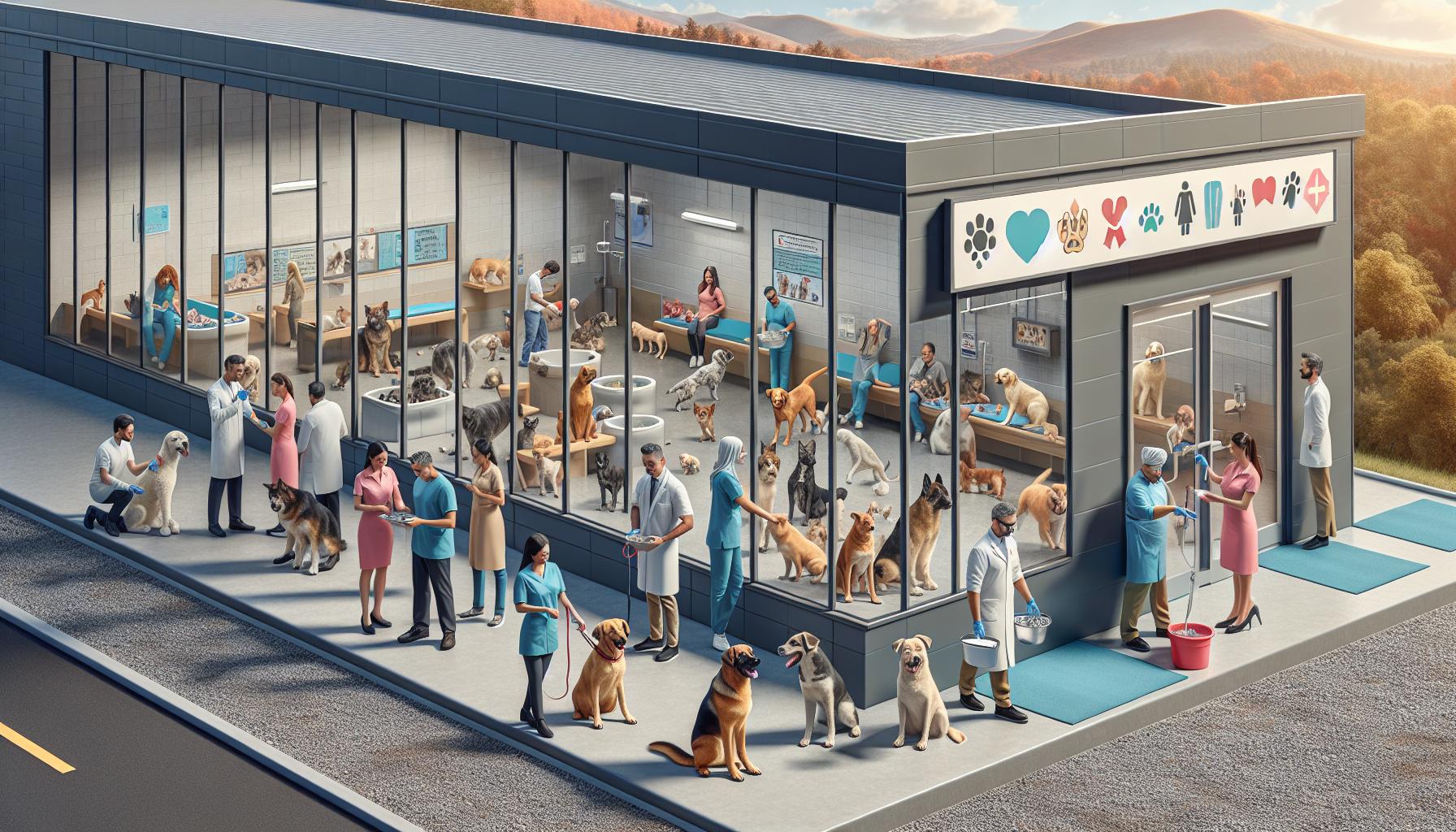
Understanding the Impact of Animal Shelters
Every year, millions of companion animals enter shelters across the United States. These facilities play a crucial role not only in providing refuge but also in fostering responsible pet adoption practices. By educating potential pet owners, animal shelters help ensure that pets find loving homes that match their needs, thus reducing the likelihood that these animals will be returned to shelters.
Key Functions of Animal Shelters
- Rescue and Rehabilitation: Shelters save animals from abandonment, neglect, and abuse. With collaborative efforts between local authorities and non-profit organizations, many shelters have developed programs aimed at rescuing animals from dire situations. For example, they often respond to reports of hoarding cases or unsafe living conditions, allowing them to rehabilitate not only the animal’s physical health but also their emotional well-being.
- Education: Facilities provide information on pet care, training, and the realities of pet ownership. Many shelters offer workshops and resources for new pet owners, covering topics such as proper nutrition, effective training methods, and how to recognize signs of stress or illness in animals. This education is essential, as it encourages potential adopters to understand the long-term commitment of pet ownership, ultimately resulting in more sustainable placements.
- Community Engagement: Many shelters host events to raise awareness and promote adoption. These events often include adoption days, where prospective pet owners can meet animals in need of homes, but they also extend to community outreach programs that emphasize the importance of spaying and neutering pets, thus helping to control the pet population.
Promoting responsible pet adoption involves much more than just finding homes for animals—it’s about ensuring lifelong commitments. Statistics show that approximately 6.5 million companion animals enter U.S. shelters each year, with only a fraction finding permanent residences. For instance, around 1.6 million of those animals are adopted out, while others continue to live in shelters or, sadly, do not make it out at all. This highlights the necessity for shelters to educate potential adopters on the responsibilities involved in pet ownership.
Animal shelters are not just places to adopt pets; they are pivotal in shaping future pet owners. By providing resources and support, they encourage informed choices, ultimately leading to happier lives for both pets and humans alike. This symbiotic relationship not only fosters a sense of community but also contributes to a more compassionate society where the needs of animals are recognized and prioritized. Engaging with local shelters or volunteering can be an excellent way to support these initiatives and promote the overall well-being of animals in need.
LEARN MORE: Click here for tips on caring for senior pets
The Essential Role of Animal Shelters in the Adoption Process
Animal shelters are more than mere temporary homes for abandoned pets; they are vital community resources that can significantly influence how people approach responsible pet adoption. The critical intersection between animal welfare and public education exists within these facilities, which actively work to change perceptions about pet ownership and foster a culture of empathy and compassion.
One of the most urgent issues shelters face is the sheer number of animals that require homes. According to the American Society for the Prevention of Cruelty to Animals (ASPCA), approximately 3.3 million dogs and 3.2 million cats enter U.S. shelters each year. With such staggering figures, shelters are crucial in promoting not just any adoption, but informed and responsible ones. Shelters employ various strategies to ensure that the animals placed in new homes are likely to thrive and not return to the shelter system.
Strategies Shelters Use to Foster Responsible Pet Adoption
- Comprehensive Assessment: Most animal shelters conduct thorough assessments of each animal’s behavior and health before placing them for adoption. This allows staff to recommend suitable matches based on lifestyle, living conditions, and preferences of potential adopters. A family with young children may be advised to adopt a more tolerant breed, while active individuals might be directed towards race dogs that require plenty of exercise.
- Matchmaking Services: Animal shelters often provide personalized matchmaking services where adoption counselors work directly with potential pet owners. This process helps ensure that adopters find pets that fit their lifestyle, minimizing the risk of returns due to mismatches.
- Post-Adoption Support: Many shelters offer continued support even after the initial adoption, including training classes, behavioral workshops, and access to veterinary care. This support not only helps new pet owners adjust to their responsibilities but also cultivates a long-term commitment to their pets.
By understanding the dynamics of an animal’s temperament, behavioral needs, and health requirements, shelters empower potential adopters to make informed decisions. This helps set the stage for a successful transition into the new home, reducing the sadness and frustration that often comes from returning pets to shelters.
The role of animal shelters extends far beyond saving lives; they actively shape a generation of pet owners who understand the impact of their choices. Through dedicated initiatives designed to promote responsible pet ownership, shelters nurture a culture of respect and accountability toward animals, leading to richer bonds between pets and their owners. By taking charge of their educational and support roles, these shelters contribute significantly to a future where fewer animals face abandonment, and each adoption story is one of hope and companionship.
The Role of Animal Shelters in Promoting Responsible Pet Adoption
Animal shelters serve as critical institutions in advocating for the welfare of pets and the values of responsible pet ownership. An often overlooked aspect of these shelters is their extensive role in educating communities about pet adoption. By providing resources and information, these organizations play an essential part in informing potential pet owners of the myriad responsibilities that come with adopting a pet.
One significant benefit of adopting a pet from an animal shelter is the pre-adoption counseling that many shelters offer. This initiative ensures that individuals are fully aware of the commitment involved in becoming a pet parent. Shelters guide prospective adopters through factors such as the time needed for training, the financial implications of pet care, and the compatibility between potential pets and their families. This approach not only reduces the chances of pets being returned after adoption but also fosters a bond based on understanding and accountability.
Moreover, animal shelters frequently host community events aimed at raising awareness about the plight of homeless animals. These events showcase the animals available for adoption while simultaneously serving as platforms for discussions on responsible pet ownership and the importance of spaying or neutering pets. Through these efforts, shelters actively work to decrease the population of stray and abandoned animals, presenting adoption as a viable solution to this ongoing issue.
In addition to educational programs and community events, shelters often collaborate with local businesses and organizations to promote responsible pet ownership. By forming partnerships, they can amplify their reach and impact. For example, many shelters provide discounts on veterinary services or offer training classes, thereby creating a supportive network that encourages the adoption of pets in a responsible manner.
| Category | Advantages |
|---|---|
| Education and Counseling | Shelters provide essential information about the responsibilities involved in pet ownership. |
| Community Outreach | Events highlight the importance of adoption while encouraging responsible care practices. |
Through these initiatives, animal shelters not only advocate for the animals in their care but also foster a culture of compassionate pet ownership in communities. As we continue to discuss the importance of these institutions, it becomes evident that their role in promoting responsible pet adoption is both essential and multifaceted.
DISCOVER MORE: Click here to uncover superfoods for your pets
Community Outreach and Educational Initiatives
Animal shelters play an indispensable role in not only providing a safe haven for animals but also in engaging with the community to spread awareness about the significance of responsible pet ownership. Through various outreach programs and educational initiatives, shelters create a bridge between potential adopters and the valuable resources they offer. This proactive approach helps to demystify the adoption process and facilities a better understanding of pet care responsibilities.
Engagement Through Workshops and Seminars
Many animal shelters organize workshops and seminars that cover a multitude of topics related to pet care, including responsible ownership, training techniques, and the importance of spaying and neutering. For instance, the Maryland SPCA regularly hosts free seminars for families interested in adopting their first pet, making sure they understand what to expect in terms of time, money, and emotional investment. These educational events help to equip prospective adopters with the knowledge they need to make informed decisions and ease any anxiety associated with pet ownership.
Utilizing Social Media and Online Platforms
Animal shelters leverage social media platforms like Facebook, Instagram, and Twitter to share stories of adoptable pets and provide educational content about responsible pet adoption. Adoption events are often live-streamed, showcasing the personalities of the animals in real-time, effectively drawing in potential adopters who might otherwise feel disconnected from the shelter environment. Furthermore, shelters like Best Friends Animal Society utilize their online presence to promote awareness campaigns that highlight the importance of opening one’s home to shelter pets while also sharing statistics about pet overpopulation and the impact of adoption on solving this issue.
Collaboration with Local Organizations
Partnerships with schools, local businesses, and community organizations amplify the shelters’ efforts to promote responsible pet adoption. By working with educational institutions, shelters can introduce children to the joys of animal care at a young age, fostering future generations of responsible and compassionate pet owners. For example, some shelters actively participate in school programs where children learn about animal welfare, animal behavior, and the responsibilities that come with pet ownership. These partnerships promote a ripple effect in the community, leading to increased awareness and a greater commitment to adoption.
Adoption Incentives and Events
Many shelters host special events or offer adoption incentives to encourage responsible pet adoption. Events like “Clear the Shelters” aim not only to place more animals into loving homes but also to educate adopters about the lifelong commitment involved in pet ownership. During such occasions, animal shelters often waive or reduce adoption fees, making it even more accessible for families to welcome pets into their homes. Each of these initiatives continually reinforces the shelter’s mission: to secure loving homes for pets while educating the public on what it means to be a responsible pet owner.
The collective efforts of animal shelters in community engagement, educational initiatives, and outreach programs extend beyond the confines of the shelter walls. By instilling a sense of responsibility and empathy towards animals, shelters are laying the groundwork for a more humane society where informed decisions regarding pet adoption lead to fewer animals in need and happier households overall.
DISCOVER MORE: Click here to learn about the essentials of pet nutrition
Conclusion
The invaluable contributions of animal shelters in promoting responsible pet adoption cannot be overstated. By offering resources, support, and education, shelters effectively serve as a vital link between pets in need and potential adopters who may be uncertain about the commitment required in pet ownership. Through engaging community initiatives, workshops, and social media outreach, shelters dispel myths surrounding adoption and empower individuals to make informed decisions.
As the statistics reveal a persistent crisis of pet overpopulation in the United States—over 3 million animals are placed in shelters every year—initiatives by shelters are more crucial than ever. Events like “Clear the Shelters” and collaborations with local organizations highlight the ongoing efforts to not only find homes for these animals but also foster a deeper understanding of what it means to adopt responsibly. By instilling educational frameworks, shelters are nurturing future generations of compassionate pet owners.
Moreover, as prospective adopters become more informed about the significance of pet care, they are likely to commit to lifelong relationships with their animals, reducing the rates of abandonment and return. Every effort, every story shared on social media, and every educational seminar held is a step towards a society where animal welfare is prioritized. Ultimately, the work of animal shelters is about more than just adoption; it’s about promoting a culture of empathy, responsibility, and lifelong care for all living beings. By investing in these initiatives, we can collectively pave the way for a brighter future for both pets and their owners alike.