The Role of Peer Learning in Enhancing Independent Skill Development

The Power of Collaborative Learning
In recent years, the method of peer learning has emerged as a transformative approach to education and skill acquisition, adapting to the demands of our increasingly interconnected society. This collaborative learning style does not only enhance independent skills but also provides access to shared experiences and diverse insights. So, what are the underlying reasons for its effectiveness?
Understanding the Benefits
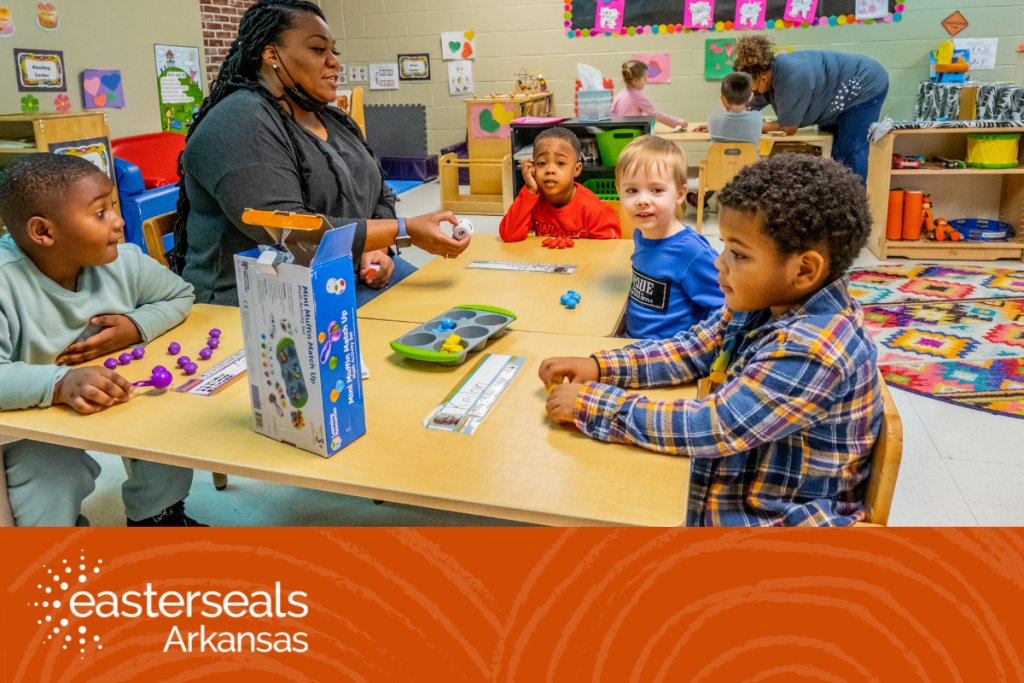
The allure of peer learning lies in its innate capacity to create a supportive community. When participants engage in this collaborative process, they build a network of mutual support. This nurturing environment allows individuals to ask questions and share vulnerabilities without fear of judgment. For example, during group projects in schools or at professional workshops, learners often feel less isolated, fostering a sense of belonging that can enhance confidence.
Moreover, in peer learning settings, individuals come with varied backgrounds and perspectives, which enriches the conversation. This shared knowledge can lead to a more comprehensive understanding of complex topics. For instance, a student with a strong grasp of theoretical concepts might struggle with practical applications, while another may excel in hands-on skills. Together, they can bridge these gaps, leading to a more holistic educational experience.
Driving Engagement Through Collaboration
Another compelling aspect of peer learning is its ability to spark increased engagement. Collaborative efforts often result in heightened interest and motivation, as individuals immerse themselves in discussions and activities. When students participate in study groups, for example, they are more likely to stay focused and committed to their learning objectives compared to studying in isolation. Research indicates that active participation in discussions can enhance retention rates and understanding of material, making it an invaluable tool in both academic and workplace environments.
Applications Across Various Settings
Peer learning is not confined to traditional classroom settings. It is flourishing in various environments, such as workshops and online forums. In the workplace, for instance, workplace mentoring programs can facilitate knowledge sharing among colleagues, leading to skill enhancement and professional growth. These programs promote an atmosphere where employees can learn from each other’s successes and challenges, resulting in a more cohesive and productive team dynamic.
Online platforms also play a crucial role in the growth of peer learning. Digital communities and discussion forums provide platforms for individuals to connect, collaborate, and share insights across geographic boundaries. Websites like Reddit and Quora foster vibrant discussions where users can learn from diverse experiences and perspectives, reflecting the modern need for accessible and adaptable learning solutions.
As we delve deeper into this fascinating topic, we aim to uncover how peer learning effectively boosts independent skill development and explore the dynamics that drive its success. Join us on this enlightening journey to discover innovative strategies that can transform the way we learn, ultimately shaping future educational practices and driving personal growth.
DIVE DEEPER: Click here to enhance your self-learning journey
Empowering Learners through Peer Collaboration
The essence of peer learning lies not just in the exchange of information, but in the cultivation of essential independent skills that empower individuals to take control of their own learning journeys. One critical aspect of this process is the development of critical thinking and problem-solving capabilities. When learners engage with their peers, they are often challenged to reinterpret concepts, consider alternative solutions, and articulate their viewpoints. This active engagement helps in solidifying their understanding and fosters a more profound intellectual agility.
Moreover, exposure to diverse perspectives enhances creativity. As participants collaborate with one another, they cultivate an environment ripe for innovative thinking. For instance, a study from the University of Chicago found that group discussions can facilitate a wider array of solutions to problems, showcasing how collaboration encourages “out-of-the-box” ideas. When individuals collaborate on projects, they begin to think beyond their own experiences, which can lead to the discovery of novel approaches and strategies.
Building Essential Social Skills
Peer learning also plays a pivotal role in developing vital social skills that are imperative for both personal and professional growth. These include skills such as communication, teamwork, and conflict resolution, which are increasingly essential in today’s job market. As learners work together, they are continually negotiating roles, responsibilities, and ideas, offering real-world practice in navigating interpersonal dynamics.
- Effective Communication: Participants learn how to express their ideas clearly and listen actively to others, fostering a culture of open dialogue.
- Teamwork: Collaborating on tasks teaches individuals how to work cohesively, aligning goals and optimizing collective strengths.
- Conflict Resolution: Exposure to differing opinions equips individuals with the tools necessary to amicably resolve disputes and reach a consensus.
The outcomes of these skills extend far beyond academic settings. Employers today consistently seek out individuals who can thrive in collaborative environments and contribute positively to team dynamics. As we witness the growing emphasis on soft skills in hiring practices across sectors, peer learning serves as a crucial laboratory for cultivating these essential abilities.
Encouraging Self-Directed Learning
Perhaps one of the most significant contributions of peer learning is its role in encouraging self-directed learning. In traditional educational settings, learners are often passive recipients of information. However, in a peer learning context, the roles switch, leading individuals to take ownership of their educational experience. This shift encourages individuals to set learning goals, seek resources, and reflect on their progress, all essential components of independent skill development.
The success of this model can be evidenced by the rise of paired learning systems, where students actively teach and support one another. For example, programs like “Peer Teaching” in various universities have reported significant improvements in both students’ academic performance and confidence levels. By allowing them to teach one another, these initiatives not only reinforce shared knowledge but also bolster individual accountability for outcomes.
As the exploration of peer learning continues, it becomes increasingly clear that this approach is a cornerstone for fostering independent skill development in learners. It stands not merely as a supplement to traditional learning methods, but as a transformative force capable of shaping the future landscape of education.
The Benefits of Peer Learning for Skill Development
Peer learning involves collaborative interactions among individuals where knowledge, skills, and experience are shared. This method not only enriches the learning experience but also enhances independent skill development. Below is a table that highlights the advantages of peer learning in this context:
| Category | Description |
|---|---|
| Enhanced Communication Skills | Peer learning encourages participants to articulate their thoughts, fostering effective communication skills. |
| Increased Motivation | Being part of a peer group often leads to higher motivation levels as learners support and encourage one another. |
| Diverse Perspectives | Collaborating with others exposes learners to varied viewpoints, enhancing critical thinking and problem-solving skills. |
| Building Confidence | Sharing knowledge strengthens self-assurance as learners see their contributions valued by peers. |
Understanding the role of peer learning can significantly impact how individuals approach their own skill development. It is essential for educators, trainers, and learners to recognize the potential that peer interactions have in fostering independent skill growth. Moreover, the emotional support derived from working alongside peers can lead to a more enriching learning journey. Engaging in peer learning not only aids in knowledge acquisition but also prepares learners for real-world interpersonal dynamics, making the process both fruitful and enjoyable.
DISCOVER MORE: Click here to enhance your skills
Fostering Accountability and Motivation
One of the often-overlooked aspects of peer learning is its ability to enhance accountability and motivation among learners. Peer relationships create a sense of responsibility where individuals not only feel accountable to themselves but also to their peers. This collective effort encourages individuals to come prepared, engage fully, and contribute meaningfully to discussions and group activities. Consequently, this leads to higher levels of commitment to the learning process, fostering an atmosphere of shared responsibility and communal success.
Research illustrates that learners who engage in peer study groups tend to have higher completion rates for assignments and projects. For example, a longitudinal study conducted by the Association for the Assessment of Learning in Higher Education discovered that students who participated in peer learning initiatives reported 30% greater levels of engagement with their coursework. This heightened engagement often translates into improved academic performance, underscoring how peer interactions stimulate intrinsic motivation to learn.
Facilitating Natural Feedback Loops
Peer learning also establishes a dynamic platform for natural feedback loops. Unlike traditional teacher-driven assessments, feedback among peers is typically more immediate, informal, and constructive. This creates a supportive environment conducive to improvement, as learners receive and provide honest evaluations about each other’s work. According to research published in the Journal of Educational Psychology, peer feedback not only enhances content understanding but also encourages the cultivation of critical assessment and reflection skills.
For instance, in project-based learning scenarios, students can present their ideas to peers who can offer insights and constructive criticism, leading to refinements that may not have been achieved in isolation. This iterative process empowers learners to refine their skills and boosts their confidence, as they experience tangible growth through collaboration.
Integrating Technology for Enhanced Learning Experiences
In today’s digital age, technology has catalyzed peer learning, opening a plethora of avenues for collaboration. Online platforms offer innovative mechanisms for students to engage with one another asynchronously or in real-time, transcending geographical barriers. For example, virtual study groups and online forums allow learners to connect over shared interests or academic challenges, making peer learning not just a physical activity but a virtual one as well.
Moreover, tools such as Google Docs or Microsoft Teams enable users to work collaboratively on projects, ensuring that feedback and support are integrated throughout the learning experience. This does not only lead to the enhancement of academic skills but also familiarizes students with digital literacy, a crucial competency in today’s workforce. According to the Pew Research Center, 67% of employers prioritize skills related to digital collaboration and communication, signaling a strong alignment between peer learning experiences and market demands.
Promoting Lifelong Learning Mindsets
Lastly, an essential outcome of peer learning is the promotion of a lifelong learning mindset. When learners are encouraged to collaborate and share knowledge, they develop a diverse understanding of how to approach learning throughout their lives. This inquisitive nature fosters resilience in the face of challenges and the adaptability to navigate varying educational and professional pathways.
As educational models evolve, the integration of peer learning methodologies becomes an increasingly crucial element in preparing students for future challenges. By fostering accountability, encouraging feedback, leveraging technology, and promoting a mindset for lifelong learning, peer learning stands as a beacon for enhancing independent skill development in today’s complex world.
DISCOVER MORE: Click here to learn more
Conclusion: Unlocking Potential Through Collaborative Learning
In an era where skills development is paramount, understanding the role of peer learning in enhancing independent skill development cannot be overstated. This enriching approach not only fosters an environment of accountability and motivation but also creates a vibrant ecosystem where learners can thrive. The power of collaborative interactions drives engagement, resulting in higher completion rates and improved academic outcomes, revealing just how pivotal peer networks can be for today’s students.
Moreover, the establishment of natural feedback loops among peers significantly elevates the learning experience. This immediate and constructive feedback promotes not only a deeper comprehension of subject matter but also hones essential skills such as critical thinking and self-assessment. As learners share insights and critique each other’s work, they become instrumental in each other’s growth, forming a support system that cultivates confidence and refinement.
The integration of technology amplifies these benefits, removing geographical barriers and enriching peer interactions through digital platforms. This democratization of learning helps equip students with vital digital literacy skills, which are increasingly sought after in the workforce. As identified by research, a significant percentage of employers value collaboration and communication skills, emphasizing the relevance of peer learning experiences in preparing students for future endeavors.
Lastly, as peer learning nurtures a lifelong learning mindset, it empowers individuals to embrace challenges and adapt to ever-evolving educational landscapes. As we continue to innovate within educational frameworks, harnessing the strengths of peer learning will undoubtedly lead to more competent, adaptable, and resourceful learners ready to tackle the complexities of the modern world.