Tips for Proper Hydration: The Importance of Water in Pet Nutrition and Well-Being
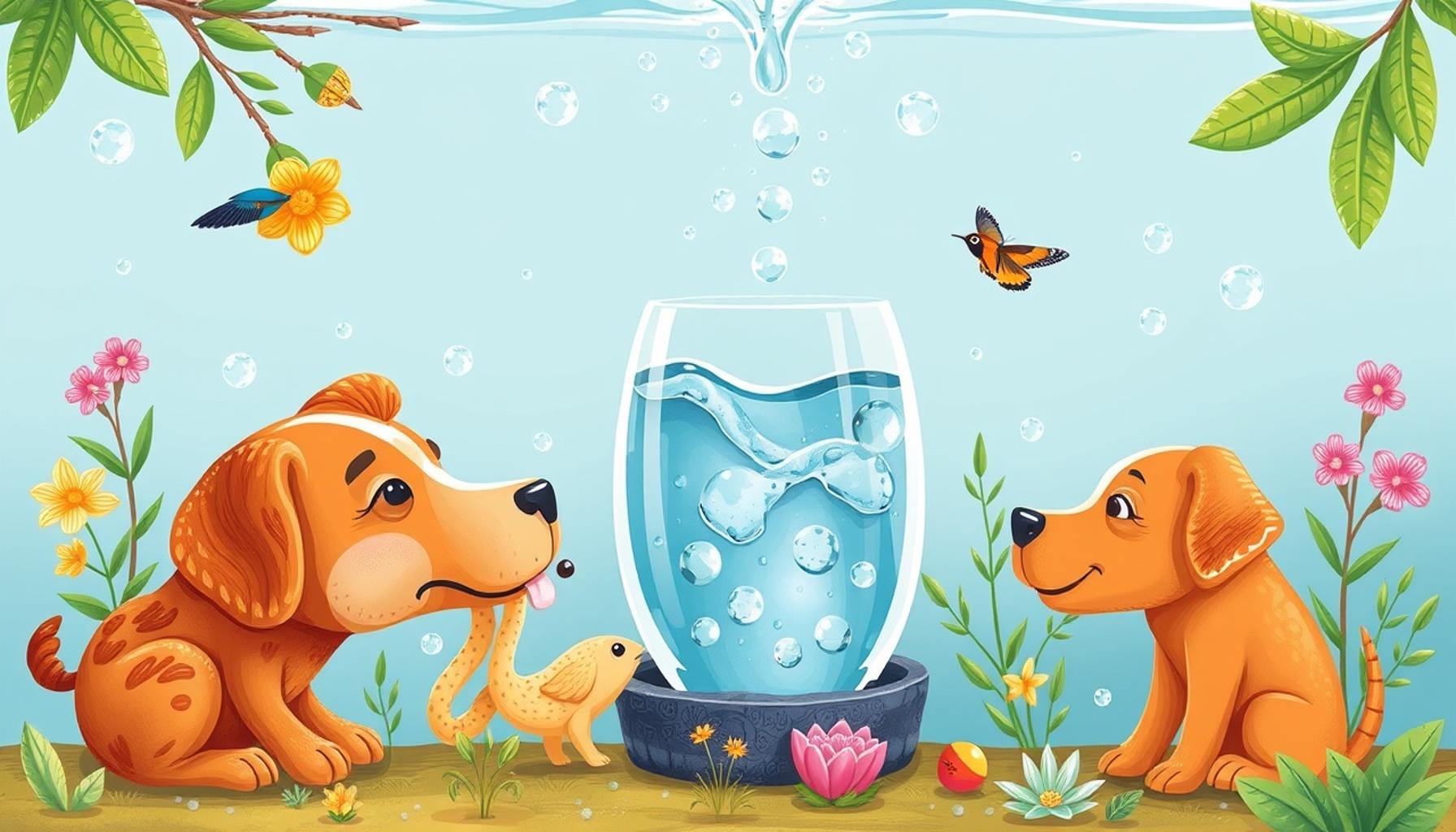
Water is the cornerstone of health and vitality, not just for humans but also for our cherished pets. Keeping our furry companions well-hydrated is essential to their well-being, as it impacts numerous physiological processes that are crucial for their daily activities. When pet owners understand the importance of hydration, they can significantly enhance their pets’ quality of life and thwart potential health issues down the road.
Why Hydration Matters
Ensuring that pets receive sufficient water intake is just as important as providing them with nutritious food. Below are compelling reasons why hydration is vital for your furry friends:
- Supports bodily functions: Water plays a key role in digestion by helping break down food and facilitating the absorption of nutrients. For instance, animals that drink enough water are better equipped to process proteins and carbohydrates effectively. Additionally, hydration is essential for waste elimination; without adequate fluid intake, pets may suffer from constipation and other digestive issues.
- Regulates body temperature: Pets, like humans, can become overheated, particularly in warmer months. Proper hydration assists in thermoregulation, enabling pets to dissipate heat through panting. This is especially critical for breeds that are more sensitive to heat, such as Bulldogs and Pugs, which can experience respiratory challenges in high temperatures.
- Improves energy and vitality: A well-hydrated pet tends to exhibit higher energy levels. For example, a dog that loves to play fetch will be more invigorated and eager to chase the ball if hydrated. On the contrary, dehydration can lead to sluggishness and a lack of enthusiasm, impacting your pet’s enjoyment of everyday activities.
Signs of Dehydration
Being aware of dehydration signs is crucial for every responsible pet owner. Quick recognition can lead to timely interventions. Watch for the following indicators:
- Dry mouth and gums: A healthy pet will typically have moist gums; dryness may signal insufficient hydration. If your pet’s gum color appears pale or sticky, this is a clear indication of dehydration.
- Loss of skin elasticity: You can perform a simple skin pinch test to evaluate hydration levels. Gently pinch the skin on the back of your pet’s neck and release it. If the skin does not return to its original position promptly, your pet may be dehydrated.
- Lethargy: A noticeable decrease in energy or playful behavior can be a red flag for dehydration. If your active cat or dog suddenly shows signs of disinterest in activities they usually enjoy, this warrants further investigation.
In the upcoming sections, we will delve into effective strategies to ensure your pets remain adequately hydrated. From selecting the right type of water bowl to understanding their specific intake needs based on size, age, and activity level, these insights will empower you to support your furry companion’s well-being and health.
Practical Strategies for Keeping Pets Hydrated
Ensuring your pets are adequately hydrated requires a proactive approach, as their hydration needs vary based on factors such as size, breed, age, and activity level. Implementing effective hydration strategies not only enhances your pet’s health but also increases their overall happiness. Here are some practical tips to help you maintain proper hydration for your furry companions:
- Provide fresh, clean water at all times: It’s imperative to offer your pet a constant supply of fresh and clean water. Ensure their bowl is regularly filled and washed, as stagnant water may harbor bacteria. Many pets prefer running water, so consider investing in a pet water fountain to encourage them to drink more frequently.
- Monitor their water intake: To better understand your pet’s hydration needs, keep an eye on how much water they usually consume. Some pet owners find it useful to measure the amount of water they provide each day, allowing them to notice any unusual changes in drinking habits. Consult your veterinarian if you observe significant fluctuations, as this may indicate an underlying health issue.
- Consider wet food options: Incorporating wet or canned food into your pet’s diet can significantly boost their hydration levels. These food types contain a higher moisture content compared to dry kibble, making them an excellent choice for pets that may not drink enough water regularly. Additionally, adding a splash of water or broth to dry food can make mealtime even more enticing.
- Offer ice cubes or frozen treats: On hot days, providing your pet with ice cubes or frozen treats can be a fun way to encourage hydration. Many pets enjoy chewing on ice or licking frozen treats made from low-sodium broth, which can keep them cool and motivate them to drink more water.
- Be mindful of hydration needs during exercise: If you frequently take your pet on walks or engage in vigorous play, it’s essential to give them access to water before and after these activities. Always carry a portable water bowl and bottle during outings to ensure your pet can hydrate when needed, especially in warmer weather.
By implementing these practical hydration strategies, you can significantly improve your pet’s overall health and well-being. Not only does proper hydration support critical bodily functions, but it also enhances their energy levels and quality of life. Remember, just like humans, pets can struggle with dehydration, so being vigilant and proactive is key to keeping them happy and healthy.
| Hydration Method | Benefits & Tips |
|---|---|
| Fresh Water Stations | Providing access to clean, fresh water encourages regular drinking and better hydration. |
| Wet Food | Incorporating high-moisture foods into your pet’s diet can significantly boost their water intake. |
| Hydration Products | Utilizing special hydration treats or additives can enhance flavor and encourage consumption. |
| Water Bowls | Ensure bowls are placed in easy-to-access areas and monitored for cleanliness for optimum hydration. |
Ensuring that your pets are adequately hydrated is crucial for their overall health. Each method listed provides several benefits that directly affect their well-being. Remember that water plays a vital role in digestion, circulation, and temperature regulation. Adequate hydration contributes to healthy skin, better energy levels, and improved kidney function in pets.While it may seem straightforward, hydration is often overlooked in pet care. By implementing the tips provided, you can significantly enhance your pet’s quality of life, showing just how intertwined water is with their daily nutrition and health. Keep exploring to discover more effective hydration strategies tailored to your pet’s specific needs.
Recognizing Signs of Dehydration in Pets
Even the most vigilant pet owners can occasionally overlook their pet’s hydration needs. Recognizing the signs of dehydration is crucial in ensuring their health and well-being remains a priority. Dehydrated pets can face serious health issues, and knowing how to identify dehydration early can save their lives. Here are several symptoms to watch for:
- Dry gums and nose: A quick way to assess your pet’s hydration status is to check their gums and nose. Dry, sticky gums and a dry nose can indicate inadequate hydration levels. Healthy pets usually display moist, pink gums, so if you notice any changes, it’s a red flag.
- Loss of skin elasticity: A simple skin test can help gauge hydration. Gently pinch the skin at the back of your pet’s neck and release it. If the skin retracts back quickly, your pet is likely adequately hydrated. However, if the skin takes longer to return to its original position, your pet may be dehydrated.
- Increased thirst: Although pets naturally drink when thirsty, excessive drinking can signify that they are dehydrated. If you notice your pet consuming an unusually high amount of water, it may indicate an underlying issue, and you should consult your veterinarian.
- Fatigue or lethargy: Just like humans, pets feel low on energy when dehydrated. If your normally energetic pet seems sluggish, disinterested in activities they usually enjoy, or lacks enthusiasm, consider evaluating their hydration levels.
- Sunken eyes: Observe your pet’s eyes—if they appear sunken, this can indicate dehydration. This symptom, when combined with others, should warrant immediate action. It is essential to take your pet to the veterinarian if you notice sunken eyes.
Understanding these signs and promptly addressing dehydration can prevent more severe health complications. Regular hydration checks, especially during high activity or hot weather, are vital to keeping your pet healthy and comfortable.
The Role of Age and Environmental Factors in Hydration
It’s important to note that a pet’s hydration needs change throughout their life stages. Puppies and kittens require significantly more water relative to their body weight compared to adult animals. Older pets may also experience decreased thirst sensation, making it crucial to encourage more frequent drinking sessions. As a pet owner, be aware of your pet’s life stage, ensuring that their hydration needs are being adequately met.
Environmental factors such as temperature and humidity also play a pivotal role in hydration. During summer months or in warmer climates, pets are at a higher risk for dehydration due to increased sweating through paw pads and panting. As a proactive measure, consider adjusting your pet’s water intake by providing additional sources, such as keeping water bowls in shaded areas or using cooling mats to help regulate their body temperature.
Furthermore, if you’re providing your pets with a home environment that is dry due to air conditioning or heating, this can also impact their hydration. Indoor pets may not notice their thirst as easily, so ensuring access to fresh water is essential. You may even want to consider using a humidifier in extreme conditions to help maintain moisture levels in the air and promote better hydration.
By understanding the distinct hydration needs of your pets, adapting to their life stage, and considering the environmental influences, you can make informed decisions that contribute to their overall hydration and well-being.
Conclusion: Prioritizing Hydration for Pet Health
Ensuring your pet is properly hydrated is a fundamental aspect of their overall nutrition and well-being. Water is essential for a myriad of bodily functions, including digestion, nutrient absorption, and temperature regulation. As outlined, recognizing the signs of dehydration—such as dry gums or lethargy—can be life-saving and give you the opportunity to act swiftly. Pet owners must be vigilant, especially during warmer weather or in situations that increase thirst.
Moreover, understanding that hydration needs vary across different life stages and environmental conditions is vital. Puppies and kittens, with their faster metabolisms, require more fluids, while senior animals may need encouragement to drink more. As guardians of our furry companions, it’s our responsibility to create a pet-friendly environment that promotes hydration. Simple adjustments, like keeping water bowls filled and located in cooler areas, or incorporating wet food into their diet, can lead to significant improvements in their hydration status.
In conclusion, hydration is not just an afterthought but a critical component of pet care. By frequently monitoring your pets’ intake and recognizing the environmental factors that influence their drinking habits, you can enhance their quality of life and longevity. Continuing to educate yourself on the importance of hydration in pet health not only fosters better companionship but also empowers you as a pet owner to make informed decisions. Let’s make hydration a priority and ensure our beloved pets thrive!