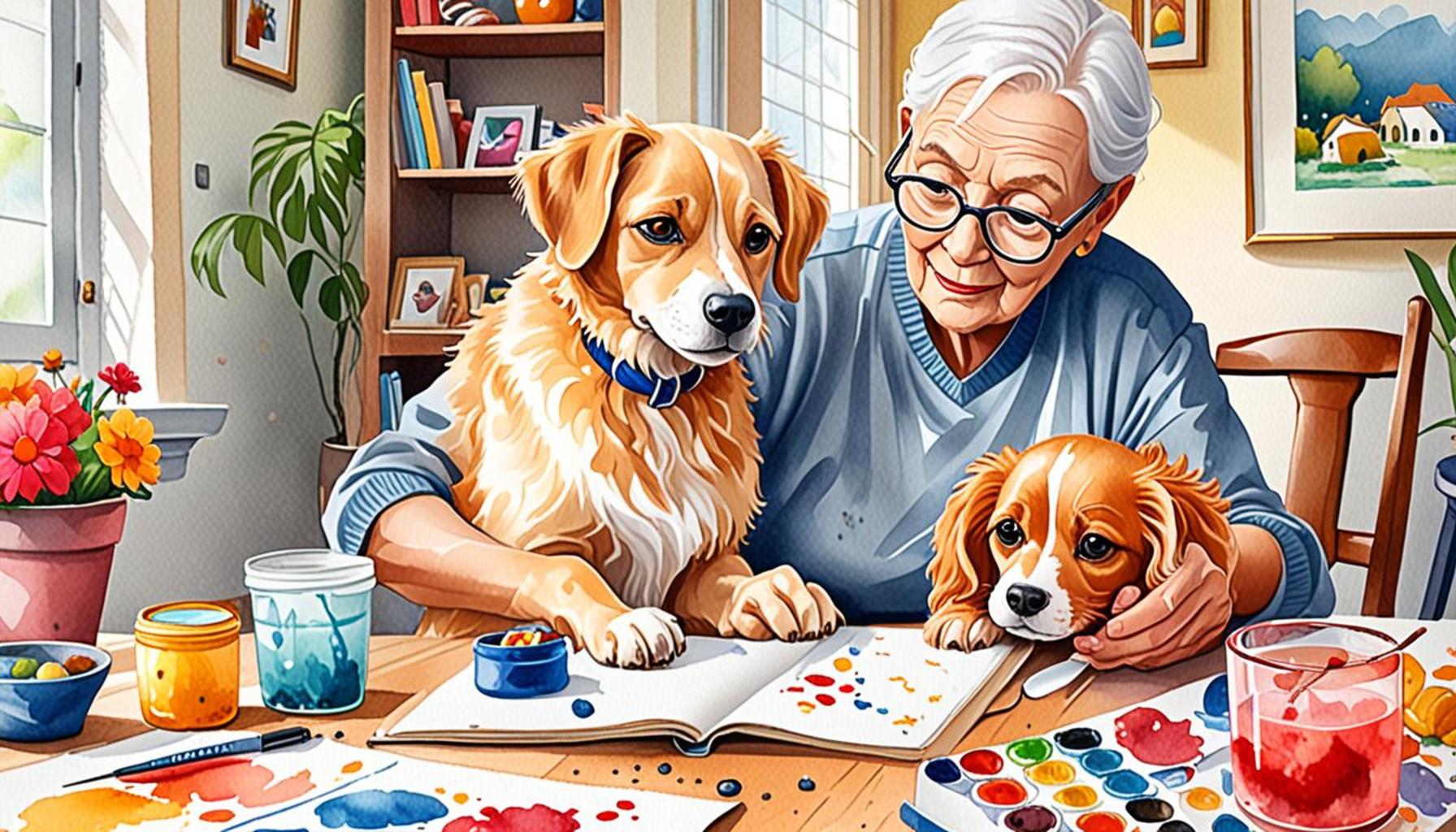
Training Techniques for Multi-Pet Households: Harmonizing Learning Among Different Animals
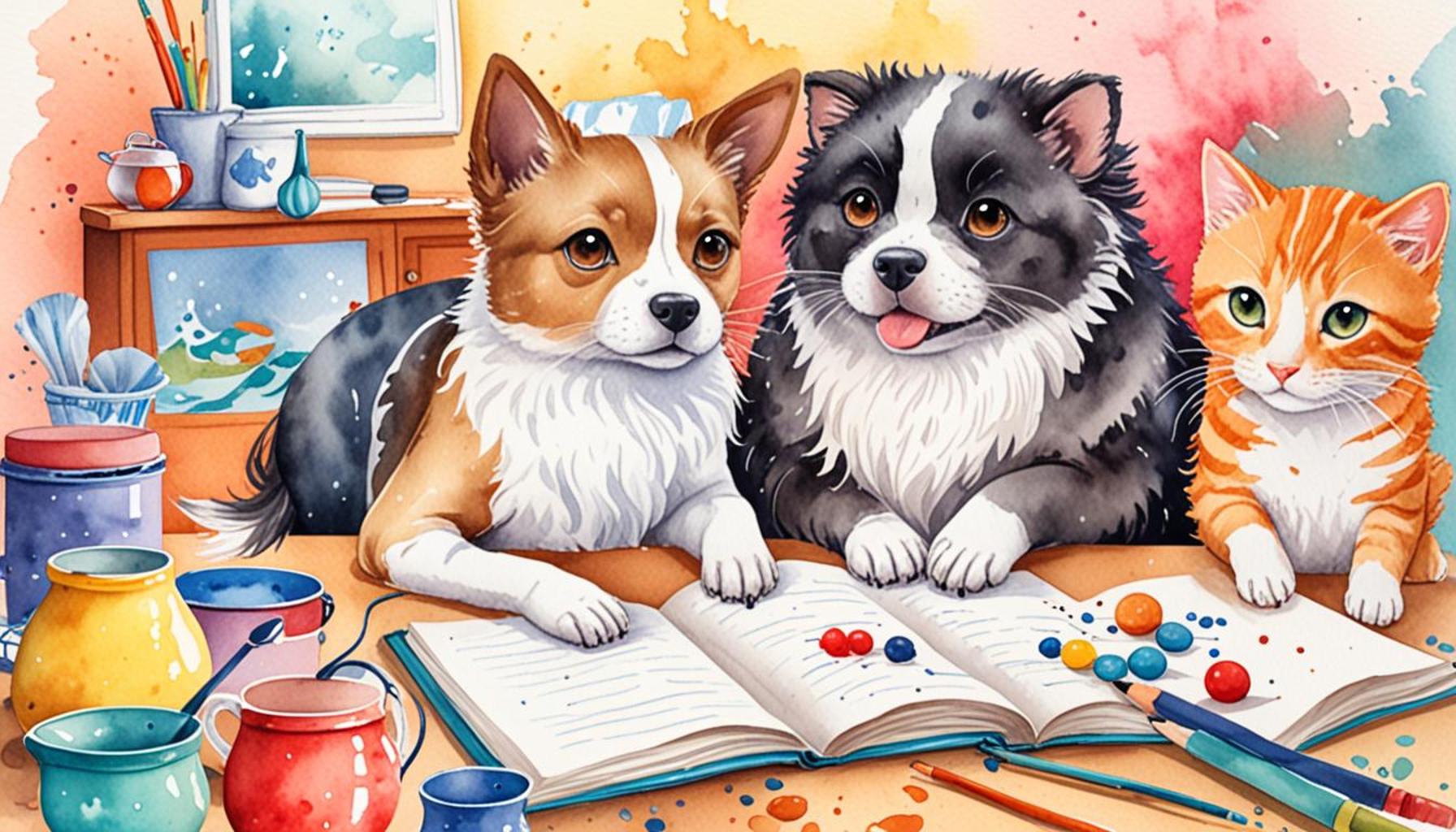
The Joys and Challenges of a Multi-Pet Household
Owning multiple pets can offer a unique blend of joy, companionship, and frustration. Imagine coming home to the gleeful barks of dogs, the soft purring of cats, and perhaps a chirping bird or two—each creature adding its unique flair to your living environment. However, along with the joy of companionship comes the challenge of understanding and managing the wide array of behaviors, temperaments, and training requirements each pet presents.
Establishing effective training techniques is crucial to ensure a peaceful coexistence. Tailoring your approach according to the specific needs of each pet, will lead to a harmonious atmosphere where each animal can flourish. Here’s how to create an effective training strategy:
Species-Specific Needs
Different species have distinct learning styles and temperaments. For instance, dogs are often eager to please and respond well to obedience training through consistent commands and rewards. On the other hand, cats might not have the same intrinsic desire to follow commands, which means using a more nuanced approach like clicker training or offering treats as motivation might be necessary. Understanding these differences can significantly influence the effectiveness of your training.
Social Dynamics
The dynamics among various pets can greatly affect their behavior. For example, a dominant dog may intimidate a shy cat, influencing its behavior and leading to anxiety. Observing interactions between pets can reveal a lot; perhaps one pet acts out when another is nearby, or they may form unexpected bonds. Addressing these social dynamics through proper introductions and gradual acclimation can foster better relationships.
Consistent Commands
Using consistent commands across different species is essential to avoid confusion. For instance, teaching a dog to “sit” while also asking your cat to “come” might create misunderstandings. By keeping commands simple and uniform, you facilitate clearer communication, which directly contributes to successful training sessions.
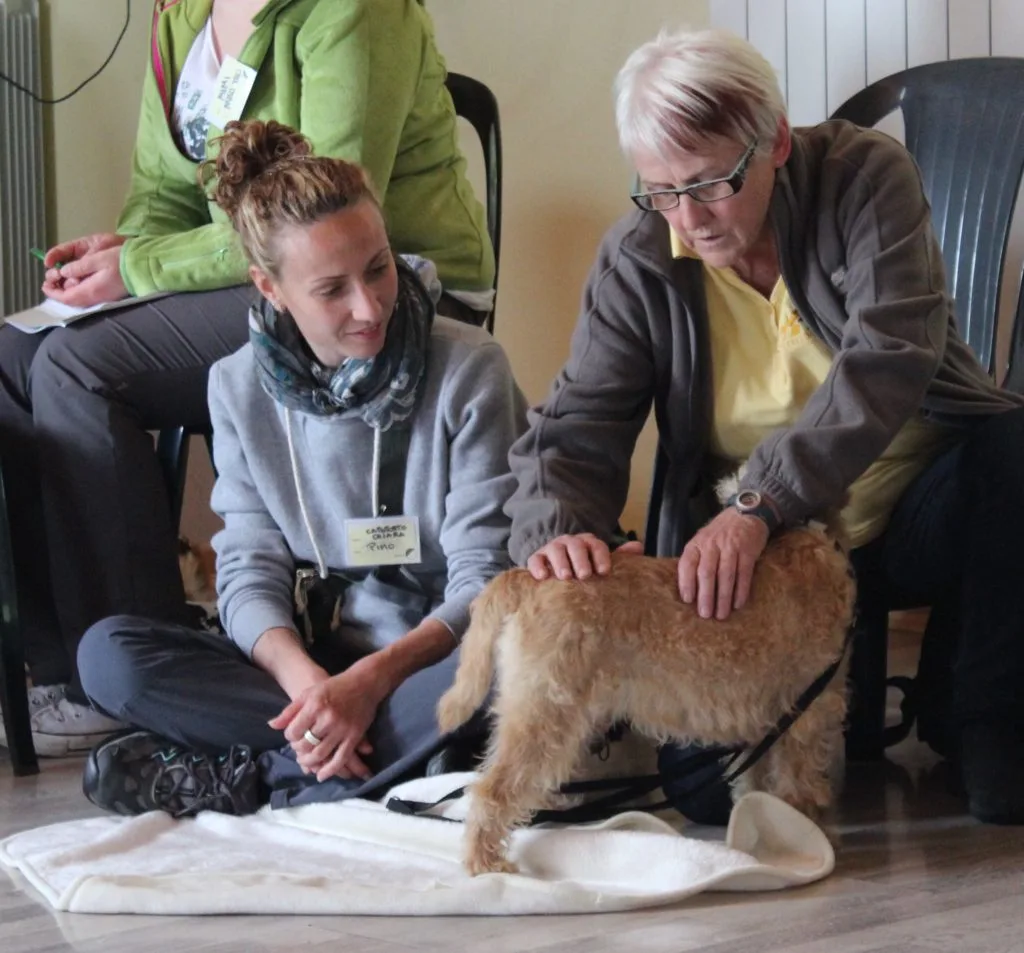
Effective Communication Techniques
To enhance your training, consider the following strategies:
- Positive Reinforcement: This involves rewarding good behavior to encourage its repetition. A simple treat or praise can go a long way in fostering desirable behaviors.
- Short Sessions: Keeping training sessions brief, ideally around 5 to 10 minutes, will help maintain the interest and focus of your pets, preventing frustration for both you and your furry companions.
- Environment Management: Minimize distractions by creating a calm training setting. Choose a quiet room at home where pets can concentrate without interruptions from outside noise or other distractions.
By embracing these principles, you can cultivate an atmosphere of cooperation and understanding in your multi-pet household. Establishing a well-coordinated training routine not only promotes individual growth among your pets but also nurtures a cohesive family dynamic. Ultimately, investing time and energy into structured training can lead to remarkable improvements, paving the way for a happy and organized pet household.
DON’T MISS: Click here to learn more about why socialization is crucial for pets
Understanding Each Pet’s Unique Learning Style
In today’s diverse world, many pet owners find themselves sharing their homes with a variety of animals, from energetic dogs and aloof cats to inquisitive rabbits and mimicking parrots. Recognizing the inherent differences between these species is crucial for effective learning and training methods. For example, dogs are generally social creatures that flourish in structured environments. They often respond enthusiastically to clear commands and direct rewards. This innate desire to please their owners means that dogs typically engage well during training sessions, picking up new tricks and commands relatively quickly.
On the other hand, cats represent a stark contrast in learning behavior. Their independent nature makes conventional dog-training methods largely ineffective. Instead of responding to commands, cats can be motivated by positive reinforcement, but they usually require a more gentle approach. Techniques such as clicker training, where a specific click sound marks desired behavior followed by a treat, work wonders with cats. Another engaging method could be play-based incentives, utilizing their hunting instincts during training sessions by incorporating toys or interactive play to reward good behavior.
Understanding the unique thresholds for learning among different pets can significantly enhance the training experience. For instance, consider the differences between small mammals like rabbits and birds such as parrots. Rabbits tend to respond positively to repetitive, gentle commands often paired with enticing small treats, which can lead to a quick understanding of desired behaviors. In contrast, birds, particularly parrots, are remarkable mimics. They may learn commands not just by vocal instructions, but also through interactive games and social learning from their environment. Establishing these tailored methods caters to their individual personalities and makes learning a more enjoyable venture.
Developing a Tailored Training Plan
Creating a successful training plan requires thoughtful strategies that address the specific needs of each pet. Here are essential steps to consider:
- Identify Each Pet’s Triggers: Understanding what motivates each animal is key. For some pets, it may be food rewards; for others, it could be engaging playtime or affection from their owner. Recognizing these triggers assists in developing effective training techniques that resonate best with each pet.
- Set Realistic Expectations: Be mindful of each animal’s unique personality and temperament when setting training goals. While some pets may quickly grasp new commands, others may need more time to understand. Setting achievable benchmarks helps maintain a positive atmosphere during training for both the owner and the pet.
- Incorporate Group Activities: Whenever suitable, encourage group training sessions. This approach not only makes training an engaging activity but also leverages social dynamics, allowing your pets to learn from one another. For instance, an experienced dog demonstrating commands can provide visual cues that a younger or less experienced pet can observe and emulate.
With a structured understanding of various species and a well-developed training plan, you can better harmonize the learning processes among all your animal companions. Establishing a well-structured routine enhances individual behavior, fosters a cohesive environment, and leads to a happy, well-adjusted household. By investing time and effort into tailoring training methodologies, pet owners can cultivate meaningful relationships with their furry and feathered friends, ensuring an enriched and fulfilling life for both pets and their humans.
| Training Techniques | Advantages |
|---|---|
| Positive Reinforcement | Encourages desired behaviors through rewards, fostering a motivational environment for all pets. |
| Consistent Commands | Creates clarity and understanding across different species, which reduces confusion and enhances communication in your multi-pet household. |
| Individual Attention | Strengthens bonds with each pet, allowing for tailored learning that takes into account their unique needs and personalities. |
| Group Training Sessions | Promotes socialization and teamwork among pets, ensuring that they learn to coexist harmoniously. |
The theme of “Training Techniques for Multi-Pet Households: Harmonizing Learning Among Different Animals” is essential for pet owners aiming to create cohesive living environments. By understanding the unique requirements of various animals, owners can implement training strategies that not only teach obedience but also foster social integration. For instance, utilizing techniques such as positive reinforcement can significantly improve the pets’ interactions with one another while also encouraging a positive atmosphere.Additionally, adopting consistent commands can enhance communication across diverse species, ensuring that both the pets and the owners are on the same page during training sessions. This not only benefits individual learning but also aids in maintaining a peaceful household. The emphasis on individual attention helps in recognizing each pet’s particular traits and learning styles, which is vital for effective training.Lastly, consider involving the pets in group training sessions to cultivate a sense of community. This shared experience not only enhances learning but also builds relationships among the animals, making for harmonious coexistence.
DISCOVER MORE: Click here to learn about the importance of socialization for your dog’s mental health
Integrating Training Techniques Across Species
Once you have established individual training plans tailored to each pet’s unique learning style, the next pivotal step is integrating these techniques so that all animals can learn together in harmony. Cross-species training might seem like a daunting task, but with the right strategies, it can become a rewarding experience for both pets and owners. Integrating different training techniques encourages socialization, alleviates anxiety, and creates lasting bonds among the animals.
Utilizing Visual Cues and Consistent Commands
Visual cues can serve as a powerful tool in multi-pet training. Dogs are adept at picking up body language, while cats may respond to visual signals as well, especially when used to highlight desired actions. For instance, you can use hand signals alongside verbal commands, such as a thumbs-up to signify a job well done or a wave to indicate a waiting period. Incorporating these non-verbal cues enhances communication among pets, ensuring that all animals understand the expectations, regardless of their primary training methods.
Consistency in commands is equally crucial. Choose specific terms that everyone in the household uses during training sessions. For example, use the word “sit” universally across all training to avoid confusing the pets. When multiple animals respond to a common training language, it fosters an environment of unity and collective focus, where pets learn together, bolstering their chances of success.
Creating a Shared Training Environment
A shared training environment helps establish a cohesive learning experience. Designate a specific training area within your home or yard where all pets feel comfortable. Ensure this environment is free from distractions—loud noises, toys, or other intriguing animals—so that each pet can concentrate solely on the task at hand. This setting can facilitate group training sessions, enhancing the learning experience through observation and imitation.
Moreover, do not underestimate the power of playtime. Incorporating games that require cooperation across species can elevate training sessions. For instance, you can have dogs retrieve toys while encouraging cats to engage in chasing or pouncing. The sense of teamwork can deepen bonds while reinforcing positive behaviors in a fun, low-pressure environment.
Monitoring Interactions and Adjusting Techniques
Observation is key when managing a multi-pet household with differing training techniques. Take note of each pet’s reactions during training. Are they stressed, disengaged, or overly excited? Adjusting techniques in real-time can lead to a more effective training experience. For example, if a dog becomes too excited during group sessions, temporarily separating them for one-on-one activity may be beneficial until a balance is restored.
Additionally, periodic reassessment of training goals based on progress is essential. Each pet will have a unique learning curve, and being open to modifying training methods will sustain motivation and engagement. Utilizing tools such as training logs can help you track progress, noting achievements and challenges alike to adapt your future training approach effectively.
In a multi-pet household, fostering collaboration through shared training tactics not only hones each animal’s skills but also cultivates a harmonious living environment. By capitalizing on the strengths of various species and utilizing their inherent social dynamics, pet owners can create an enriching atmosphere where learning is not just an individual feat but a shared journey.
DON’T MISS OUT: Click here for essential health tips for your pets
Conclusion: Embracing Harmony in Multi-Pet Training
In conclusion, navigating the complex landscape of a multi-pet household presents unique challenges and opportunities for pet owners. By employing effective training techniques for multi-pet households, such as integrating individual learning styles, utilizing visual cues, and fostering a shared training environment, pet owners can successfully harmonize learning among their animals. This process not only promotes positive behaviors but strengthens the bonds between different species living under one roof.
As you engage in training, remember that patience, observation, and flexibility are key. Monitoring interactions allows you to adjust techniques as needed, ensuring each pet feels supported and engaged. Utilizing tools like training logs can enhance your understanding of each pet’s progress, helping you celebrate milestones along the way. Furthermore, incorporating cooperative play and shared training experiences can turn learning into a fun and rewarding journey for all involved.
Ultimately, the goal is to create an enriching environment where each pet thrives, learns, and coexists peacefully. By embracing diverse training methods that cater to the unique characteristics of each animal, pet owners can unlock a world of harmonious learning and companionship. Dive deeper into this rewarding experience, and watch as your multi-pet household transforms into a cohesive family unit, full of love and understanding.