The Impact of Robotic Automation in the Manufacturing Industry: Challenges and Opportunities

The Changing Face of Manufacturing
In today’s fast-paced world, the integration of robotic automation within the manufacturing sector is not simply an evolutionary step; it is a revolutionary leap that redefines operations and productivity. As industries embrace these advanced technologies, the implications stretch far beyond the factory floor, influencing economic trends, workforce dynamics, and overall societal structures.
Enhanced Productivity
One of the most compelling advantages of incorporating robots into manufacturing processes is enhanced productivity. Unlike their human counterparts, robots can operate tirelessly around the clock, facilitating uninterrupted production schedules. For instance, within the automotive industry, manufacturers such as Ford and Tesla employ robotic arms to assemble vehicles at an astounding rate. This not only accelerates output but also allows companies to meet growing consumer demand without compromising quality.
Improved Precision
The precision offered by robotic automation is another vital attribute. In tasks that demand meticulous accuracy, such as intricate circuit board assembly, robots excel where human labor might falter. The reduction of human error through automation minimizes rework and waste, translating to high-quality outcomes that are crucial for competitive market positioning. A recent study by Deloitte highlighted that companies deploying automation experience 20% fewer defects in their production lines.
Cost Savings
Cost savings represent yet another draw for businesses looking to streamline their operations. Although initial investments in robotic technology can be considerable, the long-term financial benefits are undeniable. With reduced labor costs and the ability to operate at full capacity, companies can optimize resource allocation and channel funds into innovation and growth strategies. For example, a manufacturer might invest in advanced robotics to reduce workforce expenses, then use the capital saved to research eco-friendly materials.
Challenges of Robotic Automation
However, the transition to robotic automation is not without its challenges. A major concern is job displacement. The fear that robots may replace human workers in various roles has sparked intense debate among economists and policymakers alike. While automation can lead to the decline of certain jobs, it can simultaneously create new opportunities in tech-driven roles. For instance, skilled technicians who can maintain and program these machines are now in high demand.

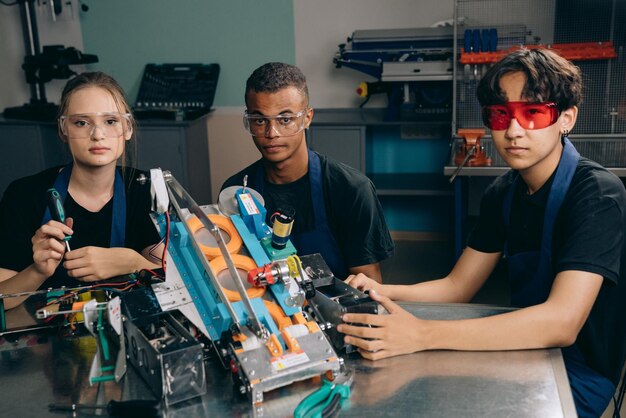
Furthermore, there is the issue of skill gaps. As the production landscape evolves, existing workforce members may find themselves needing retraining to work alongside new technologies. Programs that focus on upskilling and reskilling are crucial for preparing workers for this transition. Organizations like Project Lead The Way are actively working to offer educational initiatives that bridge the skills divide.
The initial investment costs of advanced technological systems pose another barrier to adoption, particularly for small to mid-sized enterprises (SMEs). Many companies hesitate to undertake such financial commitments without clearly understanding the potential return on investment. This uncertainty calls for comprehensive financial strategies, including possible government incentives, to stimulate widespread adoption.
Conclusion
As robotic automation continues to reshape the manufacturing landscape, understanding these dynamics is critical. Companies must navigate the fine line between the pursuit of innovation and the social responsibilities that arise from their choices. Striking a balance may be the key to ensuring that the future of manufacturing in the U.S. is characterized by both technological advancement and equitable workforce development for all. As we look ahead, it will be fascinating to observe how this interplay unfolds and what new paths emerge in the ever-evolving manufacturing domain.
DISCOVER MORE: Click here to learn about innovative solutions
Unpacking the Benefits of Robotic Automation
As industries worldwide grapple with the challenges of a competitive marketplace, robotic automation stands as a beacon of opportunity, promising significant transformations in the manufacturing sector. This technology offers a multitude of benefits that can reshape operations, enhance product delivery, and ultimately redefine the role of manufacturing within the broader economy. Let’s delve deeper into the various advantages that robotic automation brings to the table.
Streamlined Operations
Robotic automation leads to streamlined operations, providing manufacturers with the ability to automate repetitive tasks, from assembly lines to quality control. By optimizing workflow, robots can facilitate smoother processes that enhance the overall efficiency of production systems. For example, companies like Amazon have integrated robots into their fulfillment centers to ensure swift packaging and shipping of goods, drastically reducing the time between order placement and delivery.
Increased Safety and Reliability
Safety is a paramount concern in manufacturing. The implementation of robots in hazardous environments can significantly reduce workplace accidents and enhance operational reliability. Robots take on dangerous tasks such as heavy lifting, handling toxic substances, or working in extreme temperatures, thus safeguarding human workers from potential harm. According to the Occupational Safety and Health Administration (OSHA), workplaces that adopt automation technologies can see a reduction in accident rates by up to 50%.
Scalability and Flexibility
Another notable benefit of robotic automation is the scalability it offers manufacturing firms. As demand fluctuates, robotic systems can be easily configured or reprogrammed to accommodate changing requirements. This flexibility allows businesses to pivot quickly in response to market conditions, fostering resilience in a landscape characterized by uncertainty. For instance, companies producing consumer electronics can swiftly adapt production lines to accommodate the introduction of new products without extensive downtime.
Environmental Sustainability
In addition to increasing efficiency and safety, robotic automation can play a critical role in promoting environmental sustainability. By optimizing resource use and minimizing waste, robots contribute to greener manufacturing practices. For example, automated systems can help in precise material usage, thereby reducing excess materials that might otherwise end up in landfills. Furthermore, innovations in robotics, such as those employed in 3D printing, open new avenues for creating less waste-intensive production methods.
Key Considerations for Implementation
While the benefits are abundant, companies must also consider several critical factors when integrating robotic automation into their operations. These include:
- Feasibility Studies: Assess which processes can be automated and the expected return on investment.
- Integration: Evaluate how robots will fit with existing systems and processes to avoid disruption.
- Training: Establish training programs to equip workers with the necessary skills to interact with automated systems and manage them effectively.
Embracing robotic automation inevitably means embracing change, and businesses must tread carefully to harness its full potential while navigating the accompanying complexities.
The Role of Robotics in Industry Transformation
The surge of robotic automation in manufacturing is leading to a transformative wave that reshapes production processes. Manufacturers are increasingly adopting robotics not just for efficiency but also for enhanced precision and quality control. With robotics, tasks that require high levels of accuracy, such as assembly and machining, are performed with minimal human error, thereby reducing waste and lowering costs. Advanced robotics technology, equipped with artificial intelligence, allows for smart decision-making and predictive maintenance, addressing potential issues before they escalate.However, this shift towards automation is not without its challenges. There is an urgent need to address the skills gap that arises as traditional manufacturing jobs evolve. Employees must be trained not only to manage robotic systems but also to interpret data generated by these advanced technologies. As firms invest in worker training programs, the focus shifts toward upskilling the existing workforce to reduce the potential for job displacement—an important topic that garners both attention and concern among industry leaders.
Opportunities for Growth and Innovation
The integration of robotic automation presents numerous opportunities for growth within the manufacturing sector. Companies can leverage increased productivity to drive expansion into new markets and explore innovative product lines. Furthermore, the data collected from automated systems can provide insights into manufacturing processes, enabling continuous improvement and operational efficiency. As organizations harness these advantages, they also position themselves competitively in a rapidly evolving global marketplace.Studies indicate that businesses adopting robotic automation see a significant return on investment, often measurable in terms of speed, output, and cost savings. The ongoing development of collaborative robots, or cobots, emphasizes the future of human-robot interaction, where robots work alongside humans, enhancing productivity while ensuring workforce safety. Leading manufacturers are now focusing on creating agile manufacturing systems that can respond to market changes with greater flexibility and speed.As robotic technology continues to advance, manufacturers are encouraged to explore the wide-ranging benefits it offers while remaining mindful of associated challenges. Bridging the gap between technology and human expertise will be paramount in ensuring a successful transition towards a highly automated and skilled industrial workforce.
DISCOVER MORE: Click here to learn how technology is tackling environmental challenges
Navigating the Challenges of Robotic Automation
While the prospects of robotic automation in the manufacturing sector present a wealth of opportunities, companies must also confront a range of challenges that come with this technological evolution. It is crucial to understand these hurdles to ensure a balanced approach to adopting automation technologies.
High Initial Investment Costs
One of the most significant challenges in implementing robotic automation is the high initial investment costs. Integrating robotic systems into manufacturing processes often involves purchasing advanced technology, equipment, and software, which can require substantial upfront capital. According to a study by the International Federation of Robotics (IFR), the average cost of a robot can range from $25,000 to $400,000 depending on its complexity, which raises concerns for small- to medium-sized enterprises (SMEs) that may struggle to justify such expenditures. Furthermore, there are additional costs associated with training personnel and maintaining the robots, which can further strain budgets.
Workforce Displacement Concerns
As robots take on more tasks traditionally performed by human workers, workforce displacement concerns emerge as a pressing issue. There is a growing fear of job losses among factory employees, which can lead to dissatisfaction and resistance to automation. According to data from the Brookings Institution, approximately 25% of US workers are at a high risk of being affected by automation, particularly in sectors with routine manual labor. This situation requires manufacturers to consider how they will manage transitions in the workforce, including reskilling and upskilling employees to perform more complex tasks that robots cannot handle.
Technical Challenges and Integration Issues
Implementing robotic automation is not simply a plug-and-play scenario; it often entails navigating a myriad of technical challenges and integration issues. The integration of automation into existing production systems can be complex, requiring adjustments to workflows, equipment, and software platforms. Additionally, compatibility between new robotic systems and legacy machinery can pose a significant challenge. A 2022 report from McKinsey & Company indicates that 70% of companies face difficulties during the integration phase, which can lead to downtime and loss in productivity if not managed effectively.
Data Security and Cybersecurity Risks
With the increasing connectivity of machines and systems, data security and cybersecurity risks have become critical concerns in the era of robotic automation. Manufacturing environments now rely heavily on data to optimize processes, and the automation of these systems can expose sensitive information to potential cyber threats. A survey conducted by PwC found that 61% of manufacturers acknowledge that their cybersecurity approaches are outpaced by rapidly evolving technologies, leaving them vulnerable to attacks. Companies must invest not only in machinery but also in robust cybersecurity protocols to protect their operations.
Regulatory and Compliance Challenges
Lastly, compliance with regulatory standards must be considered when implementing robotic automation in manufacturing. Different regions may impose various regulations regarding the use of robots, particularly those that address safety and environmental impacts. In the United States, the Occupational Safety and Health Administration (OSHA) has strict guidelines for automating workplaces, requiring significant attention to safety and risk management standards. Navigating these regulations can be daunting for companies eager to leverage the advantages of robotic systems.
Overcoming these challenges demands meticulous planning and a proactive approach to ensure that the transition towards a more automated manufacturing environment is both smooth and beneficial. The future of manufacturing hinges upon the ability to adeptly navigate the complexities associated with robotic automation, blending innovation with foresight.
DIVE DEEPER: Click here to discover more
Conclusion: Embracing Robotic Automation in Manufacturing
As the manufacturing industry stands on the brink of a transformative era, the impact of robotic automation emerges as both a challenge and an opportunity. Manufacturers face the daunting task of managing high initial investment costs and workforce displacement concerns while also navigating the intricate web of technical challenges and regulatory compliance issues. These concerns are not trivial; they necessitate a strategic approach to integrate automation effectively.
However, the potential benefits are immense. The integration of robotic systems can enhance efficiency, reduce production costs, and improve the quality of products, allowing companies to remain competitive in a rapidly evolving market. Statistics suggest that organizations embracing automation could see productivity gains of 30% to 50% within a few years, promising substantial returns on their investment.
Moreover, opportunities for reskilling and upskilling the workforce are emerging, as human workers transition into roles that require advanced problem-solving and creativity—capabilities that robots cannot replicate. This shift may foster a culture of innovation and adaptability within manufacturing environments, aligning human talents with emerging technologies.
Ultimately, the successful adoption of robotic automation in manufacturing hinges on a balanced approach that addresses the challenges while maximizing the opportunities. By investing in not only technology but also personnel development and cybersecurity measures, manufacturers can better prepare for a future where robots and humans work in tandem. As the industry evolves, those who innovate responsibly will not only thrive but also lead the way into a productive, automated future.