Autonomous Robotics in Smart Cities: How AI is Transforming Urban Transportation
The Future of Transportation
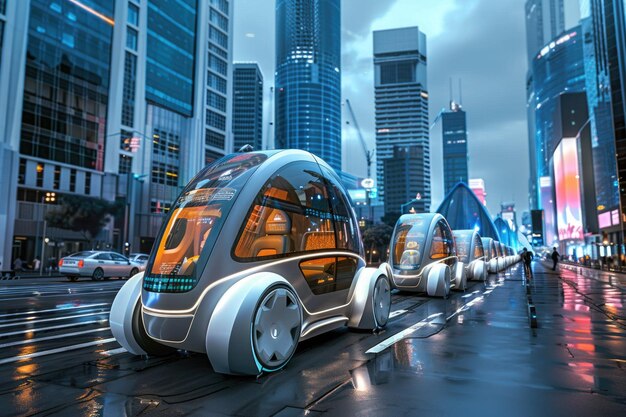
Imagine a city where traffic jams and parking woes become relics of the past. Autonomous robotics powered by artificial intelligence (AI) are transforming urban transportation, paving the way for smarter and more efficient travels. This exciting evolution is not merely a concept; it is happening right now, and its implications are vast and profound.
Today’s smart cities are embracing technology to enhance the quality of life for their residents. Key features of this transformation include:
- Self-driving vehicles: Cars and shuttles equipped with cutting-edge sensors and algorithms enable them to navigate complex urban environments without human intervention. Companies like Waymo and Tesla are leading the charge in developing these autonomous vehicles, promising to make rides safer and more reliable.
- Drone delivery systems: Imagine receiving your online orders delivered by small drones hovering just above your doorstep. Retail giants like Amazon are already testing drone delivery services, which could significantly cut down delivery times and help alleviate road congestion.
- Smart traffic management: AI systems analyze real-time traffic data to dynamically optimize traffic lights, reducing congestion and improving travel times. Cities like Los Angeles are piloting these smart systems to manage their notoriously heavy traffic with promising early successes.
Furthermore, these innovations aim to address critical challenges faced by urban areas. Consider the following impacts:
- Reduction in carbon emissions: By improving the efficiency of public transport and reducing the reliance on individual car ownership, smart mobility initiatives can lead to lower pollution levels. Cities adopting electric and autonomous vehicles are witnessing significant declines in emissions.
- Increased accessibility: Enhanced transport options cater to the elderly and disabled, ensuring that all citizens can navigate their communities with ease. For example, programs like UberWAV provide wheelchair-accessible vehicles, facilitating better mobility for those who need it most.
- Enhanced safety: AI technology minimizes human error—one of the most significant contributors to accidents. By automating driving functions and implementing advanced safety features, autonomous vehicles are poised to significantly reduce the number of traffic-related fatalities.
The integration of these technologies signifies a pivotal shift in how cities function and thrive. As urban populations continue to grow, the need for intelligent transportation solutions becomes increasingly imperative. In cities experiencing rapid growth, such as Austin and Seattle, the adoption of autonomous systems is crucial in managing the challenges that arise from population density.
Join us as we explore the fascinating world of autonomous robotics and how it is reshaping the transportation landscape in our smart cities. The journey towards an innovative urban mobility system is not just a technological shift; it’s a transformation that has the potential to enhance our daily lives dramatically, creating cities that are not only smarter but also more sustainable and inclusive.
EXPLORE MORE: Click here to dive deeper into sustainability solutions
The Role of Autonomous Robotics in Urban Mobility
As cities evolve into intelligent hubs of connectivity and convenience, autonomous robotics is emerging as a cornerstone of urban mobility innovations. These technologies are not only streamlining traditional transportation methods but are also redefining how residents interact with their environment. Major metropolitan areas across the United States, such as San Francisco and New York City, are at the forefront of this transformation, using AI-driven robotics to create a more seamless urban experience.
At the heart of this movement lies the integration of AI algorithms that enable vehicles and robotics to exhibit advanced decision-making capabilities. The following elements illustrate how these developments are fundamentally altering urban transportation:
- Autonomous Public Transit: Cities are deploying self-driving buses and shuttles to enhance public transit efficiency. For instance, in its pilot program, Seattle is testing autonomous shuttles in select neighborhoods to provide on-demand services, aiming to alleviate the pressure on traditional bus routes. This initiative not only enhances mobility but also promotes the use of public transit among residents.
- Mobility-as-a-Service (MaaS): Smart cities are embracing the concept of MaaS, which integrates various transportation options into a single accessible platform. Through mobile apps, residents can plan, book, and pay for multiple modes of transportation—from bikes to rideshares and autonomous vehicles—in one seamless transaction. This service is becoming increasingly popular and serves to limit the reliance on personal vehicles.
- Shared Autonomous Vehicles: The emergence of shared autonomous vehicle services is transforming car ownership dynamics. Companies like Lyft and Uber are exploring fleets of self-driving cars that can be hailed on-demand, providing residents with the flexibility to travel without the burdens of ownership—such as maintenance and insurance—while also reducing congestion in densely populated cities.
The implications of these advancements extend far beyond mere convenience. Autonomous robotics in urban transportation is also addressing critical challenges, such as:
- Traffic Decongestion: With AI systems that regulate traffic flow through real-time data analysis, cities can significantly reduce the bottleneck effect that commonly plagues busy intersections. For example, the city of San Jose has implemented smart traffic signals that adapt based on current traffic patterns, leading to smoother commutes and lower emissions.
- Quality of Life Improvements: The integration of autonomous systems enhances the overall quality of life in urban areas. By providing more efficient transit options, cities can connect residents to jobs and amenities, reducing travel time and fostering economic growth. Increased mobility options lead to stronger community ties and more vibrant neighborhoods.
In essence, the convergence of autonomous robotics and artificial intelligence is setting the stage for an unprecedented evolution in urban transportation. By addressing pressing urban issues, these advancements are not only reshaping the physical landscape of cities but are also paving the way for a future where mobility is both smart and sustainable. As urban centers adapt to these innovations, a clear vision emerges—one where cities harness technology to create harmonious living environments that benefit all citizens.
| Advantage | Impact |
|---|---|
| Increased Efficiency | Autonomous robots enhance traffic management, optimizing routes and reducing congestion in urban areas. |
| Enhanced Safety | With AI-powered systems, the likelihood of accidents decreases, leading to safer transportation environments for citizens. |
Autonomous robotics in smart cities significantly benefits urban transportation by offering innovative solutions to pervasive challenges. One notable advantage is the increased efficiency these systems provide. By utilizing advanced algorithms and real-time data analysis, autonomous vehicles and drones can optimize their routes, thus minimizing travel time and easing traffic congestion. Moreover, the integration of enhanced safety features, powered by AI, leads to a marked reduction in accident rates. Intelligent monitoring systems can foresee potential hazards and respond faster than human drivers, ensuring a safer transit experience for all road users. Incorporating these technologies into urban planning not only boosts the quality of transportation services but also promotes a more sustainable future. As more cities embrace these innovations, the landscape of urban mobility will undoubtedly transform, inviting further exploration into possibilities such as efficient public transport networks and green logistics solutions.
DIVE DEEPER: Click here to learn more
Innovative Applications of AI in Autonomous Transportation
As cities continue to embrace the paradigm shift toward autonomous robotics, their potential applications within urban environments only expand. From personal mobility solutions to freight logistics, AI is not only enhancing existing systems but also creating new opportunities for efficiency and convenience in daily life. Here are some groundbreaking applications that are being implemented in smart cities across the United States:
- Autonomous Delivery Services: The rise of e-commerce has sparked interest in autonomous delivery robots, which have started making their way through urban landscapes. Companies like Starship Technologies are deploying small self-driving robots capable of delivering groceries and takeaway meals to residents’ doorsteps. These robots navigate sidewalks, avoid obstacles, and are already operational in several cities, including San Francisco and Los Angeles, demonstrating significant potential for reducing traffic congestion and carbon emissions associated with traditional delivery trucks.
- Road-Testing Self-Driving Taxis: The concept of autonomous taxis is rapidly moving from pilot programs to real-world applications. In cities like Phoenix, Waymo has begun providing fully autonomous taxi services without a safety driver on board. This advancement marks a significant leap towards widespread acceptance of autonomous vehicles, particularly as regulatory frameworks adapt to accommodate this technology. Residents can summon a self-driving taxi via a mobile app, showcasing how convenience can coexist with safety in urban transport.
- AI-Driven Traffic Management Systems: Smart cities are adopting sophisticated AI algorithms that analyze real-time data from traffic cameras, sensors, and GPS systems to optimize traffic flow. Cities like Seattle are utilizing predictive analytics to anticipate traffic congestion and adjust traffic signals dynamically. This not only reduces travel time for commuters but also lowers greenhouse gas emissions by minimizing vehicle idling at red lights.
Moreover, autonomous robotics is being deployed to address other aspects of urban transportation:
- – Parking Management: Smart parking systems integrated with AI technology aid in identifying available parking spaces in real time. Cities such as San Francisco have embraced solutions that guide drivers directly to open spots, thus reducing unnecessary circulatory traffic and boosting overall efficiency. With fewer cars circling neighborhoods looking for parking, the environmental footprint of urban spaces can be significantly reduced.
- – Disaster Response and Emergency Services: In critical situations, autonomous robots equipped with AI capabilities are proving invaluable. They can traverse hazardous areas, assess damage, and deliver emergency supplies without putting human responders at risk. The use of autonomous drones, for instance, has been tested in disaster-hit areas, enhancing the speed and efficiency of emergency responses during natural calamities.
Additionally, the increasing deployment of internet of things (IoT) devices within smart cities complements autonomous transportation systems. These devices collect invaluable data which inform decisions across various aspects of urban mobility, providing insights that can further enhance transportation networks. As cities continue to integrate these technologies, the potential for a fully connected transportation ecosystem grows closer.
The significance of these advancements cannot be overstated. They encapsulate the vision of future urban landscapes—where mobility is efficient, sustainable, and readily accessible for all citizens. As urban planners and policymakers harness the power of AI and robotics, the promise of smart cities becomes a tangible reality, inviting us to explore the exciting possibilities that lie ahead in the field of urban transportation.
DISCOVER: Click here to learn about the future of manufacturing
Conclusion
The evolution of autonomous robotics within smart cities is not merely a technological advancement; it represents a profound transformation of urban transportation systems. As evidenced by the innovative applications ranging from autonomous delivery services to AI-driven traffic management, cities across the United States are rapidly integrating AI technologies into their transportation frameworks. This shift not only enhances the efficiency of mobility options but also plays a crucial role in addressing environmental concerns, reducing traffic congestion, and improving overall urban livability.
The rise of self-driving taxis and smart parking solutions showcases how AI can create smarter, more adaptable transportation methodologies. By fostering convenience, safety, and sustainability, these advancements are reshaping the way citizens navigate their urban environments. Furthermore, the integration of IoT devices ensures a cohesive interplay between vehicles, infrastructure, and city planners, leading to a future where real-time data informs every aspect of transportation.
As cities continue to embrace this change, the potential for creating fully connected and intelligent urban ecosystems becomes increasingly tangible. The promise of smart cities comes alive through these advancements, heralding a new era of mobility that prioritizes accessibility, efficiency, and environmental consciousness. Looking ahead, it is imperative for stakeholders to invest in research, infrastructure, and policies that nurture this growth, ensuring that the myriad benefits of AI in transportation are realized for all residents. The exploration of autonomous robotics within urban landscapes is only just beginning—as cities evolve, they invite us to envision a future full of exciting possibilities.