The Revolution of Robotic Automation in the Agricultural Sector: Technologies and Sustainability
Transforming Agriculture Through Innovation
The agricultural sector is experiencing a profound shift as robotic automation becomes increasingly integrated into farming practices. This remarkable transformation is primarily fueled by the need to enhance productivity whilst simultaneously aiming for a more sustainable future. With farmers grappling with the dual challenges of climate change and diminishing labor availability, these groundbreaking technologies are emerging as critical solutions.
Among the key technologies driving this agricultural revolution is the autonomous tractor. These cutting-edge machines are engineered to perform a variety of tasks without human oversight, thus streamlining field operations. For example, a producer in California can deploy autonomous tractors that utilize GPS and sensor technology to precisely plow or plant seeds over vast acreages, reducing both labor costs and operational time. The efficiency gains from these tractors can lead to better pest management and lower fuel consumption, showcasing the ability of technology to optimize traditional farming methods.
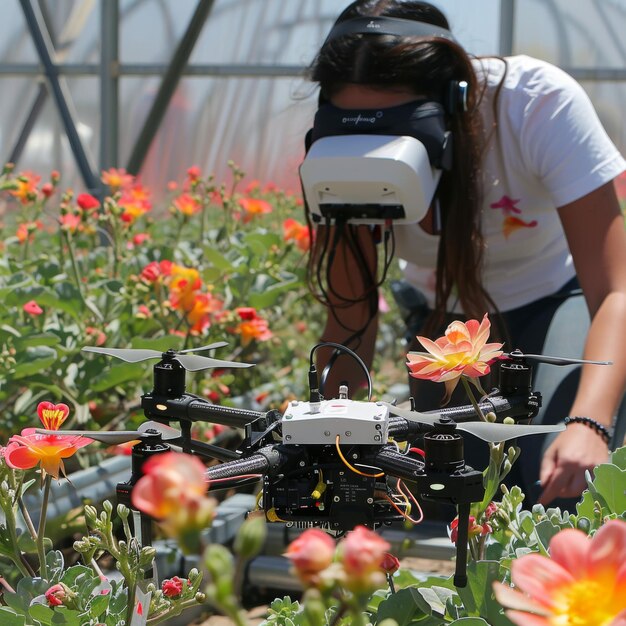
Drones are another technological marvel revolutionizing agricultural practices. They are used extensively for monitoring crop health through the use of high-resolution imaging and infrared sensors. For instance, farms in Florida are employing drones to survey large citrus groves, enabling farmers to identify pest infestations or irrigation issues almost in real-time. This timely data empowers farmers to make informed decisions, ultimately enhancing crop yields and minimizing losses. The aerial viewpoints provided by drones offer a unprecedented perspective, transforming how farmers interact with their land.
Additionally, robotic harvesters are beginning to play a crucial role in the harvesting process, especially for labor-intensive crops such as strawberries and tomatoes. These advanced machines not only boost efficiency but also reduce food waste by ensuring that crops are picked at optimal times. In the Midwest, a strawberry farmer utilizing robotic harvesters reported a significant increase in productivity, allowing them to meet growing consumer demand more effectively.
The intersection of technology and sustainability is paramount in this transformative era. Automated systems are designed to:
- Reduce resource consumption: By facilitating more precise applications of water, fertilizers, and pesticides, automated technologies significantly enhance resource efficiency.
- Lower carbon footprints: With optimized operations, farmers can markedly decrease their greenhouse gas emissions, contributing to a healthier planet.
- Increase resilience: By promoting higher productivity and better resource management, these technologies help farmers adapt to the pressing impacts of climate change.
As these innovative solutions continue to evolve, they harbor the potential not just to transform farming practices but also to ensure food security in the United States. The melding of robotic automation with sustainable farming techniques represents a landscape rich with opportunities, albeit with challenges that require thoughtful navigation. The future of agriculture may well depend on how effectively these technologies are integrated into existing systems, setting the stage for a more resilient and sustainable food production framework.
DIVE DEEPER: Click here to discover the impact of machine learning in healthcare
Pioneering Technologies Shaping the Future of Farming
The adoption of robotic automation in agriculture signifies not only a technological upgrade but also a seismic shift in how farming is conducted across the United States. This revolution is primarily driven by the need to address labor shortages and increase efficiency in light of an ever-growing global population. As producers seek sustainable practices to ensure their livelihoods and the health of the planet, innovations in farming technology are becoming indispensable.
One of the most transformative advancements is the precision agriculture movement, which leverages technologies such as sensors, GPS, and data analytics to optimize crop production. Using these tools, farmers can collect actionable insights from their fields, allowing for precise interventions that optimize yield while minimizing resource use. For instance, a corn farmer in Iowa can utilize soil moisture sensors to determine exactly when to water crops, resulting in significant water conservation. This tailored approach epitomizes how automation has the potential to harmonize efficiency with sustainability.
The role of robotic systems further enhances this paradigm shift. Among them are autonomous weeding systems that use computer vision to distinguish between crops and weeds. These machines can mechanically remove unwanted plants without the need for harmful herbicides, thus promoting organic farming practices. In California, farmers adopting this technology report not only healthier crops but also reduced chemical runoff into waterways, showcasing a direct link between robotics and environmental stewardship.
Moreover, advancements in robotic planting are reshaping how farmers manage their planting schedules. These robots can plant seeds at optimal depths and spacings, ensuring better growth conditions and crop health. Studies have shown that growers using robotic planters can achieve up to a 30% increase in seed germination success, directly impacting profitability and sustainability. The assurance that seeds are planted correctly encourages farmers in Michigan to experiment with new crop varieties, thus diversifying their production systems.
As the potential of robotics unfolds in agriculture, it is essential to consider the socioeconomic impacts of these technologies. Automation can lead to significant labor displacement, raising important questions regarding workforce adaptation and training. To address these challenges, educational institutions and organizations are establishing programs that equip the existing workforce with the necessary skills for the future agricultural landscape. This effort ensures that agriculture can harness the benefits of robotics while simultaneously fostering an inclusive environment for all agricultural workers.
In tandem with these advancements are the inherent sustainability benefits offered by robotic automation:
- Minimized Chemical Usage: By relying on precision weeding and pest management solutions, farmers can drastically lower herbicide and pesticide reliance.
- Enhanced Water Management: Agricultural robots can improve irrigation efficiency, reducing water consumption and preserving vital resources.
- Soil Health Preservation: Innovations such as cover cropping and no-till planting minimize soil disruption, which is essential for maintaining soil health and carbon sequestration.
The integration of these robotic technologies into farming practices reveals a future where innovation and sustainability coexist, offering a balanced path forward for the agricultural sector. As these developments continue to accelerate, it is becoming increasingly evident that the future of food production hinges on the harmonious merger of technology and environmental responsibility.
The Impact of Robotic Automation on Agricultural Practices
The agricultural sector is experiencing a significant transformation due to the implementation of robotic automation, which is paving the way for enhanced efficiency and sustainability in farming practices. These innovative technologies not only increase productivity but also address critical issues such as labor shortages and environmental challenges.One of the primary advantages of robotic automation in agriculture is its ability to perform precise tasks with minimal human intervention. For instance, automated tractors and harvesters can operate at optimal speed and efficiency, ensuring that crop yields maximize while reducing waste. By employing GPS-guided equipment, farmers can achieve higher accuracy in planting and resource allocation, which leads to a notable reduction in resource consumption, including water and fertilizers.Furthermore, the incorporation of sensors and drone technology allows for advanced monitoring of crop health and soil conditions. Drones can provide real-time data and aerial images, helping farmers to identify problem areas in their fields quickly. This capability enables targeted interventions—whether through pest control or nutrient application—resulting in a more sustainable use of chemicals and reducing their negative impacts on ecosystems. These advancements not only improve productivity but also contribute to the overall sustainability of agricultural practices. As robotic automation continues to evolve, its integration with data analytics and artificial intelligence will further optimize farming processes, ensuring that agriculture can meet the demands of a growing population while minimizing ecological footprints.In this context, examining the advantages of technology-driven solutions is vital for understanding how robotic automation can facilitate a shift towards more sustainable agricultural systems.
| Category | Benefits |
|---|---|
| Increased Efficiency | Robotic automation allows for faster planting, monitoring, and harvesting, which significantly boosts productivity. |
| Sustainable Practices | Reduced chemical use and optimized resource allocation lead to fewer environmental impacts, preserving ecosystems. |
Exploring these technologies can provide insight into how robotics holds the potential to revolutionize agriculture, making it not only more productive but also aligned with sustainability goals.
DISCOVER MORE: Click here for insights on personalization in education
Robotic Innovations Enhancing Agricultural Efficiency
The presence of robotic automation in agriculture extends beyond the facets of planting and weeding. A new wave of automated harvesting technologies is rapidly transforming how farmers approach one of their most labor-intensive tasks. Harvesting robots can work tirelessly, operating during off-peak hours, and reducing the pressure to hire seasonal labor. For example, a strawberry farm in Florida has successfully integrated robotic harvesters capable of picking ripe fruit without damaging the plant, allowing for a significant increase in output while maintaining quality standards.
Furthermore, the use of drones in agriculture is revolutionizing crop monitoring and management. Drones equipped with high-resolution cameras and multispectral sensors provide farmers with real-time data about their crops, enabling them to detect issues such as pest infestations or nutrient deficiencies early on. By providing detailed aerial imagery, these drones support precision farming techniques. In 2022, a study showed that farmers utilizing drone technology for monitoring could potentially increase yields by up to 20% through timely interventions based on the data collected.
As agricultural technology continues to evolve, the introduction of robotic livestock monitoring systems cannot be overlooked. These systems utilize sensors and AI to track the health and well-being of animals. With capabilities such as detecting sickness or monitoring feeding behaviors, farmers can respond promptly and manage their herds more effectively. In Missouri, farmers employing such technology have reported a decrease in animal mortality rates by up to 15%, reflecting the potential for sustainable livestock management.
In addition to enhancing productivity, the integration of robotic systems is setting the stage for a cleaner agricultural approach. Automated fertilizer application systems that leverage machine learning can assess soil nutrient levels and apply fertilizers only as needed. This precision reduces nutrient runoff—a major contributor to water pollution and greenhouse gas emissions. The State of Ohio has demonstrated that farms utilizing these advanced application methods can lower fertilizer use by an average of 25%, presenting a compelling case for sustainability.
Challenges and Future Perspectives
Despite the promising advancements in agricultural robotics, challenges persist. The high initial investment required for advanced robotic systems can deter small to mid-sized farms from making the leap toward automation. According to the USDA, about 80% of farms in the U.S. are classified as small, which often limits their access to cutting-edge technology. Consequently, partnerships and cooperative ventures that pool resources among local farms are emerging as viable solutions to overcome financial barriers.
Moreover, the rapid pace of robotic innovations demands a shift in farmer education and training. Ongoing workshops and collaborative programs are vital for equipping the next generation of farmers with the skills needed to manage and maintain these advanced technologies. Institutions like the University of California are pioneering research and extension services focused on integrating robotics into traditional farming knowledge, ensuring that the benefits of automation extend to a broad spectrum of agricultural producers.
As these innovations continue to unfold, they undoubtedly point towards a future where robotic automation shapes the agricultural landscape into a more efficient, environmentally friendly, and economically viable sector. The ongoing exploration of robotics in agriculture illustrates a commitment to not just feeding the growing population but also preserving the ecosystems that sustain us.
DIVE DEEPER: Click here to learn more
Conclusion: Embracing the Future of Agriculture
The revolution of robotic automation in the agricultural sector is transforming the landscape of farming, revealing pathways to greater sustainability and efficiency. From advanced harvesting technologies that allow for higher yields without compromising quality, to drones that empower farmers with actionable insights for crop health management, the integration of robotics is driving agricultural innovation. The adoption of precision farming practices, aided by automated systems, not only optimizes resource usage but also reduces harmful environmental impacts, a crucial factor in today’s climate-conscious market.
However, the journey towards full-scale automation is not without its challenges. Small and mid-sized farms are often left at a disadvantage due to the high costs of advanced technology and limited access to resources. Collaborations and cooperative initiatives among local farmers present promising avenues for overcoming these hurdles, ensuring that the benefits of robotic innovations reach all sectors of agriculture.
As we move forward, educating the next generation of farmers on these cutting-edge technologies is paramount. Programs dedicated to skill development and technological literacy will be essential in harnessing the full potential of robotic automation. With continued investment in both technology and training, the agricultural sector stands poised on the brink of a new era—one that not only aims to feed an ever-growing population but also strives to nurture and protect the planet’s vital ecosystems.
In conclusion, the ongoing exploration of robotics in agriculture signifies not only a shift in how we cultivate food but also a profound commitment to sustainability. As this revolution unfolds, it promises to redefine our agricultural practices for generations to come, encouraging a harmonious balance between productivity and ecological stewardship.