The Role of Robotic Automation in Future Logistics and Supply Chain
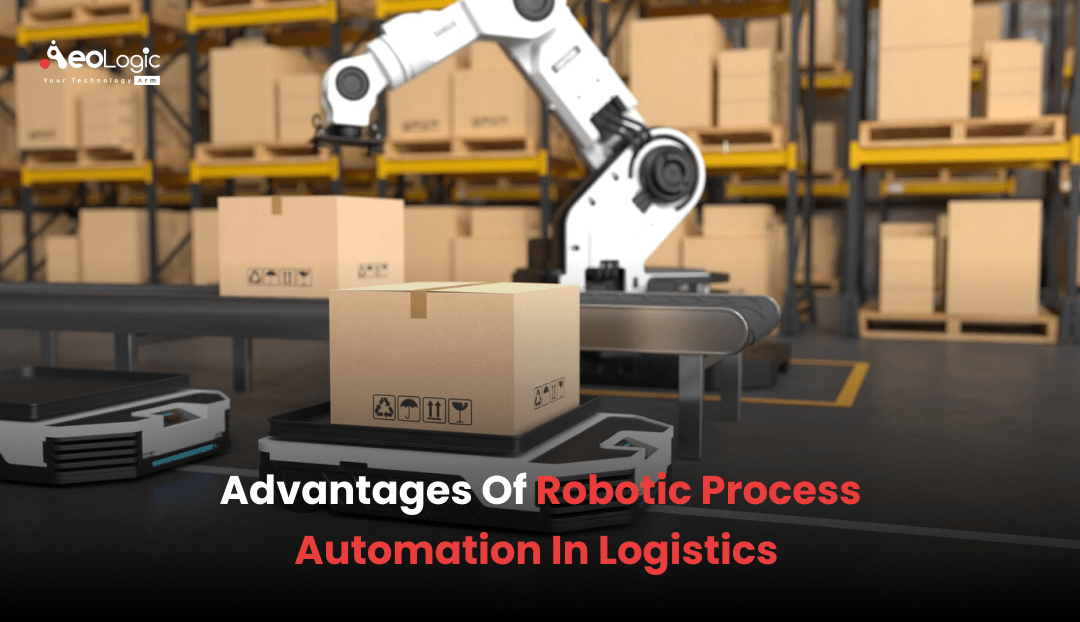
Understanding the Impact of Robotic Automation in Logistics
The landscape of logistics and supply chains is undergoing a transformative shift, largely driven by the rise of robotic automation. This technology is more than just a fleeting trend—it is becoming a cornerstone of modern operational strategies that promise to redefine how goods are produced, stored, and delivered. Companies are now leveraging these innovations to tackle the increasing demands of consumers and enhance overall efficiency.
Increased Efficiency
Among the most significant benefits of robotic automation is its ability to boost operational efficiency. Robots can execute repetitive tasks such as sorting, packing, and palletizing at speeds unmatched by human workers. For instance, a single automated packaging machine can handle thousands of packages daily, drastically reducing the time required to prepare orders for shipment. This efficiency translates into lower operational costs and faster turnaround times, allowing businesses to respond swiftly to changing market demands.
Enhanced Accuracy
The introduction of automation in logistics not only quickens processes but also heightens accuracy. Mistakes in order fulfillment can lead to costly returns and unhappy customers. By employing robotic systems for tasks that require precision—like picking the right items from inventory—businesses can significantly reduce human error. In fact, studies have shown that automation can cut mis-picks by over 60%, ensuring that the correct products reach customers and enhancing overall customer satisfaction.
Continuous Operations
Another advantage of robotic automation is the potential for 24/7 operations. Unlike human workers, robots don’t require breaks or time off, leading to uninterrupted workflows. This nonstop capability is especially crucial in the current market, where speed is essential. For instance, an automated warehouse can process orders in the middle of the night, reducing the lag time between order placement and delivery, ultimately resulting in happier customers.
Emerging Technologies
The deployment of robotic systems spans a variety of applications within the logistics sector. For example:
- Autonomous Vehicles: These self-driving trucks are being tested on routes across the U.S., promising to deliver goods more efficiently and safely. Major companies like Waymo and Tesla are at the forefront, conducting trials to refine their technology.
- Automated Warehousing: Robotics companies are equipping warehouses with intelligent systems that manage inventory levels and fulfillment processes with unprecedented speed and accuracy. Amazon’s automated fulfillment centers are prime examples of this integration.
- Drone Delivery: While still largely experimental, drone delivery systems are being piloted by companies like UPS and Amazon. These drones can navigate quickly to deliver packages in urban settings, reducing reliance on traditional delivery methods and optimizing logistics.
Challenges and Opportunities
The transition to robotic automation is not without challenges. Companies must navigate significant investments in technology and training to ensure their workforce adapitates to this new era. However, those that embrace these changes can unlock a wealth of opportunities, gaining competitive advantages in an increasingly high-stakes market. For businesses in the U.S. striving for relevance, staying informed about robotic automation trends is essential to thrive in this rapidly changing environment.
DISCOVER MORE: Click here for deeper insights
Revolutionizing Logistics with Robotic Automation
As we delve deeper into the impact of robotic automation in logistics, it becomes increasingly clear that it is not merely an enhancement but a revolution that is reshaping supply chains across the globe. Companies are harnessing the capabilities of robotics to streamline operations, improve quality control, and ultimately, enhance customer service. Be it through autonomous robots in warehouses or AI-powered tools for inventory management, the logistic sector is set to benefit from these advancements significantly.
Streamlined Inventory Management
One of the crucial areas where robotic automation is making strides is in inventory management. Traditional inventory processes can be cumbersome, often leading to discrepancies that can impact supply chain efficiency. With robotic systems, companies can implement smart inventory solutions that provide real-time data on stock levels, automatically reorder supplies when they dip below a specific threshold, and predict demand using algorithms that analyze past consumption patterns. These innovations not only reduce the time spent monitoring inventory but also ensure that businesses maintain optimal stock levels, minimizing the risk of overstocking or stockouts.
Cost Savings and Return on Investment
While the upfront costs of implementing robotic automation can be considerable, the long-term cost savings are hard to ignore. A comprehensive study by Deloitte revealed that companies investing in robotics reportedly achieved cost reductions of up to 30% within the first 12 months. This decrease can be attributed to reduced labor costs, decreased error rates, and the improved speed of operations. Moreover, an efficient and automated warehousing process can lead to massive savings on operational overheads, directly impacting the bottom line.
Scalability
Flexibility and scalability are fundamental advantages provided by robotic automation. As demand fluctuates due to seasonal changes or unforeseen circumstances—such as a pandemic or natural disaster—businesses can scale their operations without the lengthy processes associated with hiring or training new staff. Automated systems can adapt quickly, increasing or decreasing their output as required. Companies like Target and Walmart have started integrating robotic solutions to manage fluctuations in order volumes, enhancing their ability to adapt swiftly to the market.
Safety and Workforce Enhancement
Another area where automation shines is in workplace safety. Robots are increasingly being employed to take on hazardous tasks, such as lifting heavy goods or handling dangerous materials. This not only mitigates risks to human employees but also fosters a safer working environment. As a result, workers can be redirected to roles that require critical thinking and problem-solving skills, contributing to an overall boost in workplace morale and productivity.
In summary, robotic automation is not just about efficiency; it encapsulates various elements that elevate logistics and supply chain practices. Companies stand at the threshold of a new era characterized by innovation, where the embrace of robotic technology fosters greater reliability, safety, and adaptability. Considering the dynamic nature of the supply chain landscape in the U.S., organizations looking to thrive must prioritize these advancements to gain a competitive edge.
| Category | Key Characteristics |
|---|---|
| Increased Efficiency | Robotic automation accelerates tasks in logistics operations, optimizing workflow. |
| Cost Reduction | Lower operational costs through reduced labor expenses and minimized errors. |
As industries continue to adapt to technological advancements, robotic automation plays a pivotal role in reshaping logistics and supply chain management. The integration of robotics facilitates not only the handling of inventory and transportation but also enhances accuracy in processes, leading to improved customer satisfaction. Companies leveraging robotic automation often witness a significant reduction in operational delays, especially during peak demand periods.Moreover, automation technologies such as autonomous vehicles and drones are redefining last-mile delivery, demonstrating their capacity to navigate complex urban landscapes with efficiency. This evolution promises not only faster delivery times but also contributes to sustainability by reducing the carbon footprint associated with traditional transportation methods. The future of logistics lies in embracing these innovations, ultimately forging a pathway towards a more agile and responsive supply chain landscape. Areas like warehouse management and predictive analytics are also being revitalized through the support of robotic systems, ensuring readiness to meet consumer needs effectively.
LEARN MORE: Click here to discover the future of marketing
Enhancing Efficiency and Connectivity through Robotic Automation
In addition to inventory management and cost savings, robotic automation is paving the way for enhanced efficiency and connectivity in logistics and supply chain management. This progression is critical as the demand for quicker, more reliable delivery systems rises in an increasingly global market. The integration of robots into logistics processes is not only about performing repetitive tasks but also about creating a seamless flow of information between various supply chain stages.
Increased Efficiency in Order Fulfillment
One of the standout benefits of robotic automation is its profound impact on order fulfillment. Automated guided vehicles (AGVs) and robotic arms are now being utilized in warehouses to pick and pack orders with exceptional speed and accuracy. Companies such as Amazon have deployed robotic systems that can process thousands of orders each hour, significantly reducing the time from order placement to delivery. Moreover, the use of robotics reduces human error, which can lead to costly returns and dissatisfied customers, ultimately fostering a more reliable order fulfillment process.
Data-Driven Decision-Making
Robotic automation plays a crucial role in facilitating data-driven decision-making within logistics operations. By incorporating Internet of Things (IoT) technologies, companies can gather extensive data throughout the supply chain lifecycle—from tracking the movement of goods to monitoring vehicle performance. For instance, smart sensors in transportation vehicles can relay information about fuel consumption and vehicle health, allowing organizations to make informed choices about routing and maintenance. This level of insight not only enhances operational efficiency but also helps businesses make strategic adjustments based on analytics.
Robotics and Sustainability Initiatives
As sustainability becomes a critical focus for many companies, robotic automation offers innovative solutions that align logistics practices with eco-friendly initiatives. Automation technologies help optimize route planning and inventory levels, reducing unnecessary waste and fuel consumption. Companies like FedEx are leveraging robotics to automate their sorting facilities and align their operations with sustainability goals, which has become increasingly appealing to environmentally conscious consumers. Additionally, robots can assist in the recycling process, minimizing the environmental footprint of logistics operations.
Collaborative Robots: The Future of Human-Robot Interaction
Another fascinating development is the emergence of collaborative robots or cobots, designed to work alongside human workers in a shared workspace. Unlike traditional robots, which often operate in isolation, cobots enhance workplace safety and efficiency by handling tasks that are either too dangerous or too labor-intensive for humans. For instance, logistics companies like DHL are employing cobots to assist in warehousing activities, enabling staff to focus on more strategic functions within the supply chain. This collaborative approach not only maximizes productivity but also helps in workforce retraining, as employees learn to work alongside advanced technologies.
The journey toward robotic automation in logistics is energized by a blend of rapid technological advancements and evolving consumer expectations. As automation technologies take center stage, they not only redefine traditional logistics practices but also set the stage for a smarter, more integrated future in supply chain management. Businesses that embrace these innovations will likely find themselves at the forefront of industry transformation, poised to thrive in the competitive landscape.
DIVE DEEPER: Click here to learn about ethical algorithms in machine learning
Conclusion: Paving the Way for an Automated Future in Logistics
The integration of robotic automation in logistics and supply chain management represents a transformative shift in the industry. As highlighted throughout this article, the utilization of advanced robotics not only boosts operational efficiency but also enhances order fulfillment processes, enabling companies to respond swiftly to the growing demand for timely deliveries. Furthermore, the deployment of data-driven insights through IoT technologies empowers businesses to optimize their strategies, leading to informed decisions that can significantly impact overall performance.
Moreover, as companies increasingly prioritize sustainability, robotic solutions are emerging as key enablers for eco-friendly logistics practices. Organizations such as FedEx are already seeking to align their operations with environmental goals by leveraging automation, underscoring a trend that resonates with today’s eco-conscious consumers.
The rise of collaborative robots also illustrates the ongoing evolution of human-robot interaction within the workforce. By enhancing safety and efficiency, cobots allow human workers to focus on more strategic and value-added activities, creating a more dynamic workplace environment. This collaboration marks a fundamental change in how supply chains operate, blending human ingenuity with robotic precision.
As we look to the future, it becomes evident that robotic automation is not merely a trend but a cornerstone of logistics innovation. Businesses that proactively embrace these technologies will be well-positioned to navigate the complexities of tomorrow’s supply chains. Continued investment and exploration into robotics will likely reveal even more capabilities, ensuring that the logistics of the future is not only faster and more efficient but also increasingly intelligent and sustainable.