Integrating Predictive Analytics with AI for Smart Supply Chain Management
The Evolution of Supply Chains in the Modern Era
The landscape of supply chain management is experiencing a transformative phase, driven largely by the integration of advanced technologies such as predictive analytics and artificial intelligence (AI). By harnessing these tools, businesses can achieve a seamless fusion of efficiency and intelligence, enabling them to make informed decisions that respond to the dynamic nature of today’s markets.
As more organizations across the United States adopt these technologies, the benefits become increasingly evident. For instance, consider the following advantages:
- Demand Forecasting: One of the most challenging aspects of supply chain management is anticipating customer needs. With predictive analytics, companies can analyze historical sales data, seasonal trends, and external factors such as economic indicators to forecast demand accurately. For example, a retailer like Target uses advanced predictive modeling to adjust inventory levels before the holiday season, ensuring they meet consumer demand without overstocking.
- Risk Management: Disruptions in the supply chain can be costly, impacting production and delivery. AI models excel in identifying potential risks, such as supplier failures or transportation delays, by analyzing real-time data from various sources. For example, IBM employs AI to monitor supply chains, allowing companies to respond proactively to potential disruptions, safeguarding their operations and preserving customer trust.
- Cost Reduction: In an era where margins are closely scrutinized, businesses are focused on reducing costs. Data-driven strategies driven by AI and predictive analytics can streamline operations by eliminating inefficiencies and identifying cost-saving opportunities. For instance, companies like Procter & Gamble leverage these technologies to optimize logistics, reduce waste, and minimize transportation costs.
As organizations strive to maintain a competitive edge, the integration of predictive analytics and AI becomes a cornerstone of modern supply chain management. This combination not only enables rapid response to shifting market conditions but also fosters strategic planning for future trends, ensuring long-term sustainability and growth.
In the quest for a smart supply chain, understanding how these technologies interplay is vital. By utilizing data analytics and machine learning algorithms, companies can develop more intelligent, resilient systems that adapt to changes swiftly. This article will further explore the specifics of how predictive analytics and AI are transforming supply chains, providing actionable insights that organizations can implement for robust operational success.
As we delve deeper into this topic, it becomes evident that the future of supply chain management is intrinsically linked to technological innovation. Businesses that embrace these advancements will not only improve their current operations but also position themselves as leaders in a continually evolving marketplace. Understanding these changes today is crucial for anyone wishing to remain relevant in tomorrow’s dynamic business landscape.
DISCOVER MORE: Click here to dive into the intersection of technology and creativity
Harnessing Data for Strategic Decision-Making
The convergence of predictive analytics and artificial intelligence (AI) not only facilitates operational efficiency but also empowers businesses to make informed, strategic decisions about their supply chains. As the volumes of data generated daily continue to skyrocket, organizations that capitalize on these insights are discovering new pathways to optimize processes and enhance customer satisfaction.
A hallmark of this transformative integration is the ability to conduct real-time analysis. AI algorithms can sift through vast datasets, identifying patterns and trends that traditional methods might overlook. As suppliers, buyers, and logistics intertwine in a complex web, uncovering these insights becomes critical for maintaining agility and resilience. Organizations can achieve this by focusing on several key areas:
- Inventory Management: Efficient inventory management has always been a cornerstone of successful supply chains. By leveraging predictive analytics, companies can optimize their stock levels, ensuring that they have the right products on hand at the right time. For instance, Walmart employs machine learning to analyze purchasing behavior, weather patterns, and local events to fine-tune inventory planning, minimizing stockouts and reducing excess inventory costs.
- Supplier Performance Analysis: Understanding supplier performance is crucial for developing long-term partnerships and mitigating risks. With AI-driven analytics, organizations can monitor suppliers’ delivery times, quality metrics, and compliance records. This comprehensive overview enables businesses to make informed decisions about supplier selection and evaluation. For example, Amazon utilizes AI to assess supplier performance continuously, allowing it to adapt its sourcing strategies dynamically.
- Logistics Optimization: Transportation costs constitute a significant portion of supply chain expenses. Predictive analytics can help identify the most efficient shipping routes and methods, ultimately reducing costs and delivery times. Companies such as FedEx utilize AI to analyze traffic patterns, weather conditions, and historical data to optimize their delivery networks, ensuring timely shipments while cutting fuel expenditures.
- Customer Experience Enhancement: In an increasingly consumer-driven market, enhancing customer experience is paramount. By integrating predictive analytics, businesses can anticipate customer preferences and tailor their offerings accordingly. Companies like Netflix and Spotify have mastered this approach, using sophisticated algorithms to recommend products and services based on user behavior, thus improving customer engagement and loyalty.
As the competition in supply chain management continues to tighten, organizations must adopt a data-centric approach that integrates predictive analytics and AI. This not only enables businesses to respond promptly to consumer demands but also fosters a culture of innovation and adaptability. Companies ready to invest in these technologies will inevitably position themselves as front-runners in the race for market leadership.
In the next sections, we will explore some specific tools and techniques employed by organizations to leverage the synergy between predictive analytics and AI in supply chain management, revealing actionable insights for all sizes of enterprises. By understanding these methodologies, readers can effectively enhance their supply chain strategies and drive operational excellence in a rapidly changing environment.
| Advantages | Implications for SCM |
|---|---|
| Enhanced Forecasting Accuracy | Predictive analytics enables precise demand forecasting, minimizing stockouts and surplus. |
| Operational Efficiency | AI streamlines supply chain processes, reducing waste and improving resource allocation. |
Integrating predictive analytics with AI not only transforms the landscape of supply chain management but also enhances operational capabilities significantly. One of the most remarkable advantages is the enhanced forecasting accuracy that allows businesses to predict demand surges and dips more accurately. This capability dramatically reduces the risk of stockouts or excess inventory, leading to higher customer satisfaction and optimized financial resources.Moreover, the operational efficiency brought by AI technologies simplifies processes. Companies can consolidate various data streams to achieve comprehensive visibility and streamline operations. This improvement in resource allocation minimizes operational costs and maximizes productivity throughout the supply chain, paving the way for a smarter, more resilient supply chain model.Exploring the integration of predictive analytics and AI further can unearth even more benefits and applications that drive innovation in smart supply chain management.
DISCOVER MORE: Click here to learn about the future of logistics
Innovative Technologies Driving Supply Chain Transformation
The integration of predictive analytics with artificial intelligence (AI) is not just about data analysis; it’s about embracing innovative technologies that can revolutionize supply chain management. As businesses navigate the complexities of modern supply chains, advanced technologies such as the Internet of Things (IoT), blockchain, and robotics are becoming critical allies in the quest for efficiency and efficacy.
Among these technologies, the Internet of Things (IoT) stands out as a game-changer. By connecting devices and systems, IoT enables real-time data collection throughout the supply chain. Sensors embedded within transportation vehicles or warehouse inventories provide valuable insights, such as tracking locations, environmental conditions, and even product conditions. For example, firms like Maersk are leveraging IoT technology in their shipping containers, allowing for seamless monitoring of cargo conditions, thus ensuring perishable goods arrive in optimal condition. By analyzing this data with AI and predictive analytics, companies can make quicker adjustments to avoid spoilage and loss, significantly enhancing operational performance.
Another groundbreaking technology transforming supply chains is blockchain. This decentralized digital ledger enhances transparency and accountability across supply chains. Each transaction is recorded and immutable, allowing stakeholders to trace the journey of products from origin to delivery. In industries such as food safety, companies like IBM’s Food Trust Network are utilizing blockchain to provide consumers with real-time verification of product origin and handling. Coupled with predictive analytics, organizations can forecast potential supply chain disruptions by monitoring blockchain records for anomalies, enabling preemptive actions to mitigate risks before they escalate.
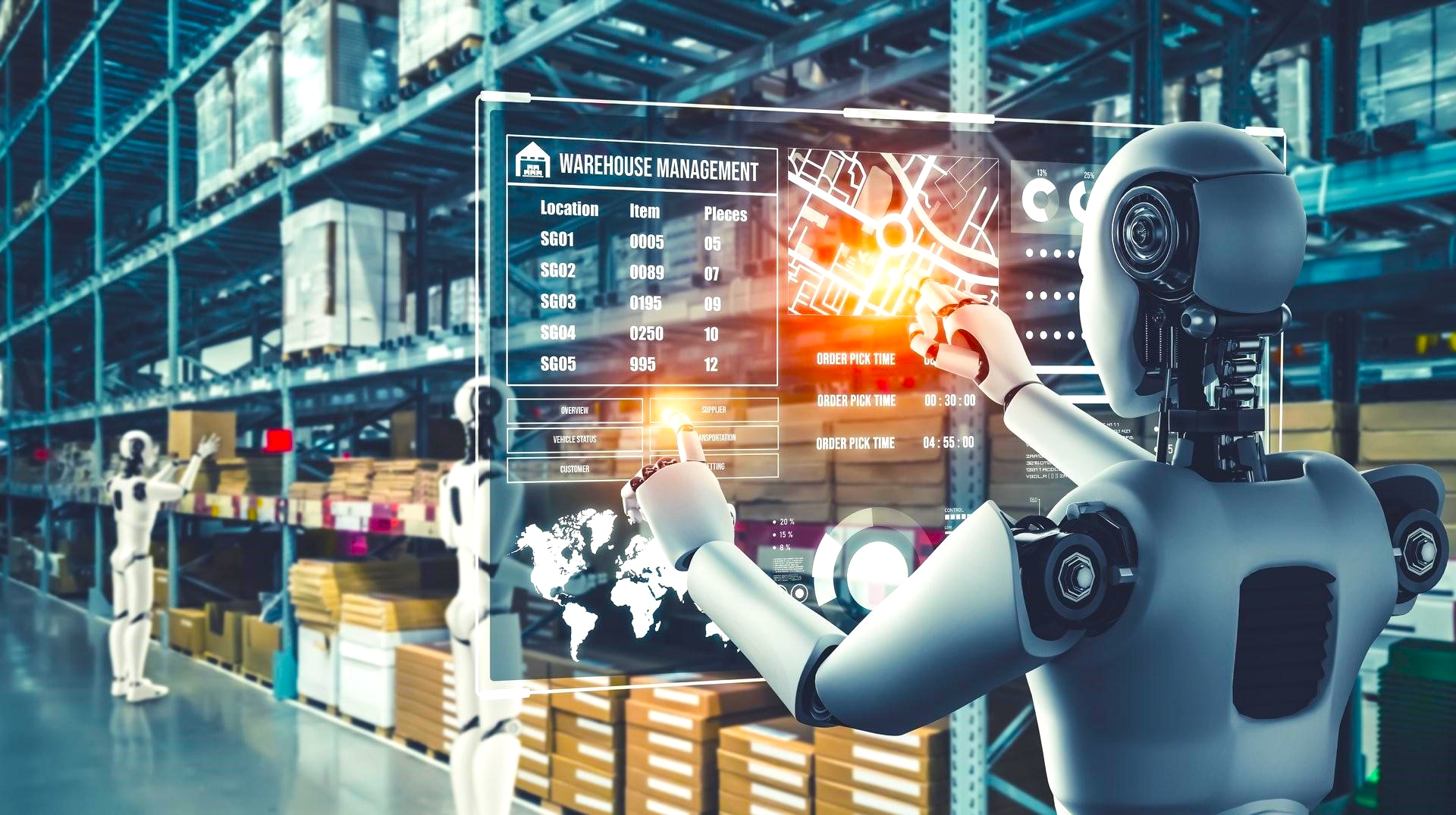
Robotics and automation technologies are also pivotal in achieving supply chain efficiency. By automating labor-intensive tasks, businesses can reduce human error and increase productivity. Warehouse giants such as Amazon and Alibaba have pioneered the use of AI-driven robots for inventory management and order fulfillment. These robots work alongside human workers, optimizing pick-and-pack operations to meet accelerating customer demands. When integrated with predictive analytics, these robotic systems analyze past order data to adaptively manage stock levels and expedite delivery times.
Furthermore, the impact of machine learning within AI is worth highlighting. Machine learning algorithms can learn from historical data, simulate various supply chain scenarios, and predict outcomes based on changing variables such as economic conditions or consumer behavior. Companies like Procter & Gamble implement machine learning for demand forecasting, yielding results that are up to 20% more accurate compared to traditional forecasting methods. This level of precision not only reduces excess inventory but also enhances cash flow, enabling better resource allocation.
Collectively, these advanced technologies emphasize the importance of a robust infrastructure for data management and analysis. Organizations keen on leveraging the full potential of predictive analytics and AI must invest in systems that can handle real-time data from IoT devices, integrate blockchain processes, and accommodate machine learning models seamlessly. The path to smarter supply chain management is paved with innovation, and companies willing to embrace these changes will find themselves better equipped to navigate an increasingly dynamic market landscape.
As we delve deeper into the practical applications of these technologies in upcoming sections, the focus will shift toward specific case studies and best practices that demonstrate how organizations, regardless of size, can harness the power of predictive analytics and AI to redefine their supply chain strategies and achieve remarkable operational excellence.
DIVE DEEPER: Click here to uncover the intersection of technology and creativity
Conclusion
The convergence of predictive analytics and artificial intelligence (AI) is reshaping the landscape of supply chain management, allowing organizations to operate with unprecedented efficiency and foresight. As we have explored, leveraging technologies like the Internet of Things (IoT), blockchain, and robotics not only enhances operational capabilities but also improves decision-making processes across the entire supply chain. The ability to harness real-time data streamlines logistics and minimizes waste, while the precision offered by machine learning helps organizations anticipate market fluctuations and consumer demands more accurately than ever before.
As companies integrate these innovative solutions, they will realize that the journey toward a smart supply chain requires a strategic commitment to continuous improvement and adaptability. Embracing these technologies is not merely a trend; it is an essential evolution in a marketplace that is rapidly changing. This integration leads to enhanced customer satisfaction, optimized resource allocation, and robust risk management strategies that are key to long-term success.
Moving forward, organizations keen on exploring the full potential of predictive analytics and AI must develop comprehensive strategies that facilitate data sharing, enhance supply chain transparency, and foster a culture of collaboration. With the right tools and frameworks in place, businesses can not only mitigate the inherent risks of supply chain disruptions but also turn challenges into opportunities for growth. As we look to the future, those willing to adopt a proactive approach will undoubtedly pave the way for a more intelligent and adaptive supply chain ecosystem.