The Impact of Real-Time Data Processing on AI Decision Making
Understanding Real-Time Data Processing in AI
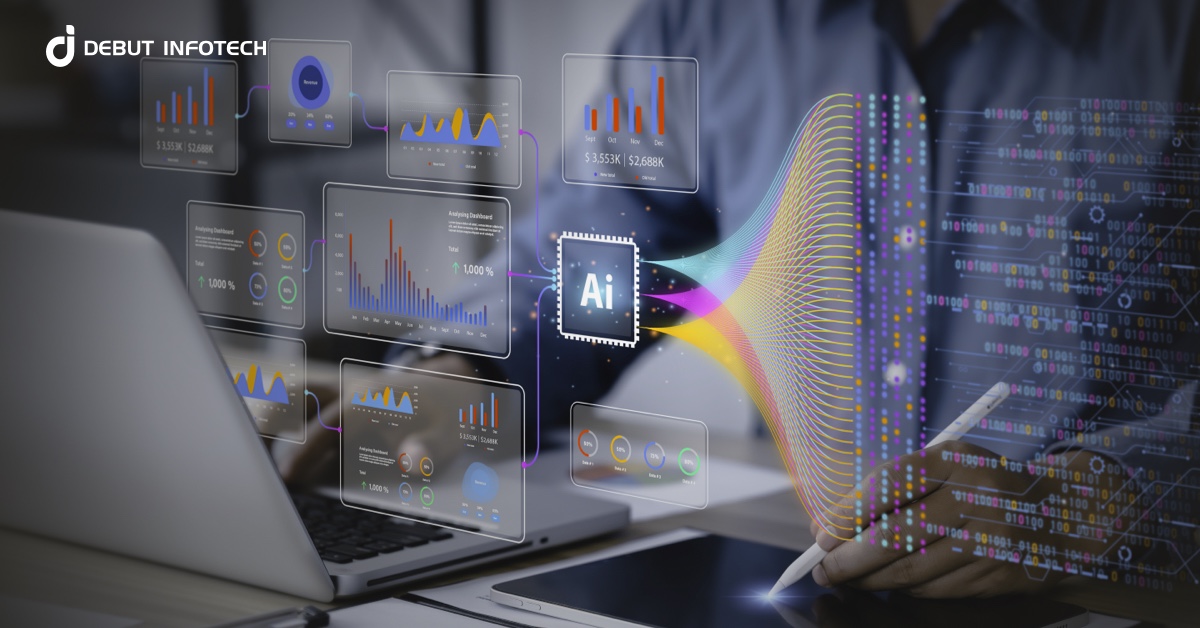
The ability of artificial intelligence (AI) to process data in real time is revolutionizing the way businesses operate across various sectors. By analyzing incoming data as it is generated, AI systems become nimble and responsive, adapting to new information almost instantaneously. This capability not only enhances operational efficiency but also raises intriguing questions about the future of decision-making in a data-driven world.
Enhanced Decision Accuracy
One of the most notable benefits of real-time data processing is enhanced decision accuracy. In industries such as retail, companies like Amazon use real-time analytics to adjust pricing strategies and inventory levels in response to consumer behavior. When a trend arises, AI can identify changes in purchasing patterns and make swift adjustments, ensuring that stock meets customer demand precisely. This responsiveness is critical in a marketplace that shifts rapidly, ensuring businesses remain competitive.
Immediate Feedback Loops
Another significant advantage lies in the creation of immediate feedback loops. With the aid of real-time data, AI systems continuously refine their algorithms based on the latest insights. For instance, social media platforms utilize this technology to dynamically adjust content recommendations based on user engagement and feedback. If a certain post garners excessive attention, the algorithms can promote similar content immediately, keeping users engaged and enhancing the overall user experience.
Enterprise Applications Across Industries
The applications of real-time data processing extend into vital sectors such as finance, healthcare, and logistics. In finance, AI systems can process live transaction data to detect potential fraud much faster than traditional methods. For example, banks are increasingly adopting AI to monitor transactions continuously and can flag suspicious activities in real time, significantly reducing potential financial losses. This real-time response is invaluable, particularly when the financial stakes are high.
In healthcare, AI technologies analyze live data from patient monitoring systems, allowing for the prompt identification of critical health changes. Hospitals equipped with such systems can provide better emergency responses and ultimately improve patient outcomes. Similarly, in logistics, companies use AI to optimize supply chain management by processing real-time data on traffic conditions, weather changes, and delivery routes to enhance efficiency and reduce delays.
As industries adapt to these cutting-edge technologies, the implications for the future are profound. AI’s potential in a fast-paced environment hints at a transformation in how decisions are made, promoted by data that is not only abundant but also actionable in real time. The implications of this shift invite reflection on our daily lives and how intertwined technology continues to become with human decision-making.
In summary, as various sectors leverage the advantages of real-time data processing, the conversation around its broader implications deepens. Businesses are not just implementing AI to improve efficiency; they are redefining their strategies and engagement with customers, urging us to contemplate the evolving role of technology and data in our society.
DIVE DEEPER: Click here to discover more
The Role of Real-Time Data in AI Decision-Making Processes
The integration of real-time data processing into AI decision-making is ushering in a new era of responsiveness and accuracy across various industries. The immediacy with which data is analyzed allows AI systems to operate on up-to-the-minute information, significantly enhancing their ability to deliver relevant insights. As a result, businesses can respond to changes in the market environment not just rapidly, but with greater confidence in the decisions they make.
Driving Competitive Advantage
In today’s fast-evolving business landscape, organizations that leverage real-time data processing gain a significant competitive advantage. Insights drawn from continuous streams of data empower businesses to adapt strategies, allocate resources, and capitalize on emerging opportunities more effectively than their competitors. For instance, companies in the e-commerce sector utilize predictive analytics to forecast purchasing trends and adjust marketing efforts in real time, thereby maximizing sales potential. Specific benefits include:
- Increased agility: Organizations can pivot quickly to meet customer needs and preferences, maintaining relevance in a crowded marketplace.
- Improved operational efficiencies: Real-time data allows businesses to streamline processes, cut costs, and enhance productivity.
- Enhanced customer experience: Instant insights lead to personalized marketing strategies, fostering stronger connections with consumers through relevant product recommendations and timely customer support.
Transforming Predictive Analytics
The infusion of real-time data processing has transformed the efficacy of predictive analytics in AI. By utilizing algorithms that incorporate real-time data streams, organizations can improve forecasts significantly. For example, in the energy sector, real-time data on consumption patterns and environmental variables enables companies to optimize energy distribution and reduce waste. Utilities can better predict peak usage times and implement strategies to manage demand without overextending their resources.
Moreover, the healthcare industry stands to benefit immensely from this evolution; telemetry devices and wearable technology constantly transmit patient data to healthcare providers, allowing for proactive decision-making. Real-time input facilitates early intervention strategies, improving patient care and outcomes in emergency situations where time is crucial.
Ethical Considerations and Challenges
However, the integration of real-time data processing in AI decision-making does not come without challenges. Issues surrounding data privacy and security are paramount, raising concerns about how consumer information is handled and utilized. Regulatory frameworks must keep pace with technological advancements, ensuring that individuals’ rights are protected while businesses harness the power of data. Furthermore, the reliance on algorithm-driven decisions may raise questions about accountability and transparency, particularly in contexts such as criminal justice or hiring.
The fusion of real-time data processing and AI is undeniably transforming how decisions are made across sectors, signaling a shift towards more informed, data-driven methodologies. As businesses navigate the complexities and ethical considerations of this new landscape, the potential for enhanced decision making invites further exploration into the implications of such technologies in our daily lives.
| Advantage | Impact on AI Decision Making |
|---|---|
| Enhanced Responsiveness | With real-time data processing, AI systems can analyze vast amounts of data instantaneously, significantly improving response times to changing conditions. This is crucial for applications in finance, healthcare, and supply chain management. |
| Improved Accuracy | Utilizing real-time data allows AI algorithms to make more informed decisions by integrating the latest available information, which minimizes errors that could arise from outdated data sets. |
| Proactive Insights | Real-time data equips AI systems to provide predictive analytics, enabling organizations to foresee trends and potential issues before they escalate, promoting strategic planning and resource optimization. |
Real-time data processing is fundamentally reshaping how AI systems operate, adding layers of sophistication and efficiency. Enhanced responsiveness means organizations can adapt quickly to market and environmental changes, making timely decisions that could lead to substantial competitive advantages. The integration of real-time analytics is also helping to boost the accuracy of AI predictions, thereby increasing trust in AI-assisted decision-making.For instance, in sectors like healthcare, real-time data processing not only enhances operational workflows but also supports improved patient outcomes by allowing AI systems to assist in diagnostics almost instantaneously. As data continues to proliferate, the ability of AI to harness this information in real-time will increasingly be a determinant of success across various industries.Additionally, the proactive insights generated from real-time data are invaluable, allowing organizations to mitigate risks and explore new opportunities as they arise. This dynamic adaptability paves the way for strategic agility, placing businesses at the forefront of their respective fields. As we delve deeper into this topic, the essential relationship between real-time processing and effective AI decision-making deserves further exploration.
DISCOVER MORE: Click here to learn about machine learning in finance
Enhancing Operational Intelligence through Real-Time Data
Real-time data processing is revolutionizing the concept of operational intelligence, enabling organizations to harness vast amounts of information and make insightful decisions. This evolution is deeply rooted in the ability to analyze and interpret data instantaneously, allowing businesses to detect trends and anomalies as they occur. In sectors like finance, for example, real-time data processing empowers risk management systems that monitor market fluctuations and transaction activities, facilitating swift actions to mitigate potential losses.
Improved Risk Management
In the financial services industry, the integration of real-time data processing into AI systems has proven invaluable for enhancing risk management. Firms can now monitor economic signals, assess credit risks, and identify fraudulent activities in real time. For instance, credit card companies deploy algorithms that analyze purchasing behavior instantly. If an anomaly indicates potential fraud, these systems can send an alert or even block transactions, protecting consumers and minimizing the company’s exposure to financial losses.
Additionally, insurance companies utilize real-time data to adjust premiums based on individual driving behavior captured through telematics devices. This dynamic model not only promotes safer driving habits but also personalizes pricing, demonstrating how real-time data analysis can seamlessly integrate into customer relations.
The Evolving Landscape of Supply Chain Management
Supply chain management is another domain where real-time data processing is making a significant impact. Companies are increasingly adopting IoT (Internet of Things) devices to track inventory levels, shipment statuses, and production capabilities. With this constant flow of data, businesses can identify supply chain disruptions sooner rather than later. For example, major retailers like Walmart use real-time inventory data to ensure shelves are stocked while minimizing excess stock, optimizing their operational efficiencies.
Furthermore, real-time analytics in supply chains enables organizations to respond effectively to unforeseen challenges, such as natural disasters or geopolitical events, that may impact logistics. AI-driven systems can analyze these data streams, predict the likelihood of disruptions, and help businesses develop contingency plans to maintain service quality and delivery standards.
Revolutionizing Marketing Strategies
Marketers are also benefiting from the integration of real-time data processing into AI decision-making. The ability to analyze customer interactions as they happen enables brands to adjust campaigns dynamically. Social media platforms, for example, provide real-time analytics on audience engagement, allowing companies to tailor messaging instantly based on user feedback. This level of responsiveness can strengthen customer relationships and enhance brand loyalty.
Moreover, businesses are harnessing data-driven insights from customer behavior analytics to create seamless omnichannel experiences. By understanding what customers are doing across multiple touchpoints, companies can refine their marketing strategies, leading to more effective outreach and campaign success.
The utilization of real-time data processing is not merely an enhancement; it is rapidly becoming essential for sustained growth and innovation. As industries continue to explore the capabilities of AI bolstered by instant data analysis, the potential for optimizing decisions and operational strategies expands exponentially. This ongoing transformation invites organizations to rethink their approaches to data and embrace the intricacies of a more connected world.
DISCOVER MORE: Click here for deeper insights
Conclusion: Embracing the Future of AI with Real-Time Data Processing
The integration of real-time data processing into AI decision-making frameworks signifies a groundbreaking evolution across multiple industries. By tapping into the immediacy and richness of data, organizations can make informed choices that enhance operational intelligence, streamline risk management, and refine marketing strategies. This agile approach allows businesses not only to respond proactively to immediate changes but also to anticipate future trends with greater accuracy.
As we have explored, sectors like finance, supply chain management, and marketing are already witnessing transformations driven by real-time data analytics. Innovations such as AI-fueled fraud detection and responsive marketing campaigns illustrate how businesses can leverage instant insights to maintain a competitive edge. The benefits are vast, presenting new opportunities for improved customer relations and operational efficiencies.
However, as organizations embrace these advancements, they must also navigate challenges related to data privacy, security, and the ethical use of AI. The growing reliance on real-time data necessitates a thoughtful approach to ensure the responsible use of technology without compromising consumer trust or regulatory compliance. As industries continue to adapt to this data-driven paradigm, they stand at the threshold of unprecedented possibilities.
In summary, the impact of real-time data processing on AI decision-making is profound and multifaceted. It stands to reshape not only how organizations function but also how they interact with their stakeholders in an increasingly interconnected world. The ongoing journey of integrating real-time insights will demand continual adaptation and innovation, inviting businesses to embrace a future where agility is paramount.