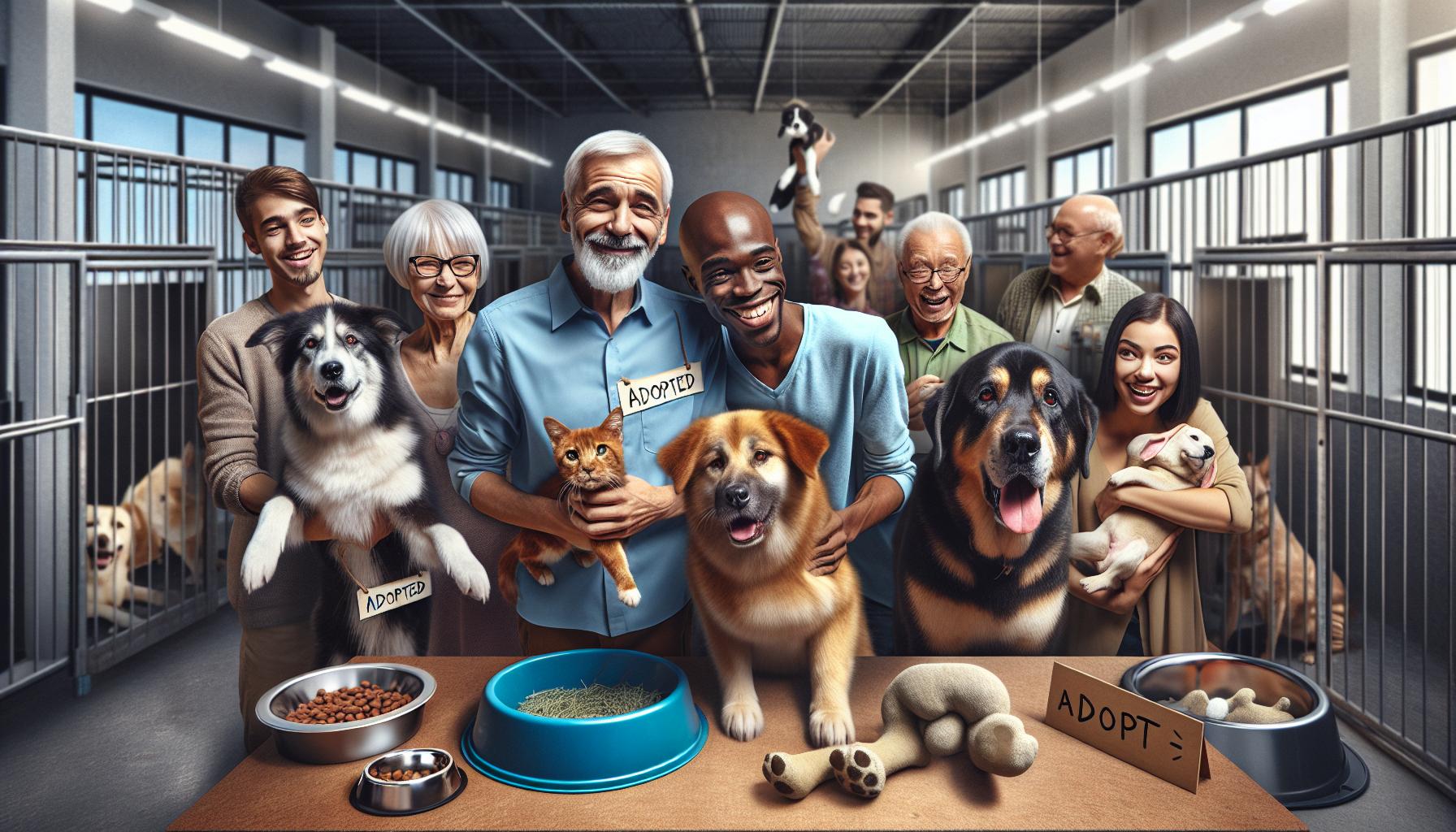
Success Stories: Transforming Lives Through Pet Adoption

Transforming Lives Through Pet Adoption
Across the United States, countless lives are being positively impacted through the simple act of pet adoption. When families and individuals open their homes to a furry friend, they often find more than just companionship; they discover profound emotional and physical benefits as well. The journey of adoption has the power to change not only the lives of animals in need but also enrich the lives of their human companions in innumerable ways.
Emotional Support
Pets provide unconditional love and companionship, helping to reduce feelings of loneliness and creating a nurturing environment. The bond formed with a pet can act as a buffer against anxiety, depression, and stress. For instance, during challenging times, such as the isolation experienced during the COVID-19 pandemic, many individuals found solace in the presence of a pet, which often became a vital lifeline. Numerous shelters have reported a surge in adoptions, indicating that more people recognized this critical emotional support system.
Physical Health
Studies show that pet ownership can lower blood pressure and reduce stress levels. Research has demonstrated that interacting with a pet can release endorphins and oxytocin, leading to enhanced mood and lower cortisol levels. Pet owners are also more likely to engage in physical activities, such as walking or playing with their dogs. In fact, a survey by the American Heart Association revealed that dog owners often meet the recommended levels of physical activity, which keeps them healthier and more active over time.
Social Connections
Adopting a pet often leads to new friendships through community events and pet-centric gatherings. From dog parks to pet adoption days, the opportunities for socializing are plentiful. Owners often bond over shared experiences or attend training classes together. Events such as “Paws in the Park” not only raise awareness for local shelters but also encourage community interactions among pet lovers, fostering new connections in the process.
Success Stories
Success stories abound, showcasing transformative journeys of both pets and their new families. For example:
- A rescued Labrador finds a forever home, helping a single mother cope with life’s challenges while providing her children with joy and playfulness.
- An elderly couple adopts a senior cat, creating a joyful routine that revitalizes their daily life and reignites their passion for nurturing.
- A young man, struggling with anxiety, discovers a loyal companion in an energetic puppy, which becomes an integral part of his mental wellness routine.
These narratives go beyond mere anecdotes; they illustrate a broader movement that highlights the positive impact of pet adoption on mental and physical well-being. As communities unite to foster this initiative, it becomes clear that pet adoption is not just about giving animals a second chance, but also about enriching human lives, one adoption at a time. The more we explore these heartwarming transformations, the more we recognize the mutual benefit and healing power shared between humans and their beloved pets.
DISCOVER MORE: Click here for tips on choosing the perfect toy for your pet!
Unleashing New Beginnings
The decision to adopt a pet often marks the beginning of a new chapter in the lives of individuals and families. With thousands of animals waiting for forever homes in shelters, pet adoption offers not just a chance for a second life for these animals but a myriad of opportunities for their new owners to experience joy, companionship, and personal growth. Each adoption story reveals a unique journey filled with challenges and triumphs, shedding light on the profound connection that forms between humans and their newfound furry friends.
Life-Changing Impacts
Pet adoption can lead to transformative changes that ripple through the lives of both pets and their owners. When a family decides to rescue a dog from a local shelter, they are often unwittingly embarking on a journey of healing and connection. Take the case of James, a veteran who struggled with PTSD. After adopting a rescue dog named Max, he found not only companionship but also a newfound purpose. Together, they participated in therapy programs that focus on the bond between humans and animals. Their story speaks volumes about how adoption can be a vital tool for recovery and reintegration into society.
Learning Responsibility and Compassion
Adopting a pet also instills crucial life skills, especially among children. Research indicates that kids who grow up with pets tend to develop greater empathy and responsibility. Caring for a pet teaches them about routine, nurturing, and the importance of commitment. Families often share experiences such as:
- Children learning to feed, walk, and groom their pets, which nurtures a sense of duty.
- Families engaging in community service by volunteering at local shelters.
- Younger siblings teaching older dogs new tricks, fostering patience and understanding.
These experiences shape a generation that is not only compassionate toward animals but also attuned to the emotional needs of those around them. As these children grow, they often carry these values into adulthood, continuing the cycle of kindness and responsibility.
Community Engagement
Pet adoption does not just change individual lives; it also fortifies communities. Many shelters across the U.S. are not just places of refuge for animals but also hubs for community activity. Programs involving pet adoption often lead to collaborations with local businesses, schools, and health organizations, fostering a sense of unity and shared purpose. Events like pet fairs, fundraisers, and educational workshops create platforms for community members to come together, learn, and support each other.
As community ties are strengthened through these shared experiences, the message about the significance of pet adoption resonates louder. It highlights a growing understanding that when one chooses to adopt, they are contributing not just to the well-being of a single animal, but to a broader movement of compassion and change. Through these stories and collective efforts, the impact of pet adoption ripples outward, showing us that the choice to adopt can indeed transform lives in the most profound ways.
| Category | Key Features |
|---|---|
| Enhanced Mental Health | Pet adoption has been linked to reduced stress, anxiety, and depression. |
| Community Building | Adopting pets fosters connections among community members and promotes collective responsibility. |
In exploring the transformative impact of pet adoption, it’s compelling to note the enhanced mental health benefits experienced by individuals and families. Studies have shown that welcoming a furry companion can significantly decrease feelings of loneliness and provide emotional support. The daily care routine involved in nurturing a pet fosters a sense of purpose, which can be especially beneficial for those grappling with mental health issues.Moreover, the act of pet adoption plays a crucial role in community building. When individuals adopt pets, it not only gives a second chance to the animals but also connects them to local shelters and fellow pet lovers, creating a wider network of support. This communal bond nurtures a culture of kindness and shared commitment to animal welfare, further amplifying the ripple effect of positive change within society. As these stories unfold, they inspire others to consider the profound impact a simple act of kindness can have on the lives of both pets and people alike.
INTERESTED? Click here to learn more about the emotional journey of pet adoption
The Ripple Effect of Adoption
Beyond the immediate benefits of companionship and responsibility, pet adoption has a profound long-term impact on society at large. Studies indicate that households with pets tend to know their neighbors better, fostering a sense of community. In neighborhoods where pet ownership is prominent, residents are more likely to engage in social activities, attend neighborhood events, and even collaborate on projects that benefit their shared environment. This communal bond often leads to lower crime rates and increased neighborhood satisfaction, illustrating how adopting a pet can contribute to a more cohesive and secure community.
Advocating for Change
Pet adoption also serves as a catalyst for societal awareness about the issues surrounding animal welfare. As more people share their adoption stories through social media and community forums, the conversation around humane treatment of animals becomes more prevalent. Educational initiatives that arise from these discussions help inform the public on critical matters such as spaying and neutering, responsible pet ownership, and the significance of adopting over purchasing pets. Nonprofit organizations are capitalizing on these narratives to launch grassroots campaigns that educate communities nationwide, leading to an overall decline in the number of animals surrendered to shelters.
Inspiring Personal Transformation
Another layer to the success of pet adoption lies in the personal growth and transformation many individuals experience post-adoption. The bonds formed between owners and adoptive pets often act as a therapeutic mechanism that aids in overcoming life’s hurdles. Stories abound of individuals who have battled loneliness, anxiety, and depression, only to find solace and renewed purpose through the presence of a pet. For instance, Sarah, a young woman who had faced childhood trauma, credits her adopted cat, Bella, as a crucial factor in her ongoing recovery. Bella not only offered companionship, but her playful antics also lifted Sarah’s spirits, leading her to seek further help and ultimately discover new ways to enjoy life. Stories like Sarah’s exemplify how the act of adopting a pet can propel individuals toward better mental and emotional health.
Bridging Generational Gaps
The intergenerational appeal of pets also highlights another significant aspect of pet adoption: it bridges generational gaps. Families with both seniors and children find common ground through shared responsibilities and joys of pet care. Grandparents often bond with their grandchildren over playtime with a new dog or cat, strengthening familial relationships. Programs that encourage seniors to adopt pets—or even volunteer at shelters—further reinforce the bond between the generations, allowing for exchanges of wisdom and affection. Such connections emphasize a key aspect of pet adoption that many overlook: the power to unite diverse age groups through shared love and empathy for animals.
As the collective narrative of pet adoption continues to unfold, it becomes clear that its impacts are both immediate and far-reaching. With each success story, we gain insight into the real-life changes these bonds foster, celebrating not only the animals saved but also the enriched lives of those who open their hearts and homes to them.
DISCOVER MORE: Click here for essential tips
Conclusion: A Call to Adopt
In summation, the success stories surrounding pet adoption are more than just heartwarming tales; they are compelling testimonies to the transformative power that these animals hold in our lives and communities. From enhancing social bonds and creating safe neighborhoods to raising awareness about animal welfare, the ripple effects of adopting a pet extend beyond individual households. The emotional and psychological benefits experienced by countless adopters underline the necessity of fostering connections with these loyal companions. Each story, like Sarah’s with her cat Bella, reinforces the idea that a simple act of kindness can yield profound results, not just for the animals saved but for the people who choose to embrace them.
Moreover, the intergenerational connections built through pet adoption emphasize its role in promoting family unity and bridging gaps between different age groups, highlighting the universal language of love that pets provide. This social fabric, enriched by the companionship of animals, showcases how adoption can lead to thriving relationships and healthier communities. As discussions around pet adoption grow in influence, motivated by shared stories and activism, we are reminded of our capacity to effect change.
Ultimately, each adoption journey is a success story waiting to be told. As we reflect on these narratives, we invite you to consider exploring pet adoption as a means to transform not only your life but also the life of a deserving animal. Together, we can cultivate a compassionate society that recognizes the invaluable bond between humans and their pets, fueling a legacy of love and hope for future generations.