The Importance of Adopting Pets: Benefits for the Community and for the Animals
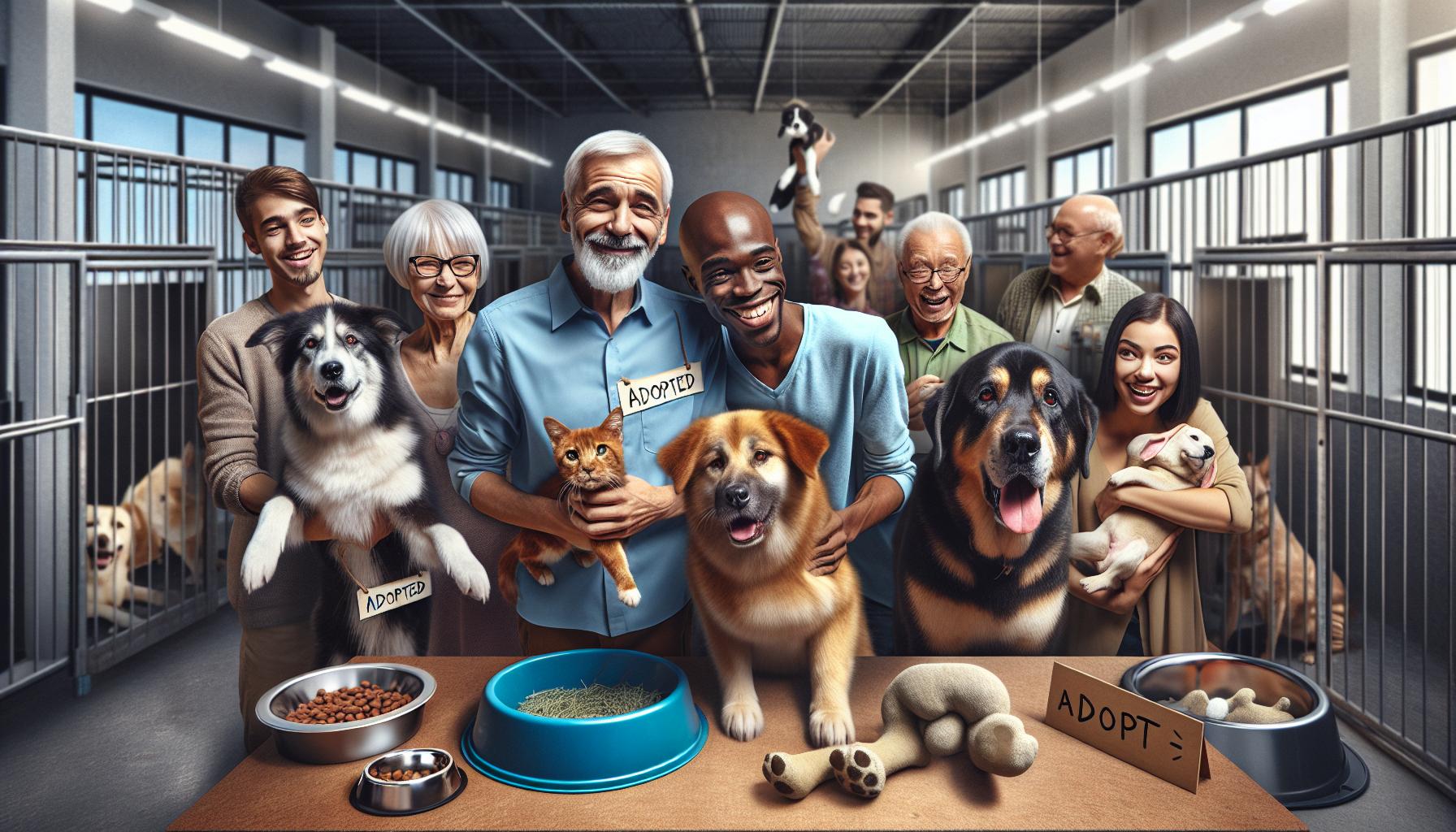
The Importance of Pet Adoption
Every year, millions of animals find themselves in shelters across the United States. According to the ASPCA, approximately 6.3 million companion animals enter U.S. animal shelters annually. This staggering number reflects not only a crisis in animal welfare but also highlights how deeply entwined these issues are with our communities. By choosing to adopt a pet, individuals can contribute to a larger solution for several pressing issues that transcend mere animal care.
Saving Lives
Saving Lives: Every adoption means one less animal in a shelter, significantly reducing overcrowding. Shelters often struggle with limited resources and staff, leading to a dire situation where some animals may be euthanized if they are not adopted in a timely manner. For instance, according to shelter statistics, about 1.5 million dogs and cats are euthanized each year in the U.S. The act of adopting a pet can save not just one life, but the life of another animal who can now take up that space in the shelter.
Promoting Responsibility
Promoting Responsibility: Pet ownership fosters a sense of duty and care among community members. The commitment to care for a pet transcends simple companionship; it nurtures a sense of accountability and responsibility in individuals, encouraging them to teach these traits to their children and peers. For instance, children who grow up with pets often learn empathy and nurturing behaviors, which are essential for social development.
Enhancing Mental Health
Enhancing Mental Health: Numerous studies illustrate that owning a pet can have profound effects on mental wellbeing. For example, research published in the Journal of Psychiatric Research concluded that pet owners exhibited lower levels of anxiety and depression when compared to non-pet owners. The simple act of petting a dog or cat can release oxytocin, a hormone that aids in creating feelings of connection and happiness. This benefit has become even more evident during challenges like the COVID-19 pandemic, where many individuals turned to pet adoption for companionship.
Strengthening Community Bonds
Beyond the tangible benefits for the animals and owners, adopting pets strengthens community bonds. When residents support local shelters, they often engage in activities such as volunteering, fundraising, and awareness campaigns. These collaborative efforts not only improve the lives of animals but also foster relationships among community members, creating a network of compassion and support. In cities like Austin, Texas, the movement towards no-kill shelters has been propelled by community involvement, showcasing how local efforts can lead to widespread change.
The Ripple Effects
The positive ripple effects of adopting pets are undeniable. From reducing the burden on local resources to fostering a culture of compassion, the impact is felt far and wide. More than just an act of kindness, adopting a pet can generate critical changes in societal norms and attitudes towards animals. It encourages people to advocate for animal rights and be proactive in their communities, paving the way for a brighter future where animal welfare is treated with the seriousness it deserves.
Understanding the intricacies of this relationship encourages a more informed approach to pet adoption for everyone involved. Each adoption not only transforms the life of an animal but also enriches the lives of entire communities, creating a legacy of hope and responsibility that lasts for years to come. For those considering adding a furry member to their family, local shelters and rescues provide ample opportunities to make a meaningful difference. The journey towards finding a new companion also opens the door to a wealth of unexplored experiences and learnings. Whether you’re looking for a playful dog, a mellow cat, or even a small pet like a rabbit, there’s a perfect match waiting for you at your local shelter.
DISCOVER MORE: Click here to learn about keeping your pet healthy</
Creating a Safer and Healthier Environment
Adopting pets does not merely benefit the animals that find new homes; it has substantial implications for the community at large. One of the most significant advantages is the enhancement of public health and safety. By encouraging responsible pet ownership, communities can experience reduced cases of stray animals, leading to a safer environment for both residents and wildlife.
Reducing Stray Populations
Reducing Stray Populations: The overpopulation of strays can lead to various public health concerns, including the spread of zoonotic diseases, which can affect humans. Vaccinated and sterilized adopted pets contribute to curbing this problem significantly. According to the Humane Society, spaying or neutering pets is essential in preventing unwanted litters that often result in more strays roaming the streets. When residents choose adoption, they are not just taking a pet into their home; they are effectively participating in a larger initiative to mitigate the issue of stray animals.
Beneficial Economic Impact
Beneficial Economic Impact: Local economies also benefit from increased pet adoptions. Pet ownership stimulates spending, as families invest in food, grooming, veterinary care, and pet supplies. The American Pet Products Association (APPA) estimates that Americans will spend over $100 billion on their pets in a given year. This spending not only bolsters local businesses but also creates jobs within pet care services and veterinary services. Therefore, every time someone adopts a pet, they contribute to the local economy, stimulating growth and job creation.
Encouraging Community Engagement
Encouraging Community Engagement: Pet adoption is not just the act of bringing an animal home; it’s a starting point for fostering community engagement. Shelters often host adoption events, fundraisers, and activities that bring people together. Participating in these events cultivates a sense of belonging and encourages residents to connect with their neighbors. These interactions can lead to friendships, new alliances, and collaborations aimed at even larger community goals.
Building Awareness and Compassion
Moreover, the act of adopting a pet sparks conversations about animal welfare and its impact on society. Many adopters become advocates for responsible pet ownership, influencing others through their personal experiences. Here are a few key benefits that adoption can promote within a community:
- Awareness Campaigns: Adopters often share their stories on social media, encouraging others to adopt, which amplifies awareness.
- Volunteer Opportunities: Shelters rely on volunteers who help with day-to-day operations, creating chances for residents to get involved.
- Educational Programs: Many shelters offer programs to educate the public about animal care, responsible ownership, and the importance of spaying and neutering.
In this way, adopting a pet goes beyond personal fulfillment; it becomes a catalyst for change within community dynamics. The benefits are interwoven, creating a tapestry of compassionate action that stretches far and wide, touching lives and inspiring hope for more effective animal welfare strategies in every corner of the community.
| Community Benefits | Animal Welfare |
|---|---|
| Reduced Stray Population | Adopting pets directly contributes to lowering the number of homeless animals. |
| Community Engagement | Provides animals with loving homes, positively impacting their mental and physical health. |
| Social Connections | Brings people together, fostering a sense of community around a shared interest in pet care. |
| Economic Impact | Adoption drives funds toward local shelters and veterinary services, improving animal care. |
The benefits of adopting pets extend far beyond just the individual and their new furry friend, positively influencing communities as a whole. When people choose to adopt rather than shop, it not only saves lives but also cultivates a culture of responsibility and care for animals. The reduction in the stray population is one of the most critical outcomes, aiding in decreased disease transmission and enhancing public health.Moreover, the act of adopting animals fosters social connections among community members. Local events, such as adoption fairs and volunteer days at shelters, create opportunities for residents to engage, collaborate, and strengthen their ties, ultimately leading to a more interconnected society. Economic impacts also provide a strong argument for pet adoption. By choosing to adopt, communities often see increased financial support for local shelters and veterinary practices, thereby elevating the standards of animal care and services available. This ripple effect creates a thriving ecosystem that not only benefits human residents but also enhances the overall welfare of animals within the community. Through awareness and participation in pet adoption, individuals can make a substantial difference, contributing to a kinder, more compassionate environment for both people and their new animal companions.
DISCOVER MORE: Click here for tips on training your pets
Fostering Empathy and Responsibility
When individuals choose to adopt pets, they don’t simply invite an animal into their homes; they embark on a journey that cultivates empathy and responsibility, qualities that extend well beyond the household. This personal growth has the potential to reverberate throughout the community, fostering a culture of compassion and accountability.
The Psychological Benefits of Pet Ownership
The Psychological Benefits of Pet Ownership: Studies have shown that pet ownership can significantly reduce stress, anxiety, and depression. For many, pets provide a sense of comfort and companionship that is invaluable, particularly during challenging times. According to the CDC, pets can improve mental health by providing unconditional love and companionship, which is especially relevant in today’s fast-paced world. As residents experience these benefits, they may be motivated to engage more actively in their communities, seeking connections that nurture their mental well-being.
Encouraging Lifelong Lessons in Kids
Encouraging Lifelong Lessons in Kids: Adopting pets teaches children critical lessons about empathy and responsibility. Children raised in homes with pets often develop skills in caring for others, leading to a generation that values kindness and respect—qualities that are essential in a cohesive community. According to the American Academy of Child and Adolescent Psychiatry, having a pet can provide a sense of security for children and teaches them how to navigate relationships. Whether it’s taking a dog for a walk or helping feed a cat, these responsibilities create a nurturing environment that influences children’s outlook on community involvement and caring for others.
The Ripple Effect of Community Support
The Ripple Effect of Community Support: Each act of adoption is a steppingstone to a broader culture of community support. Many adopters become actively involved with local animal rescue organizations and community initiatives. This is significant because volunteers can amplify outreach efforts, develop programs for low-income families, and facilitate partnerships between shelters and local businesses. As community members rally around pet adoption programs, it strengthens the social fabric of the community and creates a support network that benefits both animals and residents alike.
Changing Perceptions of Shelter Animals
Changing Perceptions of Shelter Animals: The stigma that surrounds shelter pets continues to diminish as more families choose adoption. Many people may perceive shelter animals as “damaged goods,” overlooking their potential to be loving and loyal companions. By highlighting success stories and positive adoption experiences, communities can reshape narratives around shelter animals. Organizations like Best Friends Animal Society have taken on the challenge of proving that shelter pets can thrive alongside their adoptive families. This growing recognition not only benefits the animals but also empowers adopters to advocate for more humane treatment of all pets.
Ultimately, pet adoption is a multifaceted solution with far-reaching effects. The emotional benefits gained, combined with the ripple of responsibility and advocacy, lead to a more compassionate society that values the well-being of both its human and animal inhabitants. Each pet adopted is a step toward a healthier, safer, and more empathetic community, proving that the journey of animal adoption transcends individual desires and becomes a collective movement. As more people embrace the cause, they mold a unified community that works towards animal welfare as a fundamental social priority.
DISCOVER MORE: Click here to learn how adoption changes lives
In Conclusion: A Call to Action for Adoption
The importance of adopting pets cannot be overstated; it encompasses a transformative experience that enriches both the lives of animals and the wider community. As we’ve explored, pet adoption fosters empathy and responsibility, creating a ripple effect that enhances social connectivity and nurtures future generations. Beyond the immediate psychological benefits, such as reduced stress and companionship, pet ownership instills values that shape community-minded citizens.
Moreover, the momentum surrounding pet adoption shifts societal perceptions about shelter animals. No longer viewed as “damaged goods,” these pets emerge as deserving companions, filled with potential and love to give. Individuals who adopt often become advocates, raising awareness about the plight of homeless animals and rallying resources that strengthen community support systems.
As we look toward a future where every shelter pet finds a loving home, it’s crucial for individuals, families, and communities to recognize the collective responsibility we share in this movement. By participating in adoption initiatives, fostering advocacy, and contributing to local shelters, we can create a unified front that prioritizes animal welfare and enhances community well-being. Our pets have an extraordinary ability to shape our lives; by choosing to adopt, we are ultimately adopting a brighter, more compassionate future—for both ourselves and our furry friends.
As a community, let us continue to champion pet adoption as a vital aspect of our shared human experience, ensuring that the love and companionship of a pet is a right accessible to all.