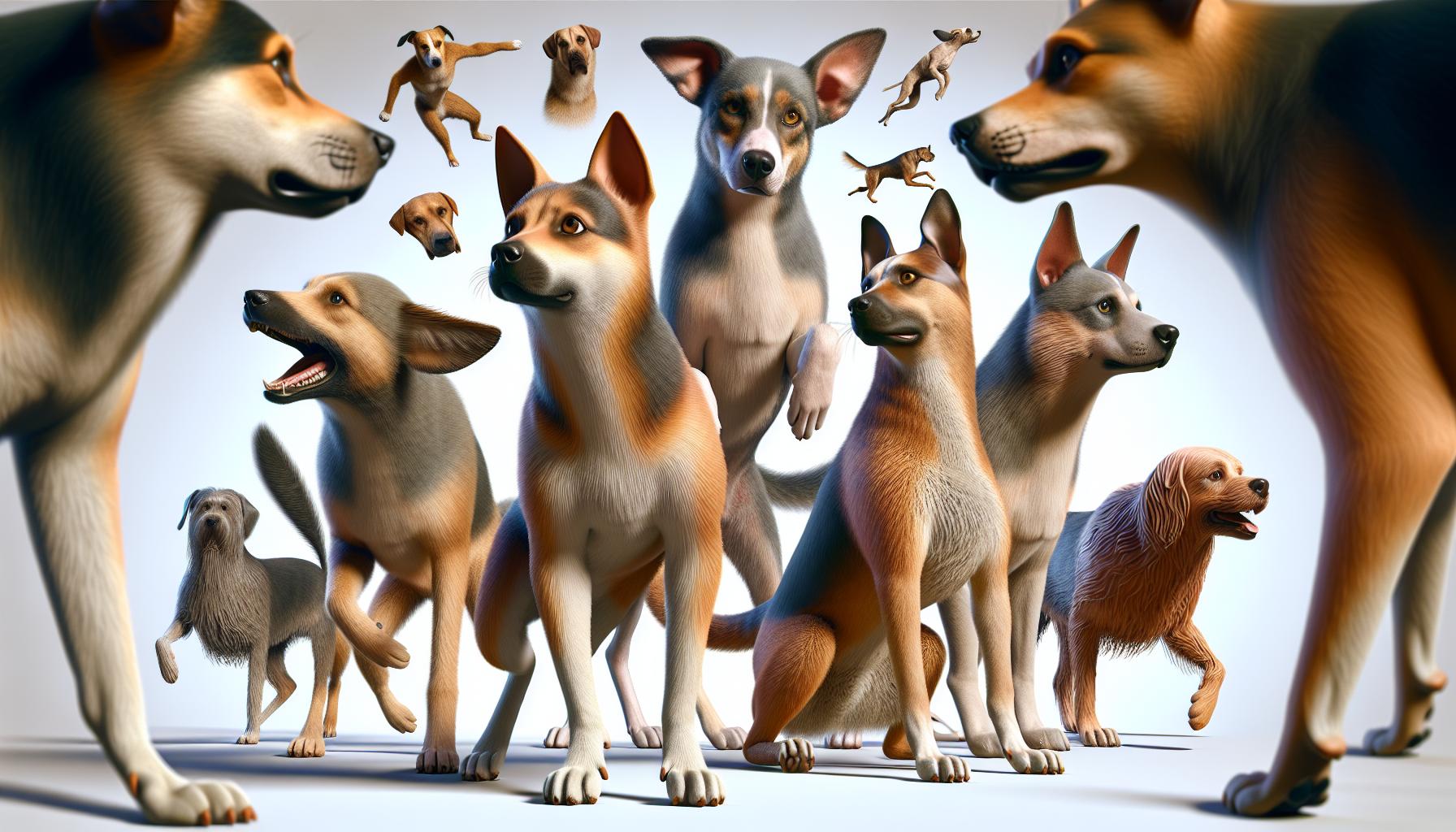
The Body Language of Dogs: How to Understand Canine Behavior

Decoding the Signals of Our Furry Friends
Dogs have a remarkable ability to communicate, but their language is not always easily understood by humans. The nuances of canine communication are often subtle, resulting in misunderstandings between dogs and their owners. A deeper appreciation of dog body language can significantly enhance the relationship between pet and owner, allowing for a more harmonious home environment.
Key Elements of Canine Body Language
- Tail Position: The way a dog holds its tail can convey a spectrum of emotions. A high, wagging tail typically indicates happiness, excitement, or friendliness, often seen during playtime or when greeting their favorite person. Conversely, a low, tucked tail may signal the dog is feeling scared, anxious, or submissive, such as when encountering a new environment or a dominant dog.
- Ear Posture: Ear position is another vital clue in canine communication. Erect ears may suggest a dog is alert and attentive, possibly during a walk in the park or while playing. Meanwhile, ears pinned back against the head can denote anxiety, fear, or discomfort, especially in unfamiliar situations like a visit to the vet.
- Body Stance: The overall body stance of a dog serves as a barometer of its mood. A relaxed and loose body indicates comfort and security, often seen in a dog that is at ease at home. In contrast, a stiff, tense posture may be an indication of distress or aggression, warning other animals or people to keep their distance.
By decoding these signals, dog owners can respond more appropriately to their pet’s needs and emotions. For example, if a dog is showing signs of fear with a tucked tail and pinned ears, offering them space and a calm voice can help alleviate their anxiety. Alternatively, understanding when a dog is eager to play can create opportunities for bonding through interactive games.
In this exploration of canine behaviors, we will delve into specific examples, such as how a dog might react to different sounds or environments, providing insights into their unique personalities. By grasping these communications, owners can foster a stronger bond with their dogs, leading to happier pets and a more fulfilling companionship.
Canine communication is a fascinating realm that can enrich the lives of both dogs and their humans. The journey of understanding your dog’s body language can unlock deeper connections and ensure that you create a loving and supportive environment for your furry friend.
Understanding Canine Emotions Through Physical Cues
Dogs, often referred to as man’s best friend, share a unique bond with humans that is enriched by their intricate body language. Recognizing and interpreting these physical cues can empower dog owners to respond more appropriately to their pets, fostering an environment where both parties feel understood and secure. Beyond just wagging tails and playful barks, canine communication encompasses a wide range of signals that reflect a dog’s emotional state.
Facial Expressions and Eye Contact
- Eyes: Dogs use their eyes to express a variety of feelings. A soft gaze may indicate trust and affection, while a stare can signal challenge or threat. It’s important to note that prolonged eye contact might cause anxiety in some dogs; hence, averting one’s gaze can create a sense of calm.
- Mouth: The shape of a dog’s mouth can be quite revealing. An open mouth with a relaxed tongue often signifies a happy and relaxed dog. Conversely, a closed mouth or a mouth that is half-open with bared teeth might suggest that the dog is feeling threatened or aggressive.
- Facial Tension: Tension in a dog’s face can indicate stress. A wrinkled brow or furrowed forehead suggests that a dog is puzzled or feeling uncomfortable, signaling that it may be best to remove the dog from a potentially stressful situation.
Understanding these facial expressions can make a significant difference in your responses to your dog’s needs. For instance, if your pooch is looking away or avoiding eye contact, it might be feeling overwhelmed or anxious. In these cases, providing comfort through gentle words or allowing some space can help soothe their nerves.
Vocalizations and Their Meanings
In addition to body language, vocalizations play an essential role in canine communication. A dog’s bark, growl, and whine can communicate different messages, often reflecting their emotional state or needs. Here are some common vocal cues:
- Barking: Varies based on type and intensity; short barks may express excitement or a desire for attention, while prolonged barking might indicate frustration or a warning.
- Growling: Generally signifies discomfort or displeasure. While it can indicate a warning, it may also be a form of play when coupled with a relaxed body language.
- Whining: Often a sign of distress, need for attention, or expressing discomfort. When a dog whines, it’s essential to assess its environment and potential triggers.
By interpreting these vocalizations alongside physical cues, dog owners can develop a more comprehensive understanding of their furry companions. This holistic approach not only enhances communication but also strengthens the bond formed between dogs and their humans.
As we continue to delve deeper into the world of canine body language, we will explore specific scenarios and behaviors that provide insights into how dogs interact with their surroundings and their human counterparts. The more we understand them, the more enriched our relationships can become.
| Category 1 | Category 2 |
|---|---|
| Posture and Movement | Understanding a dog’s posture is crucial for interpreting feelings. Dogs convey emotions through their stance, walking patterns, and actions. |
| Tail Position | A dog’s tail serves as a communication tool—high tail wagging suggests happiness, while a tucked tail can indicate fear or submission. |
| Ear Signals | Dogs communicate their emotional state through ear positions. Erect ears often signal alertness, while ears pinned back can indicate discomfort or aggression. |
| Facial Expressions | A dog’s face is rich in expression. Understanding these subtle signals can reveal their mood—think of the relaxed mouth or narrowed eyes. |
| Vocalizations | Beyond barks and growls, dogs utilize a variety of sounds to express needs and emotions, acting as a vital part of their communication. |
Dogs are more than just pets; they are complex beings communicating through a rich tapestry of body language. Understanding canine behavior not only enhances our bond with them but also improves our training techniques and enriches their lives. By observing their movements, tail positions, ear signals, facial expressions, and vocalizations, we can better meet their needs and ensure a harmonious relationship. With this knowledge, handlers, trainers, and dog lovers alike can foster a deeper understanding and appreciation for our furry friends, unlocking further insights into their nuanced world.
Decoding Posture and Movement
Another critical aspect in understanding the body language of dogs involves their posture and movement. From the way a dog stands to how it interacts with its environment, these physical cues provide a wealth of information about its current emotional state and intentions. Recognizing these signals can be pivotal in fostering a positive relationship between humans and their canine companions.
The Significance of Tail Position
A dog’s tail is a prominent indicator of its emotions. Tail positions can vary widely and can convey different meanings:
- High and Wagging: A tail held high and wagging energetically typically indicates a happy and excited dog. This is often seen when a dog is anticipating playtime or is thrilled to see its owner.
- Neutral Position: A tail that hangs naturally down indicates a calm state. However, it becomes essential to look at other body cues alongside this position to gauge the dog’s emotional state accurately.
- Low or Tucked Tail: A tail that is down or tucked between the legs often signifies fear, submission, or anxiety. In such cases, the dog may need reassurance or a safe retreat from the source of its discomfort.
- Stiff and High Tail: A tail that is held high and stiff may indicate alertness or aggression. This posture can often be observed when a dog perceives a threat or challenge.
Overall Body Posture
The overall posture of a dog can also reveal much about its emotional well-being. An erect stance can signal confidence or aggression, while a crouched position often indicates fear or submission. Furthermore, a dog that rolls over on its back may be displaying a trusting nature, exposing its belly as a sign of submission or a request for belly rubs:
- Play Bow: A common posture in playful dogs is the “play bow,” where a dog stretches its front legs forward while keeping its rear end elevated. This gesture is an invitation to play and indicates a friendly demeanor.
- Limp Body: If a dog stands or walks with a relaxed, loose body, it suggests the dog is comfortable and at ease. In contrast, tense muscles and a tight body indicate distress or readiness to react defensively.
- Backing Away: If a dog backs away from a situation or person, it indicates discomfort or fear. This retreat may be a natural instinct to avoid potential threats.
Additionally, movement speed plays an essential role in communication. A dog that moves swiftly toward its owner with a wagging tail is typically expressing eagerness or excitement. However, slow and cautious movements may denote apprehension or a desire to assess surroundings carefully.
The Importance of Context
Understanding canine body language cannot be done in isolation—the context of the situation is equally important. For example, a dog wagging its tail in an unfamiliar or tense setting may still be perceived as anxious or unsure. Observing the environment, other animals present, and recent interactions can help paint an accurate picture of a dog’s emotional state.
Moreover, knowledge of the dog’s breed and personality is imperative. Certain breeds may have particular tendencies in communication. A typical anxious breed, such as the Border Collie, may express insecurity differently than a confident breed like the German Shepherd.
Deepening one’s understanding of canine body language through observations and context can significantly enhance the bond between humans and dogs. This level of communication promotes trust, reduces misunderstandings, and ensures that dogs feel understood in their interactions with the world around them.
Conclusion: Enhancing Our Connection with Dogs through Body Language
In conclusion, understanding the body language of dogs is essential for anyone looking to deepen their bond with their canine companions. By paying close attention to cues such as tail position, overall posture, and behavioral movements, dog owners can gain invaluable insights into their pet’s emotions and intentions. These observations create an environment of trust and comfort, where dogs feel understood and secure.
Moreover, recognizing the significance of context adds another layer of depth to our interactions with dogs. Each canine communicates differently based on its unique personality, breed characteristics, and environmental factors. For example, a playful Airedale Terrier may exhibit enthusiasm through vigorous wagging, while a sensitive Shih Tzu may demonstrate anxiety through a tucked tail in a busy setting. By observing these variations, owners can cater their responses appropriately, fostering a nurturing atmosphere.
As we refine our skills in interpreting canine body language, we not only enhance our relationship with dogs but also contribute to their overall well-being. Understanding their non-verbal communications allows us to better meet their needs, promote positive experiences, and reduce potential conflicts. With patience and practice, anyone can become proficient at reading their dog’s signals.
Ultimately, embracing the art of canine communication opens a new world of connection and companionship. As pet owners, let us strive to become keen observers of our furry friends, thus ensuring that our relationships are marked by mutual understanding, respect, and love.