How Early Socialization Affects Puppy Behavior

The Critical Role of Early Socialization in Puppy Development
The first few months of a puppy’s life are a transformative phase that determines their behavior and personality in the long run. This phase is characterized by a heightened ability to learn from the environment—puppies are incredibly impressionable and can acquire both positive and negative associations during this time. As such, early socialization is not just beneficial; it is essential for cultivating well-rounded dogs.
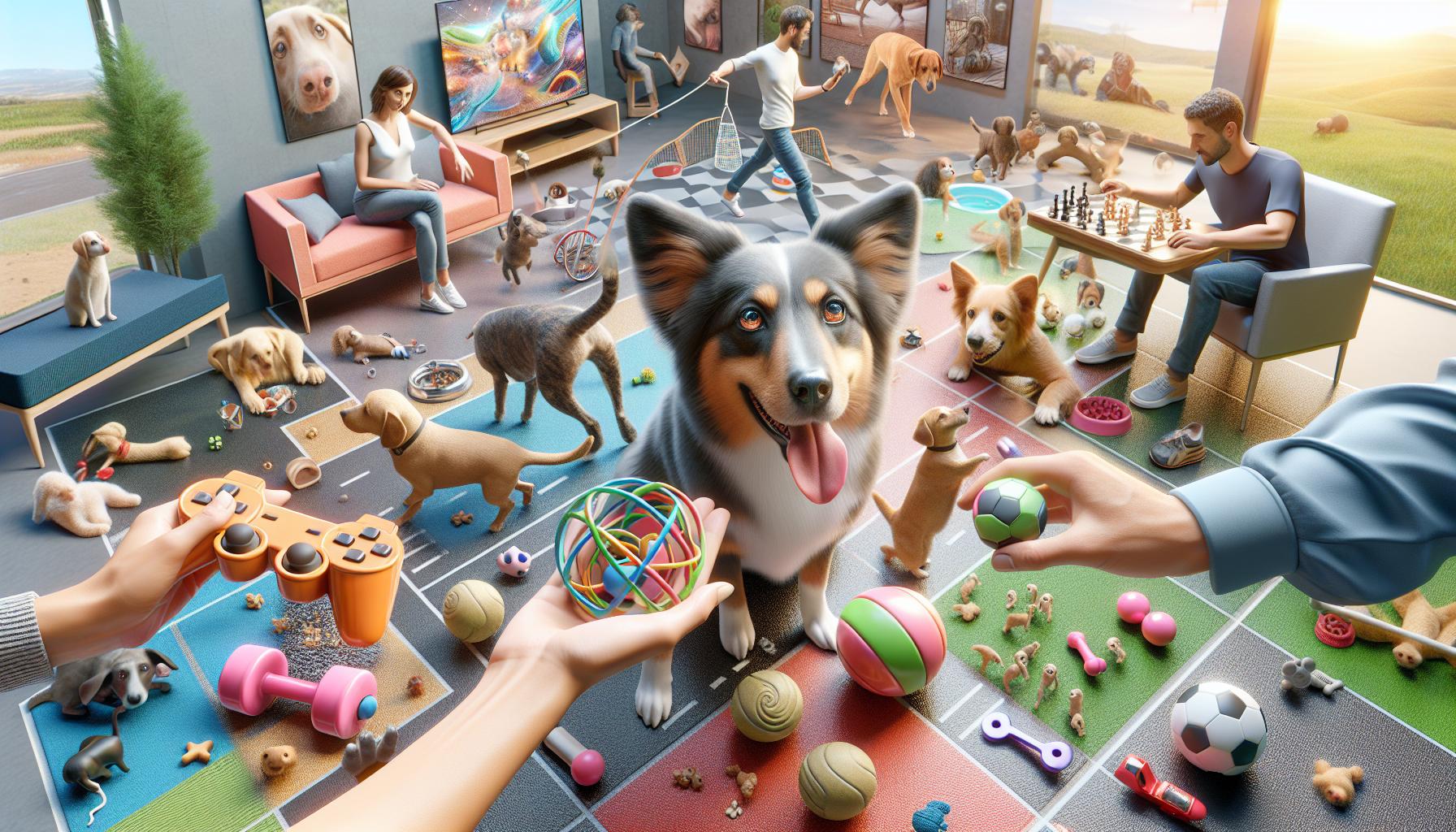
Positive experiences during this formative period play a pivotal role in establishing confidence in puppies. For instance, introducing your puppy to a variety of people—children, adults, and seniors—can help them feel more comfortable in diverse social settings as they grow. Likewise, exposure to different environments, such as parks, neighborhoods, and pet-friendly stores, helps your puppy learn how to navigate various situations, reducing fearfulness and anxiety later in life. Interactions with other animals, particularly vaccinated ones, can foster healthy play behaviors and teach necessary canine etiquette.
However, if these early socialization opportunities are lacking, it can lead to significant behavioral issues as the dog matures. Puppies that are not adequately socialized may develop anxiety in unfamiliar situations, exhibit aggression towards other animals or humans, and show an overall tendency toward fearfulness. Such problems can result in a lifelong struggle for both the dog and the owner, potentially leading to rehoming or even abandonment in severe cases.
Optimal Timing for Socialization
Timing is crucial in the process of socialization. Pet trainers and veterinarians often emphasize that the critical period for socializing puppies is between 3 and 14 weeks of age. During this window, puppies are most receptive to new experiences, making it a prime time for owners to introduce them to various stimuli, such as different sounds, sights, and scents. Engaging with your puppy in these experiences is not just fun; it’s fundamentally shaping their understanding of the world.
Furthermore, the benefits of early socialization extend beyond the puppy stage. Dogs that have been well-socialized are typically more adaptable to changes, whether it be a move to a new home or a change in routine. Having a solid foundation in social behavior enhances the bond between the pet and owner, fostering a relationship built on trust and understanding.
For those looking to deepen their knowledge of socialization techniques, consider enrolling your puppy in training classes that emphasize social interaction or organizing playdates with well-behaved dogs. Each experience is an opportunity for your puppy to learn and grow, making socialization an adventure that lays the groundwork for a happy, healthy life together.
LEARN MORE: Click here to discover the impact of nutrition on your pet’s mental health
The Impact of Socialization on Long-term Behavior
When considering the future behavior of our furry companions, early socialization has a profound impact that goes beyond the puppy stage. The experiences a puppy encounters within the crucial 3 to 14 week window not only shape their immediate responses but also lay the groundwork for how they will interact with the world throughout their lives. Understanding these mechanisms can empower dog owners to take an active role in crafting positive behaviors.
One key aspect of early socialization is familiarity with various stimuli. Whether it’s bustling city sounds or the quiet hum of suburban life, exposing puppies to different environments can drastically reduce the likelihood of reactionary behaviors later on. A well-socialized puppy learns to differentiate between normal everyday sounds—like barking dogs, doorbells, and traffic noise—and unusual, potentially threatening noises. This ability to discern between what is normal and what is a cause for concern greatly mitigates anxiety in unfamiliar situations.
Moreover, early socialization enables puppies to understand how to appropriately engage with other animals. This training is instrumental not just for preventing aggression but also fostering healthy play habits. When exposed to well-behaved dogs, puppies can learn vital skills such as bite inhibition and body language, creating a smoother transition into adulthood. The social skills they acquire can be supported through guided interactions, which can be structured in several key ways:
- Structured Playdates: Arranging playtime with fully vaccinated and friendly dogs is essential. Puppies learn valuable cues about appropriate play from their peers.
- Training Classes: Enrolling in puppy classes provides controlled environments where they can practice obedience and interaction under supervision.
- Home Visits: Inviting friends over, including those who are calm and confident around dogs, offers your puppy varied social scenarios in a familiar setting.
On a broader scale, the implications of insufficient socialization are sobering. A puppy deprived of diverse experiences may grow into an adult dog plagued by chronic anxiety, fear challenges, or aggressive tendencies toward unfamiliar dogs or faces. Experts link this lack of exposure to a range of behavioral issues, which can require intensive training or, in severe situations, direct intervention from animal behaviorists.
Another essential aspect of early socialization is the relationship between the dog and its owner. Dogs that are well-socialized tend to exhibit more adaptable and resilient behavior, making them easier to train and integrate into different lifestyle activities. Engaging in regular socialization exercises strengthens the bond between dog and owner, promoting a healthy, trusting, and communicative relationship.
Ultimately, early socialization not only affects individual behavior but influences the overall quality of life for both the puppy and the owner. As we delve deeper into the specifics of socialization techniques, it becomes clear that investing time during this formative period yields lifelong dividends for both parties.
How Early Socialization Shapes Canine Conduct
The early stages of a puppy’s life are critical for their long-term behavioral development. During the sensitive period—typically from three to sixteen weeks of age—puppies are particularly receptive to social exposure. This is when they learn to interact with other animals, humans, various environments, and objects. Positive experiences during this time can foster a well-adjusted, confident dog, while a lack of interaction can lead to behavioral issues later in life.
The Importance of Diverse Experiences
Socialization involves much more than simply meeting other dogs. It encompasses exposure to various sounds, sights, and experiences that a dog will face throughout their lifespan. Incorporating different environments like parks, urban areas, or even busy streets can significantly aid in developing a well-rounded canine. The diverse experiences prepare puppies for real-world situations, reducing the likelihood of fear or anxiety-related behaviors later.
Interaction with People and Other Animals
During this formative stage, exposing puppies to a variety of people—including children, adults, and the elderly—helps them learn to respond positively to different human behaviors. Additionally, appropriate interactions with other well-behaved dogs can teach puppies important social cues, ensuring they learn how to communicate appropriately within their species. Ignoring this aspect might lead to aggressive behaviors or fearfulness around unfamiliar people and pets.
Providing Safe and Controlled Environments
It’s essential that the experiences puppies encounter during this time are positive and controlled. Negative encounters, such as aggression from other dogs or frightening experiences with loud noises, can imprint harmful reactions that last a lifetime. Owners should ensure all interactions are monitored, creating a safe learning environment to foster confidence and sociability in their growing puppies.
Encouraging Exploration
Encouraging curiosity and exploration during socialization is important. Owners can introduce new toys, textures, or even gentle turbulence like a lightweight dog-friendly ramp. This builds their adaptability and courage while simultaneously strengthening the bond between pet and owner. When puppies feel safe and validated while exploring new things, they are less likely to develop behavioral issues related to anxiety.
By prioritizing early socialization, dog owners can pave the way for a calm, well-adjusted companion, leading to a happier life for both pets and their human families. Investing time and effort in early socialization strategies is one of the most impactful steps toward ensuring a canine’s long-term behavioral health.
| Category | Key Points |
|---|---|
| Social Interaction | Enhances comfort around diverse groups of people and animals. |
| Exploring Environments | Develops adaptability to various situations and reduces anxiety. |
DISCOVER MORE: Click here to learn about pet nutrition
The Role of Positive Reinforcement in Socialization
A critical component of effective early socialization is the application of strong, positive reinforcement strategies. Utilizing treats, praise, and encouragement can not only illuminate what is deemed acceptable behavior but also create a sense of joyful exploration for puppies. This technique establishes a foundation where social interactions are connected with positive experiences, something that resonates throughout their behavioral development.
For example, during socialization outings, when a puppy encounters new people, places, or other animals, responding positively to calm behavior can significantly influence their future reactions. When puppies receive rewards for calm explorations, they associate socializing with positivity and remain relaxed in potentially stressful environments. The concept of “psychological conditioning” suggests that training during early socialization can lead to lifelong habits, which is a fundamental principle for puppy owners aiming for well-adjusted adult dogs.
Understanding Fear Periods
Another aspect dog owners should be aware of is the existence of fear periods. These are critical developmental phases when puppies may exhibit heightened sensitivity to certain stimuli. Typically occurring around the ages of 8 to 11 weeks and again at 14 to 18 weeks, these periods necessitate a careful approach to socialization. During these times, introducing too many new experiences can lead to lasting fears, making it vital for owners to balance their puppies’ exposure to new situations with reassurance and gradual exposure.
For instance, if a puppy encounters a loud noise like thunder during a fear period, the reaction to that stimulus can have long-term implications. Owners should be sensitive to these critical times, ensuring that socialization experiences remain positive and not overwhelming. Controlled experiences during fear periods—like a trip to a park where they meet friendly dogs—can produce a resilient response rather than creating traumatic associations.
Socialization beyond the Puppy Stage
It’s crucial to recognize that the benefits of early socialization extend beyond puppyhood. Dogs that receive proper exposure and reinforcement tends to adapt more readily in new situations as they mature. In fact, studies indicate that well-socialized dogs are more likely to participate in various activities with their owners, including travels, outdoor adventures, and encounters with friends and family.
Additionally, the importance of continued socialization through adulthood cannot be overstated. Regular engagement with new people, animals, and environments is essential for ensuring that the foundations set during puppyhood can be built upon, fostering a well-rounded and adaptable adult dog. Activities such as advanced training classes, group dog sports, or community events can serve as perfect opportunities for ongoing socialization.
A Community Approach to Socialization
Finally, the role of community in puppy socialization deserves attention. Many local pet stores, shelters, and community centers offer puppy socialization events, providing opportunities for dogs and their owners to connect with others in a safe and engaging environment. These communal activities not only enhance social skills in puppies but also expand the support network for pet owners. Joining such forums can create a positive reinforcement loop where shared experiences and learning can thrive.
Understanding the intricate dynamics of early socialization helps emphasize its lasting impacts on puppy behavior. While taking these proactive measures, owners can ensure their furry companions grow into well-rounded, confident dogs capable of navigating life’s various experiences with ease.
DISCOVER MORE: Click here to learn how to help your pet adjust
Conclusion: The Lasting Impact of Early Socialization
In examining the profound connection between early socialization and puppy behavior, it is clear that the foundational experiences laid during a puppy’s formative weeks set the stage for their future demeanor and adaptability. By employing positive reinforcement and actively engaging with their pups during critical fear periods, owners can create an environment where socialization is associated with comfort and excitement. This proactive approach not only yields confident adult dogs but also enriches the bonds between them and their human companions.
Moreover, the societal need for well-adjusted dogs emphasizes the importance of ongoing socialization beyond puppyhood. As our canine friends grow, continued exposure to diverse situations, individuals, and other animals is vital for maintaining a balanced temperament. Regular participation in community events, training classes, or simple outings can offer enriching experiences that foster well-rounded behavior.
Additionally, the collective role of community resources cannot be overlooked. Engaging in local puppy socialization groups or training workshops allows for shared experiences and valuable support networks among pet owners. It encourages a culture of responsible dog ownership, vital for a society where dogs and humans coexist harmoniously.
As we reflect on the nuances of puppy behavior shaped by early socialization, it becomes evident that investing time and effort into this process yields significant rewards. Owners can cultivate not just obedient pets, but cherished companions capable of enriching lives and fostering connections within their communities. As the journey of our dogs unfolds, the seeds of socialization planted in their early days will undoubtedly blossom into the confident, well-rounded adults we aspire them to be.