Effective Techniques of Positive Reinforcement in Dog Training
Understanding the Power of Positive Reinforcement
Training your dog can be a rewarding experience, underscoring the bond between you and your furry friend. Positive reinforcement stands out as a particularly effective method, promoting good behavior while fostering a trusting relationship. This approach rewards desirable actions, leading to long-lasting habits and a happy canine companion.
Why choose positive reinforcement? Here are some compelling reasons:
- Builds trust: By utilizing positive reinforcement techniques, your dog learns to associate training with enjoyable experiences. For instance, every time your dog successfully performs a command like “sit” or “stay,” and is promptly rewarded, they understand that good behavior leads to treats or praise. Over time, this builds a solid foundation of trust between you and your pet, making training sessions feel less like a chore and more like a fun activity.
- Encourages learning: Positive reinforcement encourages dogs to engage and respond positively. Dogs that are rewarded are more likely to repeat the behavior that got them the reward. This is particularly effective in teaching new commands or tricks. For example, when teaching a puppy to fetch, rewarding them with a favorite toy after they bring it back can significantly enhance their learning experience.
- Reduces behavioral issues: Using positive reinforcement can effectively decrease unwanted behaviors. For instance, if a dog tends to jump on guests, training them to sit when someone enters the home, and rewarding that behavior, can mitigate this issue. With consistent application, your dog learns what is expected of them, which leads to fewer misunderstandings.
But what exactly does positive reinforcement entail? It involves a variety of rewards, including:
- Treats: Small, delicious snacks that your dog loves serve as powerful motivators. Many trainers suggest using high-value treats for particularly challenging tasks, reserving them for special moments.
- Praise: Verbal encouragement, like saying “Good boy!” or “Well done!” makes your dog feel accomplished. The tone of your voice can greatly influence their reaction, so enthusiastic praise can be a fantastic boost during training.
- Playtime: Engaging in fun activities that your dog enjoys, such as tug-of-war or fetch, can serve as a reward. This not only motivates them but also enriches your pet’s quality of life through interactive play.
Exploring these techniques can enhance your dog’s obedience and strengthen your bond. By approaching training with positive reinforcement, you can create an environment where your dog feels secure and eager to learn. Learning how to utilize these strategies will empower you to communicate effectively with your canine companion, transforming each training session into a joyful, productive experience. Join us on this journey to discover practical strategies that guarantee both you and your pet thrive together.
DIVE DEEPER: Click here to find out more
Essential Techniques to Enhance Positive Reinforcement
Implementing positive reinforcement in your dog training involves more than simply handing out treats. It’s about understanding your dog’s motivations and using them effectively to cultivate their best behavior. Here are some essential techniques to elevate your training sessions and ensure your dog thrives:
1. Consistency is Key
Dogs, much like humans, benefit from a stable and predictable environment. Consistency in your commands, timing of rewards, and training sessions themselves is crucial. When you consistently reward behaviors you want to see, your dog learns to associate those behaviors with the reward, solidifying their understanding of actions to be repeated. For instance, if you want your dog to “sit” every time you open the door, it’s essential to reward them immediately, every time they obey.
2. Timing Matters
Timing is one of the most significant elements of positive reinforcement training. If a dog exhibits a desired behavior, the reward must be given promptly—ideally within a few seconds. This precision helps the dog make the connection between the action and the reward. For example, if your dog sits on command and you wait too long to provide praise or a treat, they may not associate the reward with the action of sitting, diminishing the effectiveness of your training.
3. Gradual Progression
When teaching new commands, start with simple tasks before gradually advancing to more complex behaviors. Break down each command into small, manageable steps, rewarding your dog for each incremental achievement. This strategy, often referred to as “shaping,” allows dogs to build confidence and reinforces positive behavior without overwhelming them. For example, if you’re teaching your pup to roll over, you might first reward them for lying down, then for shifting their weight side to side, and finally for completing the entire roll.
4. Use High-Value Rewards
High-value rewards can significantly impact the effectiveness of your training. These rewards might include the dog’s favorite treats, interactive toys, or even praise from you—whatever they find most motivating. Engaging with different rewards keeps training exciting and encourages your dog to perform their best during training sessions. Rotate rewards to maintain novelty; this approach is particularly useful if your dog seems to lose interest or becomes complacent with a single type of treat.
5. Positive Play and Socialization
Another effective technique is incorporating play and social interaction as forms of rewards. Dogs thrive on their social connections and playing can reinforce good behavior just as effectively as treats. This becomes especially useful in group training sessions where dogs learn to communicate positively with each other while still focusing on obedience. Creating a rich training environment where bonding through play is encouraged not only teaches valuable skills but enriches your dog’s overall experience.
By understanding these foundational techniques, positive reinforcement can truly become a transformative tool in your dog training journey. The key lies in effectively blending consistency, timely rewards, and a reinvigorated sense of excitement—ensuring that each training session not only enhances your dog’s skills but also strengthens your relationship.
| Technique | Description |
|---|---|
| Clicker Training | A method using a clicker to mark desired behaviors at the precise moment they occur, reinforcing positive actions effectively. |
| Positive Reinforcement | Rewarding desirable behaviors with treats or praise, motivating dogs to repeat those behaviors. |
| Praise and Affection | Utilizing verbal praise and physical affection, such as petting, to reinforce good behavior, enhancing the bond between dog and owner. |
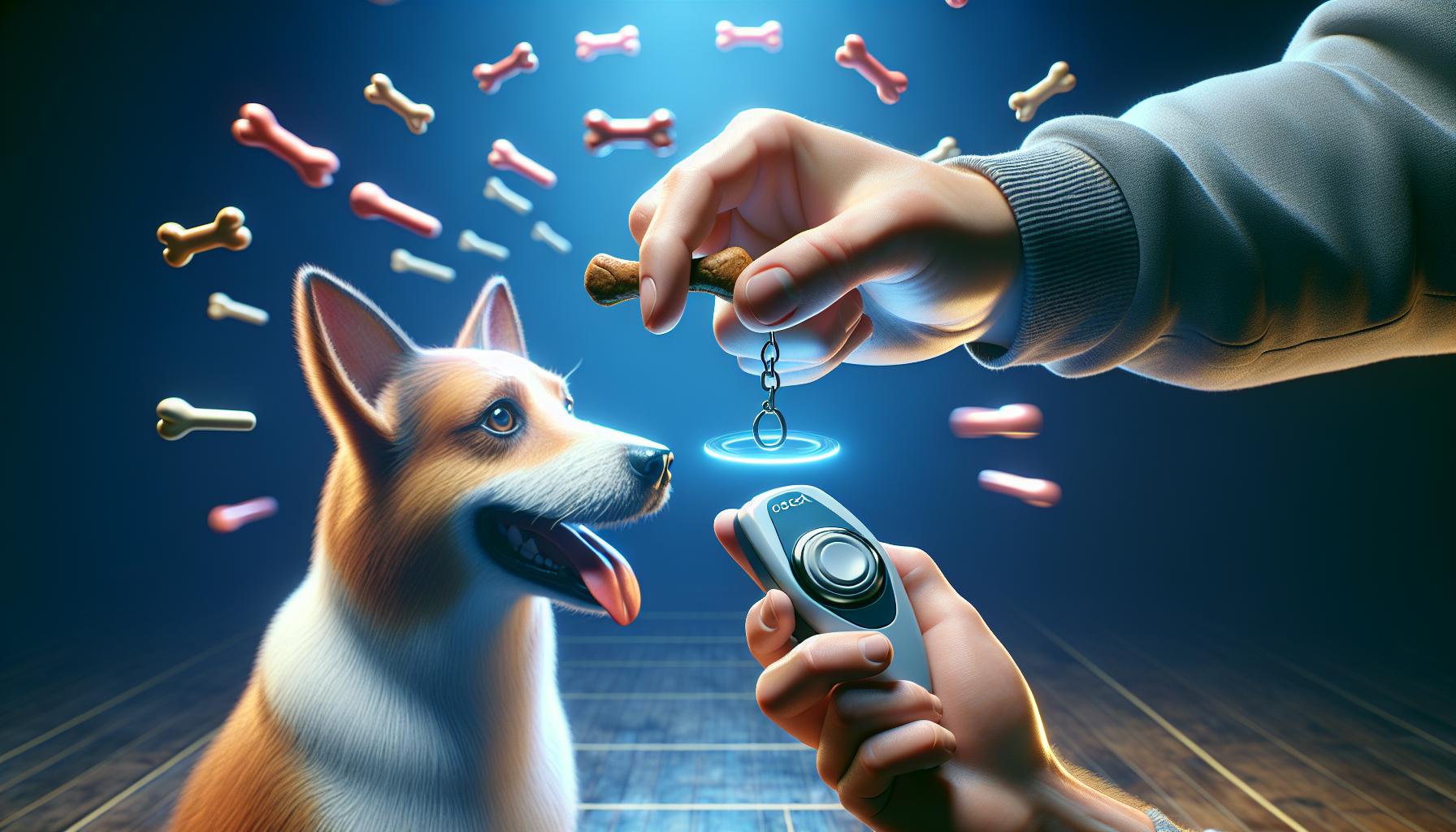
In the realm of dog training, the technique used can significantly influence the effectiveness of training outcomes. Clicker training, a widely recognized approach, employs a small device that produces a distinct sound whenever the dog exhibits the desired behavior. This immediate feedback creates a strong association between the action and the reward. It’s essential to deliver a treat or praise immediately after the click to reinforce learning adequately.Moreover, positive reinforcement through treats is not merely about food; it entails offering something that the dog values, tailoring rewards to suit the individual dog’s preferences. Observing your dog’s reactions aids in identifying what resonates with them.Equally, integrating praise and affection as forms of reinforcement helps develop a trusting relationship between the owner and the dog. This bond is crucial for achieving long-term behavioral changes and overall obedience. Each technique can contribute uniquely to the training experience, encouraging exploration and commitment to continuous learning in both the handler and the dog.
DISCOVER MORE: Click here to learn about the impact of routine on your pet’s behavior</p
Expanding Your Positive Reinforcement Toolkit
As you delve deeper into positive reinforcement, it’s essential to enrich your training repertoire with a variety of techniques that cater to your dog’s individual personality and needs. Tailoring these methods can lead to even greater success in effectively reinforcing desired behaviors. Here are several innovative strategies that can transform your training approach:
6. Clicker Training
Clicker training is a popular technique widely recognized for its effectiveness in positive reinforcement. Utilizing a small handheld device that emits a distinct clicking sound, this method allows you to mark the exact moment a dog performs the desired behavior. The immediate sound of the click provides clarity and helps the dog understand exactly what action earned them the reward. Following the click with a treat solidifies the connection even further. Many dog trainers and owners in the United States swear by this technique for its ability to convey precise communication and accelerate learning.
7. Variable Reward Schedules
To keep training sessions engaging and prevent your dog from becoming reliant on constant rewards, consider implementing a variable reward schedule. This approach means rewarding your dog unpredictably rather than every single time they perform the desired behavior. By mixing in occasional rewards with regular reinforcement, you create a sense of anticipation that enhances motivation. Over time, this method makes behaviors more resilient and encourages dogs to repeat actions even when rewards are not immediately present.
8. The Power of Body Language
Our canine companions are experts at reading body language. Leveraging your own non-verbal cues can enhance their training experience. When giving commands, combine verbal signals with visual aids, such as hand gestures or facial expressions, to reinforce your message. For instance, while saying “stay,” you could use an open palm gesture. This method not only aids in communication but also strengthens the bond between you and your dog, creating a more effective learning environment.
9. Incorporating Real-Life Situations
Utilizing real-life scenarios in your training sessions can significantly boost your dog’s responsiveness. Instead of confining training to specific times, weave commands into daily life. For example, reinforce a “leave it” command when you encounter distractions during a walk. This situational training not only facilitates practical learning but also improves your dog’s overall behavior in various contexts, empowering them to navigate their environment confidently.
10. Building a Positive Environment
Creating a positive training environment is critical for effective reinforcement. Ensure that your training space is free from distractions that may overwhelm your dog and focus on fostering a calm, relaxed atmosphere. This can be achieved by incorporating elements such as soothing music, soft lighting, or even natural elements like greenery. Training sessions in a serene setting allows for better concentration and can help reduce anxiety, leading to improved performance.
As you explore these advanced techniques, remember that the essence of positive reinforcement is to celebrate your dog’s achievements, big and small. Tailoring your methods to suit your dog’s personality, preferences, and learning style can significantly enhance your training experience and lead to lasting behavioral change.
DISCOVER MORE: Click here to learn about how nutrition impacts your pet’s mental health
Conclusion: Embracing the Power of Positive Reinforcement
In summary, the journey of dog training is greatly enhanced by employing effective techniques of positive reinforcement. By diversifying your training strategies, such as integrating clicker training, utilizing variable reward schedules, and adapting your body language, you create a more robust learning environment for your canine companion. These techniques not only make the training sessions more enjoyable but also foster a deeper bond and mutual understanding between you and your dog.
Moreover, incorporating real-life situations in training reinforces desired behaviors in practical contexts, while creating a positive environment ensures that your dog remains receptive and engaged. Each dog is unique, and fine-tuning your approach based on their individual personality and learning style can lead to enriched experiences and lasting behavioral change.
As you explore these strategies, remember that patience and consistency are key. Celebrate every success, no matter how small, to inspire your dog and cultivate an atmosphere filled with encouragement. By embracing these advanced techniques of positive reinforcement, you unlock the potential of your dog and nurture a well-behaved, happy, and confident companion. For those seeking to enhance their training skills, the world of positive reinforcement awaits further exploration, promising rewarding outcomes for both you and your furry friend.