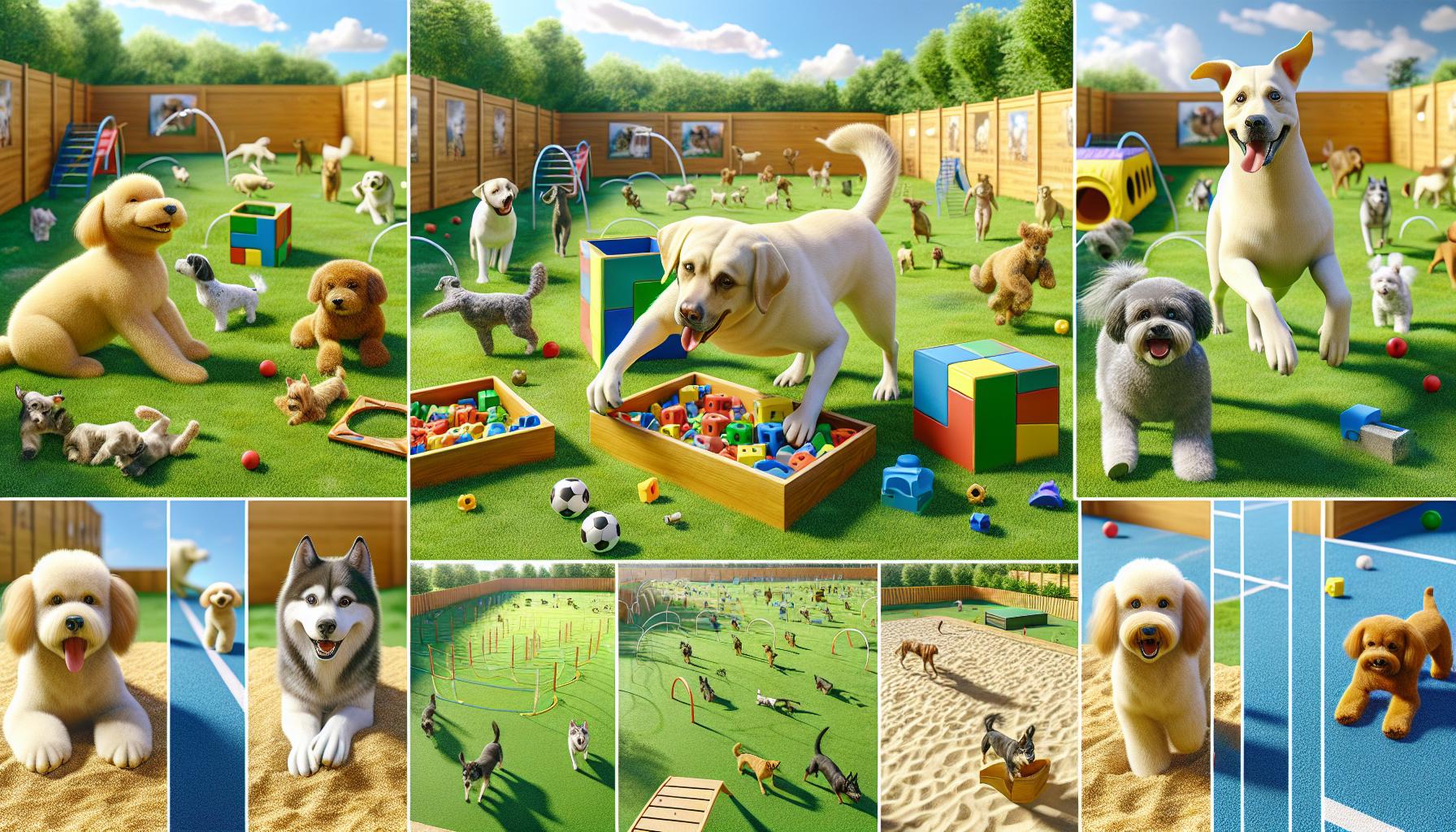
Interactive Play: How to Stimulate the Natural Behavior of Pets
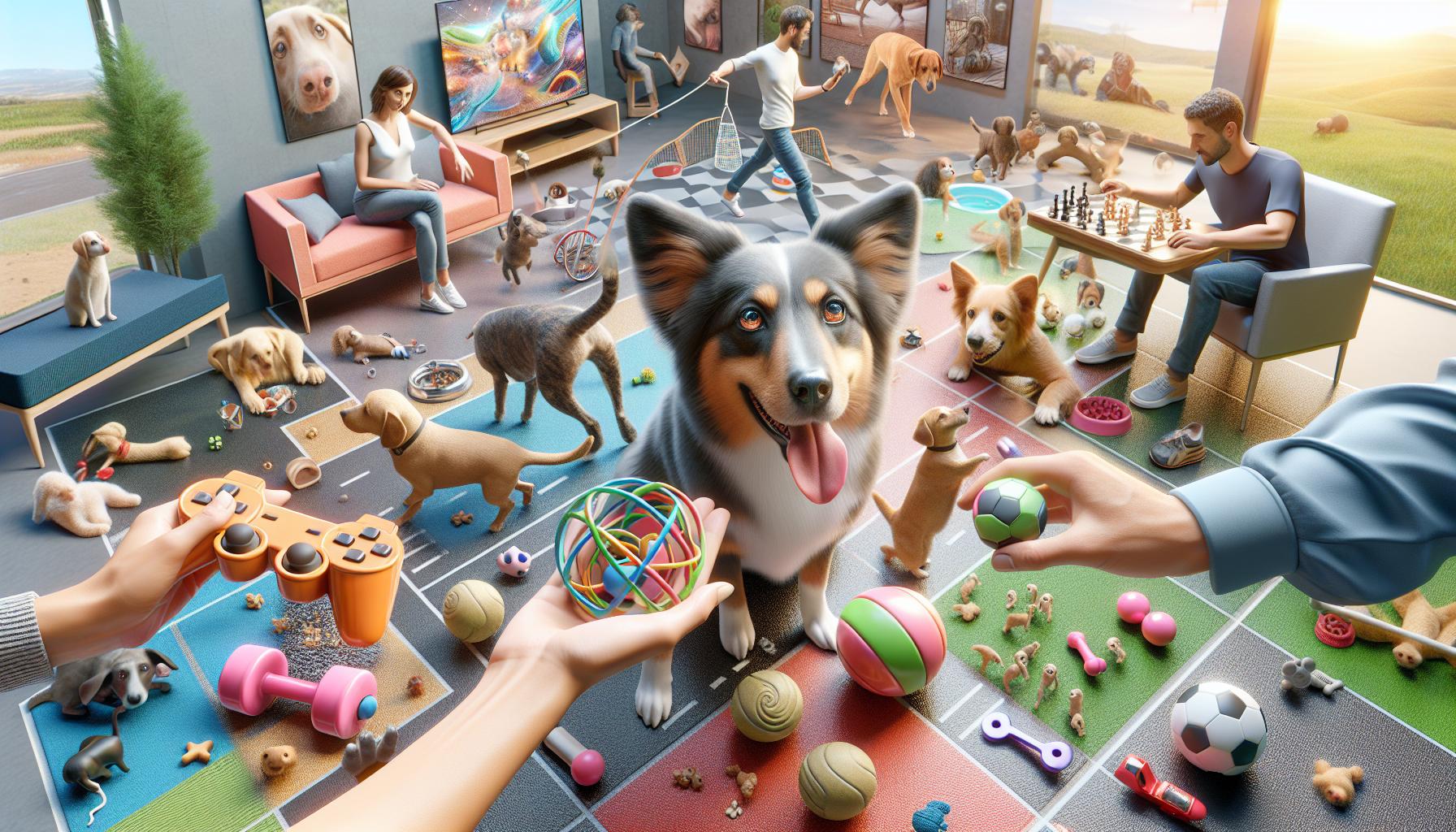
Understanding the Impact of Interactive Play on Pets
Every dedicated pet owner appreciates the importance of playtime in their furry companions’ lives. However, the concept of interactive play extends far beyond mere fun and games. It serves as a crucial avenue to stimulate your pet’s instinctual behaviors and supports their overall well-being. Engaging in thoughtfully structured activities can positively impact your pet’s mental, emotional, and physical health, making it an integral part of their daily routine.
Interactive play offers a plethora of compelling benefits that enhance the quality of life for pets. Consider the following advantages:
- Encourages physical activity – Regular play helps pets maintain a healthy weight and promotes cardiovascular fitness. For instance, daily sessions of chasing a frisbee during a visit to the park can significantly improve a dog’s muscle tone and stamina, while also providing a release for pent-up energy.
- Stimulates their minds – Engaging activities reduce boredom and can prevent destructive behaviors, such as chewing furniture or excessive barking. Puzzle toys designed for dogs or cats challenge them to think critically and problem-solve, keeping their minds sharp and engaged.
- Strengthens your relationship – Playing together fosters trust and affection between you and your pet. Activities like tug-of-war or hide-and-seek can fortify your bond and enhance communication, as your pet learns to interpret your cues and respond to your commands.
Importantly, interactive play goes beyond simple actions like tossing a ball or swinging a string for your cat. It encompasses activities that reflect and mimic your pet’s natural behaviors. For dogs, this could mean engaging in fetch, agility training, or even obedience trials, while cats might thrive on the thrill of hunting games, such as chasing laser pointers or exploring interactive feather toys.
Diving deeper into the realm of pet play reveals a variety of tools and techniques that can significantly enhance your pet’s life. Understanding the different types of toys available can help you find the ones that best suit your pet’s individual preferences. For example, a retriever may adore a durable rubber ball, whereas a cat may find joy in a crinkly mouse toy that mimics the sound of rustling prey. The journey into interactive play transforms each session into an opportunity for enrichment, learning, and bonding.
As you explore these avenues for fun and fitness, be prepared to witness a remarkable transformation in your pet. Through interactive play, you not only cultivate a dynamic and engaging atmosphere for your companion but also contribute to their overall happiness and well-being. Start experimenting today and watch as playtime becomes a gateway to a more fulfilling relationship with your beloved pets!
DISCOVER MORE: Click here to learn about essential nutrients
Exploring the Types of Interactive Play
To successfully stimulate the natural behavior of pets, it is essential to understand the various types of interactive play that align with their instinctual needs and characteristics. By tailoring activities to your pet’s specific instincts, you not only foster a fulfilling environment but also enhance their engagement and enjoyment during play sessions.
Different pets exhibit a wide range of natural behaviors. For instance, dogs are often pack animals with a strong instinct to chase and retrieve, while cats embody a more solitary predatory nature, honing their skills through stalking and pouncing. Exploring the following categories of play can help you identify engaging activities that resonate with your pet:
- Chasing and Fetching – Particularly popular among dogs, activities like playing fetch or chase tap into their instinctive desire to pursue and retrieve objects. Utilizing a variety of toys, such as balls, frisbees, or even sticks can keep the excitement alive. Consider organizing a game of fetch at a local park, where dogs can run freely and relish in the thrill of the chase.
- Hunting and Stalking – This type of play caters primarily to cats, who thrive on the thrill of the hunt. Toys that mimic movement, such as feather wands or laser pointers, can stimulate their predatory instincts, encouraging them to stalk and pounce as they would in the wild. Creating a simulated environment with hiding spots can also heighten their play experience, providing an avenue for exploration.
- Agility and Problem-Solving – Engaging in agility training or problem-solving games is another excellent way to stimulate your pet’s intelligence and physical fitness. Dog agility courses, which may include jumps, tunnels, and weave poles, challenge their coordination and train their minds. Similarly, puzzle toys designed for both dogs and cats can keep their minds engaged as they work to uncover treats hidden within.
It’s important to note that each pet is unique and may have specific preferences for the types of play they enjoy. Observing their behavior can provide invaluable insights. For example, a dog that eagerly retrieves items may revel in frisbee or stick games, while a cat that exhibits interest in fast-moving objects may prefer to chase after a laser pointer. Taking the time to experiment with various activities ensures that you discover what resonates most with your furry friend, promoting a more enriching play experience.
As you embark on your journey to explore interactive play, remember to monitor your pet’s energy levels and preferences. Adjusting the intensity and duration of play sessions can help maintain their enthusiasm and prevent burnout. By making playtime a shared adventure, you not only honor their natural instincts but also strengthen the bond that connects you both.
| Category | Benefits |
|---|---|
| Enhanced Physical Activity | Promotes a healthier lifestyle through fun and engaging play. |
| Cognitive Stimulation | Encourages problem-solving and mental engagement, reducing boredom. |
| Bonding Experience | Strengthens the emotional connection between pets and their owners. |
| Natural Behavior Promotion | Allows pets to express instinctual behaviors in a controlled environment. |
| Stress Relief | Helps reduce anxiety and stress levels in pets through interactive play. |
Interactivity through play not only makes for a delightful experience for both pets and owners but is also crucial for well-rounded pet development. Interactive games stimulate both mental and physical health, allowing pets to thrive in various environments. For example, using puzzle toys encourages pets to think critically while providing a rewarding challenge. Additionally, outdoor play with fetch or agility courses creates physical challenges that align with a pet’s natural instincts, ensuring they remain active. Transitioning to more engaging toy options can keep pets entertained, satisfy their curiosity, and fulfill their instincts to hunt, chase, and explore. By prioritizing such activities, owners lay the groundwork for happier, healthier, and more balanced pets, leading to continuous exploration of their capabilities. Thus, through active engagement, both pets and humans find joy, making the home environment vibrant and fulfilling.
LEARN MORE: Click here to discover the emotional benefits of pet adoption
Integrating Social Play with Other Pets and Humans
Beyond individual play styles, another significant aspect of interactive play is its potential for socialization. Encouraging play that involves both other pets and human companions can offer an exhilarating and enriching experience for your furry friends. This social interaction not only amplifies the enjoyment derived from play but also hones essential skills such as communication, social behavior, and confidence.
For dogs, playtime with peers can be particularly beneficial. Engaging in group activities, such as dog parks or organized playdates, provides an opportunity for dogs to practice their social skills while engaging in natural behaviors. Activities such as tug-of-war or even team fetch games can bolster their cooperation skills. Observing their interactions can also help pet parents identify any behavioral issues or conflicts, which can be addressed promptly.
Cats, although more solitary in nature, can also benefit from social play experiences. Consider adopting another cat or scheduling playdates with friends’ cats to allow your feline companions to develop their social skills. Introduce multi-level scratching posts or climbing structures, which can prompt friendly feline encounters and encourage playful interactions, mirroring their natural tendencies to climb and explore in the wild.
Interactive play with humans is equally vital. Training sessions that incorporate tricks or obedience training offer a wonderful opportunity for strengthening the human-animal bond. Dogs thrive on praise and rewards, so incorporating interactive games while teaching commands can increase their motivation to engage and learn. For instance, playing “find the treat” can not only stimulate their sense of smell but also creates an interactive experience that fosters teamwork.
The Role of Toys in Interactive Play
Choosing the right toys is critical in promoting interactive play and stimulating the natural behaviors of pets. Opting for high-quality toys that align with your pet’s preferences can enhance their interest and keep them engaged for longer durations. For dogs, consider toys that squeak or bounce unpredictably—they can stimulate curiosity and promote active play. Rubber balls, rope toys, and interactive feeders that require them to work for their food can provide physical and mental stimulation simultaneously.
For cats, toys that mimic prey such as small mice or birds can effectively engage their hunting instincts. Battery-operated toys that move erratically can simulate the movements of prey, captivating your cat’s attention. Additionally, incorporating household items like empty boxes, paper bags, or even crumpled paper can lead to spontaneous play sessions, utilizing their innate curiosity and playful nature.
Furthermore, the importance of safety cannot be overlooked. Ensure that all toys are appropriate for your pet’s size and chewing habits to prevent any hazards. Regularly inspect toys for wear and tear, discarding any that may pose a choking hazard or become unsafe during play.
Ultimately, the essence of interactive play is rooted in creating meaningful experiences. By focusing on socialization, selecting appropriate toys, and evolving play sessions to include a variety of activities, you can stimulate your pet’s natural instincts while enjoying cherished moments of connection.
DIVE DEEPER: Click here to learn more
Conclusion
In conclusion, interactive play is a fundamental aspect of nurturing our pets’ physical and emotional well-being. By engaging pets in activities that mirror their natural instincts, we foster an environment rich in socialization, exploration, and cognitive challenges. Encouraging interaction, whether through playdates with other pets or bonding sessions with humans, enables pets to develop essential behaviors while strengthening relationships with their caretakers.
Utilizing the right toys plays a pivotal role in enhancing these interactive experiences. Toys that incite curiosity and mimic hunting behaviors not only keep pets entertained but also provide the necessary stimulation to prevent boredom and destructive tendencies. It is essential for pet owners to invest in diverse, high-quality toys that align with their pets’ preferences and sizes, ensuring safety and enjoyment.
As we explore the myriad ways to engage our beloved companions, it becomes evident that the journey of interactive play serves a greater purpose. It is an opportunity to observe, learn, and adapt to our pets’ individual preferences and needs, ultimately creating an enriching atmosphere that celebrates their unique behaviors. The art of interactive play is more than just fun; it is a pathway to understanding our pets deeper and enhancing our lives together. So, embrace the joy of play and explore new avenues to stimulate the natural behaviors of your furry friends—immediate and lasting benefits await both you and your pets.