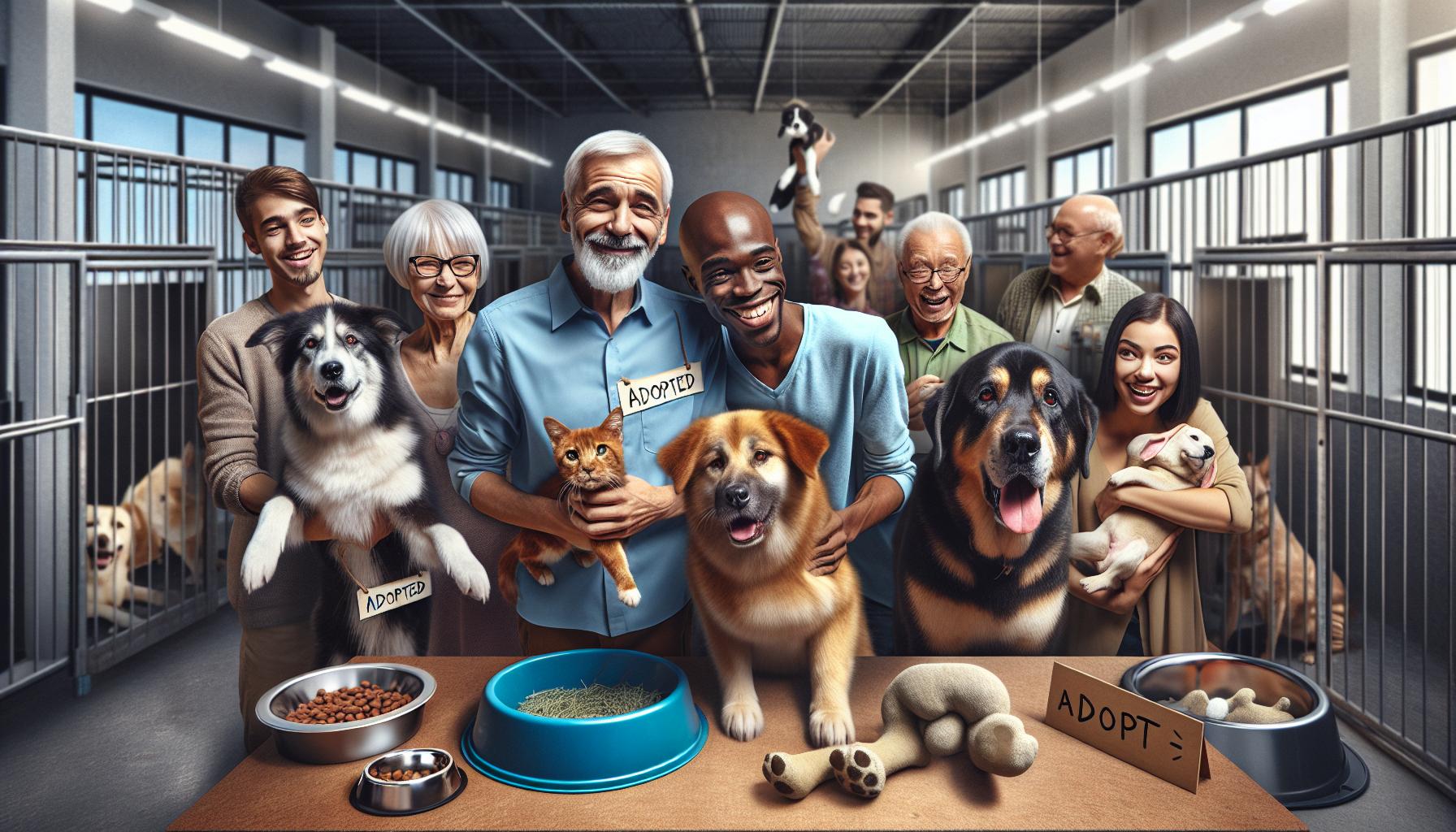
Comparing pet adoption services: shelter vs. responsible breeders
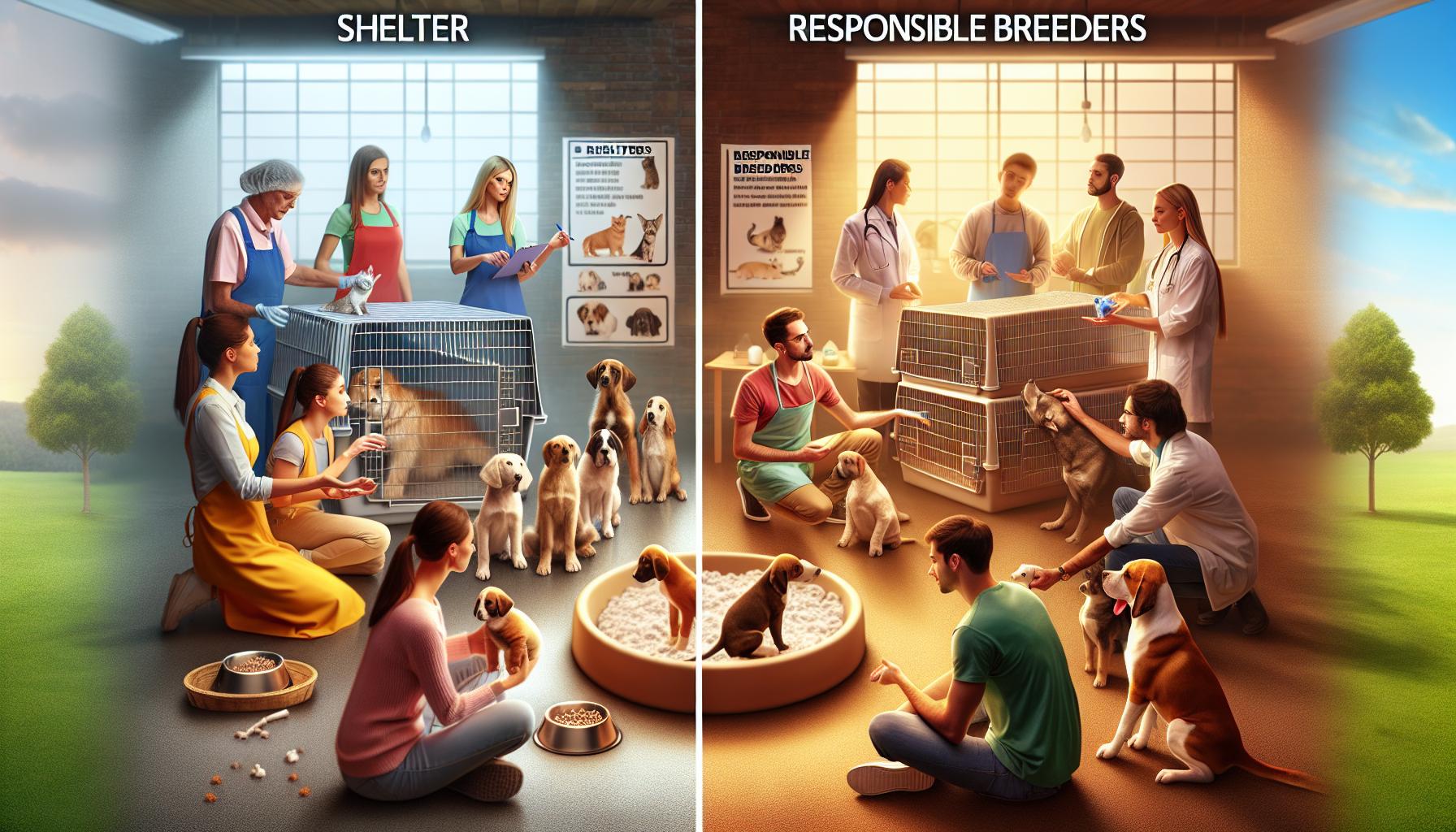
Choosing to welcome a furry friend into your home is an exhilarating decision that comes with considerable responsibility. As potential pet owners explore their options, two prominent paths emerge: shelters and responsible breeders. Each pathway presents unique experiences along with a spectrum of animal companions that can enrich your life in countless ways.
Shelters: A Lifeline for Animals
- Adoption fees: Opting for a pet from a shelter typically involves lower adoption fees compared to breeder prices. These fees often cover initial vaccinations, spaying or neutering, and even microchipping, making it an economically viable choice for many families.
- Diverse selection: Animal shelters are home to a wide array of pets, from playful puppies to gentle senior dogs and whimsical cats. Many of these animals come from varied backgrounds, including those who have been surrendered by previous families or rescued from neglectful situations, creating a rich tapestry of personalities just waiting for loving homes.
- Immediate companionship: One of the advantages of adopting from a shelter is that many animals are already trained and socialized. Shelter staff often provide insights into an animal’s behavior, helping potential adopters understand which pet might best fit their lifestyle, making for a smoother transition into a new home.
Responsible Breeders: Quality and Care
- Health and genetics: When purchasing from a responsible breeder, you often receive valuable information about the lineage of your pet. This helps ensure that you’re bringing home a healthy animal, free from many genetic conditions that may plague certain breeds, such as hip dysplasia in German Shepherds or certain heart conditions in Cavalier King Charles Spaniels.
- Breed knowledge: Responsible breeders possess extensive knowledge about their specific breed’s needs, temperament, and health conditions. This expertise allows them to provide guidance on everything from the right type of food and exercise to potential training tips, ensuring that new pet owners feel fully equipped to cater to their furry friend’s needs.
- Waiting lists: While it may feel inconvenient to be placed on a waiting list, this process is generally indicative of a breeder’s commitment to maintaining high standards in animal care and breeding practices. It reflects a thoughtful approach to ensuring that each pup is healthy and well-socialized before going to their forever home.
As you embark on this journey, consider what aligns with your lifestyle, values, and expectations. Are you looking to save a life from a shelter, or does a specific breed capture your heart? Remember, the right choice can lead to a fulfilling bond and a loving home. Engaging with local shelters and breeders alike can provide you with further insights into what to expect, ultimately guiding you towards the best decision for both you and your future companion. Whether you choose to adopt or purchase, the joy of having a pet is immeasurable and the bonds formed with them can last a lifetime.
DISCOVER MORE: Click here for personalized pet nutrition tips
Understanding the Value of Adoption and Breeding
When considering bringing a pet into your home, the options of adopting from a shelter or purchasing from a responsible breeder highlight key differences that can impact not only your life but also the lives of the animals themselves. Both avenues come with their own set of advantages, challenges, and ethical considerations that prospective pet owners should assess carefully.
The Role of Shelters in Animal Welfare
Animal shelters play a critical role in addressing pet overpopulation and providing sanctuary for animals in need. Each year, millions of dogs and cats enter shelters across the United States, many of which are euthanized simply due to lack of space. Adopting a pet from a shelter can save a life while simultaneously providing a loving companion. Here are several compelling reasons to consider adoption:
- Cost-effective: Most shelters offer adoption fees significantly lower than breeder prices, which can range anywhere from $50 to $200. These fees often cover essential veterinary services including spaying or neutering, vaccinations, and sometimes even microchipping, allowing families to welcome a new pet without a substantial upfront investment.
- Behavior Insights: Shelter staff often spend time with the animals, gaining insights into their individual personalities and behaviors. This knowledge can be invaluable in finding a pet that harmonizes with your lifestyle, whether you need a high-energy companion or a more laid-back friend.
- Second Chances: Many animals in shelters have faced hardships, from neglect to abandonment. By adopting, you not only provide a home for a deserving pet but also give them a second chance at life and a loving family—a rewarding experience for many pet owners.
Responsible Breeders: Prioritizing Quality
On the other hand, opting for a responsible breeder often guarantees a specific type of pet with a predictable temperament and physical traits associated with a certain breed. Here are some key advantages of choosing a responsible breeder:
- Health Guarantees: Reputable breeders conduct genetic testing and health screenings to mitigate hereditary conditions that certain breeds may be prone to. This commitment to breeding for health can save new pet owners from future veterinary costs and emotional distress that can arise from serious health issues.
- Expert Guidance: Cultural knowledge is particularly strong with responsible breeders. Many breeders have specialized knowledge about their specific breed, offering insights into suitable diets, exercise regimens, and grooming needs, ensuring that new pet owners feel confident in their care.
- Ongoing Support: Many responsible breeders remain committed to the animals they produce long after the purchase, often providing lifelong support to assist pet owners with training and behavioral issues, as well as ensuring the pet’s well-being in situations where the new owners might face unforeseen challenges.
Ultimately, the choice between adopting from a shelter or purchasing from a responsible breeder can lead to a fulfilling companionship that enriches your life. By understanding the responsibilities and benefits associated with each option, potential pet owners can make a well-informed decision that reflects their personal values and circumstances. Whether you choose to offer a second chance to a shelter animal or select a specific breed from an ethical breeder, the joy and companionship of a pet can create lasting bonds and immeasurable happiness in your household.
| Category | Advantages |
|---|---|
| Shelter Adoption | Provides a loving home to an animal in need, typically lower adoption fees. |
| Responsible Breeders | Focused on specific breeds with health guarantees and socialization. |
| Availability of a Variety | Shelters often have a mix of breeds, offering more options. |
| Health Testing | Responsible breeders conduct health testing to minimize inherited issues. |
In the ongoing debate of “Comparing pet adoption services: shelter vs. responsible breeders,” understanding the nuanced benefits can empower potential pet owners to make informed choices. Here, shelter adoption allows individuals to save lives, as many shelter animals face uncertain futures. Alongside this, the lower adoption fees often make it an accessible choice. Conversely, responsible breeders pride themselves on ethical practices, aiming to raise healthy, well-adjusted puppies. These breeders often provide health guarantees, ensuring that buyers are aware of the animal’s medical background and potential concerns. Ultimately, the decision hinges on what consumers value most—a heartfelt commitment to animal welfare or breed-specific traits and guarantees regarding health. Exploring both options further may lead prospective pet owners to discover enriching insights on responsible pet ownership.
DISCOVER MORE: Click here to find out how superfoods can enhance your pet’s health
Lifecycle and Long-term Considerations
When comparing pet adoption from a shelter and purchasing from a responsible breeder, one must also consider the lifecycle and long-term responsibilities associated with each choice. Understanding these aspects can help prospective pet owners appreciate the full picture of pet ownership and the implications tied to each route.
The Commitment of Lifelong Care
Regardless of where a pet is acquired, the responsibility for nurturing and caring for them does not end upon the exchange of money or paperwork. Owning a pet is a long-term commitment that often spans years and sometimes even decades. The typical lifespan of a dog ranges from 10 to 15 years, depending on breed and size, while cats can live anywhere from 12 to 20 years. Consequently, potential pet owners should carefully consider their lifestyle, living arrangements, and ability to provide stable and loving care for a prolonged period.
Shelter pets often come with unknown histories; however, shelters frequently evaluate the animals to offer some understanding of their behavioral traits. The unique gift that shelter pets provide is the potential for adoption companionship, paired with the opportunity to enrich the lives of animals that may have faced tumultuous beginnings. Recent studies indicate that over 50% of dog owners encounter behavioral problems that stem from early experiences, emphasizing the importance of ongoing training and socialization efforts for adopted pets.
Specific Needs and Training Challenges
In contrast, when procuring a pet from a responsible breeder, owners often obtain a more predictable genetic disposition, which can lead to fewer surprises regarding temperament and behavior. Breeders focus on producing dogs or cats that exhibit the desired traits for their specific breeds, leading some owners to feel more confident in their selection. Many breeds exhibit traits that are more suited for certain lifestyles; for instance, high-energy breeds such as Border Collies require ample physical and mental stimulation, while others, like the Bulldog, might be more adaptable to a relaxed environment.
However, responsible breeding does not translate to guaranteed ease of training. Puppies, regardless of source, require a significant time investment to establish obedience and social skills. Many breeders will emphasize the importance of socialization, which is crucial for any dog’s development, and recommend classes to enhance this process. Being proactive with training can alleviate potential behavioral issues later on.
Support Networks and Community Resources
Another factor to consider is the availability of community support and resources. Many animal shelters offer programs such as training courses and socialization events, aimed at fostering a supportive environment for new pet owners. Additionally, shelters often provide access to counseling services to help new owners navigate challenges that arise during their pets’ adjustment period. This sense of community can prove invaluable, especially for first-time pet owners.
In contrast, responsible breeders frequently create networks that enable pet owners to connect through breed-specific clubs or events. This can foster a sense of camaraderie, allowing new owners to bond over similar experiences and share breed-centric wisdom. Many breeders may also participate in local and national organizations, providing continual opportunities for education and enrichment.
Ultimately, the decision to adopt from a shelter or to go through a responsible breeder encompasses more than just the initial acquisition of a pet. It is essential to factor in the lifelong responsibilities, training commitments, and available support systems that each option offers. By weighing the benefits and challenges of both approaches, prospective pet owners can make informed, thoughtful choices that align with their values and desires for pet companionship.
LEARN MORE: Click here to discover the potential risks
Conclusion
When it comes to comparing pet adoption services, the choice between shelters and responsible breeders is inherently complex and deeply personal. Each route offers unique advantages and challenges that can significantly impact the pet ownership experience. While adopting from a shelter can provide a second chance for animals in need, contributing to the fight against overpopulation and neglect, purchasing from a responsible breeder often promises predictability in terms of breed-specific traits and health considerations. This highlights the diversity in motivations among pet seekers, from the desire to save a life to the aspiration for compliance with particular lifestyle needs.
Moreover, understanding the necessities of lifelong care, training, and community support is crucial in this decision-making process. Shelters provide a nurturing environment focused on rehabilitation and training support, while breeders often offer well-networked communities that enhance the experience of owning a particular breed. An informed choice recognizes that both routes have the overarching goal of fostering loving and responsible pet ownership.
In the end, prospective pet owners are encouraged to reflect on their personal circumstances, values, and capabilities. Whichever path one chooses, it is essential to be equipped with knowledge, to commit to the journey of responsible pet ownership, and to embrace the joy and companionship that a furry friend can bring. Whether it’s visiting your local shelter or engaging with a breeder, taking the time to understand each option will ultimately lead to a rewarding bond that enriches your life for many years to come.