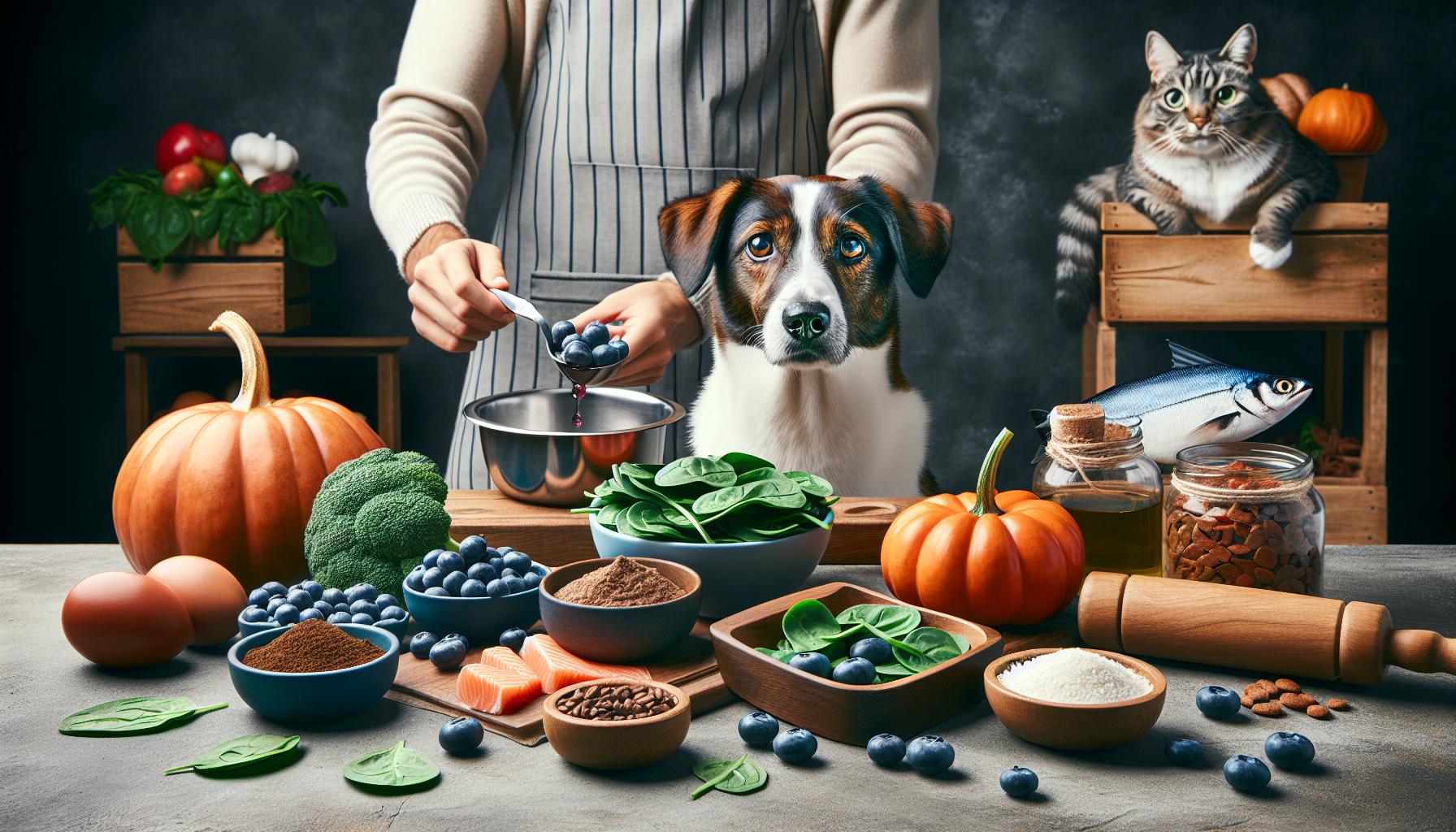
Natural Food vs. Commercial Feed: Which is the Better Option for Your Pet?
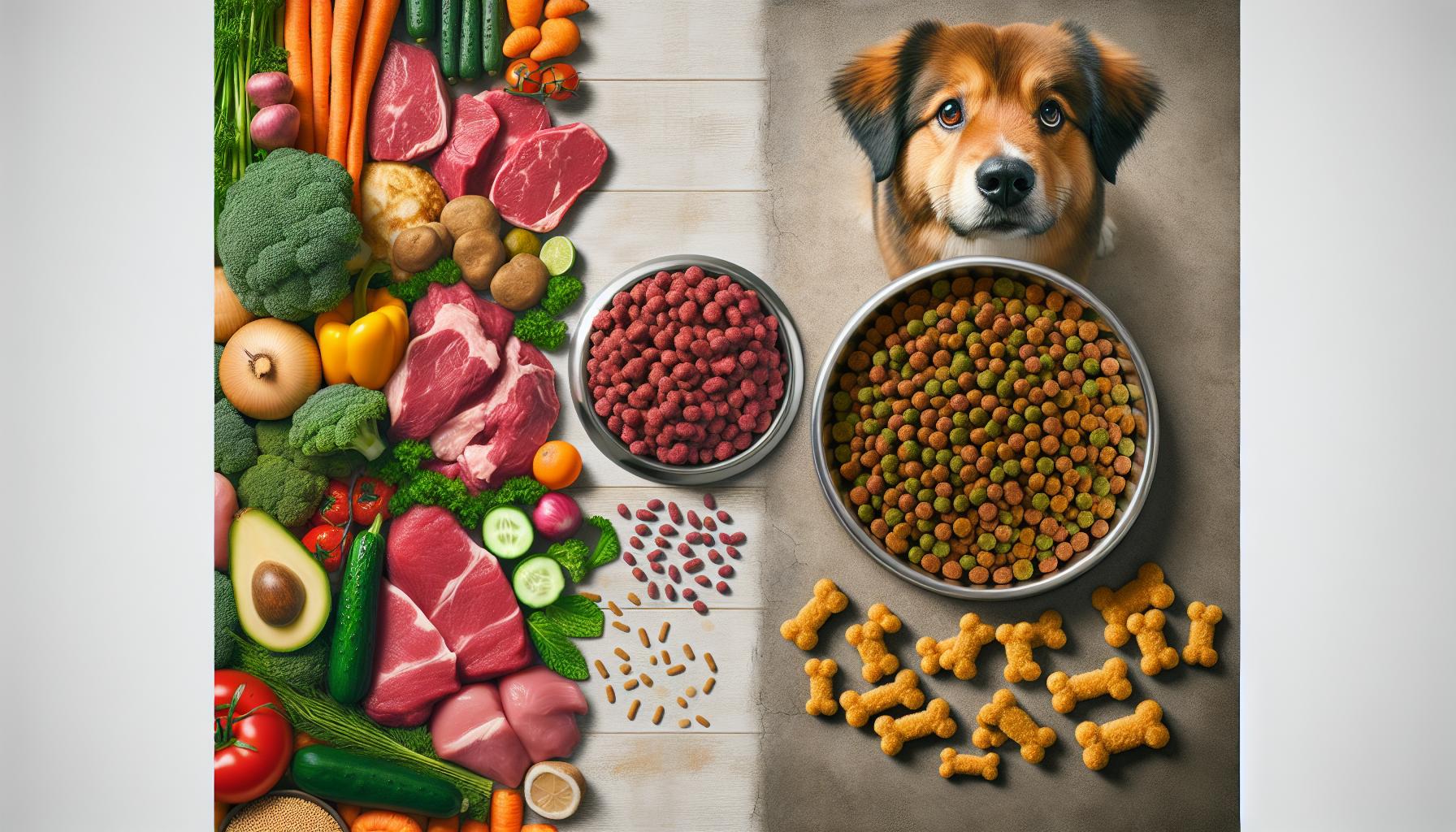
Understanding Natural Food for Pets
As pet owners, we naturally desire nothing but the best for our furry companions. One of the most significant choices we face is the type of food to provide, which directly affects their health and well-being. The debate surrounding natural food versus commercial feed is a pressing issue, often marked by conflicting opinions and a wealth of information that can lead to confusion. By examining the distinctions between these two options, pet owners can make informed choices tailored to their pets’ unique needs.
Defining Natural Food
Natural food for pets generally includes whole, unprocessed ingredients derived from natural sources. This category of pet food is characterized by its use of fresh meat, vegetables, and grains that are devoid of artificial colors, flavors, or preservatives. For instance, a meal consisting of chicken, sweet potatoes, and broccoli can provide dogs with high-quality protein and essential vitamins without the additives found in many commercial options.
Commercial Feed: A Closer Look
On the other hand, commercial feed includes mass-produced kibble or canned food that often contains preservatives and fillers. While these products are designed to meet complete dietary guidelines set by governing bodies, they may also include ingredients such as corn, soy, and artificial additives that some pet owners prefer to avoid. For example, a common ingredient in commercial dry food is “meat by-products,” which can include parts of animals that are not typically consumed by humans, potentially raising concerns about nutritional quality.
Weighing the Pros and Cons
The choice between natural and commercial diets comes with its own set of advantages and disadvantages.
- Natural Food Benefits: Many pet owners cite increased nutrient content, better digestion, and a reduced risk of allergies as key advantages. Whole foods tend to have higher bioavailability, meaning pets can access nutrients more effectively.
- Commercial Feed Benefits: These products offer significant convenience. With longer shelf lives, they can be easily stored and prepared. Moreover, many brands take care to balance essential nutrients, providing a complete diet that meets AAFCO guidelines.
The Rising Demand for Natural Options
In recent years, particularly in the United States, there has been a notable rise in the demand for natural pet food. More owners are prioritizing organic and sustainable sourcing, prompting an increase in the variety of options available on store shelves. However, it’s crucial to note that quality and safety can vary significantly across brands. Thus, thorough research is essential when choosing a natural pet food brand. Reading labels carefully, checking for certifications, and consulting with veterinarians can help guide responsible purchasing decisions.
As we continue this exploration of pet nutrition, join us to delve deeper into the merits of both types of diets and discover what may be the best option for your beloved pet. Understanding the implications of your choices can empower you to make the healthiest decision possible for your furry friend.
DISCOVER MORE: Click here to learn about the benefits of adopting pets
The Nutritional Landscape: Natural Food vs. Commercial Feed
When it comes to choosing the right diet for your pet, understanding the nutritional content of their food is paramount. Both natural food and commercial feed claim to offer balanced nutrition, but the sources and quality of ingredients differ significantly between the two. Many pet owners fail to realize that a dog’s or cat’s dietary needs are not just about calories; they encompass a varied spectrum of vitamins, minerals, amino acids, and fatty acids.
Ingredient Sourcing and Quality
One of the most compelling arguments for adopting a natural food diet for pets is the quality of ingredients utilized. Natural pet foods often highlight wholesome components—fresh vegetables, high-grade proteins, and whole grains that are free from synthetic additives. For example, brands emphasizing transparency may list sources like grass-fed beef or free-range chicken, reassuring owners about the ethical and health implications of their pet’s meals.
Conversely, commercial feed, while often more budget-friendly and accessible, may combine multiple lower-quality ingredients to achieve a palatable mix. Products containing grains and fillers, such as corn and soy, can lead to higher carbohydrate levels, which might not be ideal for every pet, particularly those predisposed to allergies or gastrointestinal issues. The inclusion of meat by-products raises questions about the actual protein content and helps inform pet owners about where their pet’s dietary proteins are sourced.
Healthier Choices for Your Pet
It’s essential for pet owners to consider both their pets’ individual health needs and the potential long-term effects of their food choices. The advantages of natural food are compelling for many. Here are some benefits that have been frequently highlighted:
- Enhanced Digestibility: Pets may experience improved digestion and nutrient absorption when consuming natural ingredients.
- Reduced Allergy Triggers: Many owners report decreased allergy symptoms in pets after switching to natural food, likely due to the absence of artificial ingredients and fillers.
- Weight Management: Natural diets often contain healthier fats and fiber, which can aid in maintaining a healthy weight for pets.
Commercial Feed: Bridging Convenience and Nutrition
Despite the many advantages associated with natural food, it is critical not to overlook the appeal of commercial feed. For busy pet owners or those unfamiliar with meal prep, commercially available options serve as a convenient choice, offering well-balanced nutrition without the labor involved in preparing fresh foods. Moreover, leading brands typically invest in research to ensure that their products meet comprehensive dietary requirements set by organizations like the Association of American Feed Control Officials (AAFCO). This means pet owners can feel more confident that their pets are receiving essential nutrients systematically, even if the ingredient quality varies.
As the conversation continues around pet nutrition, understanding these key distinctions between natural foods and commercial feeds will empower you to make informed choices for your beloved companions. Would your pet thrive better on natural offerings, or would the balanced convenience of commercial feeds make more sense for your lifestyle? The exploration of these dietary options presents a wealthy avenue for pet owners to prioritize their pets’ health in a joyful and informed manner.
Understanding Nutritional Needs
When considering the debate of Natural Food vs. Commercial Feed, it is essential to understand your pet’s nutritional needs. Pets, like humans, require a balanced diet consisting of proteins, fats, carbohydrates, vitamins, and minerals. Natural food options are often perceived as healthier due to their ability to provide whole ingredients, which can lead to an increase in energy, improved digestion, and enhanced coat health. These foods often contain fewer preservatives and artificial additives, appealing to health-conscious pet owners.On the other hand, commercial feeds are constructed with the intention of meeting established dietary guidelines for pets, which can offer convenience for pet owners. Many brands invest in research and formula developments to ensure complete nutrition in their products, often including essential additives meant to enhance health, such as omega fatty acids for coat health and probiotics for gut health. However, some commercial feeds may come with undisclosed fillers and low-quality ingredients that could compromise overall health.
Local and Seasonal Considerations
The geographical area also plays a crucial role in the suitability of Natural Food versus commercial options. Locally sourced, natural foods are often fresher and can be adjusted according to seasonal availability, reflecting the benefits of local farming practices. This can lead to meals that are richer in nutrients. Conversely, commercial feeds, available all year round, often go through extensive manufacturing processes that can diminish nutrient levels. Exploring local markets for natural ingredients could offer a significant edge in nutritional quality and overall pet health.
Cost Factors to Consider
Cost is another significant factor in the discussion. Natural food options may initially appear more expensive than commercial feeds. However, when you consider the potential health benefits and reduced vet bills resulting from a natural diet, the investment might well be worth it. Moreover, commercial pet food brands frequently run promotions or subscriptions that offer cost-effective solutions, making it essential to weigh long-term benefits against short-term costs.In this exploration of natural versus commercial options, one must critically evaluate not only the contents of what goes into your pet’s bowl but also the broader implications on their health, wellness, and the environment. The decision is not merely about what is cheaper or easier, but about what contributes to a more fulfilling life for your beloved companion.
Making an Informed Decision
Before making any enhancements to your pet’s diet, it is advisable to consult with a veterinarian to understand the specific nutritional requirements for your pet. By taking this step, you can tailor your choice between Natural Food and commercial feeds based on professional advice, ensuring your pet receives the best possible nutrition suited to their unique needs. With these considerations, you’ll be better informed to navigate the complexities of feeding your pet, carefully weighing personal values against the needs of your beloved animal companion. The choice you make can significantly impact their health and happiness. Stay tuned for more insights into achieving the best results for your pet’s nutritional needs!
| Advantages | Details |
|---|---|
| Natural Ingredients | Less processing and additives; closer to the pet’s natural diet. |
| Complete Nutrition | Many commercial feeds provide tailored nutrition for various life stages. |
| Digestive Health | Natural diets can improve gut health and prevent food allergies. |
| Convenience | Commercial feeds are easy to store, portion, and serve. |
DISCOVER MORE: Click here to learn about clicker training
The Cost Factor: Budgeting for Pet Nutrition
While the debate over natural food versus commercial feed often centers on nutrition and health benefits, one cannot ignore the financial implications associated with these choices. Pet owners need to examine not only the immediate costs but also the potential long-term investments in their pet’s health when evaluating dietary options.
Evaluating Long-Term Value
Natural pet foods generally come with a heftier price tag, especially those that tout high-quality ingredients and ethical sourcing. However, many proponents argue that the increased cost correlates with better health outcomes for pets. For instance, investing in a natural food diet may lead to fewer veterinary visits, reduced medical expenses related to chronic conditions (like obesity or allergies), and an overall improvement in the quality of life for pets. According to some studies, pets on more wholesome diets often experience fewer physiological issues, which could save pet owners time and money in the long run.
On the other hand, commercial feeds can be more accessible and budget-friendly. Many formulations are specifically designed to be affordable while still meeting the nutritional standards set forth by organizations such as AAFCO. Additionally, bulk purchase options and sales at pet supply stores may further enhance cost-savings. For families managing multiple pets or those heavily impacted by economic constraints, commercial feeds can be an easy way to provide adequate nutrition without breaking the bank.
The Impact of Processing
The processing of commercial feed also plays a significant role in cost and convenience. Mass production techniques allow for lower prices, but they often necessitate the use of preservatives and artificial ingredients to prolong shelf life. This raises questions among pet owners regarding the stability of nutrients and the potential health implications of consuming such additives over time.
In contrast, natural foods usually have a shorter shelf life but offer the advantage of fresher ingredients without the array of chemical preservatives found in some commercial brands. This difference means pet owners willing to make the investment may provide their pets with more vibrant and richer sources of nutrition, at the expense of convenience.
Personalization and Flexibility
One of the most significant advantages of opting for a natural food diet is the ability to tailor meals to meet specific health requirements or dietary restrictions that pets may have. For example, pets with food sensitivities can benefit from customized recipes that avoid trigger ingredients. While certain commercial brands are beginning to offer specialized options, the variety of recipes available through natural food allows for greater flexibility in meeting your pet’s unique needs.
Moreover, as the market for pet food continues to evolve, an increasing number of pet food startups focus on transparency and direct-to-consumer services that bring natural foods directly to your doorstep. This trend creates an exciting opportunity for pet owners to explore fresh meals without having to navigate the complexities of preparation.
Regulatory Standards and Trust
Another key component to consider is the regulatory framework surrounding both natural and commercial pet foods. Natural pet food brands may offer more transparency in sourcing and production, leading to greater consumer trust. Meanwhile, commercial feeds need to adhere to strict federal and state guidelines, which generally ensures a base level of safety and nutritional adequacy, but may lead some to question the ethics of ingredient sourcing.
Ultimately, the decision comes down to individual priorities—whether it be cost, convenience, or quality—and how these factors align with your pet’s specific health needs and your lifestyle as a caretaker. Understanding the nuances between natural food and commercial feed will empower you to make informed choices that best suit your furry friend and your family budget.
DON’T MISS: Click here to learn more about caring for senior pets
Final Thoughts on Pet Nutrition Choices
In the discussion of natural food versus commercial feed, the path to optimal pet nutrition is not one-size-fits-all. Each option presents distinct advantages and potential drawbacks that pet owners must weigh carefully. Natural foods may prioritize the quality of ingredients and the overall well-being of pets, leading to healthier, more vibrant lives and possibly reducing long-term veterinary costs. Conversely, commercial feeds often offer remarkable convenience and affordability, addressing the needs of budget-conscious families while still meeting basic nutritional standards.
Ultimately, the decision hinges on a multitude of factors — your pet’s unique health requirements, your lifestyle, and your personal values regarding food sourcing and preparation. Investigating the ingredients list, understanding the production methods, and considering your pet’s specific needs will serve you well as you navigate this important decision. Moreover, as the pet food landscape evolves with innovative startups focusing on transparency and customized options, pet owners have an exciting opportunity to explore exciting new nutritional avenues.
Whether you choose natural food or commercial feed, prioritizing a balanced and complete diet is crucial for your pet’s overall health. Ultimately, ensuring that your pet enjoys a nutritious diet may not only impact their longevity but also improve the quality of their life. Therefore, stay informed, explore, and take the time to find the best fit for your beloved companion.