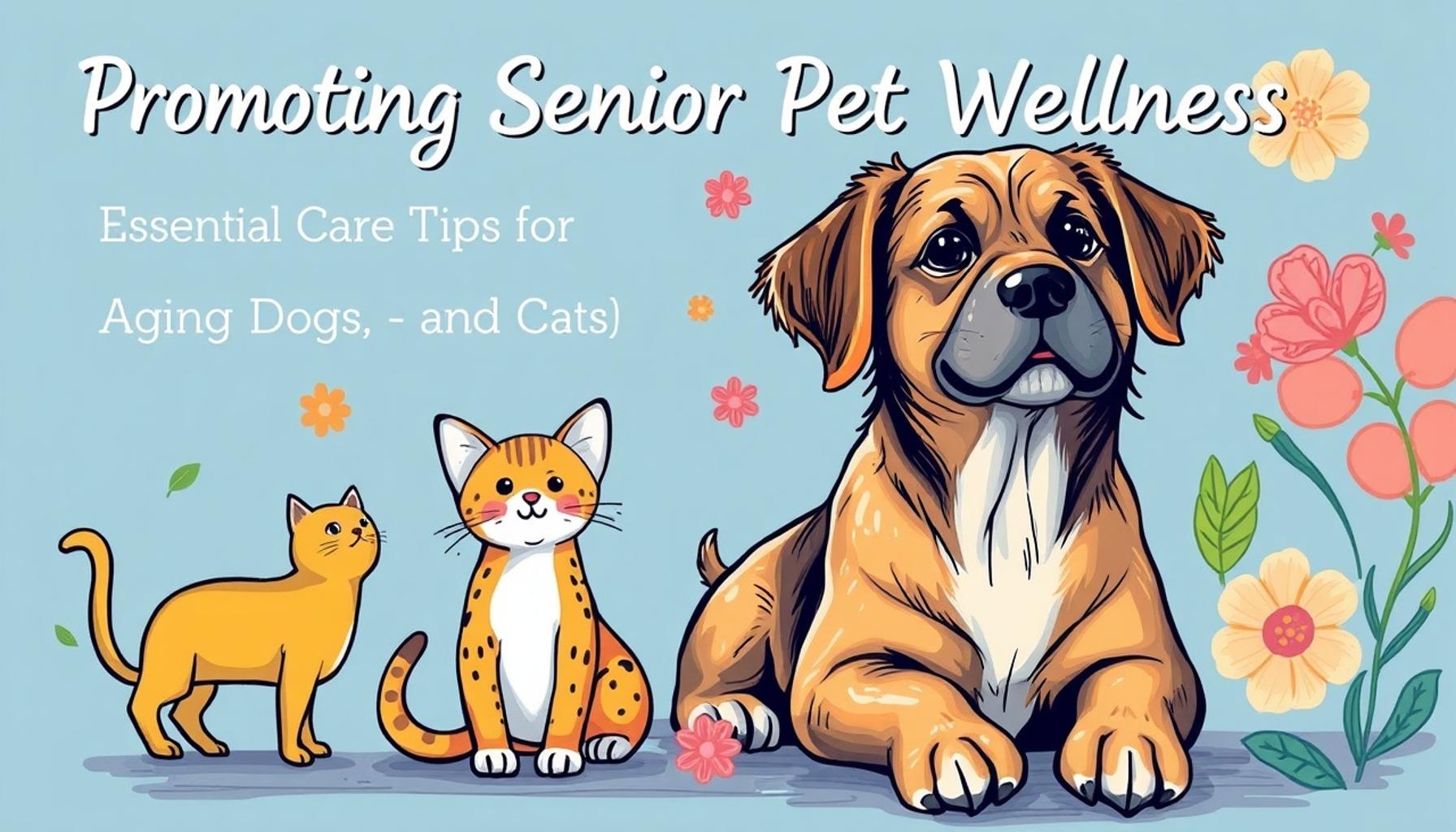
Promoting Senior Pet Wellness: Essential Care Tips for Aging Dogs and Cats
Understanding Aging in Pets
As our beloved dogs and cats grow older, they face unique health challenges that demand special attention. Senior pet wellness is crucial for ensuring a good quality of life in their golden years. With the right care and knowledge, pet owners can help their furry friends thrive.
Why Senior Pet Care Matters
Aging pets require more than just love; they need tailored care to address their shifting needs. The process of aging can significantly affect a pet’s physical and mental health, making it imperative for owners to stay informed about how to best support their companions. Consider the following:
- Increased Health Risks: Just like humans, senior pets are more prone to certain health conditions. Osteoarthritis is common, particularly as larger breeds age, leading to pain and difficulty in mobility. Additionally, pets may develop chronic diseases such as diabetes, which requires careful management including insulin therapy and dietary monitoring. Heart disease is another risk; regular vet visits can allow for early detection, helping pets live longer, healthier lives.
- Dietary Changes: Nutritional needs vary with age; many senior pets benefit from specialized diets tailored to address specific health concerns. For instance, foods rich in Omega-3 fatty acids can support joint health, while those low in calories can help manage obesity, which is frequently seen in older pets. Consulting with a veterinarian to find the right diet can markedly improve an aging pet’s quality of life.
- Regular Vet Visits: Routine check-ups become vital for early detection of health issues. The American Animal Hospital Association recommends at least biannual wellness visits for senior pets. These check-ups can include blood tests, dental examinations, and physical assessments, all of which help monitor your pet’s overall health and catch any potential problems before they become serious.
Essential Care Tips
Providing the best care for aging dogs and cats can enhance their well-being, allowing them to enjoy their twilight years. Here are some essential tips to consider:
- Consistent Exercise: Tailor their activity levels to maintain mobility and prevent obesity. Engaging in low-impact activities such as gentle walks or swimming can help keep their joints healthy without placing excessive strain on them. Regular exercise also helps to boost their mood and energy levels.
- Comfortable Living Space: Ensure a safe and cozy environment to reduce stress. Senior pets often appreciate comforts like soft bedding, ramps for easy access to favorite spots, and a quiet space to retreat when they need rest. Temperature control also becomes important; older pets may be more sensitive to extreme weather conditions.
- Mental Stimulation: Engage them with interactive toys and puzzles to keep their minds active. Activities such as scent games, treat-dispensing toys, or even training refreshers can help maintain cognitive function and prevent behavioral issues commonly associated with aging.
By focusing on these aspects, pet owners can significantly promote senior pet wellness and help their companions enjoy a happier, healthier life. Knowledge is power when it comes to caring for aging pets, and with the proper tools, each golden year can be enriched with joy and vitality.
Navigating the Unique Needs of Senior Pets
As pets age, their needs evolve, prompting a shift in how we care for them. Senior pet wellness is not merely about extending life but enhancing the quality of the time they have left. Recognizing the changes that occur in our canine and feline companions is pivotal for every pet owner concerned with their beloved pet’s health.
Understanding the Aging Process
With age comes not just wisdom but also a slew of potential health concerns for our pets. This is a time to become acutely aware of how aging impacts their everyday life. Here are several factors to monitor:
- Changes in Mobility: Mobility issues are prevalent in senior pets. Joint problems, characterized by stiffness or limping, can arise because of conditions such as arthritis. Regular, gentle exercise helps to maintain flexibility but should always be adapted to your pet’s specific abilities. For instance, swimming can be a delightful way for senior dogs to stay active without straining their joints.
- Weight Management: Weight control plays a crucial role in the overall health of aging pets. Many pets become less active as they age, resulting in weight gain, which complicates existing health issues like diabetes or heart problems. Your veterinarian can offer guidance on the appropriate type and amount of food to prevent obesity, which is a significant concern for older felines and canines.
- Behavioral Changes: Cognitive decline can also occur, manifesting as confusion, decreased interest in activities, or changes in sleeping patterns. Providing enriching activities and maintaining a familiar routine can help mitigate these challenges. Keeping the environment stable and predictable is vital; sudden changes can further stress an aging pet.
Essential Tips for Enhanced Wellness
To truly promote senior pet wellness, integrating certain key practices into your pet care routine is essential:
- Regular Physical and Mental Exercise: While physical health is paramount, keeping a pet’s mind engaged is just as crucial. Engage in activities tailored to their abilities, like short walks or interactive toys that stimulate mental agility. These practices not only enhance their physical condition but greatly contribute to emotional well-being.
- Adequate Hydration: Ensuring your senior pet remains hydrated is vital for their health. Older animals may become less efficient at regulating their thirst, leading to issues such as kidney disease or urinary tract infections. Make it easy for them to access fresh water and consider adding moisture-rich food to their diet to help maintain hydration levels.
- Regular Health Checks: In addition to your regular vet visits, keep an eye out for any new behaviors or signs of discomfort. Noticing subtle changes can lead to early intervention, which is often the key to effective treatment. Documenting any changes—whether it’s in eating habits, activity levels, or bodily functions—can provide valuable information to your veterinarian.
By understanding the distinct needs of aging pets and adapting your care strategies accordingly, you can enhance their quality of life significantly. Senior pet wellness is all about the proactive measures that lead to happier, healthier days for our loyal friends.
| Category | Key Features |
|---|---|
| Nutrition | Senior pets require specialized diets that cater to their specific health needs, focusing on lower calories and higher fiber. |
| Regular Vet Check-ups | Routine examinations are crucial for early detection of diseases that commonly affect aging pets. |
| Exercise | Tailored exercise programs help maintain mobility and prevent obesity in senior pets. Shorter, more frequent walks can prove beneficial. |
| Mental Stimulation | Engaging activities, such as puzzle toys, can enhance cognitive function and prevent cognitive decline. |
Understanding the intricacies of promoting senior pet wellness extends beyond basic care; it involves a multifaceted approach. Nutrition is key, with the demand for a balanced diet tailored to their decreasing metabolism. Regular vet check-ups ensure that aging dogs and cats are monitored for common conditions such as arthritis or dental disease, allowing for prompt interventions.Moreover, exercise should be appropriately tailored, as it plays a vital role in maintaining muscle tone and weight; shorter, frequent sessions can keep your pet active without overexertion. To combat cognitive decline, consider implementing mental stimulation games, which are proven to enhance brain health in senior pets. Each of these elements contributes significantly to improving the quality of life for our aging companions, ensuring their twilight years are filled with comfort and joy. Discovering these essential care tips can guide pet owners in taking proactive steps toward preserving the health of their beloved animals through their senior years.
Adapting Diet and Nutrition for Aging Pets
Nutrition plays a pivotal role in promoting senior pet wellness. As pets age, their dietary requirements shift significantly, necessitating tailored nutrition plans that cater to their changing health profiles.
Protein Needs
One of the primary adjustments to make involves protein intake. Aging dogs and cats often face a decline in muscle mass, making it essential to provide high-quality protein sources in their diets. Opt for lean meats, fish, and specialized senior pet foods that offer higher digestible protein levels. A study published by the Journal of Animal Science indicates that older pets benefit from diets containing at least 25% protein, which aids in muscle maintenance and supports overall energy levels.
Specific Nutritional Supplements
Incorporating nutritional supplements can further enhance the diets of senior pets. Omega-3 fatty acids, often found in fish oil, can help alleviate inflammation and improve joint health, which is particularly beneficial for pets suffering from arthritis. Additionally, glucosamine and chondroitin are popular supplements that support cartilage health, promoting mobility in aging pets.
Monitoring Dental Health
Dental health is another critical component of senior pet care. Older pets are more susceptible to dental disease, which can lead to infections affecting their overall health. Regular dental check-ups and professional teeth cleanings are essential, but at-home care should be a priority as well. Pet parents should consider dental treats, water additives, and daily brushing solutions to reduce plaque and tartar buildup.
Creating a Comfortable Living Environment
As pets age, their comfort should be a top priority. Adjusting their living environment can significantly impact their quality of life.
Comfortable Sleeping Arrangements
Investing in high-quality, orthopedic beds can make a world of difference for pets suffering from joint issues. These beds provide crucial support, reducing pressure on sore joints and enhancing their sleep quality. Additionally, ensure that their sleeping areas are warm, quiet, and free from drafts. Many vendors now offer beds specifically designed for older pets, incorporating materials that help alleviate pain and support optimal spine alignment.
Accessible Spaces
Creating an accessible environment involves minimizing barriers for senior pets. Installing ramps or providing steps can help pets navigate furniture without straining themselves. Moreover, ensuring that food and water bowls are at an accessible height makes mealtime less taxing. Placing litter boxes or piddle pads in easily navigable locations is equally important for senior cats and dogs, ensuring they can respond to their needs without undue effort.
Environmental Enrichment
Senior pets may encounter boredom as their activity levels decrease, which can lead to depression or behavioral issues. Offering various environmental enrichment activities can stimulate both their minds and bodies. Soft toys that encourage gentle play, puzzle feeders that challenge their cognitive skills, and even simple activities like hiding treats around the house can provide a fulfilling routine.
Understanding the intricate needs of senior pets—from specialized diets to a comfortable living space—allows pet owners to foster a nurturing environment that prioritizes senior pet wellness. Every small adjustment makes a significant difference, contributing to a more vibrant and enjoyable life for our aging companions. By heeding these tips, pet owners can ensure their senior dogs and cats receive the comprehensive care they require during their golden years.
Conclusion
In summary, promoting senior pet wellness requires a multifaceted approach that addresses the unique needs of aging dogs and cats. By focusing on essential elements such as proper nutrition, comfortable living conditions, and mental stimulation, pet owners can significantly enhance their beloved companions’ quality of life.
Understanding dietary adjustments, such as incorporating high-quality proteins and essential nutritional supplements, can help maintain muscle mass and support overall health in senior pets. Furthermore, prioritizing dental care is vital; regular veterinary check-ups and at-home dental hygiene practices can prevent serious health issues that stem from neglected oral health.
Creating a supportive environment that accommodates mobility challenges, like installing ramps and providing cozy, orthopedic bedding, allows pets to enjoy their daily routines with comfort. Additionally, fostering engagement through environmental enrichment helps combat the potential loneliness and inactivity that comes with aging. Initiatives such as interactive toys and gentle play can keep their spirits high and their minds active.
As we embrace the responsibility of caring for our aging furry friends, let us remember that each small adjustment can profoundly affect their wellbeing. By following these essential tips and being proactive in their care, pet owners in the United States can ensure their aging dogs and cats lead fulfilling, healthy lives well into their golden years. It’s never too late to start making these fundamental changes—after all, the love we show our senior pets is the best medicine they can receive.