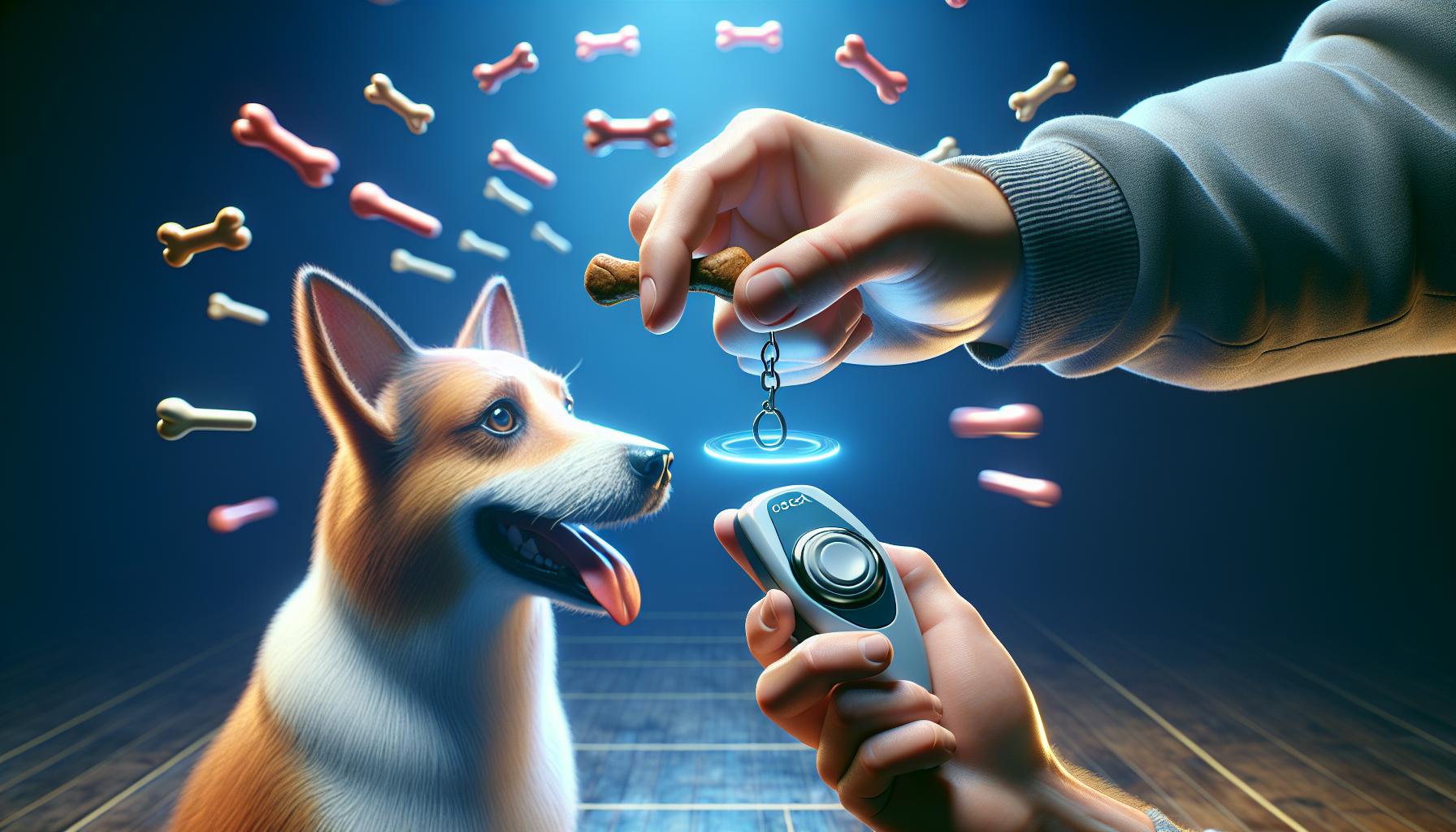
The Importance of Physical Activity in Animal Training: How to Keep Your Pet Healthy and Well-Behaved

Your Best Friend Needs a Workout Too
For pet owners, the importance of physical activity in a pet’s life cannot be overstated. Regular exercise is not just a way to keep pets physically fit; it significantly influences their health and overall behavior. A pet that engages in regular activity tends to be happier, displaying less destructive behavior and a more sociable demeanor. Understanding the positive effects of regular exercise can greatly enhance the relationship between pets and their owners.
Benefits of Physical Activity
The perks of incorporating exercise into your pet’s daily routine are extensive and multifaceted. Here are some vital advantages that can motivate you to amp up your pet’s activity level:
- Behavioral Improvement: Pets that receive adequate exercise often show reduced levels of anxiety and aggression. A game of fetch or a brisk walk can alleviate pent-up energy, drastically cutting down on issues like chewing furniture or incessant barking.
- Physical Health: Consistent physical activity helps maintain a healthy weight and can significantly reduce the risk of obesity-related illnesses such as diabetes and heart disease. Engaging in activities like hiking or swimming can also enhance your pet’s cardiovascular health and longevity.
- Mental Stimulation: Beyond just physical benefits, activities that involve problem-solving, such as agility training or hide-and-seek, offer mental challenges that sharpen cognitive skills. These exercises stimulate your pet’s brain, keeping it active and engaged.
Physical activity serves as an avenue for creating a stronger bond between you and your furry friend. The joy of exercising together not only fosters good behavior but also establishes mutual respect and love, which enhances the pet-owner relationship.
Exploring Activities for Your Pet
The range of physical activities available for pets is as varied as the pets themselves. From leisurely strolls in the park to competitive sports like flyball or dock diving, the options for engaging your pet are vast and enjoyable. Explore community events such as local dog parks or organized dog walks that allow your pet to socialize while staying active.
Interactive playtime is also a significant factor in animal exercise; consider incorporating toys that promote movement, such as frisbees or laser pointers, which can keep your pet not only physically active but mentally stimulated as well. Many pets, especially dogs, get immense joy from activities that involve their owners, reinforcing the bond and trust between you.
In conclusion, prioritizing physical activity in your pet’s routine is essential for their overall well-being. With the knowledge of the benefits and a plethora of activities to choose from, you’re well on your way to ensuring a happier, healthier life for your furry companion. Remember, a tired pet is a happy pet!
DISCOVER MORE: Click here to learn about your cat’s stress signals
Unleashing the Benefits of Regular Exercise
The significance of physical activity in your pet’s life transcends simple fitness routines; it lies at the core of maintaining a harmonious environment for both pets and their owners. Engaging in regular exercise contributes to a more balanced life for animals, mirroring the benefits humans experience from staying active. Furthermore, understanding the integral role of physical activity in animal training can unlock the pathway to a well-behaved, happy pet.
Why Fitness Matters
The correlation between physical activity and behavioral improvement cannot be ignored. Pets, particularly dogs, possess a natural instinct to be active, and without regular engagement, their energy can morph into negative behaviors. Here are several key reasons why you should prioritize your pet’s exercise regimen:
- Emotional Well-Being: Much like humans, pets require a healthy outlet for stress and pent-up energy. Regular walks, runs, or playdates can help mitigate feelings of loneliness and anxiety, fostering a more content and balanced pet.
- Socialization Skills: Exposure to varied environments and interactions with other pets can enhance your pet’s social skills. Visiting dog parks or attending pet-friendly community events provides invaluable opportunities for your pet to learn proper behavior in social settings, which lays the groundwork for better manners.
- Improved Focus and Trainability: Pets that receive ample physical exercise often demonstrate enhanced focus during training sessions. Engaging in stimulating activities prior to training can help your pet channel their energy towards learning commands or tricks, making training more effective and enjoyable.
Moreover, consistent exercise also nurtures a pet’s physical health through the prevention of obesity and associated health risks. It’s a startling fact that nearly 56% of dogs in the United States are categorized as overweight or obese, according to the Association for Pet Obesity Prevention. Regular activity can significantly lower these alarming statistics, ensuring your pet enjoys an optimal quality of life.
Choosing the Right Activities
When it comes to selecting the best physical activities for your pet, preferences and individual needs play a crucial role. While dogs relish a good game of fetch, cats may prefer engaging in interactive play that stimulates their hunting instincts. As a pet owner, exploring diverse exercise options can lead to discovering your pet’s favorites, making it easier to incorporate regular physical activity into their routine. Some popular activities include:
- Long walks or runs in the park
- Agility training setups
- Swimming, a low-impact yet enjoyable exercise for dogs
- Interactive puzzle toys that promote mental engagement
- Group classes or playdates for social skills enhancement
Ultimately, introducing a variety of activities ensures your pet stays engaged while cultivating a routine that emphasizes the importance of physical fitness. Through regular exercise, you not only improve your pet’s well-being but also strengthen the bond between you and your beloved companion.
| Advantage | Description |
|---|---|
| Enhanced Behavioral Control | Regular physical activity helps in reinforcing commands and establishing better behavioral patterns. |
| Physical Health Benefits | Exercise can lead to lower risks of obesity, diabetes, and other health issues. |
Engaging your pet in physical activity is crucial not only for their mental stimulation but also for improving their overall physical health. For instance, activities like fetch or agility training not only promote fitness but also enhance your pet’s skills in responding to commands. This increased level of activity leads to a more attentive and well-trained animal. Moreover, it is essential to foster a consistent workout routine, which contributes to long-term health benefits.Pets that regularly exercise tend to exhibit fewer behavioral problems, as physical exertion allows them to release pent-up energy in a positive way. This can greatly minimize issues like excessive barking or destructive behaviors stemming from boredom. As you embark on this endeavor, adopting varying forms of exercises makes it not only beneficial but also enjoyable for both you and your furry companion. Understanding the significance of physical activity in animal training opens up avenues to improve your pet’s quality of life and enhances the bond you share. Experience the transformation as your pet becomes more balanced and harmonious through regular engagement in physical activity. To delve deeper into effective methods and strategies, consider incorporating a structured training plan that prioritizes both physical and mental engagement for your pet.
DISCOVER MORE: Click here to learn about how age impacts your pet’s behavior</p
Integrating Exercise with Training: A Winning Combination
Incorporating physical activity into your pet’s training regimen can lead to substantial improvements in their behavior and overall disposition. Rather than viewing exercise and training as separate entities, merging these practices can create a more cohesive and effective approach to pet ownership. This is particularly vital for active animals that respond better when both their mental and physical needs are met.
Making Physical Activity a Part of Training
Linking exercise to training objectives paves the way for your pet to associate physical activity with positive experiences. By utilizing physical exercises that incorporate training commands, you build a foundation of obedience while ensuring your pet receives the necessary movement they require. For example, games such as fetch, where the pet must return the item to the owner, can effectively mash fun with training by reinforcing a “come” command. Additionally, teaching tricks like “roll over” or “spin” during play can motivate your pet to participate, eschewing traditional, monotonous training methods.
Moreover, dogs benefit from brisk walks that double as training sessions. Instead of merely strolling, introduce stops for commands like “sit” or “heel.” This promotes structure and establishes the importance of commands within the context of an active outing. For cats, engaging in *active playtime* through chasing toys or laser pointers can reinforce hunting behaviors while also providing mental stimulation.
The Role of Play in Development
Play is not just a leisure activity; it is also essential for a pet’s development. Engaging your pet in various games that mimic natural behavior can enhance their cognitive skills while satisfying their instinctual drives. For example, using toys that encourage digging or chasing can help simulate natural predatory behaviors for dogs. For practical and fun exercises, consider:
- Agility Courses: Setting up a simple course in your backyard encourages your dog to navigate through tunnels or jump over hurdles. This not only offers mental challenge but also builds physical strength.
- Hide and Seek: This popular childhood game can be adapted for pets. Hide a treat or toy and encourage your pet to find it, stimulating their senses and giving them a good workout.
- Obstacle Courses: Create an obstacle course with everyday household items, fostering both exercise and problem-solving skills.
Through such dynamic activities, pets learn essential skills while having fun. Varying your routine can prevent boredom, which is significant because a bored animal may resort to undesirable behaviors. Studies have shown that stimulating activities correlate with improved overall health for pets, as it aids in maintaining a healthy weight and reducing stress, factors that could influence negative behavior.
Monitoring Progress and Setting Goals
Establishing a structured exercise plan with measurable goals not only promotes consistency but also fosters motivation. Keep a log of your pet’s activities, noting improvements in their endurance or ability to follow commands during exercise. Create specific objectives, such as increasing the duration of walks or mastering new commands that incorporate movement. Setting realistic and achievable goals can enhance the training experience for both you and your pet, creating a situation wherein celebration of achievements becomes part of the routine.
By prioritizing non-static forms of interaction that blend training and exercise, pet owners set their companions on a path towards better health and behavioral improvements. Emphasizing the dual importance of physical activity and behavioral training holds the key to nurturing a healthy, well-rounded relationship with your furry friend, paving the way for a thriving companionship for years to come.
DISCOVER MORE: Click here to enhance your pet’s health
Conclusion: A Holistic Approach to Pet Well-Being
In summary, the importance of physical activity in animal training cannot be overstated. By integrating structured exercise into daily routines, pet owners foster not only a more obedient companion but also contribute significantly to their pet’s overall health and happiness. Merging training with physical activity transforms lessons into engaging experiences, bridging the gap between obedience and play. This approach nurtures a positive relationship, enhancing the bond between pet and owner.
Furthermore, a robust exercise regime tackles issues such as obesity and behavioral problems that are prevalent among pets in the United States. Statistics suggest that nearly 60% of dogs and over 50% of cats are overweight, which is primarily due to a lack of physical activity. Engaging pets in varied and stimulating activities—whether through agility courses, interactive play, or simply enjoying a walk—contributes to a healthier lifestyle and curtails the likelihood of developing negative behaviors rooted in boredom or inactivity.
As owners, the responsibility lies in providing an enriching environment that promotes physical and mental well-being. Setting realistic goals for exercise and training not only keeps pets engaged but also allows owners to monitor progress effectively. In conclusion, prioritizing physical activity within animal training not only ensures a well-trained pet but also secures a happier, healthier life for our furry friends. By embracing this holistic approach, pet owners can pave the way for years of vibrant companionship with their beloved animals.