The Importance of Preventive Pet Care: Vaccinations, Parasite Prevention, and Regular Check-Ups
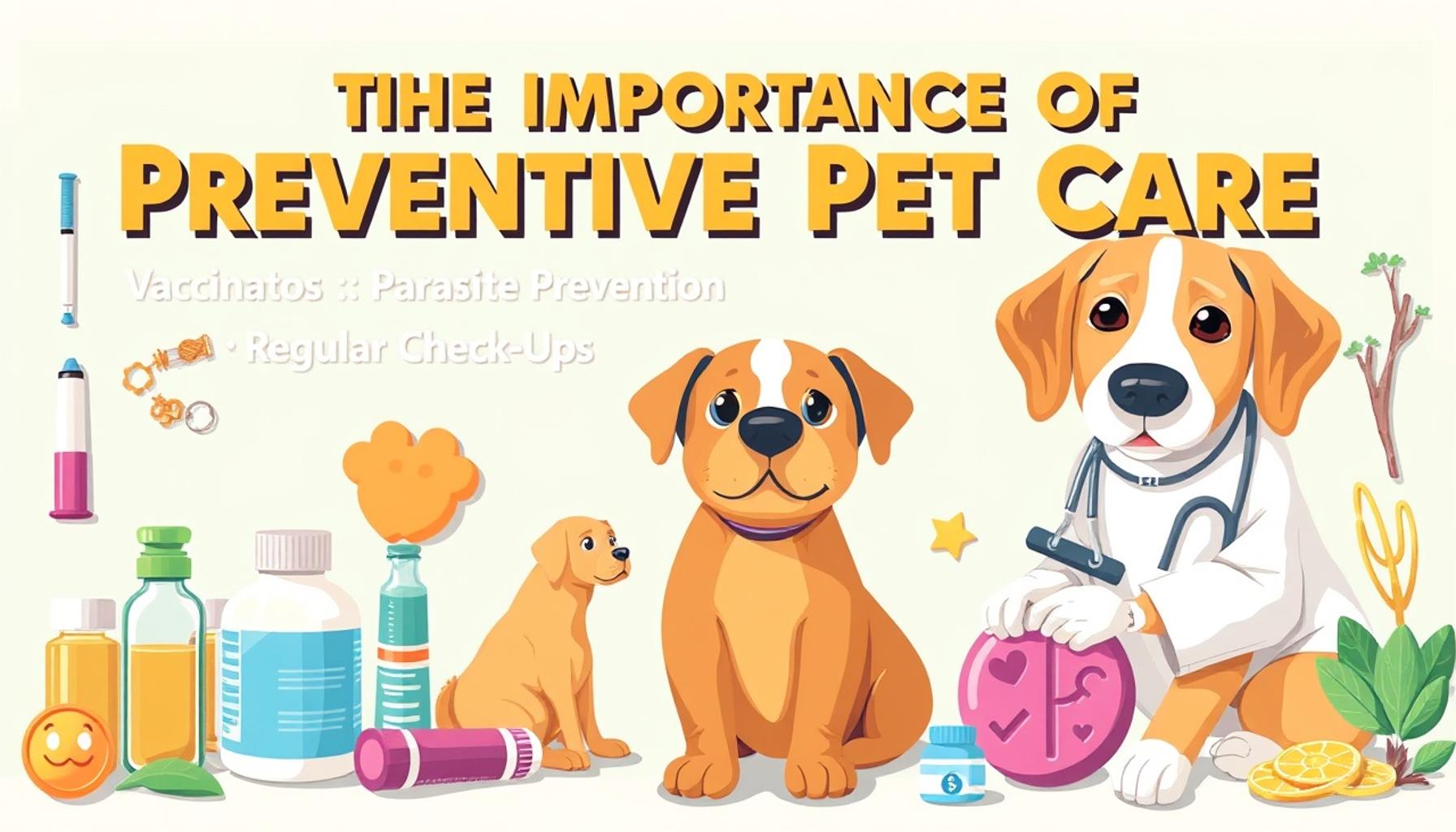
Understanding Preventive Pet Care
Every pet owner desires a long and healthy life for their furry friend. Preventive pet care is a cornerstone of achieving that goal, essentially acting as a shield to protect pets from various diseases and health issues that can arise over time. By proactively managing your pet’s health, you can significantly enhance their quality of life and longevity.
Key Components of Preventive Care
Preventive pet care is not just a trend; it is a vital aspect of responsible pet ownership. In the United States, the primary components include:
- Vaccinations: Vaccines are essential in protecting pets against deadly diseases such as rabies, distemper, and parvovirus. For instance, rabies vaccination is not only a legal requirement in many states, but it also protects public health by preventing the spread of this fatal virus. Puppies typically receive a series of vaccinations starting at six to eight weeks of age, and it is crucial to keep track of booster shots throughout their lives.
- Parasite Prevention: Fleas, ticks, and intestinal worms are common nuisances that can lead to serious health issues for pets. Regular use of preventive treatments can safeguard your pet from conditions like Lyme disease or heartworm. For example, using a veterinarian-recommended tick preventative during warmer months can decrease the risk of serious tick-borne illnesses.
- Regular Check-Ups: Just like us, pets should have routine veterinary check-ups to ensure early detection of potential health problems. These visits often include dental examinations, weight checks, and overall health assessments. Detecting issues like obesity early on can save your pet from chronic diseases related to weight gain, enhancing their overall well-being.
These practices are not merely beneficial for your pet; they also provide peace of mind for you as an owner. By establishing a consistent health regimen, you may save money on veterinary bills in the long run and build a stronger, healthier bond with your pet.
Why It Matters
Understanding the significance of these preventive measures is essential for every pet owner. The earlier you implement them, the better the chances of maintaining your pet’s health and happiness throughout their life. For instance, early vaccinations can thwart the spread of serious diseases that could otherwise diminish your pet’s lifespan.
Investing in preventive care today equates to ensuring many more years of companionship tomorrow. The trust established between you and your pet during these health management routines can lead to a more fulfilling relationship. In an era where pet ownership is rising rapidly—with approximately 70% of U.S. households owning a pet—prioritizing preventive care is more important than ever. Make informed decisions about your pet’s health, and benefit from countless years of joy and partnership.
The Essential Role of Vaccinations
Vaccinations are one of the most critical components of preventive pet care. By shielding your pet against serious diseases, vaccinations not only promote the health of pets but also serve a broader societal role in maintaining public health. For example, diseases such as rabies not only threaten your pet’s life but can also pose risks to humans. In the United States, rabies vaccinations are mandated by law in many states, highlighting the necessity of compliance.
The vaccination schedule typically begins when your puppy is around six to eight weeks old and continues with booster shots at various stages in life. Core vaccinations, which include those for canine distemper, parvovirus, and hepatitis, are essential for puppies and adult dogs alike. It’s important to consult with your veterinarian to create a tailored vaccination plan that meets your pet’s specific needs.
Additionally, feline vaccinations also share similar importance. Cats are often at risk for diseases like feline leukemia virus (FeLV) and feline immunodeficiency virus (FIV), which can significantly impact their health and longevity. Keeping your indoor cat vaccinated is just as crucial, as these illnesses can also be transmitted through encounters with other animals.
The Power of Parasite Prevention
Many pet owners may underestimate the severity of parasite infestations; however, they can lead to serious health issues if left unaddressed. Parasite prevention encompasses more than just keeping your pet comfortable; it is an essential commitment to their long-term health. Fleas, ticks, and intestinal worms can compromise your pet’s immune system, resulting in conditions like Lyme disease, heartworm, or even anemia.
Regular preventive treatments are key to combating these parasites. Monthly medications, which can be administered orally or topically, are often recommended. According to the American Heartworm Society, testing for heartworm should be conducted annually even in areas where the disease is considered uncommon. Furthermore, it’s crucial to maintain a clean living environment by frequently cleaning bedding and eliminating potential breeding sites around your home.
- Fleas and Ticks: These parasites can cause significant discomfort and transmit various diseases. Consult your veterinarian for recommendations on effective flea and tick prevention tailored to your pet’s lifestyle.
- Intestinal Worms: Regular stool checks can help identify intestinal worms early on, reducing the risk of more severe health concerns.
- Year-Round Protection: In many areas of the U.S., it’s important to maintain parasite prevention year-round, particularly for dogs that spend extended periods outdoors.
Overall, proactive measures in parasite prevention can save you from unexpected veterinary bills and, more importantly, can safeguard your pet’s quality of life. In a landscape where pets are increasingly seen as family members, taking preventive action is not just advisable but essential.
| Advantage | Description |
|---|---|
| Enhanced Longevity | Preventive care through vaccines and check-ups significantly increases pets’ life expectancy. |
| Disease Prevention | Vaccinations protect against serious diseases, while regular check-ups can catch issues early. |
Preventive pet care encompasses three critical components: vaccinations, parasite prevention, and regular check-ups. Ignoring these aspects can lead to serious health concerns that may adversely affect your pet’s quality of life and overall well-being. Vaccinations are your pet’s first line of defense against potentially deadly diseases such as rabies and parvovirus, ensuring they remain healthy and active.Parasite prevention is equally essential, protecting our furry friends from threats like fleas, ticks, and heartworms. These parasites not only cause discomfort but can also lead to severe health complications if left unchecked. Regular veterinary check-ups serve as a proactive measure, enabling early detection of health issues that may otherwise go unnoticed. By investing in preventive care, pet owners can ensure that their companions enjoy a longer, healthier life. Such proactive measures are critical for fostering a happy, fulfilling relationship with our animals, cultivating peace of mind that comes from knowing you’ve taken essential steps toward their health.
The Necessity of Regular Check-Ups
While vaccinations and parasite prevention are crucial elements of preventive pet care, regular check-ups are equally vital in ensuring your pet’s long-term health and well-being. These routine visits to your veterinarian serve not only to administer vaccinations but also to assess your pet’s overall health status, catch potential issues early, and discuss any behavioral or dietary changes.
The American Veterinary Medical Association (AVMA) recommends annual wellness examinations for most pets, with frequency increasing for older animals or those with known health problems. During these check-ups, veterinarians perform comprehensive physical examinations, which can identify subtle signs of health issues even before visible symptoms present themselves. For instance, conditions such as dental disease, obesity, or arthritis can often be managed more effectively when diagnosed early.
Early Detection Saves Lives
One of the greatest advantages of routine check-ups is the ability to detect and address health concerns before they escalate into serious problems. Diseases such as diabetes, kidney disease, and cancer can progress significantly without obvious signs, making regular check-ups an urgent necessity. According to the Veterinary Cancer Society, approximately 1 in 4 dogs and 1 in 5 cats will be diagnosed with cancer in their lifetime; thus, early diagnosis can be critical in improving outcomes.
Additionally, these appointments allow for developing tailored health plans, including dietary recommendations and exercise programs that fit your pet’s unique lifestyle. Your veterinarian can advise on common breed-specific health issues and preventive measures, making informed choices to keep your pet healthy.
Behavioral Insights and Nutrition
Routine visits also offer an opportunity to discuss behavioral changes which can be indicative of underlying health issues. Sudden aggression, increased vocalizations, or withdrawal may signify pain or discomfort that requires timely investigation. Your veterinarian can offer behavioral therapies or referrals to specialists, providing your pet with the support they need.
Nutritional consultations are often overlooked during vet visits but play a significant role in preventive care. Obesity is a growing concern in the United States, with studies indicating that over 50% of pets are considered overweight. Excess weight can lead to a slew of problems, including joint pain, diabetes, and heart disease. By discussing diet during check-ups, pet owners can glean insights on appropriate feeding regimens, portion control, and the importance of exercise.
Building a Partnership for Your Pet’s Health
Lastly, regular check-ups foster a strong veterinarian-pet-owner relationship, which can be instrumental in ensuring your pet’s health care is consistent. The more your veterinarian understands your pet’s history and specific requirements, the better equipped they will be to offer tailored advice. This relationship can create an open channel for communication, enabling you to stay updated on the latest advancements in preventive pet care.
In summary, while vaccinations and parasite prevention are fundamental to a pet’s health, regular check-ups round out a comprehensive preventive care strategy. By investing in routine veterinary visits, pet owners not only commit to their pet’s immediate health needs but also pave the way for a longer, happier life together.
Conclusion: A Commitment to Lifelong Health
In the ever-evolving landscape of pet care, understanding the importance of preventive pet care is paramount for every pet owner. The three pillars of this approach—vaccinations, parasite prevention, and regular check-ups—work in unison to create a robust framework for maintaining your pet’s health. As we have seen, vaccinations play a critical role in safeguarding against infectious diseases that can have devastating consequences, while parasite prevention protects your beloved companion from harmful infestations that can lead to serious health issues.
Moreover, incorporating routine veterinary visits into your pet care regimen is essential for early detection and intervention. Your veterinarian becomes a trusted partner in navigating your pet’s health journey, providing valuable insights into dietary needs, behavioral changes, and potential health concerns that may arise over time. This proactive stance not only enhances quality of life but can significantly prolong it, offering your furry friend a happier, healthier existence.
The challenge lies not just in understanding these components but in implementing them consistently. As pet owners, we have a responsibility to invest time and resources into preventive measures that yield profound benefits. By embracing a comprehensive preventive care strategy, we not only enrich our pets’ lives but also deepen the invaluable bond we share with them. Therefore, let us prioritize and advocate for preventive pet care to ensure our companions lead long, fulfilling lives, free from the burdens of preventable diseases.