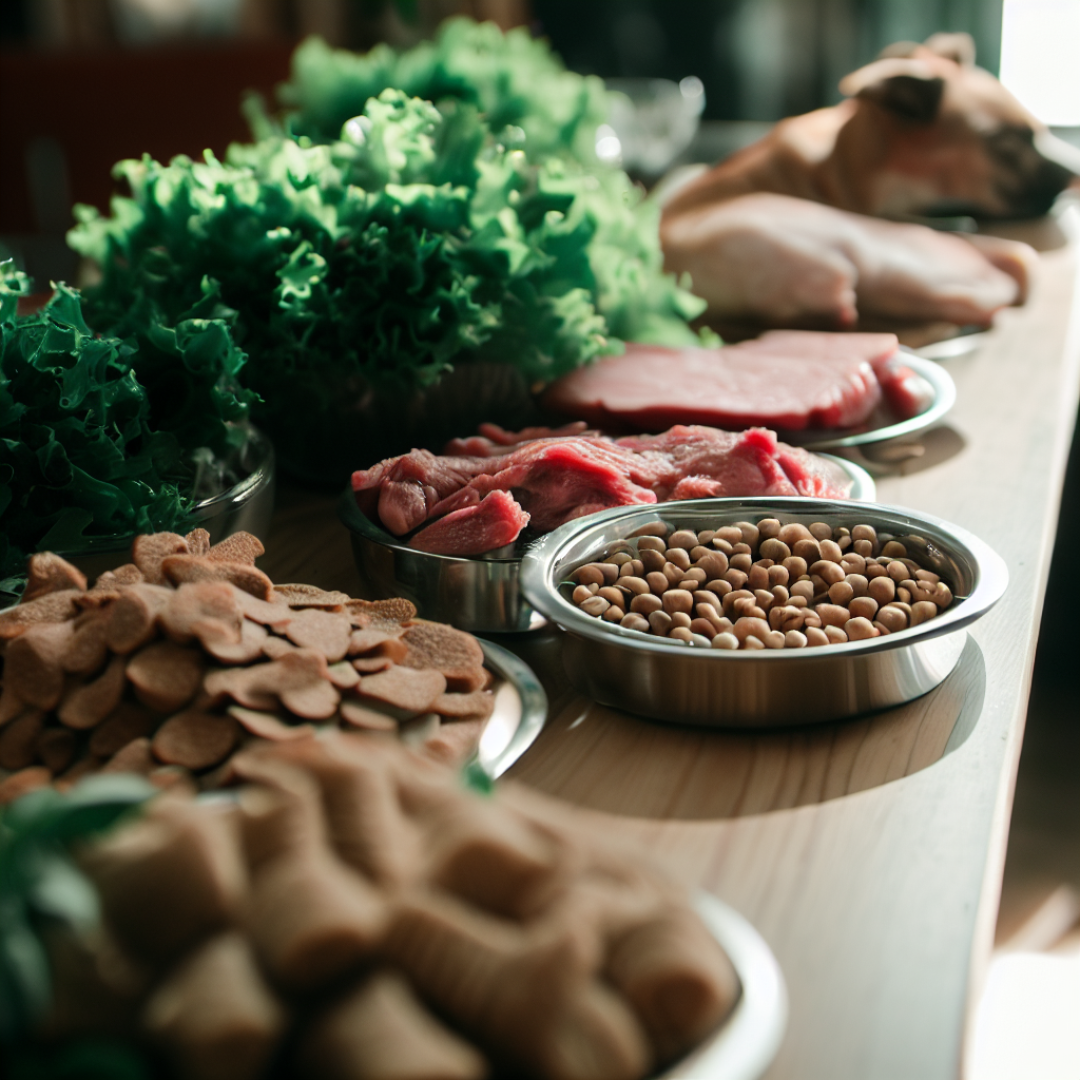
Tips for Creating Healthy Homemade Recipes for Dogs and Cats

The Growing Trend of Homemade Pet Food
In recent years, a significant shift has occurred among pet owners who are increasingly prioritizing their pets’ nutritional needs. The movement towards crafting homemade recipes for dogs and cats reflects a desire for transparency in pet food consumption. By preparing meals at home, pet owners can ensure that their furry companions benefit from high-quality ingredients while also fostering a deeper bond through the act of cooking and sharing mealtime.
Advantages of Homemade Pet Meals
One of the primary reasons why pet owners are turning to homemade meals is the control over ingredients. Many commercial pet foods contain additives and preservatives that may not be beneficial for pets. By making food at home, owners can choose organic vegetables, high-quality meats, and natural grains, removing undesirable fillers. For instance, instead of relying on commercially produced kibble that may contain artificial flavors, pet owners can create a delicious chicken and rice dish that includes fresh ingredients.
Customization is another key benefit. Pets, like humans, have unique dietary requirements based on age, weight, health issues, and activity levels. For instance, a senior dog may need a recipe that is easier on its digestive system, featuring lean proteins such as turkey and potatoes, while an active puppy could thrive on a nutrient-dense mix of beef and quinoa. This level of individual dietary tailoring is often difficult to achieve with mass-produced pet food.
Additionally, preparing pet meals at home can be cost-effective. While premium commercial pet foods can be quite expensive, the equivalent homemade meals often require similar or lower investment, especially when sourcing seasonal ingredients. For example, creating a large batch of veggie and meat stew for your dog might cost less than purchasing specialty dog food in bulk. This financial practicality makes it easier for many pet owners to meet both the nutritional and budgetary needs while ensuring quality.
Essential Considerations
However, the benefits of homemade meals come with responsibilities. It’s crucial for pet owners to have a fundamental understanding of proper nutrition. This includes striking a balance among proteins, fats, and carbohydrates to create a well-rounded diet. A common misconception is that meat alone suffices; pets also require a variety of fruits and vegetables for vitamins and minerals that aid digestion and overall health.
Moreover, the knowledge of pet-safe ingredients is vital. For example, certain foods like chocolate, grapes, and onions are toxic to pets. Keeping a list of pet-friendly foods can help prevent accidental poisoning, allowing for safe preparation of meals. Additionally, understanding portion control is crucial for maintaining a healthy weight, as excess calories can lead to obesity and other health complications in pets. Tailoring portions to a pet’s activity level and health condition can ensure they remain fit and energetic.
With these guidelines in place, pet owners can embark on a fulfilling journey of creating homemade meals that are not only nutritious but also engaging for both themselves and their pets. Are you ready to explore delicious recipes that can contribute to your pet’s health and happiness? Let’s delve deeper into the world of homemade pet meals!
DISCOVER MORE: Click here to learn about the importance of socialization for your pets
Tips for Creating Healthy Homemade Recipes for Dogs and Cats
Creating homemade meals for pets can be an exciting and rewarding adventure, but it’s essential to approach it with careful planning and consideration. With a plethora of information available, pet owners can benefit from knowing key tips that not only encourage creativity in the kitchen but also prioritize their pets’ health and well-being. Here are some invaluable tips to ensure your homemade recipes are both nutritious and safe.
1. Research and Balance Nutritional Needs
The cornerstone of a healthy homemade diet is understanding your pet’s specific nutritional needs. Dogs and cats have different requirements, and these can vary based on age, breed, health status, and activity level. A general guideline is to include:
- Proteins: Lean meats like chicken, turkey, and fish should form the basis of your recipe.
- Carbohydrates: Incorporate whole grains such as brown rice and quinoa, which provide energy.
- Fruits and Vegetables: Opt for pet-safe options like carrots, peas, and blueberries to add essential vitamins and minerals.
It’s advisable to consult with a veterinarian or pet nutritionist for guidance, particularly if your pet has specific health issues or dietary restrictions. A balanced diet not only supports overall health but can also prevent future medical conditions.
2. Introduce New Ingredients Gradually
When creating homemade meals, introducing new ingredients should be done gradually. Just like people, pets can have sensitivities or allergies to certain foods. Start by adding a small amount of a new ingredient to your pet’s existing food, monitoring their response for any signs of digestive upset, such as vomiting or diarrhea. If all goes well, you can begin to increase the quantity while ensuring the ingredient works harmoniously with others in the meal.
3. Stay Informed about Toxic Foods
Before whipping up a gourmet meal, it’s critical to know which ingredients are off-limits for pets. Several common foods are toxic to dogs and cats. Here’s a quick list of foods that should never be included in pet recipes:
- Chocolate: Extremely toxic due to theobromine content.
- Grapes and Raisins: Have been associated with kidney failure in dogs.
- Onions and Garlic: Can damage red blood cells and lead to anemia.
Incorporating a variety of safe foods while strictly avoiding toxic ingredients can create a nourishing and delightful dining experience for your pet while ensuring their safety.
4. Make Portion Control a Priority
One of the benefits of homemade pet meals is the ability to tailor portions to fit your pet’s specific needs. However, proper portion control is crucial to maintaining a healthy weight. Overfeeding can lead to obesity, which is a growing problem in pets across the United States. Use a measuring cup to ensure you’re providing the right amount, and consider consulting your veterinarian for recommended serving sizes based on your pet’s weight and activity level.
By integrating these tips, pet owners can embark on the rewarding journey of creating healthy homemade meals that cater to their furry friends. Ready to dive into more specific recipes? Let’s explore some exciting ideas that will make meal prep not only nutritious but enjoyable for both you and your pet!
| Category | Description |
|---|---|
| Fresh Ingredients | Utilizing whole foods such as vegetables, fruits, and meats ensures your pets get the most nutrients. |
| Customization | You can tailor recipes to address specific dietary needs and preferences of your pets. |
| Cost-Effective | Preparing meals at home can be significantly cheaper than buying commercial pet food. |
| Quality Control | You know exactly what goes into each meal, eliminating preservatives and artificial ingredients. |
To truly understand the nuances of pet nutrition, it’s vital to consider the specific needs of dogs and cats. Each animal species has its own unique digestive systems and dietary requirements that should be prioritized when crafting homemade meals. For instance, dogs are omnivores, meaning they can benefit from a mix of proteins and plant-based foods, while cats are obligate carnivores requiring a higher percentage of protein in their diets. It’s also important to research common toxic foods that should never be included in your recipes, such as onions and chocolate, to keep your furry friends safe. Engaging in homemade pet food preparation is not only a fantastic way to bond with your pets, but it also allows you to explore various culinary techniques. As you gain experience, you can experiment with flavors and textures, catering your culinary adventures to your pets’ tastes and health needs.
DISCOVER MORE: Click here to learn how to enhance your pet’s playtime
5. Utilize Variety to Keep Meals Exciting
Just like humans, pets can become bored with their food if it remains the same day in and day out. Introducing variety into your pet’s diet can enhance their interest and improve their nutrition. By rotating between different protein sources, vegetables, and carbohydrate options, you can ensure that your pet receives a broader spectrum of nutrients.
For instance, while chicken might be a staple in one recipe, try switching it up with lean beef, turkey, or fish in another. You can also experiment with different vegetables—switching from broccoli to sweet potatoes or zucchini can make meals more enticing. Furthermore, adding herbs like parsley or basil not only adds flavor but can also boost the nutritional value of meals.
6. Consider Supplements Wisely
While a balanced meal plan can provide ample nutrients, it may still be beneficial to incorporate supplements. Essential fatty acids, like those found in fish oil, can promote healthy skin and coat, while probiotics can aid in digestion. However, before introducing any supplements, it’s crucial to consult your veterinarian to determine what types and dosages are appropriate for your pet. Over-supplementation can lead to health issues, so it’s always better to err on the side of caution.
7. Batch Cook for Convenience
One of the challenges pet owners face is the time commitment involved in preparing meals. A practical solution is to batch cook. Preparing larger quantities of food allows you to have ready-made meals on hand, simplifying mealtime and ensuring your pet eats well even on your busiest days. You can store these meals in individual portions in the freezer, allowing for easy thawing and serving as needed.
When batch cooking, ensure that you appropriately label and date each portion. This practice will help prevent spoilage and keep track of your pet’s meals. Moreover, consider freezing meals in ice cube trays to create smaller, portion-sized servings that are easy to thaw quickly.
8. Experiment with Cooking Techniques
Cooking for pets doesn’t simply mean boiling or baking. Utilizing different cooking methods can enhance flavor and texture, making meals more enjoyable for your pets. Consider techniques such as grilling, which can infuse meats with smoky flavor, or slow-cooking, which can tenderize proteins and blend flavors beautifully.
Moreover, incorporating safe cooking oils like coconut oil or olive oil in moderation can provide additional health benefits, including improved heart health and skin condition. Be sure to avoid cooking methods that involve excessive fats or strong seasonings, as these can be harmful to pets.
9. Document Your Recipes
Embarking on the journey of cooking for your pets can lead to countless flavors and iterations. Documenting your recipes can help you remember which combinations your pet enjoys the most. Consider creating a pet recipe journal where you can note ingredients, preparation methods, and your pet’s reactions.
Moreover, noting any adjustments you make or new ingredients introduced will aid in further refining your recipes for optimal health and taste. This method also serves as a reference if your pet discovers a particular favorite meal that you want to repeat!
Implementing these additional tips not only enhances your skills in creating healthy homemade recipes for dogs and cats but also fosters a deeper bond with your furry companions. With every meal you prepare, you are investing in their health and happiness, placing you on a rewarding path as a dedicated pet owner.
LEARN MORE: Click here to uncover the benefits for your pets
Conclusion
Creating healthy homemade recipes for dogs and cats is not just a trend; it’s a commitment to providing our furry companions with the best possible nutrition. By incorporating fresh ingredients, varying their meals, and utilizing different cooking techniques, you can ensure that mealtime is both exciting and nourishing for your pets. Furthermore, being mindful of appropriate supplementation can enhance their overall health, supporting their coat and digestive wellbeing.
Batch cooking offers a practical approach for busy pet owners, making it easier to serve wholesome meals without the daily stress of preparation. Remember, documenting your recipes enables continuous improvement and personalization, allowing you to cater to your pet’s unique tastes and dietary needs. Monitoring their preferences leads to creative and delightful meals—making cooking an enjoyable experience.
As you embark on this culinary adventure, always consider your pet’s individual dietary requirements and consult with a veterinarian when necessary. This ensures that your homemade meals meet their nutritional needs without any risks. Embracing homemade pet food can not only improve their health but can also help forge a stronger bond between you and your beloved animals.
In conclusion, prioritizing your pet’s nutrition through homemade meals is a fulfilling journey filled with creativity and care. By sticking to the tips offered in this guide, you’re set to transform mealtime into a delightful occasion while actively supporting your pets’ well-being.