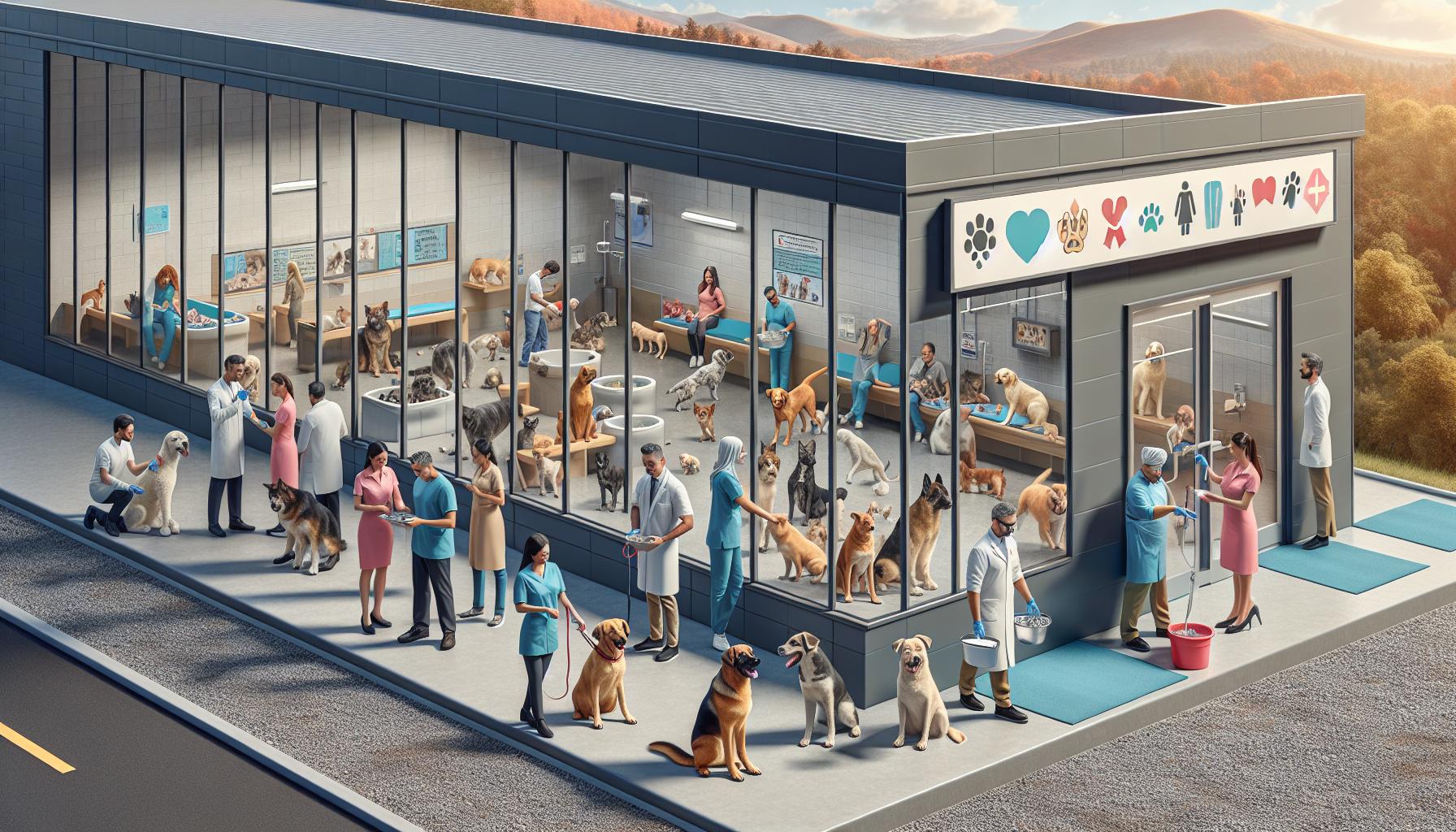
The Role of Community Outreach in Increasing Pet Adoption Awareness

Understanding Community Outreach and Pet Adoption
Every year, millions of pets in the United States are in need of loving homes. Community outreach plays a critical role in bridging the gap between these pets and potential adopters. Through effective initiatives, organizations can significantly boost awareness and drive engagement within the community.
Why Community Outreach Matters
Community outreach not only raises awareness but also fosters a sense of responsibility towards pet adoption. The benefits of these outreach initiatives are manifold and crucial for creating a compassionate society. For instance, education is a powerful tool; it provides information about the importance of adopting over buying. Statistics show that around 6.3 million animals enter U.S. shelters every year, and educating potential pet owners about adoption can significantly reduce that number.
Another important aspect is engagement, which encourages local participation through events and activities. Community events, such as adoption fairs or “meet and greet” sessions with shelter animals, can draw in people who might not have considered adoption otherwise. For example, hosting a “Bark in the Park” event can create a fun atmosphere that builds community while showcasing adoptable pets.
Furthermore, outreach improves accessibility, making adoption services more reachable to diverse populations. Many shelters are developing mobile adoption units that visit various neighborhoods, ensuring that more people can connect with animals in need. For instance, organizations like the ASPCA have implemented outreach programs that specifically target underserved communities, helping to break down barriers to pet ownership.
Organizations often utilize various strategies to enhance pet adoption rates. These include:
- Social Media Campaigns: Leveraging platforms like Instagram and Facebook to share compelling stories of rescue pets can create emotional connections and inspire action. Adopting a hashtag, such as #AdoptDontShop, encourages users to spread the message further.
- Partnerships: Collaborating with local businesses to promote adoption events not only provides financial support but also creates a sense of community involvement. Pet-friendly establishments can host adoption days, offering discounts for adopters.
- Workshops: Hosting sessions on responsible pet ownership, training, and pet care can ease concerns for first-time adopters. Programs that address common pet behavior issues or the costs associated with pet care can prepare new owners for the responsibilities they are about to take on.
By understanding the role of outreach programs, communities can unite in the mission of pet adoption. These initiatives, through their commitment to education and accessibility, are vital in ensuring that more pets find loving forever homes. Through collective efforts, we can pave the way toward a future where every deserving pet has a family to call their own. Let’s delve deeper into how these initiatives cultivate awareness and inspire action.
Dive Deeper: Click here to discover more about pet adoption options
Engaging the Community through Pet Adoption Initiatives
Community outreach is more than just a strategy; it is a crucial pathway that connects potential pet adopters with animals in need. When organizations implement outreach initiatives, they target not only the heart but also the minds of community members, addressing misconceptions and fostering a culture of compassion. Studies show that the majority of pet owners are unaware of the urgent need for adoption, highlighting the necessity for increased awareness and education.
Building Educational Foundations
One of the primary purposes of outreach is education. Many individuals may not understand the myriad advantages of adopting a pet rather than buying one. Equipping the public with knowledge about the alarming statistics surrounding pet homelessness can shift perceptions. Each year, over 1.5 million shelter animals are euthanized in the U.S. due to overpopulation, yet many potential adopters remain unaware of the plight of these animals. Outreach programs emphasize that every adoption not only saves a life but also opens up space for another animal in need.
Informed community members are better prepared for the responsibilities that come with pet ownership. Providing resources on topics such as the benefits of spaying/neutering, potential health issues, and costs involved with pet ownership can alleviate fears and misconceptions. For example, offering informative pamphlets during events can provide practical advice while prompting conversations about the joy of adopting from shelters.
Creating a Sense of Community and Belonging
Engagement is a vital component of effective outreach. By making adoption more accessible and relatable through community events, organizations can create an inviting atmosphere that attracts diverse populations. Community-led initiatives, such as educational workshops, pet care fairs, and adoption weekends, encourage participation and pride in fostering a pet-friendly environment.
These events serve multiple purposes:
- Awareness Raising: They bring attention to the issue of pet adoption in a fun, approachable way, inviting community members to engage with adoptable pets directly.
- Building Relationships: They help establish important partnerships between local businesses, animal shelters, and community leaders, fostering a network of support for pets and their potential adopters.
- Inspiring Conversations: Such interactions create a supportive environment where individuals feel comfortable asking questions, sharing experiences, and discussing concerns about pet ownership.
Moreover, successful community outreach hinges on understanding and addressing the unique needs of various demographics. Targeted campaigns that focus on bilingual resources can reach non-English speaking communities, ensuring that vital information about adoption is accessible to everyone. Partnerships with local schools and community centers can further amplify efforts to spread the word about pet adoption and responsible pet care.
By embracing community outreach, organizations not only advocate for the pets currently residing in shelters but also work towards transforming societal attitudes regarding pet adoption. The power of community involvement in these outreach efforts can foster a more humane culture, where every pet has the hope of finding a loving home. As we continue to explore this vital role, it becomes increasingly evident that community outreach is essential for enhancing awareness and encouraging action in pet adoption.
| Advantage | Description |
|---|---|
| Stronger Community Bonds | Community outreach programs foster connections among residents, creating a united front committed to pet adoption. |
| Increased Pet Visibility | Outreach efforts, such as events and social media campaigns, effectively raise awareness about adoptable pets and their needs. |
| Education and Awareness | Informing the public about the benefits of adoption helps dispel common myths and encourages more families to consider adopting. |
| Volunteer Engagement | Community outreach provides opportunities for volunteers to assist in spreading the word, enhancing a sense of involvement. |
In contemplating the impact of community outreach on pet adoption awareness, it is essential to recognize how these programs cultivate stronger relationships within neighborhoods. By involving community members, organizations can unite in their mission to advocate for pet adoption. Moreover, initiatives that highlight adoptable pets through various channels enhance their visibility, leading to greater engagement from potential adopters.Educational workshops serve as a vital avenue to address misconceptions surrounding pet ownership and encourage responsible practices. When the public is informed about the realities of adoption, including the emotional and societal benefits of bringing a pet into their lives, they are more likely to take action.Additionally, outreach programs do not only focus on the animals but also motivate community members to become active participants in fostering a culture of support and empathy. Volunteering in such efforts provides individuals with rewarding experiences, further entrenching a communal identity geared toward bettering the lives of abandoned and homeless pets.As we consider these advantages, it becomes clear that a collaborative approach can significantly increase pet adoption rates and better support local shelters and rescues in their efforts.
DIVE DEEPER: Click here for essential obedience training tips
Harnessing Technology for Wider Reach
In today’s fast-paced digital age, community outreach can significantly benefit from leveraging technology to increase pet adoption awareness. Social media platforms, online forums, and dedicated pet adoption websites serve as powerful tools that organizations can utilize to connect with a broader audience. For example, a 2022 survey revealed that over 50% of pet adopters used social media to learn about adoption opportunities, emphasizing the importance of maintaining a strong online presence.
Effective use of multimedia content, such as videos showcasing adoptable pets and heartwarming success stories from previous adopters, can resonate with potential pet parents. By posting regular updates and engaging content on platforms like Facebook, Instagram, and TikTok, organizations can keep the conversation about pet adoption alive, dispelling myths and highlighting the joys of adoption in a relatable way.
Collaborations with Influencers and Community Leaders
Collaboration with local influencers and community leaders can also amplify outreach efforts. Individuals with a strong presence in the community can serve as advocates for pet adoption, helping spread the message to their followers. By partnering with local celebrities, social media influencers, or even well-respected community figures, organizations add credibility to their campaigns. Research indicates that influencer marketing can improve brand awareness by as much as 11 times, creating an effective strategy for driving adoption rates.
Such partnerships can take various forms, including participation in videos, hosting live Q&A sessions, or even organizing community events featuring these figures. These collaborations create a buzz around pet adoption initiatives, encouraging their networks to consider adopting a pet.
Targeting Underrepresented Groups
Mastering the art of targeting underrepresented groups is another critical aspect of community outreach. Many communities, including minority groups and low-income households, may lack access to traditional channels of information about pet adoption. By tailoring outreach campaigns to meet the unique needs of these groups, organizations can ensure that everyone has the opportunity to adopt a pet.
For instance, hosting informational workshops at community centers, libraries, or places of worship can help promote adoption while breaking down cultural barriers. Providing bilingual materials and targeted advertising can also significantly enhance engagement. As the demographics of communities evolve, so too must the strategies employed to create effective outreach.
Building a Support Network Post-Adoption
The emphasis on community outreach should extend beyond merely facilitating the adoption process; it must also encapsulate the support available to new pet owners. Organizations can establish support networks to assist adopters after they bring their pets home. This initiative can include providing resources on pet care, hosting meet-and-greets for new pet owners, and offering discounted training classes.
These post-adoption services can make a significant difference in adoption success rates. Statistics show that approximately 20% of adopted pets are returned to shelters due to behavioral issues or difficulties in adjusting. By equipping adopters with knowledge and a support system, organizations can reduce these statistics, ensuring that more animals find permanent, loving homes.
Through innovative outreach techniques that incorporate technology, collaboration, and support networks, communities can enhance their understanding of pet adoption. Such multifaceted approaches not only raise awareness but also create lasting impact, transforming attitudes and increasing successful adoption rates across diverse populations.
LEARN MORE: Click here to enhance your pet’s well-being
Conclusion
In summary, the role of community outreach in increasing pet adoption awareness cannot be overstated. Through innovative strategies that embrace technology, collaborations with local influencers, and tailored efforts to engage underrepresented groups, organizations are better positioned to transform perceptions around pet adoption. As statistics indicate that nearly 6.3 million animals enter U.S. shelters each year, the need for increased awareness and effective outreach has never been more crucial.
By utilizing multimedia content and maintaining an active and engaging online presence, organizations can reach a diverse audience and dispel common misconceptions associated with adopting pets. Additionally, working alongside prominent community figures not only strengthens credibility but also amplifies the message to a wider demographic. This creates an effective ripple effect, motivating individuals from different backgrounds to consider pet adoption.
Equally important is the focus on providing robust support systems for new pet owners after adoption. As statistics reveal that nearly 20% of adopted pets are returned, ensuring that adopters are equipped with necessary resources and networks is vital for fostering long-lasting pet-owner relationships.
Ultimately, community outreach serves as a powerful conduit for promoting pet adoption awareness and enhancing the bond between households and their furry companions. Continued efforts in this area can not only save countless lives but also enrich communities, making pet ownership a shared joy for all. The call to action is clear: engaging every corner of the community is essential to bringing more animals into loving homes, supporting a future where every pet is a cherished family member.