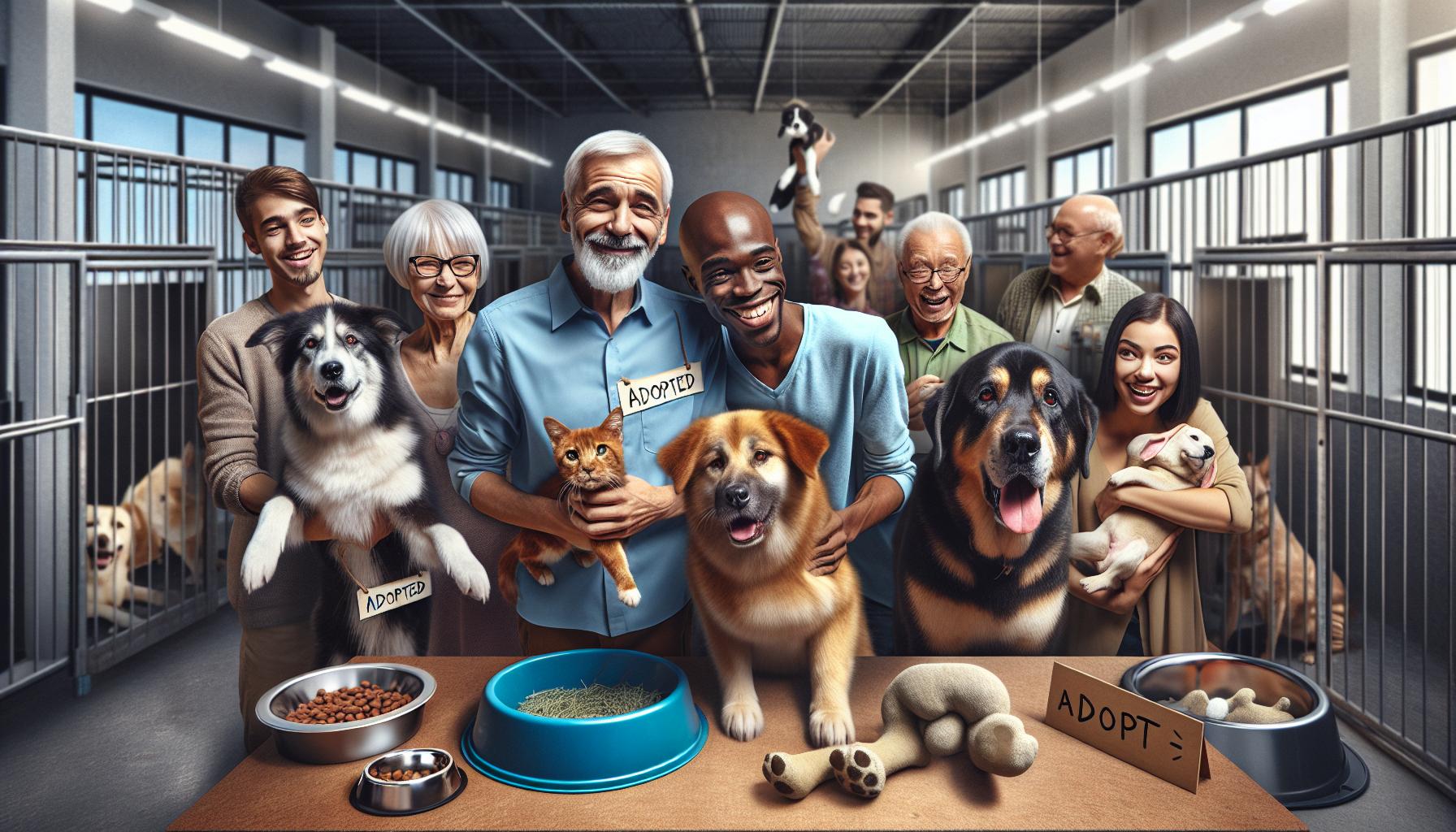
The challenges of pet adoption: what to consider before adopting

Understanding the Complexity of Pet Adoption
Adopting a pet can be an incredibly rewarding experience, but it comes with significant responsibilities and challenges. As animal shelters across the United States are filled with loving pets in need of homes, potential adopters must carefully consider various factors before making this life-changing decision.
Key Challenges to Consider
- Long-term Commitment: Pets require daily care, attention, and love for their entire lives, which can span 10-15 years or more. This commitment goes beyond just feeding and basic grooming. It involves providing companionship, training, and adapting to their changing needs over time. For example, a young puppy will have different exercise requirements compared to an elderly dog, and their owners must be prepared to adjust accordingly.
- Financial Responsibility: Adoption fees, veterinary bills, food, and supplies can add up quickly, creating a financial commitment essential for pet wellness. In the U.S., the ASPCA estimates that it costs about $1,500 to $2,000 each year to properly care for a dog, while cats may cost around $1,000 annually. These expenses often include routine veterinary care, emergency visits, grooming services, high-quality food, and various supplies such as toys, collars, and litter. Adopters should create a budget that accounts for these ongoing costs to ensure they can provide the necessary care.
- Time Availability: Pets need regular exercise, training, and socialization, making time management crucial for potential adopters. Dogs, especially larger and more active breeds, need at least 30 minutes to two hours of exercise daily. This could mean daily walks, playtime at the park, or agility training. Additionally, pets thrive on social interactions with their owners and other pets, which requires a commitment to spend quality time with them each day.
Furthermore, evaluating household dynamics is essential to fostering a successful pet adoption experience. Potential adopters should ask themselves several important questions:
- Does anyone in the household have allergies? Allergies can severely affect the quality of life both for the family and the pet. Choosing hypoallergenic breeds might be necessary in these cases.
- Are there young children who might not understand how to interact with animals? Young children may not always respect a pet’s boundaries, leading to stress or injury for both parties. Education on kindness and proper interaction with pets should be a part of the preparation.
- Can all family members agree on the type of pet to adopt? Disagreements about pet choices can lead to tension and, ultimately, a disrupted home environment. Open discussions about the responsibilities and preferences of each family member can facilitate a more harmonious household.
Each of these factors can significantly affect the success of pet adoption. By understanding the challenges of pet adoption and considering the necessary preparations, you can ensure a harmonious transition for both your new pet and your family. In conclusion, taking the time to assess your readiness and commitment to a new pet not only benefits the animal but enriches your life as well, leading to a companionship that is both fulfilling and loving.
LEARN MORE: Click here to discover how nutrition impacts your pet’s well-being
Weighing Your Options: Challenges in Pet Adoption
Before making the decision to adopt a pet, it’s crucial to fully grasp the meaningful challenges that lie ahead. The romantic notion of having a furry friend may be tempting, but pet ownership embodies a deeper commitment that requires thoughtfulness and preparation. Understanding these challenges can help foster an environment where both you and your potential pet can thrive together.
The Reality of Long-Term Commitment
Pet adoption involves recognizing that you are inviting a new family member into your home for an extended period. Long-term commitment encompasses more than just daily care; it includes being accountable for the health and well-being of your pet throughout its life cycle. Certain breeds have varying lifespans—while some dogs may live into their late teens, others may have shorter lives. This variability demands that prospective adopters prepare for the emotional and logistical aspects of pet ownership, from unexpected medical issues to the shifting lifestyles that accompany different stages of life.
Financial Obligations
The financial implications of pet ownership are another daunting yet essential consideration. According to the ASPCA, it’s estimated that the lifetime cost of owning a medium-sized dog averages around $20,000 to $30,000. This figure includes not only initial expenses such as adoption fees, spaying or neutering, vaccinations, and essential supplies, but also ongoing costs like food, regular veterinary visits, grooming, and training. As a potential adopter, crafting a comprehensive budget will help ensure that you can afford a pet without jeopardizing your financial stability.
Time and Lifestyle Considerations
Another vital factor to address is the amount of time you can dedicate to a new pet. As creatures of habit, animals thrive on routine and attention; therefore, their caretakers must prioritize their happiness and well-being. Dogs, in particular, require daily exercise, which typically ranges from 30 minutes to two hours, depending on their breed and energy level. In contrast, cats may require less intensive exercise yet still thrive on interaction and playtime. It’s essential to assess your current lifestyle to ensure you can offer the necessary commitment. Questions to consider include:
- How much time can you realistically spend with a pet each day?
- Are you often traveling or away from home?
- Do you have flexible work hours that allow for regular pet care?
Understanding that pet adoption requires a significant investment of both time and resources will not only help you make an informed decision but also contribute to long-term happiness for you and your new companion. As you navigate these challenges, keep in mind that adopting a pet should be a loving decision built upon preparedness and thoughtful consideration of your life circumstances.
When contemplating pet adoption, it’s crucial to delve into several critical aspects that could define the success of your experience. One of the most significant challenges is understanding the long-term commitment involved. Pets require time, care, and resources; they are not temporary companions but rather lifelong friends. Potential adopters must assess their readiness for this ongoing responsibility, considering their lifestyle, work commitments, and family dynamics.
Another area that demands attention is the financial aspect of pet ownership. The costs associated with pet care, including food, veterinary visits, grooming, and potential emergencies, can accumulate rapidly. Adopters should thoroughly evaluate their financial situation to ensure they can comfortably provide for a pet’s needs without compromising their own financial stability.
In addition to financial considerations, understanding the emotional readiness for welcoming a new pet into the home is crucial. Pets can bring immense joy, but they also require love, patience, and understanding, especially if they come from challenging backgrounds. Evaluating your emotional preparedness for this relationship can help in making a more informed decision. Consider whether you are capable of providing a nurturing environment that a pet desperately needs.
Furthermore, potential adopters should be aware of the pet’s behavioral needs. Different breeds and species come with specific personality traits and temperaments, which can greatly influence their suitability for various households. For example, high-energy dogs may thrive in active families while quieter, older pets might better fit in serene environments. Researching and understanding these behaviors can lead to a more harmonious adoption experience.
Finally, the adoption process itself can present unexpected hurdles, from application paperwork to home inspections. Being prepared for potential delays and frustrations can help alleviate stress during the adoption process. Knowing what to expect allows potential adopters to navigate these challenges with patience and resilience.
By thoroughly considering these aspects before adopting a pet, you create a foundation for a healthy, fulfilling relationship that can last for years to come. Each success story begins with careful thought and planning, leading to harmonious pet ownership.
| Category | Advantages |
|---|---|
| Commitment | Promotes long-term companionship and bond with the pet. |
| Financial Preparedness | Ensures the ability to cover all essential care costs. |
| Emotional Readiness | Fosters a nurturing environment for the pet. |
| Understanding Behavior | Facilitates matching the right pet to the right household. |
| Navigating Adoption Process | Prepares adopters for potential challenges during onboarding. |
DIVE DEEPER: Click here to learn about socialization techniques for your puppy
Social and Environmental Factors to Ponder
Another critical aspect of pet adoption lies in understanding the social and environmental factors that can impact both your pet and your household. These include the dynamics of your living situation, the personalities of household members, and neighborhood regulations that may restrict certain pets. Are you living in an apartment that has a weight limit for dogs, or in a community where certain breeds are banned? Such restrictions could affect the type of pet suitable for your environment and should be thoroughly investigated before proceeding with adoption.
Household Compatibility
When considering pet adoption, examining the dynamics within your household is essential. If you have young children, elderly individuals, or other pets, each of these components can influence the type of animal you may adopt. Friendly, adaptive breeds can be excellent choices if you are incorporating a pet into a bustling family setting, while more reserved or sensitive animals may thrive in quieter environments. A family meeting prior to finalizing the decision can help ensure everyone is on board and that potential adopters understands the responsibilities involved. Furthermore, it’s vital to educate children about safe interaction and respect for their new furry family member.
Training and Behavioral Considerations
Many pets may come with pre-existing behavioral issues due to their past experiences or lack of training. Understanding training requirements is a pivotal part of the adoption process. Some animals, particularly those from shelters, may require additional patience, socialization, or specialized training methods. The American Kennel Club suggests investing time in formal obedience training for dogs, which can foster better relationships and make integration into a new family more seamless. Furthermore, pet-proofing your home for curious animals can prevent mishaps and protect both your property and your pet’s safety.
The Impact of Life Changes
Another aspect to consider is the potential impact of life changes on your pet ownership. Life isn’t static; jobs can shift, relationships can change, and families can grow. If you anticipate significant lifestyle changes, such as moving to a different city, having children, or transitioning to a new job that requires more travel, these factors should be factored into your decision-making process. Irresponsibly navigating these changes can lead to the unfortunate scenario of an abandoned pet, contributing to the overpopulation crisis in shelters and harming animal welfare.
- What will the adoption process look like in the event of an unforeseen life change?
- Do you have support systems in place to help with pet care during transitions?
- Are you willing to adjust your lifestyle sustainably to accommodate your pet?
Ultimately, the journey of pet adoption is not merely an endeavor that begins with the act of bringing an animal home; it requires ongoing consideration and unwavering commitment. By fortifying your understanding of these social and environmental factors, you lay the groundwork for a successful and enriching relationship with your new companion.
LEARN MORE: Click here for expert tips on litter box training!
Conclusion
The decision to adopt a pet is both rewarding and complex, requiring potential adopters to navigate a variety of challenges and considerations. From understanding your living environment and household dynamics to recognizing the training needs of the animal you choose, each factor plays a critical role in ensuring a harmonious integration into your life. Moreover, examining your capacity to handle future life changes is essential; responsibilities can evolve, and the commitment to a pet lasts long beyond the initial excitement of adoption.
Before taking the plunge, it’s wise to conduct thorough research, consult with local shelters, and engage your family in discussions to ensure everyone is on board. By educating yourself about the long-term responsibilities and potential challenges associated with pet ownership, you can create a nurturing environment that allows both you and your new companion to thrive. Consider the importance of patience and love in overcoming any behavioral hurdles, and take proactive measures to prepare for a seamless transition.
In conclusion, pet adoption is not merely about bringing an animal into your home; it’s about fostering a lifelong companionship built on trust, understanding, and dedication. As the saying goes, “Adopting a pet is a gift not just to the animal, but to yourself.” By addressing these challenges head-on, you’ll not only provide a forever home to a deserving animal but also enrich your own life in ways you never imagined. So, take the time to reflect on these considerations, explore the possibilities, and embark on a journey that could change both your life and that of your new furry friend.