How to Prepare Your Pet for the Arrival of a Baby
Welcoming a New Family Member
The arrival of a new baby is an incredibly joyous occasion for any family, often filled with dreams, plans, and preparations. However, amidst all the excitement lies a significant task: ensuring a smooth transition for your loyal four-legged friend. The integration of a baby into your home means embracing a whirlwind of changes not only for the parents but also for pets, who may need time to adjust to their new family dynamic.
Understanding Your Pet’s Perspective
As you embark on this thrilling journey of parenthood, it’s essential to recognize that your pet may experience feelings of uncertainty or stress. Their routine and environment may become less predictable, which can lead to anxiety. Understanding this perspective is the first step toward facilitating an easier adjustment.
- Increased noise: Babies bring a symphony of sounds—from crying and cooing to playful giggles—that can be quite overwhelming for pets. While some animals may quickly adjust, others might find these sudden noises distressing.
- Change in routine: The responsibilities of caring for a newborn often lead to significant shifts in daily schedules. Walks may become irregular, feeding times may vary, and your pet may notice a lack of attention, which could foster feelings of neglect.
- New smells and items: From the distinct aroma of baby powders and lotions to the slew of items like cribs, strollers, and toys, an influx of unfamiliar scents and objects can bewilder your pet. In this rapidly changing environment, familiar items become essential for your pet’s comfort.
Taking proactive steps to prepare your pet for these changes can lead to a more harmonious household. Gradual exposure to new sounds and smells is crucial. For instance, play recordings of baby noises to desensitize your pet before the baby arrives. This approach can significantly ease them into the inevitable changes.
Key Preparatory Steps
- Introduce your pet to baby sounds gradually. You could start by using a white noise machine or a sound app that mimics a baby’s cries, allowing your pet to acclimate without the stress of an actual crying baby.
- Establish boundaries in new areas of the house. Designating “baby zones” where your pet is not allowed can help create a sense of order and safety for both the baby and your beloved animal. This preparation helps to prevent unwanted interactions during initially stressful moments.
- Ensure your pet has a safe space to retreat. Just as babies may need quiet time away from stimuli, pets deserve a designated area equipped with their favorite blanket or toys, providing them with a comforting escape when needed.
In summary, a little planning and empathy will go a long way. By taking the time to prepare your pet for the arrival of your new family member, you can foster a loving bond that will enrich the lives of both your child and your pet. With patience and understanding, you can ensure that this new chapter is a delightful experience for everyone involved.
DISCOVER MORE: Click here to learn how to engage your pets
Preparing Your Pet for the Big Change
As you navigate the exciting yet challenging journey of welcoming a newborn, it’s critical to set your furry companion up for success. Preparing your pet for the arrival of a baby is not merely about physical adjustments; it involves understanding your animal’s emotional landscape. While it is easy to focus on the needs of the new baby, pets also deserve careful consideration during this transition. A harmonious household is built on mutual respect and understanding, setting the stage for loving relationships between pets and children.
Assessing Your Pet’s Behavior
The first step in this preparation process is evaluating your pet’s behavior and temperament. Is your dog playful and energetic, or calm and reserved? Is your cat independent or highly social? Every animal has unique personality traits that will influence how they cope with the sudden influx of baby-related changes. Understanding these traits can inform your strategy for introducing them to the new family dynamic.
- Energy Levels: High-energy breeds may require additional outlets for their enthusiasm. Ensuring they have ample exercise and mental stimulation will mitigate potential stress during the baby’s arrival.
- Socialization: If your pet has had previous exposure to infants or toddlers, they may adapt more easily. Conversely, pets that are not accustomed to children may need more gradual introductions.
- Stress Responses: Watch for signs of stress or anxiety in your pet. Whining, destructive behavior, or retreating to hiding spots can indicate unease. Identify these reactions early on to implement effective coping strategies.
Being proactive about your pet’s behavioral assessment can provide insights into how to proceed with the upcoming changes. Once you have gauged their responses, you can move forward in preparing them efficiently.
Creating Familiarity with Baby Items
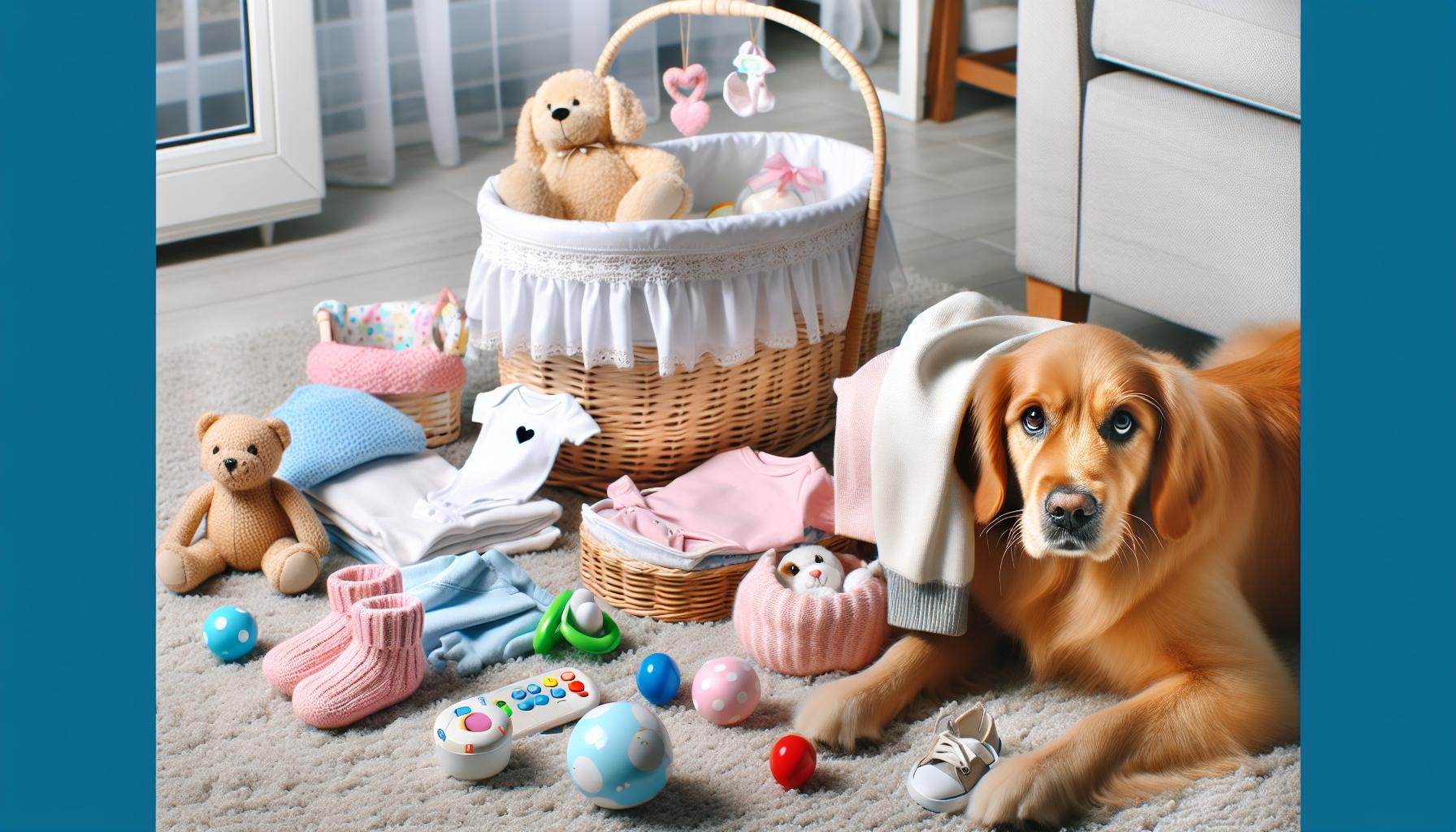
One of the most practical steps in preparing your pet is to gradually introduce them to baby-related items. This can include cribs, baby swings, changing tables, and other essential gear. These new objects can initially appear foreign and intimidating to your pet, which is why familiarizing them with these items ahead of time is invaluable.
- Let your pet explore: Allow your pet to sniff and investigate the new items at their own pace. This could be as simple as keeping the items out in an accessible area, so they can become accustomed to their presence.
- Associate positive experiences: Reinforce positive behavior around baby items with treats or praise. This creates a favorable association, helping your pet feel more comfortable with what will soon be a common sight in their environment.
- Safe interactions: If possible, practice gentle interactions with your pet around these new items. For instance, have them sit near a baby chair while you engage them with toys or treats, ensuring that they learn to enjoy these moments.
In essence, the sooner you start introducing the concept of a new baby into your household, the smoother the transition will be. Your goal is to create a sense of familiarity and comfort for your pet, ultimately paving the way for a wonderful relationship between them and their new sibling.
Understanding Your Pet’s Needs During Transition
When preparing for the arrival of a baby, it is crucial to consider your pet’s needs. Pets can be sensitive to changes in their environment, and introducing a new family member can significantly impact their routine. To ease this transition, start implementing changes in your pet’s routine well in advance. This includes adjusting feeding times, establishing new boundaries, and introducing them to baby sounds and scents. The key is to help them associate these changes with positive experiences.
Education and Training
Investing time in training or refreshing your pet’s basic obedience skills can be advantageous. Consider teaching commands such as “gentle” or “leave it,” which will be particularly helpful when they interact with the baby. Additionally, enrolling your pet in obedience classes or hiring a professional trainer can provide tailored guidance, ensuring your pet remains calm and well-behaved during this significant life change.
| Category 1 | Category 2 |
|---|---|
| Adjusting to Changes | Pets thrive on routine; slowly introduce new schedules to minimize anxiety. |
| Positive Associations | Utilize treats and praise to create a positive association with baby-related items. |
Creating a Safe Space
As your home prepares to welcome a baby, establishing a designated safe space for your pet is essential. This area should provide comfort and minimize stress during high-activity times, such as when guests visit or the baby is crying. A familiar space, with their favorite toys and bed, can help your pet retreat to tranquility when feeling overwhelmed. Do not forget to keep baby items well out of reach of your pet to avoid potential hazards.By understanding your pet’s needs and training them effectively, you can ensure a smoother transition for both your pet and your new baby. There are numerous resources available online and in your community to assist you in this transition, providing further peace of mind as you embark on this exciting journey.
DISCOVER MORE: Click here to learn about the importance of balanced nutrition for your pet’s health
Introducing Your Pet to New Sounds and Smells
Preparing your pet for the arrival of a baby also involves acclimating them to the new sounds and smells that come with an infant. Babies make a range of noises—from coos and gurgles to cries and screams—that could catch your pet off guard. Similarly, the new scents associated with babies, like diaper cream, baby powder, and the smell of formula or breast milk, could be unfamiliar and provoke curiosity or anxiety in your pet.
Sound Familiarization
To help your pet adapt to these new sounds, consider incorporating sound desensitization techniques:
- Play recordings: Find audio tracks that feature common baby sounds. Play these recordings at a low volume around your pet, gradually increasing the volume as they become more comfortable. Praise your pet when they remain calm, linking positive experiences with the new sounds.
- Positive reinforcement: Anytime your pet displays curiosity rather than fear in response to baby sounds, reward them with treats or affection. This helps to build their confidence and reinforces a calming association with the noises.
- Social exposure: If possible, arrange for visits with friends or family who have newborns. Real-world exposure to babies can help your pet adjust better than simulated sounds alone.
Smell Acclimatization
Just as sounds can unsettle your pet, new smells can also elicit different reactions. Introducing your pet to baby-related scents can ease their transition:
- Personalized introduction: Before the baby arrives, start by incorporating baby lotions or scents into your routine. For example, apply baby lotion on your hands and then pet your furry friend, allowing them to recognize the new smell as a part of their environment.
- Soft fabrics: Introduce your pet to blankets or clothing that will be used for the baby. By letting your pet sniff these items, it will help them become accustomed to the fresh scents and associate them with their new household member.
- Combine scents: You can also use your existing pet’s blanket and place it next to the baby’s things. The smell of your pet combined with baby items will create a sense of familiarity and comfort.
Establishing Safe Spaces for Your Pet
Creating secure and comfortable spaces for your pet is an essential aspect of preparing for this transition. With all the changes that come with having a baby, your pet might feel displaced or anxious.
- Designated pet zone: Set up a quiet space where your pet can retreat whenever they feel overwhelmed. This space could include their bed, toys, and water, creating a sanctuary where they feel safe.
- Maintain routines: Keeping your pet’s routine consistent will help to alleviate anxiety. Regular feeding times, walks, and play continue to provide your pet with stability even as your household dynamics shift.
- Family involvement: Encourage all family members to engage with your pet, making sure they know they are still valued members of the family. Spend time with your pet, allowing them to feel connected and loved amid the changes.
Establishing these practical measures helps your pet adapt to their new environment, allowing space for both your pet and your baby to thrive in a harmonious setting. By being attentive to your pet’s needs during this preparation phase, you’re laying the groundwork for a special bond between your new bundle of joy and your furry family member.
DIVE DEEPER: Click here to discover more
Conclusion
Preparing your pet for the arrival of a baby is a crucial and rewarding task that requires time, patience, and a proactive approach. As discussed, acclimatizing your pet to new sounds and smells can significantly ease their adaptation to the changes that come with a newborn. Sound desensitization techniques and gradual exposure to baby-related scents play a vital role in minimizing anxiety and building a sense of security for your furry companion.
Additionally, creating a safe space where your pet can retreat during overwhelming moments is essential. This sanctuary, combined with consistent routines and family involvement, not only helps your pet feel loved and connected but also fosters a harmonious environment for your newborn. It’s important to remember that the transition is a two-way street; just as you prepare your pet, it’s vital to monitor their behavior and adapt your strategies accordingly.
Ultimately, the bond between your baby and pet can blossom into an enriching relationship filled with affection and joy. By laying the groundwork for familiarity and understanding, you are paving the way for memorable moments and shared love in your growing family. As you navigate this exciting chapter, be curious, patient, and attentive—your furry friend is sure to appreciate the efforts you invest in making this transition a smooth and delightful journey for everyone involved.