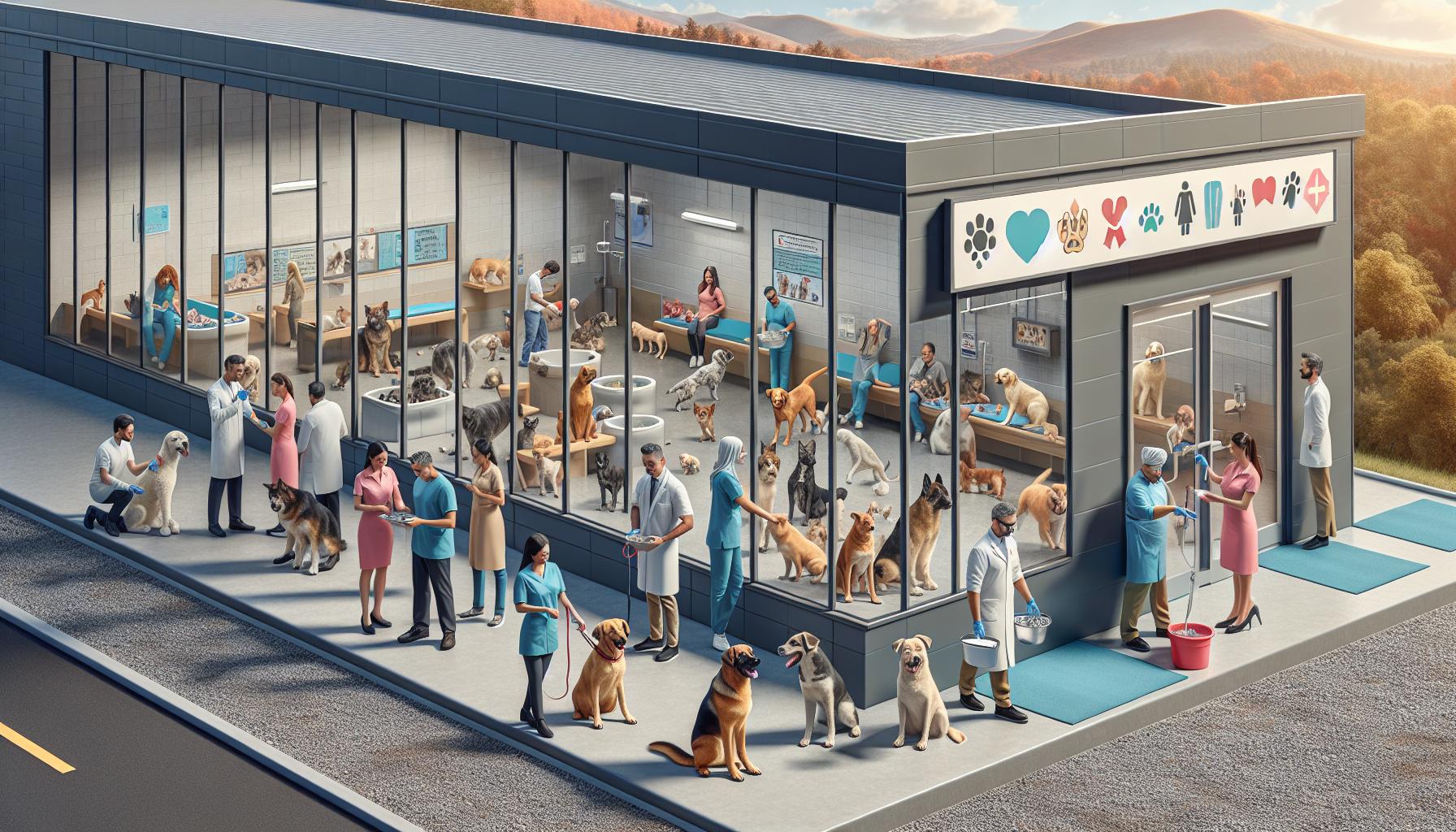
The benefits of pet adoption for the mental health and well-being of adopters

Unveiling the Connection Between Pet Adoption and Mental Well-Being
The act of adopting a pet transcends mere companionship; it can significantly influence one’s mental health. With over 70 million stray or homeless animals in the United States, adopting a pet not only changes their lives but profoundly transforms that of the adopter. The emotional connection forged between humans and their pets has been well-documented through various studies, shedding light on the beneficial impact of pet ownership on mental well-being.
Research indicates that pet ownership can lead to improved emotional stability and happiness. Here are some key benefits of pet adoption:
- Increased Physical Activity: Owning a pet often encourages more movement, as daily walks and playtime become essential routines. For example, dog owners typically walk an average of 300 minutes a week, which not only keeps their furry companions healthy but also boosts the owner’s physical fitness.
- Enhanced Social Interaction: Pets can serve as social catalysts, leading to new friendships and connections in the community. Dog parks, pet-friendly events, and even simple walks around the neighborhood can foster interactions with fellow pet owners, creating opportunities for social engagement that may otherwise be lacking.
- Reduction in Anxiety and Depression: Studies show that interacting with pets can lower cortisol levels, thus making people feel calmer and happier. For instance, a study published in the journal *Applied Animal Behaviour Science* found that individuals who spent time with their pets reported lower levels of stress and an increased sense of well-being.
Moreover, the unconditional love and companionship offered by pets foster a sense of purpose and reduce feelings of loneliness. Many pet adopters report that the responsibility of caring for an animal helps to create routine and structure in their lives, which is particularly beneficial for those struggling with mental health issues. For many, adopting a pet becomes a vital part of their journey towards better mental health.
In addition to these mental health benefits, pet adoption also promotes the humane treatment of animals. By providing a home to a stray or abandoned animal, adopters play a crucial role in reducing the overpopulation of shelters and preventing euthanasia. This selfless act not only aids in animal welfare but also brings an immense sense of fulfillment to the adopter.
As we delve deeper into the benefits of pet adoption, numerous personal stories stand testimony to how this noble act not only saves lives but enriches the lives of adopters in profound ways. Whether it’s the joyful wag of a dog’s tail or the calming purr of a cat, the positive effects of pet adoption are undeniable. For anyone contemplating the decision, the emotional and psychological rewards may very well be as life-changing as the impact of the shelter pet they choose to welcome into their home.
DISCOVER MORE: Click here to learn how to personalize your pet’s nutrition
The Transformative Impact of Pets on Mental Health
In recent years, the dialogue surrounding mental health has gained unprecedented attention, with pet adoption frequently highlighted as a pivotal solution for enhancing emotional well-being. The relationship between pet ownership and mental health embraces a multitude of psychological benefits, emerging as a crucial element in the battle against conditions like anxiety and depression. According to the Human-Animal Bond Research Institute, interactions with animals can uniquely influence mental state and foster emotional healing.
One significant advantage of pet adoption lies in the way pets can reduce feelings of isolation, especially in a society where loneliness is increasingly recognized as a public health concern. For individuals battling depression or anxiety, a pet can serve as a reliable source of support. Studies show that pet owners often experience decreased feelings of loneliness compared to non-pet owners. The routine of caring for an animal — feeding, grooming, and playing — not only provides structure but also creates meaningful bonds that combat loneliness.
Emotional Connection and Responsibility
The responsibility that comes with pet ownership can foster a sense of purpose, particularly for those who may be grappling with feelings of worthlessness or despair. Engaging with a pet can create an emotional anchor, giving adopters a reason to get out of bed each morning. This connection is especially impactful for people who have faced trauma or loss, as pets offer non-judgmental companionship and a comforting presence during difficult times.
- Pet Care as Therapy: Many veterans and individuals recovering from substance abuse specifically find that caring for a pet can have therapeutic benefits, helping them to manage their recovery journey.
- Emotional Regulation: Studies suggest that pets help individuals learn emotional regulation through bonding experiences, as they require positive interactions and allow their owners to express affection, thereby promoting emotional connections.
- Mindfulness Practices: Pets also encourage mindfulness. Engaging with pets requires attentiveness and presence, making daily routines, such as walks or playtime, avenues for practicing mindfulness and reducing stress levels.
Furthermore, the physical act of petting an animal can trigger the release of oxytocin, often referred to as the “love hormone.” This biological response helps to reduce stress and promote feelings of happiness and calm. Such interactions highlight the profound ways in which animals can soothe human anxieties, ultimately contributing to higher levels of happiness and emotional balance in their adopters.
In conclusion, the benefits of pet adoption extend far beyond just providing a place to live for an animal. They encompass emotional, physical, and mental health advantages that resonate deeply with many individuals. Through daily interactions with pets, adopters can experience a rich blend of companionship, responsibility, and emotional fulfillment that aids in enhancing their overall mental well-being.
| Advantage | Description |
|---|---|
| Improved Emotional Well-being | Adopting a pet provides unconditional love and companionship, which can lead to reduced feelings of loneliness and anxiety. |
| Increased Physical Activity | Pets, especially dogs, encourage regular exercise, which has a positive effect on mental health by releasing endorphins and improving mood. |
| Sense of Purpose | Caring for a pet creates a fulfilling responsibility that can enhance overall well-being and provide a structure to daily life. |
| Social Connections | Pet adoption fosters interactions with other pet owners, helping to build a community and enhance social skills. |
The mental health benefits of pet adoption extend beyond just the immediate joy a pet can bring. These furry friends tap into emotional reservoirs that foster healing and personal growth. Improved emotional well-being, for instance, is frequently cited as a significant advantage, with studies indicating that pet owners show lower levels of depression and stress.Additionally, the increased physical activity associated with pet ownership cannot be overlooked. Engaging with pets promotes exercise, which is proven to boost endorphin levels—an essential factor in maintaining a healthy mindset. This is particularly relevant in today’s sedentary world, where mental health concerns are rising alarmingly.Moreover, adopting a pet provides a potent sense of purpose. For many individuals, caring for a pet can add structure and meaning to their daily lives. When these responsibilities are coupled with the growth of new social connections, it leads to a sense of belonging, further enriching the adopters’ experience and encouraging them to explore the depths of their relationship with their pets.
LEARN MORE: Click here to get personalized nutrition tips for your pet
The Therapeutic Role of Pets in Emotional Support
The therapeutic effects of pet adoption resonate deeply through the lives of many individuals, creating a unique bond that transcends traditional notions of companionship. As therapy animals have gained recognition in clinical settings, it becomes evident that the rewards of adopting pets extend beyond mere joy and cuddles. The hands-on interaction with pets is a growing field of interest among researchers, who have begun to quantify its impact on mental health.
One fascinating aspect of pet adoption is the impact on social interactions. Owning a pet can act as a social catalyst, encouraging interactions that might not happen otherwise. For example, dog owners often find themselves engaging in conversations at parks or on walks, creating a sense of community and belonging. This newfound engagement can boost social skills and foster relationships that are critical for emotional support. In fact, a study published in the journal “Anthrozoös” highlights how pet owners reported higher levels of social support compared to non-owners, directly linking pet presence to increased social connectivity.
Increasing Physical Activity and Reducing Stress
In addition to enhancing social ties, pet ownership also plays a pivotal role in promoting physical activity, which is intricately linked to mental health. Regular activities like walking a dog contribute not only to physical fitness but also to stress reduction. The simple act of exercising with a pet releases endorphins, which elevate mood and diminish stress levels. A report from the Centers for Disease Control and Prevention (CDC) recognizes that even short bursts of activity, when combined with the companionship of a pet, can significantly enhance mental health.
- Routine Establishment: Pets necessitate a consistent schedule that encourages owners to maintain healthy habits. Establishing routines for feeding, walking, and caring for animals can reduce uncertainty and provide structure in daily life, helping to alleviate anxiety.
- Distraction from Negative Thoughts: Engaging with pets allows individuals to shift their focus away from stressors or negative thought patterns. Activities like playtime or training can provide mental distractions, fostering a better emotional state.
- Promoting a Sense of Achievement: Successfully training a pet or observing its growth and skills can instill a sense of accomplishment in owners, combating feelings of failure or stagnation.
The significance of pet adoption further emerges in the realm of unconditional love and companionship that animals offer. Many individuals find that their furry friends are attuned to their emotions, providing a sense of comfort during tough times. Research from the University of Missouri suggests that pet owners frequently report lower rates of depression and higher levels of happiness, largely due to the bond formed with their pets. Such relationships can trigger the production of neurotransmitters like serotonin and dopamine, enhancing overall mood and emotional well-being.
Moreover, pets serve as excellent non-verbal partners in emotional release. When feeling overwhelmed, many adopters find solace in venting their thoughts and feelings to their pets without fear of judgment. This unique outlet helps them process emotions effectively, proving that pets are not merely companions but crucial players in improving mental health.
DISCOVER MORE: Click here to learn about superfoods for your pets
Conclusion: The Lasting Impact of Pet Adoption on Mental Well-Being
In conclusion, the multifaceted benefits of pet adoption for the mental health and well-being of adopters cannot be overstated. From fostering emotional support through their unwavering companionship to promoting increased social interactions, pets have become integral parts of the lives of many Americans, serving as more than just animals but as vital partners in emotional healing and balance. The role of pets extends well beyond affection; they help establish vital routines that can significantly reduce anxiety while providing necessary physical activity, both of which are essential for maintaining a healthy mind.
Furthermore, the unconditional love offered by pets can promote emotional stability, decreasing feelings of loneliness and depression and enhancing overall happiness. The capacity for pets to act as non-judgmental confidants allows adopters to alleviate emotional burdens, fostering a healthy environment for processing complex feelings. This dynamic illustrates the strong correlation between pet ownership and improved mental health outcomes, resonating amidst the challenges of modern life.
As the conversation around mental health continues to grow, it is crucial to consider pet adoption not only as a compassionate choice for animals in need but also as a proactive step toward enhancing one’s mental well-being. By choosing to adopt, individuals are not only transforming the lives of their pets but also igniting a positive change within themselves. Thus, the journey of pet adoption carries the potential for a profound impact that extends far beyond the heart of the home, leading to healthier, happier lives for both pets and their new owners.