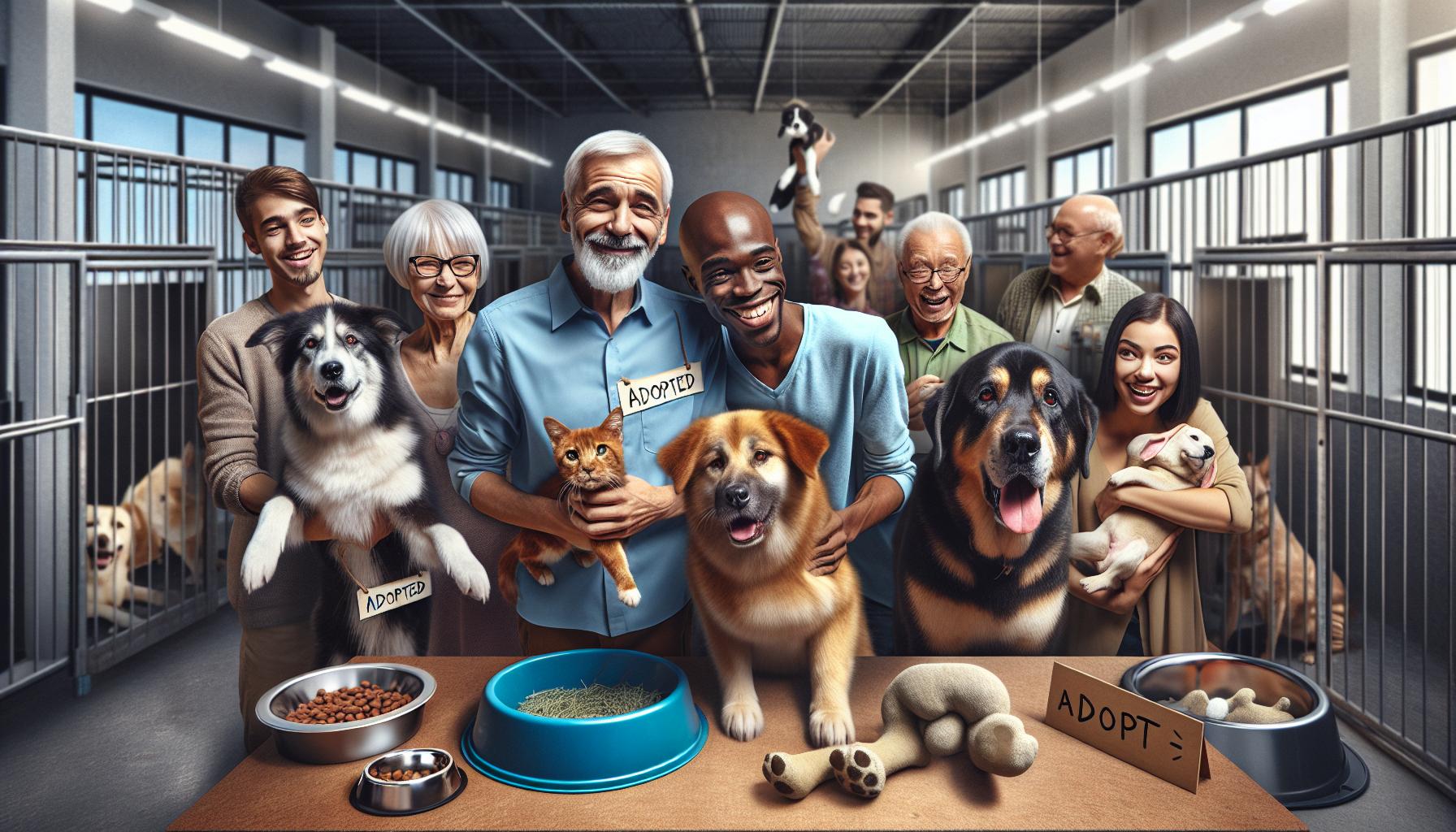
The importance of awareness about pet adoption and its social implications

Understanding the Significance of Pet Adoption Awareness
Every year, millions of animals find themselves in shelters across the United States, waiting for loving homes. The need for increased awareness about pet adoption is critical, as it directly impacts these lives and societal attitudes towards animal welfare. Here are some key points on why this awareness matters:
- Reducing Overpopulation: Educating the public about pet adoption can help decrease the number of animals in shelters. According to the American Society for the Prevention of Cruelty to Animals (ASPCA), approximately 3.3 million dogs and 3.2 million cats enter U.S. shelters every year. By promoting adoption, communities can reduce these alarming figures, ensuring that more animals find homes instead of facing the grim reality of euthanasia.
- Promoting Responsible Ownership: Awareness fosters a culture of responsibility, leading to better care and fewer abandonments. Responsible pet ownership means understanding the commitment involved in caring for a pet, including regular veterinary visits, training, and socialization. Programs that educate potential adopters about these responsibilities can lead to more successful adoptions and long-term friendships between pets and their new families.
- Enhancing Community Health: Adopted pets can significantly improve mental and physical health for their owners. Research has shown that pet ownership can reduce stress, anxiety, and depression, while also promoting physical activity through regular walks and playtime. A study by the Human-Animal Bond Research Institute found that 74% of pet owners reported mental health improvements after adopting, showcasing the positive impact of those furry companions.
When individuals choose to adopt rather than buy, they contribute to a ripple effect of positive social implications. Awareness not only changes perceptions but also influences the actions of policymakers and communities. By highlighting the benefits of adoption, we can create a more compassionate society.
Moreover, the socioeconomic impact of pet adoption touches various aspects, such as:
- Reducing Strain on Resources: Fewer abandoned pets mean less strain on animal shelters and local governments. Strained resources can lead to budget cuts and reduced services. By adopting, individuals help ensure shelters can allocate resources toward care, medical treatment, and community outreach instead of managing overcrowded conditions.
- Strengthening Community Bonds: Adoption events build community engagement, encouraging connections among residents. Events like “Adopt-a-Dog” days or charity fundraisers for local shelters not only raise awareness but also provide an opportunity for community members to come together, share experiences, and even meet potential four-legged friends.
- Encouraging Volunteerism: Raising awareness leads to more volunteers, boosting support for shelters. Many organizations rely on volunteers for day-to-day operations. Increased awareness can galvanize community participation, meaning more hands to help with tasks ranging from animal care to organizing fundraising events.
In a world where many animals suffer in silence, increasing awareness about pet adoption can be a transformative step towards a kinder society. Understanding the profound implications can lead to effective changes in our communities and among those who cherish the unconditional love of pets. As prospective pet owners consider their options, they hold the power to change lives—not just for the animals they adopt, but for themselves and their communities as well. By spreading the word about adoption, it is possible to create safer and more nurturing environments for all vulnerable pets, guiding them from shelters to loving homes.
DISCOVER MORE: Click here to learn about the mental health benefits of pet adoption
The Ripple Effects of Increased Pet Adoption Awareness
The social implications of enhancing awareness about pet adoption extend far beyond simply finding homes for animals. This movement plays a critical role in reshaping cultural attitudes towards responsible pet ownership, community engagement, and the overall welfare of animals in society. When individuals actively choose adoption, they do much more than save a life—they contribute to creating a more compassionate and informed community.
To comprehend the impact of pet adoption awareness, it is essential to consider how it redefines relationships between humans and animals. For many, the decision to adopt comes with a deeper understanding of the responsibilities tied to pet ownership. Here are several aspects that highlight the significance of this awareness:
- Creating Lifelong Commitments: When people are educated about the commitment involved in pet ownership—such as time, financial resources, and emotional effort—they are more likely to make informed decisions. This understanding encourages individuals to adopt pets that suit their lifestyles, thereby reducing the rate of returned animals to shelters.
- Challenging Misconceptions: A significant barrier to pet adoption stems from societal misconceptions about shelter animals, often viewed as problematic or damaged. By raising awareness and sharing success stories, advocates can challenge these stereotypes, demonstrating that many pets are not only loving but also perfectly healthy and well-adjusted.
- Combatting Animal Neglect: Increased awareness can drive home the seriousness of animal neglect and abandonment. When communities engage in dialogue about the realities of shelter populations, they foster empathy and compassion, encouraging proactive measures to prevent animal suffering.
The impact of this awareness is also evident in various nonprofit organizations dedicated to promoting pet adoption. These organizations often conduct educational programs, workshops, and outreach initiatives aimed at informing the public about the benefits of adopting pets. By harnessing the power of social media and community events, these organizations create platforms for spreading knowledge and igniting conversations about pet overpopulation and animal welfare.
The Broader Socioeconomic Context
In light of the sheer volume of animals entering shelters annually, the socioeconomic dimensions of increased awareness about pet adoption become increasingly pronounced. Beyond saving immediate lives, greater adoption awareness can:
- Reduce Taxes and Community Costs: Shelters funded through local taxes may see lower financial burdens as adoption rates rise. Committed individuals who opt to adopt rather than purchase pets can lessen costs related to housing, feeding, and medically treating animals that would otherwise remain in shelters.
- Enhance Local Economies: When shelters receive support from adoptive families, it stimulates local economies. Pets often require supplies such as food, toys, and grooming products, leading to increased spending at local businesses.
- Foster Volunteerism and Philanthropy: Raising awareness inherently encourages community members to volunteer or donate to local shelters. More community involvement translates to enhanced resources for animal rescue organizations and increased opportunities to provide animals with better care.
In summary, fostering awareness about pet adoption can create a faster, more impactful response to the pressing issues of animal overpopulation and neglect. Focusing attention on these implications will not only address current challenges faced by shelters but will also pave the way for a more humane and informed society dedicated to improving animal welfare for generations to come.
The Importance of Awareness About Pet Adoption and Its Social Implications
Understanding the significance of pet adoption transcends mere choice; it is a responsibility that impacts numerous lives. Awareness campaigns promote the benefits of adopting pets from shelters, shedding light on the harsh realities of animal homelessness. By fostering a culture of adoption, we not only save lives but also enrich our communities.
| Advantages of Pet Adoption | Social Implications |
|---|---|
| Reducing Overpopulation | Adoption helps control the pet population, thereby decreasing the number of animals in shelters. |
| Promoting Responsible Ownership | Awareness encourages individuals to think carefully about pet ownership and the commitment involved. |
| Saving Lives | Every adopted pet represents a life saved from euthanasia, underscoring the moral imperative of adoption. |
| Community Building | Promoting pet adoption fosters a sense of community and shared responsibility among pet owners. |
Moreover, pet adoption transcends the simple act of bringing a new furry friend into your home. It serves as a catalyst for social change, encouraging compassion towards all living beings. This understanding invokes a greater sense of empathy within society, contributing to a shift in how we perceive animals and their rights. By raising awareness about these substantial issues, we pave the way for a brighter future not only for pets but also for the communities they inhabit.
DISCOVER MORE: Click here to learn about the emotional benefits of pet adoption
Building a Culture of Responsibility and Compassion
Understanding the importance of awareness about pet adoption is not only crucial for changing individual behaviors but also for cultivating a culture of responsibility and compassion towards animals in wider society. This cultural shift has profound implications that extend beyond the immediate benefits of reducing shelter overcrowding and can significantly influence community dynamics.
- Encouraging Education and Awareness Initiatives: Schools and community centers can play pivotal roles in educating young people about animal welfare and responsible pet ownership. Integrating animal care into educational curriculums fosters a sense of responsibility among children. Many organizations are now introducing programs where children can interact with shelter pets, allowing them to develop empathy and understanding from a young age.
- Promoting Spaying and Neutering: Increased awareness on pet adoption often goes hand-in-hand with essential information regarding spaying and neutering. Educating pet owners about the importance of these practices helps decrease the number of unwanted litters, ultimately leading to fewer animals ending up in shelters. Campaigns offering low-cost or free spaying and neutering services have gained traction in several states, resulting in a noticeable decrease in the local pet population.
- Encouraging Responsible Breeding Practices: Awareness about pet adoption encourages a critical examination of breeding practices. Promoting adoption also implies challenges to irresponsible breeding, where breeders prioritize profit over animal welfare. Educating potential pet owners about the ethical implications of puppy mills and the necessity of adopting rather than shopping helps mitigate these issues, fostering a more humane perspective on pet ownership.
The social implications of pet adoption awareness also manifest in mental health benefits for both individuals and communities. Studies have shown that pets can significantly reduce feelings of loneliness and depression. With successful adoption stories being shared on social media, more individuals may be encouraged to adopt pets, creating a larger community focused on compassion and companionship. The emotional bonds formed between adopted pets and their families can lead to a reduction in social isolation for many, particularly among seniors and individuals living alone.
The Role of Technology in Enhancing Awareness
In today’s digital age, technology serves as a formidable ally in the fight for pet adoption awareness. Social media platforms are now utilized by shelters to spread their messages more effectively and widen their reach. According to the ASPCA, social media is harnessed not only to showcase animals available for adoption but also to share heartwarming success stories, educate the public, and foster a sense of community support.
- Influencer Collaborations: Many organizations partner with social media influencers who advocate responsible pet ownership, creating engaging content that resonates with diverse audiences. These influencers generate interest and encourage their followers to consider adoption, leveraging their platforms to spread powerful messages on animal welfare.
- Online Adoption Platforms: Websites like Petfinder and Adopt-a-Pet make it easier for potential adopters to search for pets that suit their lifestyle preferences. This technological advancement streamlines the adoption process, making it convenient for adopters to find their perfect match, all while ensuring that the importance of adoption is at the forefront.
Furthermore, community engagement via virtual channels fosters an inclusive environment for discussions about pet adoption issues, further driving home the importance of awareness. By sharing insights and information through webinars or online forums, advocates can effectively engage with the community, allowing more voices to be heard in the ongoing dialogue about animal welfare.
DISCOVER MORE: Click here for insights on pet diets
Conclusion: A Pathway to a More Compassionate Society
In summary, enhancing awareness about pet adoption holds transformative potential not only for individuals seeking companionship but also for the broader social landscape. As we have explored, fostering a culture that prioritizes responsible pet ownership and highlights the significance of adoption creates a ripple effect throughout communities. Education initiatives in schools and neighborhoods nurture responsible attitudes in future generations, while promoting spaying and neutering practices leads to tangible improvements in animal welfare.
Moreover, the arguments against irresponsible breeding and puppy mills spotlight ethical considerations that underscore the need for thoughtful pet ownership. The emotional and mental health benefits offered by pets are profound; they have the potential to alleviate feelings of loneliness and forge strong community bonds. By sharing stories of successful pet adoptions via technology and social media, we not only inspire others to embrace these animals in need, but we also craft a narrative of compassion that permeates society.
As we move forward, it is essential that every individual recognizes their role in this movement. Whether through advocacy, education, or direct action, we all possess the power to influence change. The journey toward a more compassionate society begins with awareness, encouraging us to rethink our choices regarding pet adoption and its social implications. As we continue to engage in dialogue and take action, let us strive toward a future where every pet has a loving home, reinforcing the belief that all lives matter, both human and animal alike.