Training Senior Pets: Adapting Techniques for the Elderly
Understanding the Needs of Senior Pets
As pets age, their training needs evolve significantly. Senior pets often face physical and cognitive challenges that require specialized techniques to ensure effective learning. With age, they may develop conditions such as arthritis, dementia, or even sensory impairments like vision and hearing loss. Understanding these modifications can enhance the quality of life for both pets and their owners, ultimately fostering a better pet-owner relationship in their golden years. It’s crucial to approach training with empathy and adaptability, recognizing that what worked in their youth may no longer be effective.
Why Adapt Training Techniques?
Training an elderly pet isn’t just about maintaining obedience; rather, it’s about fostering a deeper bond. Here are a few key reasons to adapt training methods:
- Physical Limitations: Many senior pets suffer from conditions such as arthritis or decreased mobility, making traditional training methods that require physical exertion inherently more challenging. For instance, a senior dog with hip dysplasia might struggle to perform standard commands that involve jumping or running.
- Cognitive Changes: Aging can affect memory and focus, necessitating shorter training sessions. Just as humans experience cognitive decline, dogs may also show signs of forgetfulness or confusion. Keeping training sessions brief—only 5 to 10 minutes—helps maintain their focus and retains their interest.
- Health Considerations: Older pets might have health issues like heart disease or diabetes that limit their ability to participate in standard training exercises. For example, a senior cat with a history of respiratory issues could find physical activity stressful, requiring alternative methods of interaction that do not strain their bodies.
Techniques for Success
Implementing tailored techniques can empower both pets and their owners. Consider these approaches:
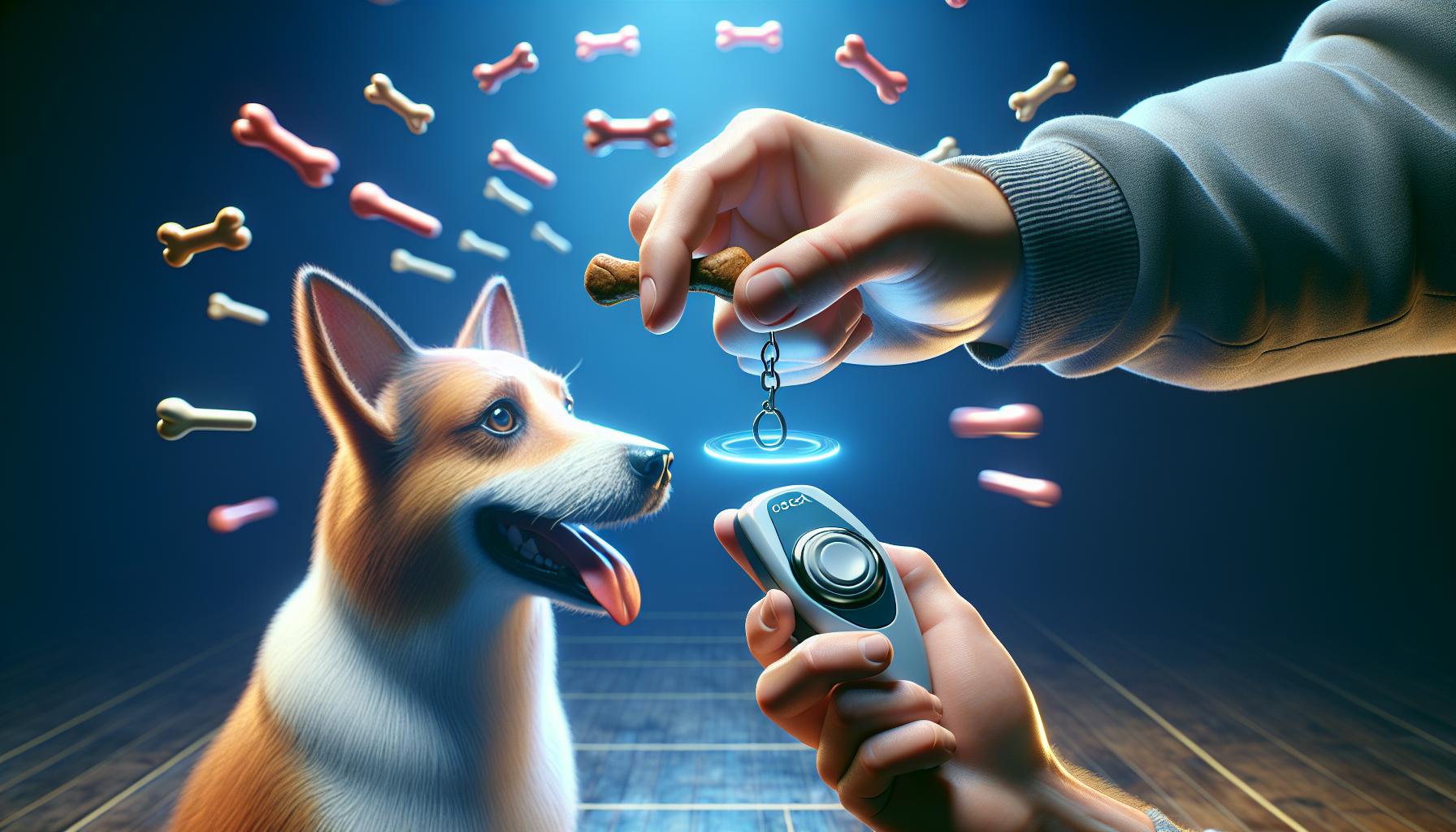
- Positive Reinforcement: Reward-based strategies work wonders for encouraging desired behaviors. Treats, praise, or gentle petting serve to create positive associations with tasks, making them more enjoyable for seniors.
- Short Sessions: Limiting training to 5-10 minutes helps keep your pet engaged and prevents them from becoming overwhelmed. This is especially useful in honing skills or reinforcing behavior without causing frustration.
- Gentle Prompts: Use soft commands and signals that respect their pace. A gentle tone can reduce anxiety and promote cooperation, as senior pets may be more sensitive and less responsive to harsh correction compared to younger ones.
Exploring these adaptive training methods is essential for enriching the lives of senior pets. Recognizing their unique needs allows owners to implement effective techniques while ensuring their beloved companions remain happy, healthy, and well-behaved. With a little creativity and patience, training can be a joyful bonding experience that enhances the well-being of both pet and owner, leading to a more fulfilling companionship.
DISCOVER MORE: Click here to learn about cat happiness
Adapting Training Methods for Older Pets
Training senior pets requires a thoughtful approach that takes into account their unique set of circumstances and challenges. With the right modifications, training can become a rewarding experience that not only addresses behavioral concerns but also enriches the relationship between pet and owner. As our furry companions age, several key factors should be considered that differentiate their training needs from those of younger pets.
Recognizing Physical Limitations
One of the primary challenges that arise in training senior pets is their physical limitations. Conditions such as arthritis can severely affect mobility, making it difficult for older dogs to respond to commands that require jumping or quick movements. For instance, a dog suffering from joint pain might struggle to sit or stay on command, which can lead to frustration for both the pet and the owner. To mitigate this, trainers should focus on adaptive commands that consider the pet’s physical condition. Commands that require less movement—such as “lie down” instead of “jump”—can be more suitable.
Cognitive Considerations
Alongside physical limitations, cognitive changes are another aspect to account for in older pets. Aging can lead to a decline in mental sharpness, impacting a pet’s ability to concentrate and learn new commands. Consequently, training sessions should be shorter, ideally ranging from 5 to 10 minutes to maintain focus without overwhelming them. Incorporating familiar cues and associating them with positive reinforcement can aid in retention and reduce anxiety. Instead of introducing multiple new tricks at once, breaking them down into smaller, digestible portions promotes learning at a comfortable pace.
Adjusting to Health Considerations
Health issues such as heart disease or diabetes further complicate the training process. Older pets are more susceptible to health conditions that might impact their ability to engage in physical activities or respond to stress. For example, an elderly cat with a history of respiratory problems may find standard exercises tiring and could require less strenuous training alternatives, like interactive play with a feather wand rather than running. By understanding the pet’s health status, owners can ensure that training remains manageable and beneficial.
Essential Techniques for Training Senior Pets
To navigate these challenges effectively, there are several techniques that can enhance the training experience:
- Positive Reinforcement: Utilizing treat-based rewards or praise helps create positive associations with training, making it a more enjoyable experience for senior pets.
- Familiar Commands: Stick to familiar commands and routines that your pet already understands, ensuring that they feel secure amidst the changes that come with aging.
- Shortened Sessions: Keeping training sessions brief helps prevent fatigue and frustration, while also optimizing retention of new behaviors.
- Gentle Interaction: Incorporating gentle tones and calm interactions helps keep senior pets at ease, creating a more conducive environment for learning.
By adapting training techniques to suit the individual needs of senior pets, owners can provide an enriching experience that contributes to their overall well-being. Through patience and understanding, training can transition from a task to an enjoyable bonding activity, creating moments that both pet and owner will cherish.
| Advantages | Details |
|---|---|
| Enhances Mobility | Utilizing specific training techniques can significantly improve the physical mobility of senior pets, helping them stay active and engaged. |
| Promotes Cognitive Function | Training stimulates the mind, which is essential for preventing cognitive decline in elderly pets, making mental exercises a key component. |
| Strengthens Bonding | Engaging in training activities fosters a deeper emotional connection between the owner and their senior pet, leading to a more fulfilling relationship. |
| Reduces Anxiety | Consistent training provides structure, which can significantly lower anxiety levels in older pets, creating a more relaxed living environment. |
When training senior pets, adopting techniques tailored specifically for their needs is crucial. For example, gentle training methods that respect their physical limitations can yield positive results while ensuring their comfort. Additionally, incorporating short, rewarding sessions can keep their interest piqued without overwhelming them. Using their favorite treats or toys as motivators also enhances the experience, making learning enjoyable.Overall, understanding the unique requirements of elderly pets offers numerous opportunities to not only help them maintain their vitality but also enrich their lives. Adapting training techniques and routines allows pet owners to achieve a higher quality of life for their senior companions, paving the way for a joyful and engaged pet experience.
DISCOVER MORE: Click here to learn more
Incorporating Enrichment Activities in Training
While teaching basic commands is essential, enrichment activities can also play a vital role in the training of senior pets. These activities promote mental stimulation, which is particularly important as pets age. Engaging an older pet’s mind can help combat cognitive decline and improve overall mood. Simple tasks, such as puzzle toys that dispense treats or games that encourage problem-solving, can keep pets mentally sharp while also providing training opportunities. Many owners may find that their senior pets have a greater interest in these stimulating activities than in traditional commands, making it an excellent avenue for engagement.
Encouraging Safe Play and Exploration
Incorporating safe play into training can enhance both physical and mental well-being for senior pets. Pet owners should set up safe spaces where their furry companions can explore without the risk of injury. Low-impact games such as gentle tug-of-war with plush toys or hide-and-seek using soft items are excellent options to stimulate a senior pet’s natural instincts while being mindful of their physical limitations. For instance, instead of a game that involves rapid movements, consider a game that allows for slower, more controlled interactions, ensuring that the pet remains comfortable and engaged without pushing their limits.
Using Technology for Training
Today, technology offers an array of innovative tools that can be leveraged in training senior pets. Pet cameras and treat dispensers can facilitate remote training sessions, allowing owners to reward their pets even when they are not home. Additionally, some devices feature training applications that guide pet owners on effectively communicating with their senior companions. For example, apps that provide daily reminders for training sessions or track progress can help keep owners engaged while motivating their pets with structured routines.
Socializing with Other Pets and Humans
Socialization remains an important aspect of learning, even for senior pets. Engaging older pets in controlled, calm interactions with other dogs or humans can be beneficial for their mental health. Dog parks or community pet meetups may be overwhelming, so consider arranging small gatherings with familiar animals or inviting friends over for gentle socializing. This exposure can lessen anxiety and increase confidence, all while reinforcing training through interaction and communication.
Monitoring Behavioral Changes
As pets age, their behavior may change due to underlying medical conditions or discomfort. Behavioral monitoring plays a critical role in understanding these changes. It’s essential to observe any signs of stress, aggression, or withdrawal during training sessions. If an owner notices abrupt changes in behavior, consulting with a veterinarian or a certified animal behaviorist can provide insights into possible health concerns that may require attention. Being vigilant about behavioral shifts ensures that training remains a positive and effective experience.
For senior pets, the key to successful training lies in customization that resonates with their abilities, preferences, and needs. By merging patience with creativity, pet owners can create engaging and enjoyable experiences that support their beloved companions’ physical and mental well-being, making every moment spent together truly invaluable. Whether utilizing enrichment methods, improving play, or embracing technology, there are endless possibilities to explore the world of training senior pets.
DISCOVER MORE: Click here to enhance your training knowledge
Conclusion
Training senior pets is a rewarding endeavor that requires a thoughtful and adaptive approach tailored to their unique needs. As pets age, it’s crucial for owners to recognize the importance of patience, understanding, and flexibility in their training techniques. Emphasizing both mental and physical activities enhances the quality of life for elderly pets, while also addressing their cognitive and emotional welfare.
Incorporating elements like enrichment activities, safe play, and technology not only keeps senior pets engaged but also strengthens the bond between owner and animal. Moreover, socialization, when approached carefully, can alleviate anxiety and foster a sense of community for aging pets. Equally essential is the continuous monitoring of behavioral changes, which can provide insight into potential health issues, ensuring that training remains a positive experience.
Ultimately, training senior pets is not merely about teaching commands; it’s about enhancing their daily lives and adapting to their changing capabilities. By implementing these specialized techniques, pet owners can discover new avenues for connection and joy with their senior companions. This journey of training can lead to invaluable moments that celebrate the unique personalities of older pets, helping them thrive in their later years, and inviting owners to create lasting memories. So, embrace this opportunity to adapt your training methods, and witness the profound impact it can have on the lives of your beloved senior pets.