The Influence of Diet on Pet Behavior

The Impact of Nutrition on Pet Behavior
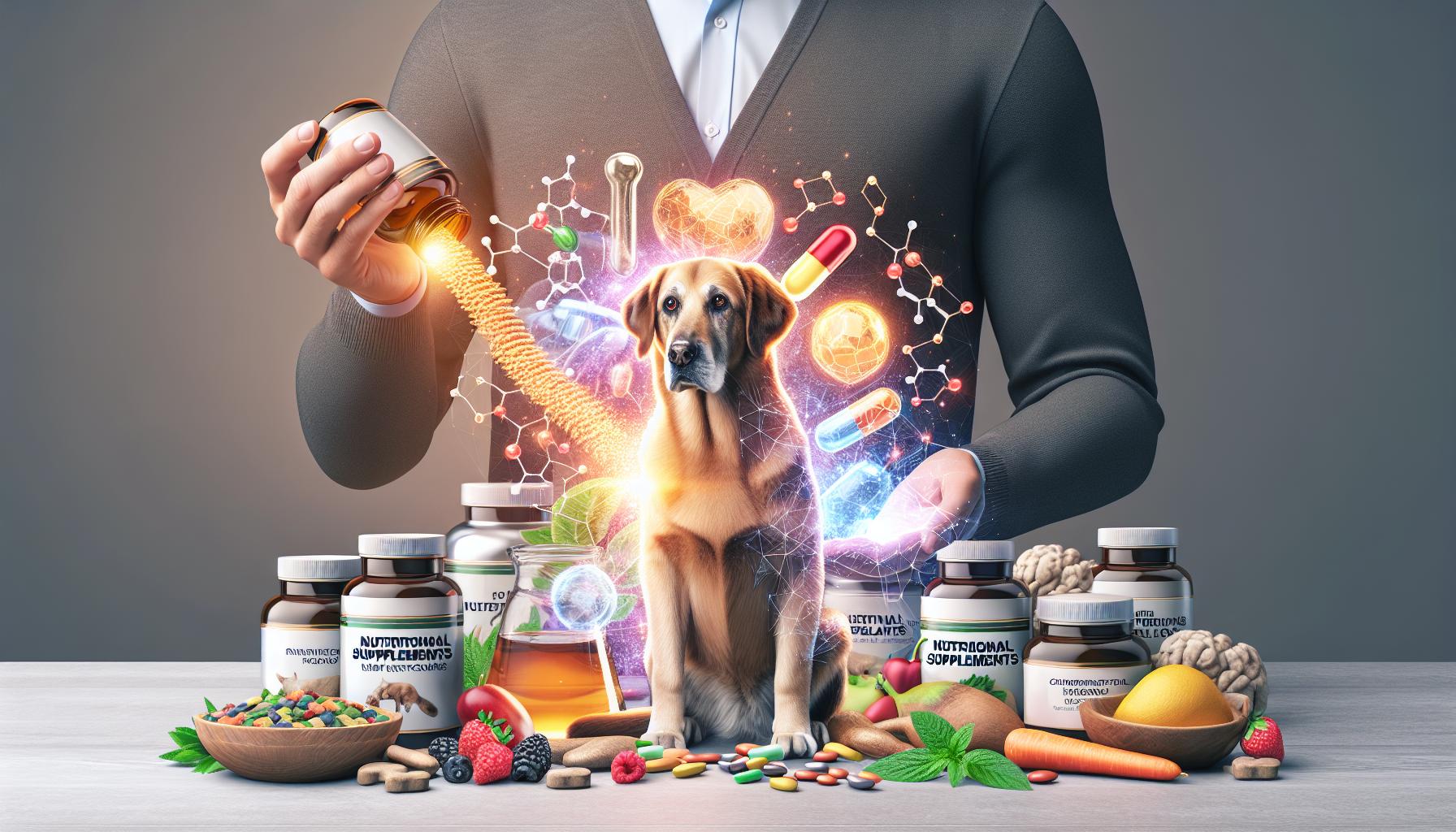
The relationship between what we feed our pets and their behavior is becoming increasingly clear and fascinating. Pet owners are starting to realize that dietary choices can significantly shape their furry companions’ mental and emotional well-being. For example, a dog’s hyperactivity could be linked to a diet high in sugars and low in essential nutrients, prompting owners to rethink what goes into their pet’s bowl.
Key Influences of Diet on Behavior
- Ingredients Matter: The quality of protein sources and the presence of essential fatty acids are vital. Foods rich in omega-3s, often found in fish oil, can promote calmness and reduce anxiety. In contrast, diets filled with sugars and artificial fillers often lead to overactive and restless pets. For instance, many owners report hyperactivity in dogs after feeding them treats loaded with sugar.
- Food Allergies: Food sensitivities are more common than many pet owners realize. Allergic reactions to specific ingredients, typically common proteins like chicken or grains, can lead to behavioral issues such as aggression or excessive anxiety. This could be due to discomfort or pain manifesting as irritability. A switch to a hypoallergenic diet can sometimes lead to a complete turnaround in behavior.
- Gut Health: The gut microbiome plays a crucial role in regulating mood and stress. A balanced gut fosters the production of neurotransmitters like serotonin, which are vital for mental health. Recent studies have shown that incorporating probiotics can enhance gut health, leading to noticeable improvements in a pet’s disposition and behavior.
As more pet owners discover how nutrition influences their companions, the demand for better-quality diets is rising. Research supports the idea that the right diet can significantly enhance behavioral outcomes. Pet owners who notice significant changes in their pets’ behavior after dietary modifications are not alone; many anecdotal accounts and scientific studies back these observations. This understanding can empower owners to make informed decisions, creating an environment conducive to happier and healthier pets.
Exploring the Research
Ongoing research is uncovering the intricate ways specific nutrients impact neurotransmitters associated with behavioral changes. For example, studies involving the alteration of diets for pets suffering from anxiety have shown that incorporating more balanced and nutritious meals can lead to significant behavioral improvements. Observing your pet after making dietary changes can yield interesting insights, revealing a profound connection between food intake and their emotional state.
In conclusion, as we continue to investigate the effects of nutrition on pet behavior, the potential for positive transformation becomes increasingly apparent. By staying informed and proactive about what we feed our pets, we can significantly enhance their quality of life. This journey not only nurtures our companions’ physical health but also fosters a deeper emotional connection in the pet-owner relationship, leading to a more harmonious household.
DISCOVER MORE: Click here to learn about the best food options for your pet
Understanding Dietary Impacts on Behavior
The connection between diet and behavior in pets is an often-overlooked aspect of pet care that merits attention. Many pet owners may not recognize the profound influence that food has on their animal’s demeanor and overall temperament. Behavioral issues such as aggression, anxiety, and hyperactivity can frequently be traced back to the food their pets consume. By delving into the specifics of pet nutrition, owners can gain insights that not only improve their pets’ behavior but also enhance their overall well-being.
Common Dietary Culprits
When assessing diet-related behavioral issues, several common factors come into play. Understanding these elements can guide pet owners in making necessary adjustments:
- High Sugar Content: Many commercial pet foods and treats contain excessive amounts of sugar, which can lead to fluctuations in energy levels. Dogs and cats that consume high-sugar diets may exhibit signs of hyperactivity, restlessness, and even difficulty focusing on commands.
- Ingredient Quality: The source of proteins and other ingredients in pet food directly affects behavioral responses. Low-quality protein can result in a deficiency in essential amino acids like tryptophan, critical for producing serotonin, neurotransmitters that regulate mood.
- Artificial Additives: Chemical preservatives and artificial colors within pet foods can contribute to behavioral changes, with many pet owners noting increased irritability or unease in animals after consuming foods filled with these additives.
- Dietary Balance: A balanced diet, rich in vitamins and minerals, is crucial. Pets require specific nutrients to maintain cognitive health, and imbalances can lead to confusion and erratic behavior.
Pet owners who meticulously track their animal’s food consumption and the corresponding behavioral shifts often find unexpected correlations. Case studies reveal that transitioning to diets rich in whole ingredients and devoid of harmful additives can lead to remarkable improvements in behavior. For instance, many owners have reported successful reductions in anxiety and stress when switching to natural diets, underscoring the significance of ingredient quality.
The Role of Feeding Routine
Another pivotal aspect of pet nutrition that impacts behavior is the feeding routine. Establishing consistent meal times fosters a sense of security and routine in pets, which can mitigate anxiety levels. This predictability can be particularly beneficial for dogs, as they thrive on stability and can react positively to structured feeding schedules. Owners might find that simply adjusting when and how often they feed their pets can enhance their emotional state.
As we venture further into the influence of diet on pet behavior, it becomes evident that thoughtful attention to nutrition can foster not only a healthier pet but also a happier, more balanced companion. Through making informed dietary choices and observing the consequent behavioral changes, pet owners are increasingly empowered to cultivate positive environments for their beloved animals.
| Category | Key Features |
|---|---|
| Nutritional Balance | A balanced diet is crucial for enhancing mood and behavioral stability in pets. |
| Aggression Control | Reducing certain ingredients reduces hyperactivity and aggression in pets. |
| Cognitive Function | Food enriched with Omega-3 fatty acids provides cognitive support. |
| Digestive Health | A diet rich in fiber enhances gut health, which can affect behavior. |
Food plays a crucial role in molding pets’ behaviors. Notably, the concept of nutritional balance has gained traction as a primary factor influencing mood and behavioral aspects. Many owners have reported that switching to a diet specifically designed to meet a pet’s unique nutritional requirements leads to enhanced mood and improved behavioral stability. Food ingredients can also play a significant role in aggression control. By reducing specific components like fillers and artificial additives, many pet owners have observed a marked decrease in hyperactive and aggressive behaviors among their pets. Moreover, the inclusion of Omega-3 fatty acids is vital for the cognitive function of pets. Foods rich in these elements have been linked to improved brain health, which could lead to better learning and behavioral responses. Additionally, it is important to note that a diet that promotes digestive health is crucial. Ingredients high in fiber help maintain a healthy gut and can significantly influence a pet’s overall wellbeing, often resulting in calmer and more stable behavior patterns. Understanding these connections can lead to more informed dietary choices that benefit both the pet and the owner.
DISCOVER MORE: Click here to learn about your cat’s stress signals
The Connection Between Diet and Vital Nutrients
When considering how diet affects pet behavior, it is crucial to delve into the role of vital nutrients and their influence on behavior and cognitive health. A pet’s diet must include essential fatty acids, vitamins, minerals, and amino acids that play a pivotal role in brain function and mood regulation. For instance, omega-3 fatty acids are known for their anti-inflammatory properties and have been linked to improved mood and lower symptoms of anxiety and depression in pets.
The Power of Omega-3 Fatty Acids
Research indicates that pets lacking adequate omega-3 fatty acids may experience increased irritability and behavioral issues. These fatty acids contribute to the maintenance of the brain’s structure and function. Particularly, they help to regulate neurotransmitters that affect mood. Foods rich in omega-3s, like fish oil or flaxseed oil, can lead to improvements in aggressive behavior and anxieties. Pet owners might advocate for such dietary changes during annual wellness visits with veterinarians, illustrating a proactive approach to behavior management.
Amino Acids and Behavioral Responses
Equally important are amino acids, the building blocks of proteins that directly influence neurotransmitter production. For example, the amino acid tryptophan is critical for serotonin synthesis, often referred to as the “feel-good” hormone. A diet that is low in tryptophan can result in pets experiencing mood swings, irritability, and heightened stress levels. Owners should consider incorporating protein sources rich in this amino acid, such as turkey or chicken, to promote emotional stability and mental clarity in their pets.
The Role of Micronutrients
Micronutrients like vitamins B6, B12, and magnesium are also vital for maintaining proper brain function. Deficiencies in these nutrients can lead to various behavioral problems, including increased aggression, lethargy, and anxiety. A balanced diet rich in greens, whole grains, and quality protein sources is vital in ensuring that pets receive these essential nutrients. Some pet owners might find that they can relieve symptoms of anxiety in their pets by introducing a specialized diet that caters to these micronutrient needs.
Hydration and Its Behavioral Implications
While it might not strictly be categorized as diet, hydration plays a significant role in influencing overall behavior. Pets that are not hydrated adequately may exhibit signs of distress such as irritability or lethargy. Water is critical for nutrient absorption and impacts energy levels. Ensuring fresh, clean water is always accessible can mitigate mood fluctuations and promote a calmer demeanor.
Furthermore, dietary changes should be approached judiciously. Any sudden alteration in a pet’s food can lead to gastrointestinal upset, which in turn may exacerbate behavioral issues. Therefore, transitioning to new diets should be executed gradually while carefully monitoring the pet’s reaction to both food and behavior. Journal entries or digital tracking can help provide insight into correlations between dietary changes and behavioral shifts, offering a reliable record to discuss with veterinarians.
In summary, understanding the intricate ways in which diet influences pet behavior is essential for responsible pet ownership. From the inclusion of specific nutrients to establishing a consistent feeding routine, pet owners can make informed decisions that positively impact their pets’ emotional and behavioral well-being.
LEARN MORE: Click here to discover helpful techniques
Conclusion: The Dietary Foundation for Better Pet Behavior
In conclusion, the influence of diet on pet behavior is profound and multifaceted, encompassing a range of vital nutrients crucial for optimal mental and emotional health. From omega-3 fatty acids that aid in mood stabilization to amino acids that support neurotransmitter production, the right ingredients can significantly enhance a pet’s behavior. Educated pet owners are increasingly recognizing the importance of proper nutrition as a fundamental aspect of behavior management, understanding that dietary adjustments can lead to observable improvements in their pets’ emotional states.
Moreover, a balanced diet rich in micronutrients contributes to overall cognitive function while ensuring hydration plays an equally vital role in maintaining appropriate energy levels and behavior. By actively monitoring their pets’ diets, owners can identify and rectify potential nutrient deficiencies that may lead to behavioral issues. Such strategies not only promote a healthier lifestyle but also foster a deeper bond between pet and owner as they navigate this journey together.
As you consider your pet’s food choices, remember that dietary adjustments should be made thoughtfully, with careful observation and consultation with a veterinarian. Keeping detailed records of changes in behavior can unveil insights into how nutrition impacts your pet’s life. The more we understand the direct connection between diet and pet behavior, the better equipped we are to provide our furry companions with the happy, fulfilled lives they deserve. Explore different dietary options and engage with professionals to discover the best path forward for your pet’s unique needs, ensuring that their well-being remains top priority.